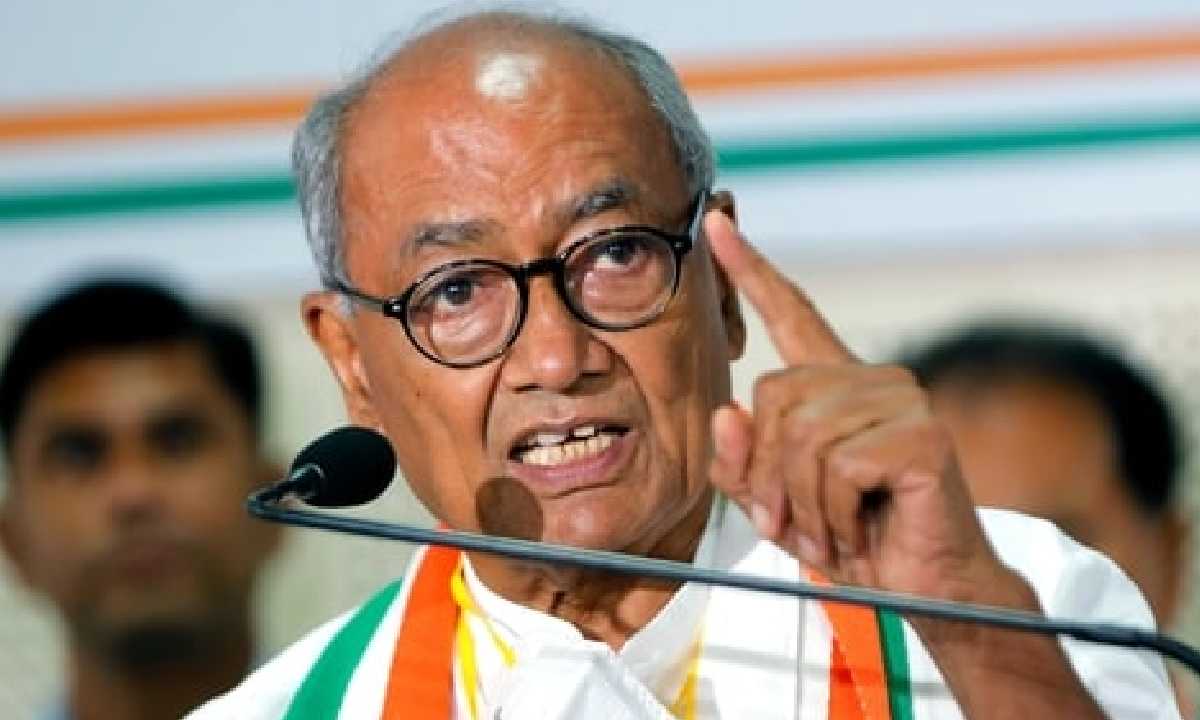
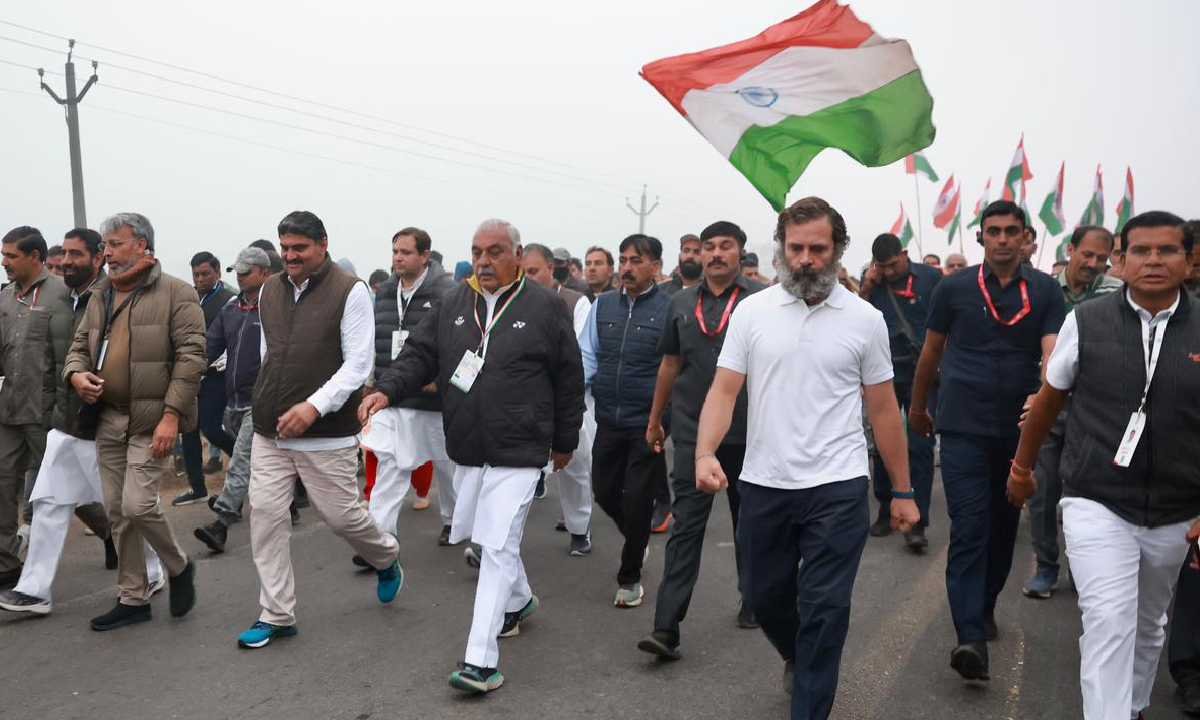
As the Bharat Jodo Yatra reached the national capital on Saturday with Rahul Gandhi leading from the front, the exuberance among the Congress workers multiplied. Congress leader Digvijaya Singh informed that the party will be starting the “Haath se Haath Jodo” campaign soon.
“All planning and preparations have been made for the Haath se Haath Jodo campaign. The door-to-door campaign will start after 30 January. We will spread the message of Rahul Gandhi and his yatra among everyone,” said Singh while speaking to Agencies.
On being asked whether Congress will be able to join the opposition parties together, Singh said that everyone is welcome to this Yatra. “From the first day of the Yatra, Congress has stated that those who want to join the Bharat Jodo Yatra can join it. Everybody is welcome here, ”he said.
Bharat Jodo Yatra, entered the national capital from Haryana on Saturday and was attended by several senior Congress leaders like Digvijay Singh, Jairam Ramesh and Pawan Khera.
Bharat Jodo Yatra is scheduled to reach the Red Fort around 4.30 pm.
The Yatra will also visit Rajghat and pay tribute to the Father of the Nation Mahatma Gandhi.
The Yatra’s flag transfer ceremony took place near Badarpur metro station. Standing by his aim to open “shop of love in the market of hatred”, Rahul Gandhi said that the common people of this country are now talking about love.
“Some people are spreading hatred but the country’s common man is now talking about love. In every state, lakhs have joined the yatra. I’ve said to people of RSS-BJP that we’re here to open the shop of love in your ‘bazaar’ of hatred,” said the Congress MP soon after reaching Delhi.
So far, the Yatra, which started from Kanyakumari on September 7, has covered parts of Tamil Nadu, Kerala, Karnataka, Andhra Pradesh, Telangana, Madhya Pradesh, Rajasthan and Maharashtra and Haryana.
“You may have seen in this yatra, there was no hatred. Have you heard while walking during this yatra someone abusing you, or assaulting anyone throughout this yatra?” Rahul added. “If someone falls, other people rush to get him up to help him.
This is the reality of India,” Rahul said. He said that an India filled with hatred and fear is not a real India. “This is the real India, an India of love, respect and brotherhood. we want to mirror them the true face of India,” Rahul added.
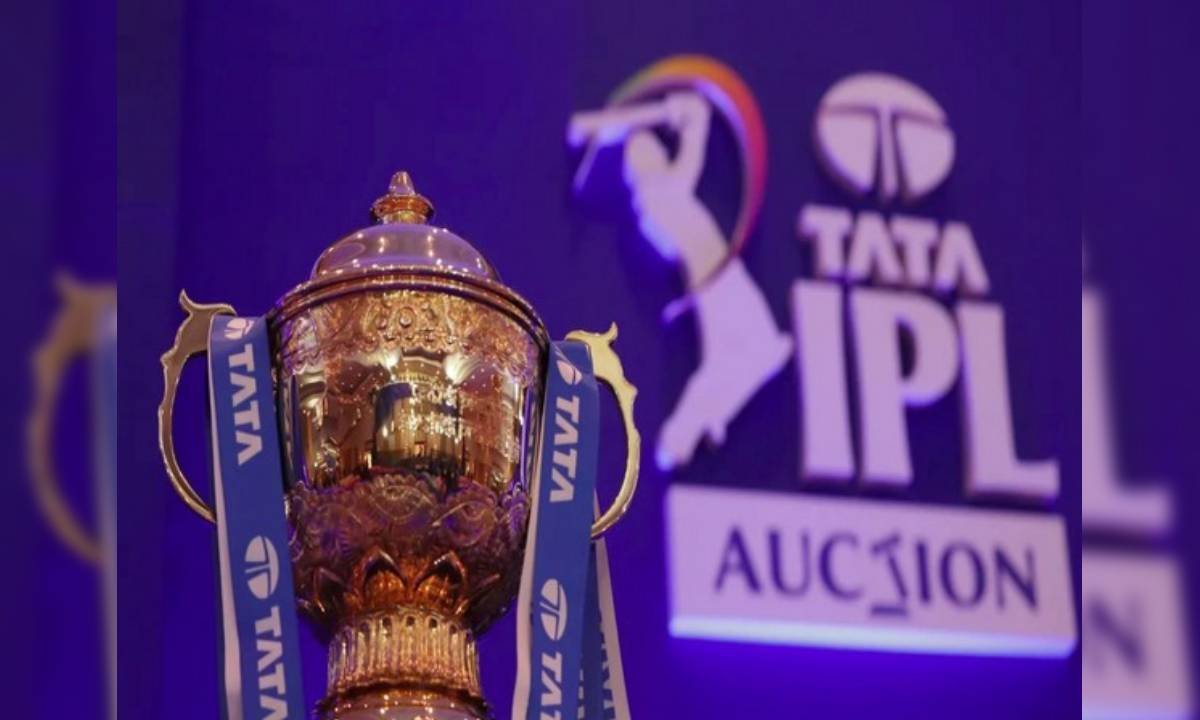
The Indian Premier League Auction 2023 was not only a jackpot for the likes of Sam Curran, Cameron Green, Ben Stokes, Harry Brook but it was also an auction that helped a few uncapped Indian players being picked by various IPL franchises.
Pace bowler Kulwant Khejroliya was bought by Kolkata Knight Riders for INR 20 lakh. If he gets picked in the playing XI of KKR, the pacer will have an opportunity to play under the captaincy of Shreyas Iyer and will be sharing the dressing room with players like Umesh Yadav, and Shakib Al Hasan.
Chennai Super Kings bought Ajay Mandal for INR 20 lakh. Mandal is a left-hand batter and bowler. The southpaw will join the squad which has some big names – Ravindra Jadeja, Ben Stokes, Deepak Chahar under the leadership of Mahendra Singh Dhoni. Another uncapped player bought by CSK was C Bhagat Varma.
All-rounder Mohit Rathee was bought by Punjab Kings for INR 20 lakh. The youngster will play alongside some big names like Sam Curran who was bought for a staggering INR 18.50 crore, Kagiso Rabada, Arshdeep Singh under the leadership of Shikhar Dhawan.
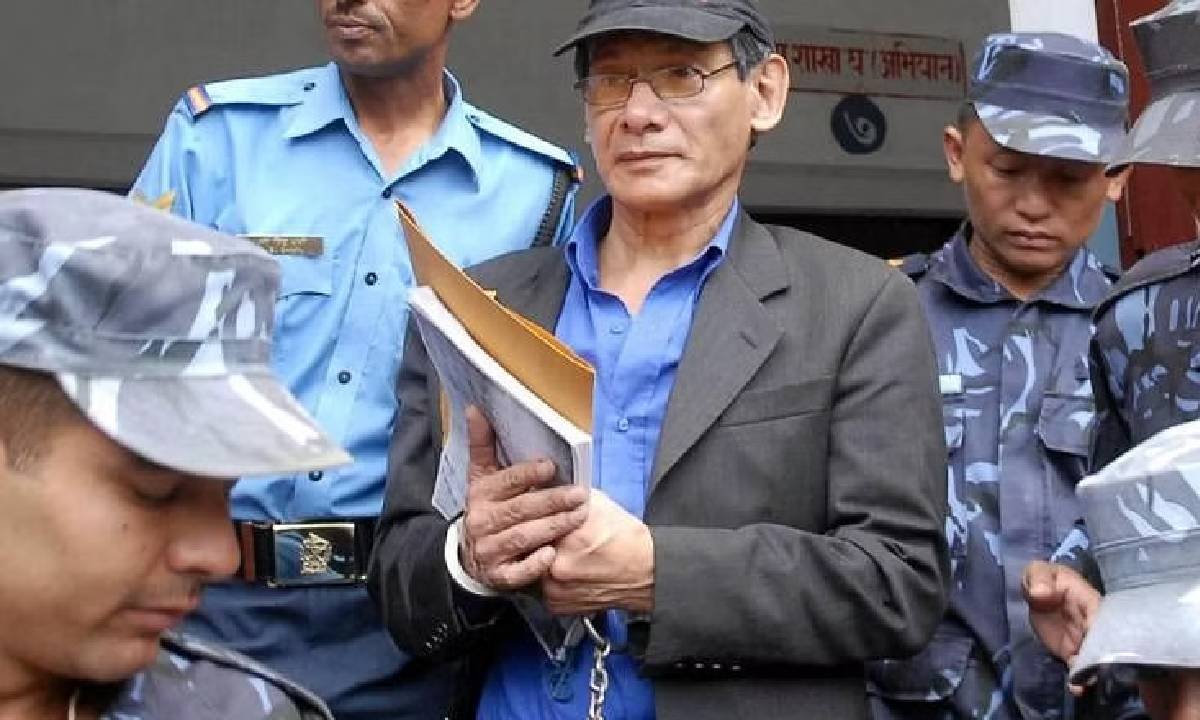
Sobhraj, 78, a French national, is suspected of killing more than 20 Western backpackers on the “hippie trail” through Asia, usually by drugging their food or drink in the course of robbing them. Nepal’s Supreme Court on Wednesday ordered his release from prison, where he has served 19 years out of a 20-year sentence, citing his age.
The serial “Bikini Killer”, the “Serpent” and the murderer of backpackers on 1970s “Hippi” trail could be set free soon as the Nepal Supreme Court has ordered his release after he served 95% of his jail term in that country.
Charles Sobhraj’s middle name is “notorious”. But his notoriety also has a suave ring to it. It springs from his unique style statement, the way he dressed, his ability to speak different languages eloquently and his refined demeanour. He used these to lure and trap Western tourists in Asia, mostly women backpackers, while masquerading as a gemstone trader.
Using their passports, he travelled across countries – from France to Thailand – and changed his mannerisms and appearance like a serpent does to disguise people.
His modus operandi was befriending backpackers, charming them with his sophisticated looks, cosying up, hanging out, and drugging the victims before robbing and killing them and then burning their bodies beyond recognition.In the 1970s, he went on a murder spree and killed 15 to 20 people.
In the mid-1970s, Sobhraj was issued an arrest warrant after six women were found dead on a beach in Pattaya in Thailand. He earned the moniker “Bikini Killer” from here on, as all these six women were clad only in bikinis when their bodies were recovered. Sobhraj was caught similarly at a Nepal casino in 2003 after he went to France following his release from India in 1997. He led an ostentatious life there, squandering away money and charging vast sums for his interviews and sharing his outrageous stories.
One wonders why he came back to Kathmandu. In Nepal, he was convicted of killing American backpacker Connie Jo Bronzich and also found guilty of murdering Bronzich’s Canadian friend, Laurent Carriere.
Charles Gurumukh Sobhraj Hotchand Bhawnani walked free out of jail 5
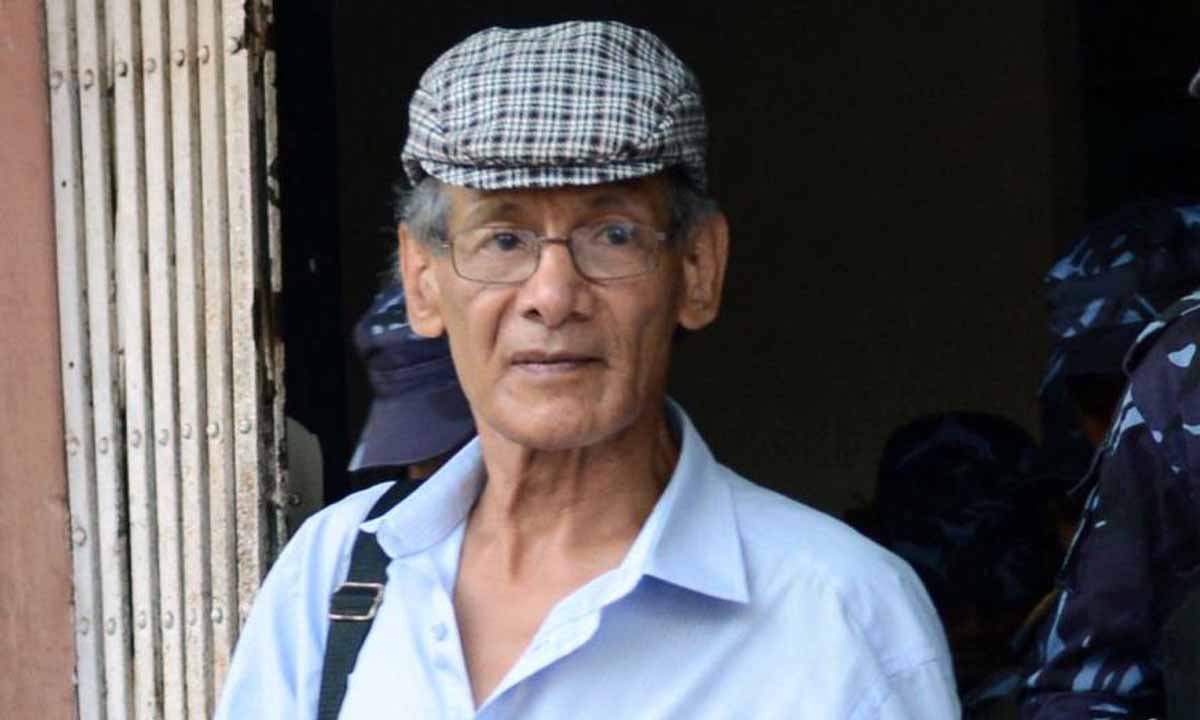
When he came out of the gate the paparazzi were seen eagerly waiting for him. In a light blue shirt, and his typical cap he looked old and very fragile. He has a smile on his face; his wife was there to receive him. The Supreme Court of the Himalayan nation ordered the release of Sobhraj on the grounds of old age and worsening health conditions. Since 2003, he has been serving his sentence in Nepali jail on the charge of murdering two American tourists. The court concluded that the 78-year-old will be set free as he had already completed 95 per cent of his jail term.
He was known as “the Bikini Killer” due to the attire of several of his victims, as well as the Splitting Killer” and “the Serpent”, due to “his snake-like ability to avoid detection by authorities. Sobhraj has murdered at least 20 tourists in South and Southeast Asia, including 14 in Thailand. He was convicted and jailed in India from 1976 to 1997. After his release, he retired, promoting his infamy in Paris. Sobhraj returned to Nepal in 2003, where he was arrested, tried, and received a life sentence.
Sobieraj was handsome, charming and absolutely without qualms, he used his looks and cunning to advance his criminal career and obtain celebrity status. He also enjoyed his notoriety. Sobhraj has been the subject of four biographies, three documentaries, an Indian film titled Main Aur Charles, and the 2021 eight-part BBC/Netflix drama series The Serpent. He got a lot of fame and a name with his criminal records.
Sobhraj was born in Saigon to an Indian father and a Vietnamese mother. His parents were never married and his father denied paternity. Stateless at first, Sobhraj was taken in by his mother’s new husband, a French Army lieutenant stationed in French Indochina. There he felt neglected in favour of the couple’s later children. Sobhraj continued to move back and forth between Southeast Asia and France with the family.
As a teenager, he began to commit petty crimes; he received his first custodial sentence for burglary in 1963, serving his sentence at Poissy prison near Paris. While imprisoned, Sobhraj manipulated prison officials into granting him special favours, such as being allowed to keep books in his cell. Around the same time, he met and endeared himself to Felix d’Escogne, a wealthy young man and prison volunteer.
After being paroled, Sobhraj moved in with d’Escogne and spent his time moving between the high society of Paris and the criminal underworld. He began accumulating riches through a series of burglaries and scams. During this time, Sobhraj met and began a romantic relationship with Chantal Compagnon, a young Parisian woman from a conservative family. Sobhraj proposed marriage to Compagnon but was arrested later the same day for attempting to evade police while driving a stolen vehicle. He was sentenced to eight months in prison, yet Chantal remained supportive throughout the entirety of his sentence. Sobhraj and Compagnon were married upon his release.
Sobhraj, along with a pregnant Compagnon, left France in 1970 for Asia to escape arrest. After travelling through Eastern Europe with fake documents, robbing tourists whom they befriended along the way, Sobhraj arrived in Mumbai later the same year. Chantal gave birth to a baby girl, Usha, in the city. In the meantime, Sobhraj resumed his criminal life, running a car theft and smuggling operation. Sobhraj’s growing profits went towards his budding gambling addiction. In 1973, Sobhraj was arrested and imprisoned after an unsuccessful armed robbery attempt on jewellers at Hotel Ashoka. Sobhraj was able to escape, with Compagnon’s help, by faking illness, but was recaptured shortly thereafter.
Sobhraj borrowed money for bail from his father and soon afterwards fled to Kabul. There, the couple began to rob tourists on the hippie trail and were arrested again. Sobhraj escaped in the same way he had in India, feigning illness and drugging the hospital guard. Sobhraj fled to Iran, leaving his family behind. Compagnon, though still loyal to Sobhraj, wished to leave their criminal past and returned to France, vowing never to see him again.
Sobhraj spent the next two years on the run, using as many as 10 stolen passports. He passed through various countries in Eastern Europe and the Middle East. Sobhraj was joined by his younger half-brother, André, in Istanbul. Sobhraj and André became partners in crime, participating in various criminal activities in both Turkey and Greece. The duo was eventually arrested in Athens. After an identity-switch hoax went awry, Sobhraj managed to escape but his half-brother was left behind. André was handed over to the Turkish police by Greek authorities and served an 18-year sentence.
Sobhraj was joined by a young Indian man, Ajay Chowdhury, a fellow criminal who became Sobhraj’s second-in-command. After doing lots of crimes and murders, his next destination was either Varanasi or Calcutta, where he murdered Israeli scholar Avoni Jacob to obtain Jacob’s passport. Sobhraj used the passport to travel with Leclerc and Chowdhury; first to Singapore, then to India.
Sobhraj’s systematic bribery of prison guards at Tihar reached outrageous levels. He led a life of luxury inside the prison, with television and gourmet food, having befriended both guards and prisoners. He gave interviews to Western authors and journalists, such as Oz magazine’s Richard Neville in 1977 and Alan Dawson in 1984. Although Sobhraj had freely talked to Neville and Clarke about his murders, he later denied everything he had told them and pretended his actions were in retaliation against “Western imperialism” in Asia. Sobhraj’s prison sentence in India was due to end before the 20-year Thai statute of limitations expired, ensuring his extradition and almost certain execution for murder in Thailand. So in March 1986, in his tenth year in prison, Sobhraj threw a big party for his guards and fellow inmates, drugged them with sleeping pills and walked out of the prison. Inspector Madhukar Zende of the Mumbai police apprehended Sobhraj in O’Coqueiro Restaurant in Goa; his prison sentence was extended by ten years, just as he had hoped. On 17 February 1997, 52-year-old Sobhraj was released with most warrants, evidence and even witnesses against him long lost. Without any country to extradite him to, Indian authorities let him return to France.
In 2003, Sobhraj returned to Nepal, on 1 September 2003, Sobhraj was spotted by a journalist for The Himalayan Times in a casino in Kathmandu. The journalist followed him for two weeks and wrote a news report in The Himalayan Times with photographs. The Nepalese police saw the report, raided the casino and arrested an unaware Sobhraj, who was still gambling there. The police reopened the double murder case in 1975. Sobhraj was later sentenced to life imprisonment by the Kathmandu district court on 20 August 2004 for the murders of Bronzich and Carrière.
Congress leader Rahul Gandhi says, “Government is making excuses on purpose to stop Bharat Jodo Yatra”. Many congress leaders expressed that BJP is not able to see how people are supporting Rahul Gandhi’s March.
BJP, VP, Madhav Bhandari told Afternoon Voice, “Government expects Rahul Gandhi and Congress party to follow Covid protocols and they only know talk about the issue when comes to implementation their party has failed to do so in any constituency where their party was elected”.
Congress worker Brahma Bhalavi said, “BJP wants to lead the entire country as one particular party and they are not able to see the support of people given in Bharat Jodo Yatra or any other political party. This is all political strategy”.
Congress Worker Hina Kawre said, “BJP is scared of the truth and can’t see many supporters. So it should not stop the Yatra. As the government has not addressed many issues like unemployment, and inflation, and even if the government gives gas cylinders under its schemes but they don’t know it has become expensive and common people are not able to afford those cooking gas cylinders. Rahul Gandhi is smart enough to handle the Covid-19 situation and he knows how to deal with the situation”.
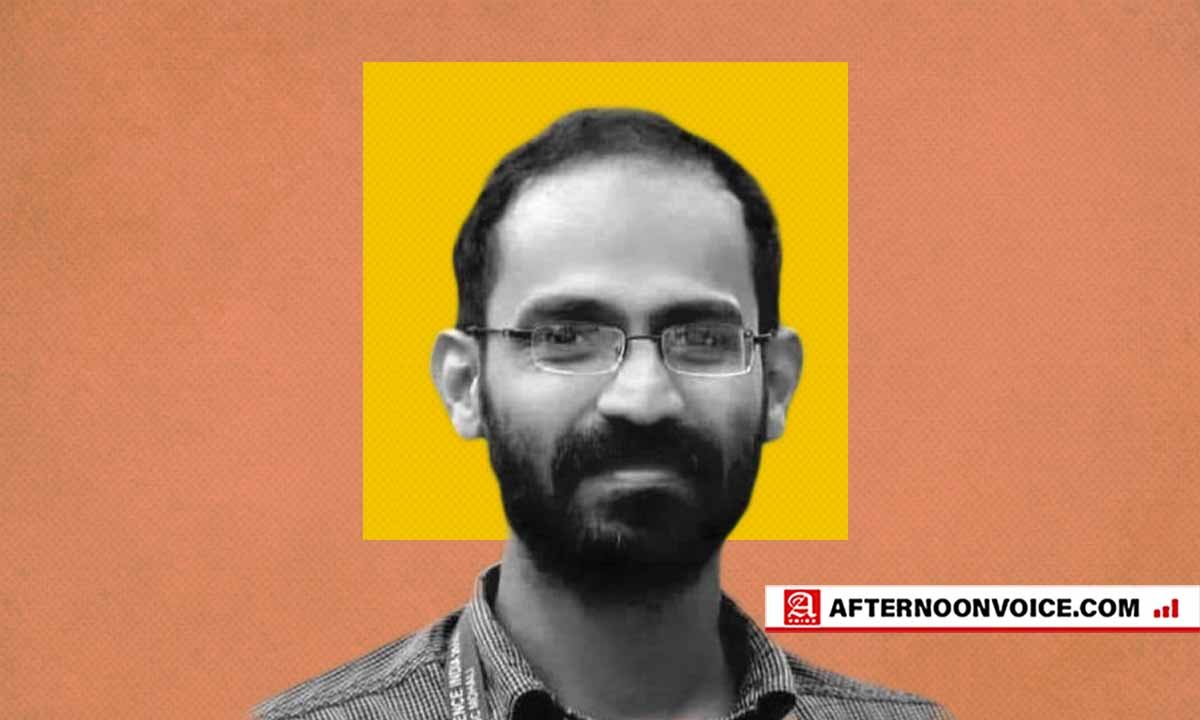
Journalist Siddique Kappan granted bail in PMLA case after 2 years in jail 8
Kerala journalist Siddique Kappan was on Friday granted bail by Allahabad High Court in a case involving money laundering after being detained on terror-related accusations while travelling to UP’s Hathras to cover the rape and murder of a Dalit woman two years ago.
He had already been granted bail in the terror case, which was brought under the Unlawful Activities Prevention Act (UAPA) and other related laws, by the Supreme Court in September, but he continued to be detained in Lucknow because the Enforcement Directorate’s related case had not yet yielded any resolution.
He and six other people were charged earlier this month in Lucknow by a court under the Prevention of Money Laundering Act (PMLA). KA Rauf Sherif, Atikur Rahman, Masud Ahmad, Mohammad Alam, Abdul Razzak, and Ashraf Khadir are the other defendants.
These men, according to the authorities, are members of the now-outlawed Popular Front of India (PFI) and its student arm, Campus Front of India (CFI). The accused asserted that they were visiting Hathras solely for journalistic purposes and denied any role in financing or participating in terrorist activities.
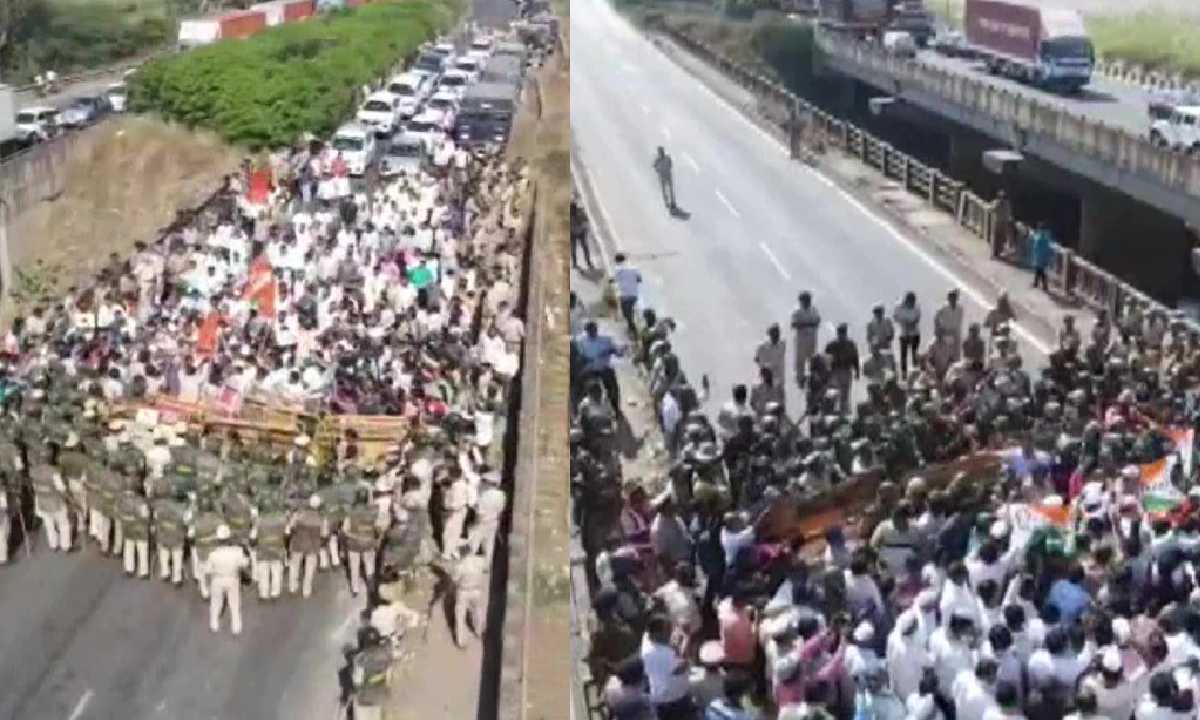
Belagavi border dispute, Maharashtra, Karnataka | Image: ANI
On Friday, Karnataka CM Basavaraj Bommai slammed Shiv Sena MP Sanjay Raut over entering illegally into the state and said “Raut is a Chinese agent”. After which many Shivsainiks of Uddhav Balasaheb Thackeray faction expressed their opinion in which they said that he is out of his mind and giving all senseless statements in the public domain”.
Shiv Sena,(Uddhav faction)MP, Sanjay Mandlik told Afternoon Voice, “He is not in his senses and using such words for the leader. This is all a publicity stunt and the case is already filed in Supreme Court”.
Shiv Sena,(Uddhav faction)MP, Vinayak Raut said, “Being CM of the state how can he use such statements? Home Minister Amit Shah has discussed this issue with the CM of both the states and He should take legal action against such a person and also remove him from the BJP”.
Shiv Sena leader Dilip Shinde said, “ Karnataka CM Bommai is only saying this to make people win elections in Karnataka again. Many people of Belagavi want to be a part of Maharashtra”.
Adv Pradeep Samant, Marathi Ekikaran Samiti said, “We are demanding land of our own. if states are divided by languages then there are 814 villages that should be brought back to Maharashtra. For the last four centuries these regions were under the Maratha empire even in the British empire these regions were part of the Bombay state. Slaves like Bommai should not challenge the people of Maharashtra for his political selfishness.”
Shiv Sena worker, Subhash Naik said, “BJP talks senselessly only to win elections in the state”.
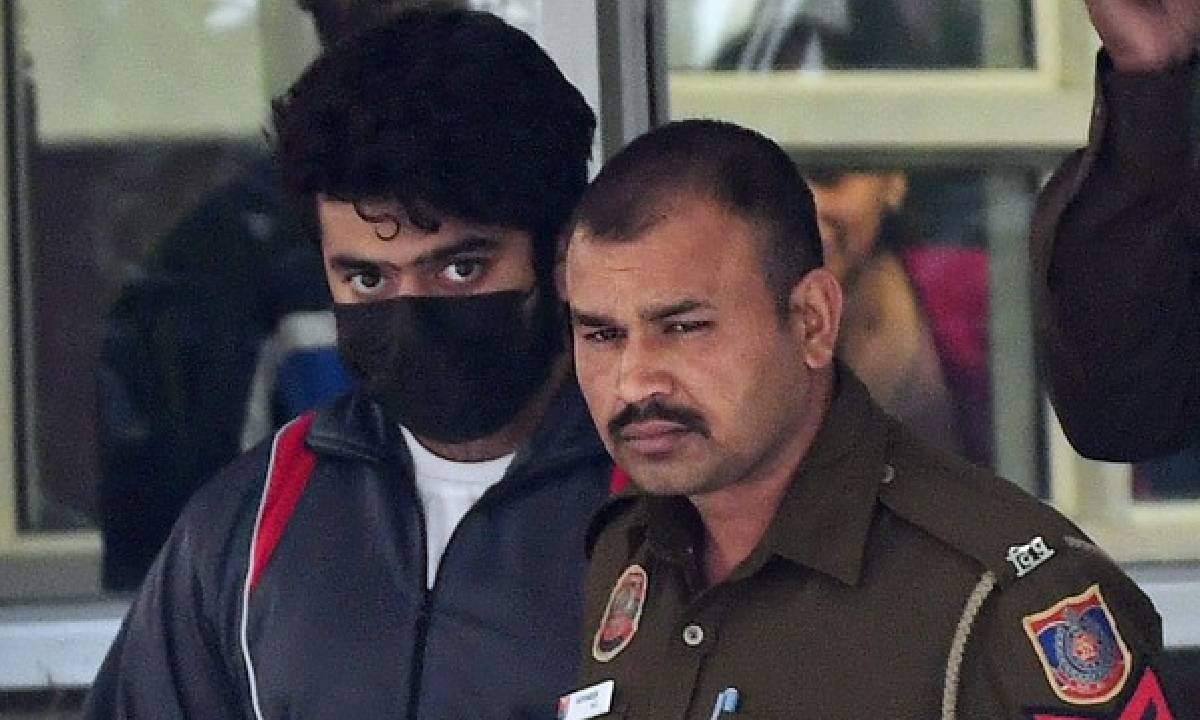
The narco test report of Aaftab Amin Poonawala, who is accused of murdering his live-in girlfriend Shraddha Walkar, has been prepared, said the forensic team on Friday.
According to Forensic Science Laboratory (FSL) team, the Investigation Officer has been informed to collect the report.
A narco analysis test of Aaftab was completed on December 1 on Thursday at the Baba Saheb Ambedkar Hospital in the national capital’s Rohini.
Meanwhile, Shraddha’s father Vikas Walker along with BJP leader Kirit Somaiya arrived at Delhi Police headquarters today.
Before undergoing a narco analysis test, Aaftab was given a general examination to check his blood pressure, pulse rate, body temperature and heartbeat. He also signed a consent form agreeing to the narco test after which he was put under anaesthesia and he was subjected to the narco analysis.
The narco test was conducted by a team of FSL officials which includes a photo expert, forensic psychology expert and one doctor of forensic medicine and the Nodal Officer, Narco, Ambedkar Hospital.
The narco test of Aaftab was over by 11:45 pm on December 1 after which he was kept under doctors’ observation and given psychological therapy. On December 2, a four-member FSL team conducted a ‘post-test interview’ with Aaftab.
The team during the post-test interview carried out a detailed analysis of replies he gave in his polygraph and narco tests earlier. He was also cross-questioned on the replies to eliminate the possibility of any lie, said sources.
Officials had earlier said that both the narco analysis and a polygraph test of Aaftab have revealed similar responses to the information gathered by Delhi Police so far in its investigation of the case.
“From the preliminary examination, our teams involved in the probe have found out that he gave similar responses during both the tests so it does not bring any kind of new twist to the story,” sources said.
During the tests Aaftab confessed to having killed Shradha and to have disposed off her body parts in forest areas of the city.
Notably, Aftab is currently lodged at Cell no 15 of Jail No 4 inside the Tihar Jail. Along with Aaftab, two under-trial accused in a theft case have been kept inside the same cell and have been asked to keep watch on Aftab, the Jail Authority informed.
Aaftab is accused of strangling to death his live-in partner Shraddha and chopping her body into 35 pieces. He is also alleged to have preserved the chopped body parts in a refrigerator before dumping them in forested areas in Delhi and Gurugram.
Police had earlier said Aaftab, who confessed to killing Shraddha and chopping her body into 35 pieces, was giving misleading answers to questions.
Delhi Police had submitted in court that Aaftab was giving wrong information and was misleading the investigation.
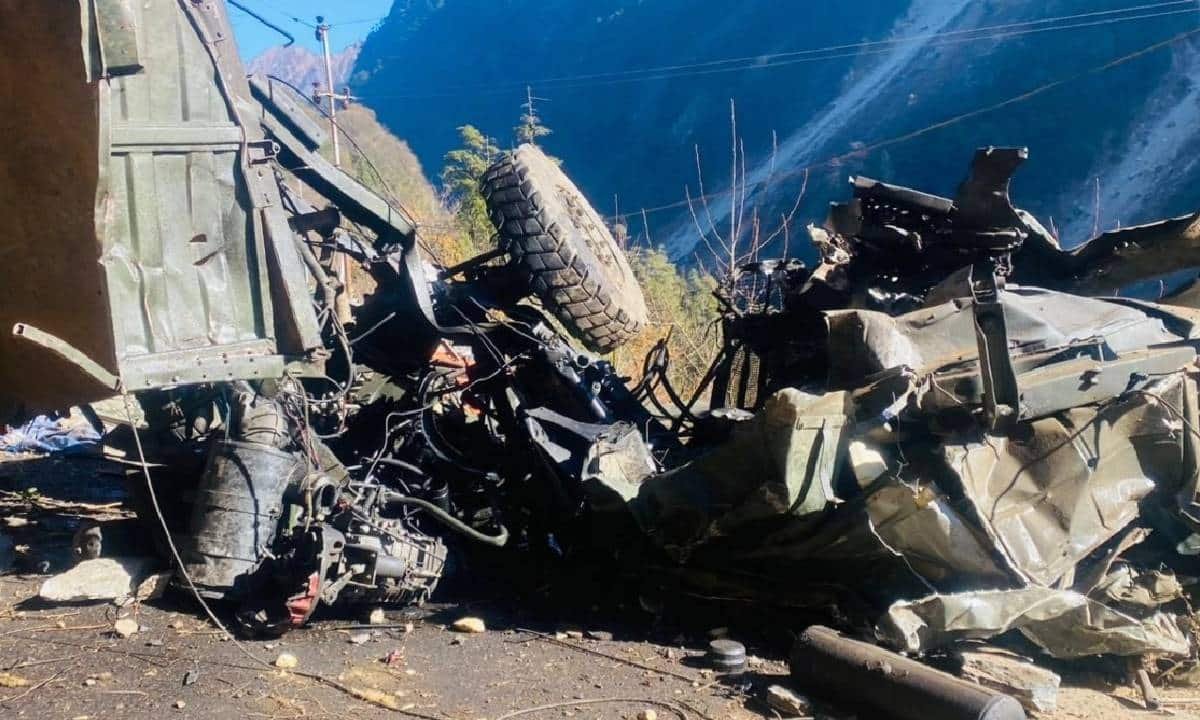
16 Indian Army personnel lose their lives as truck skids down slope in Sikkim 12
As many as 16 Indian Army personnel lost their lives on Friday in a road accident in North Sikkim involving an Army truck, said the Indian Army.
According to the Indian Army, the ill-fated vehicle was part of a three-vehicle convoy that was going from Chatten in the morning towards Thangu. En route at Zema, the vehicle skidded down a steep slope while negotiating a sharp turn.
The Indian Army launched a rescue operation in which four injured soldiers were air evacuated, while three Junior Commissioned Officers and 13 soldiers succumbed to the injuries sustained in the accident.
The Indian Army stands firm with the bereaved families in this hour of loss. Defence Minister Rajnath Singh condoled the death of the Bravehearts.
“Deeply pained by the loss of lives of the Indian Army personnel due to a road accident in North Sikkim. The nation is deeply grateful for their service and commitment. My condolences to the bereaved families. Praying for the speedy recovery of those who are injured,” Tweeted Defence Minister Rajnath Singh.
Maharashtra minister Shamburaj Desai on Friday said the state government will next week bring a resolution on the border dispute with Karnataka, which will be “10 times more effective” than the one passed by the neighbouring state.
The Excise Minister said the resolution will be passed by the state legislature on Monday.
Karnataka Legislative Assembly on Thursday unanimously passed a resolution on the border row with Maharashtra, resolving to protect the state’s interests and not to cede an inch of land to its neighbour.
The resolution which also condemned the border dispute “created” by Maharashtra and moved by Chief Minister Basavaraj Bommai, was adopted by a voice vote.
Talking to reporters at the legislature complex in Nagpur, Desai said, “The state government will bring a detailed resolution on the Maharashtra-Karnataka border issue, which will be 10 times more effective than the one passed by Karnataka. It will be passed in the legislature on Monday.” “I only want to say that even after the meeting of both (Maharashtra and Karnataka) chief ministers with Union Home Minister (Amit Shah), the Karnataka CM (Basavaraj Bommai) did not respect what was decided. Maharashtra CM (Eknath Shinde) and Deputy CM (Devendra Fadnavis) both want the issue to get solved through talks,” the minister said.
Desai, who is a member of the Maharashtra-Karnataka Border Coordination Committee appointed by the state, added that the resolution to be passed on Monday will present Maharashtra’s side more effectively and will be in the interest of Marathi people.
“After the resolution is passed, we will also convey to union home minister our strong displeasure over the leaders from Maharashtra being stopped from entering Karnataka,” he said.
The border row had intensified in the last couple of weeks, with vehicles from either side being targeted, leaders from both states weighing in, and pro-Kannada and Marathi activists being detained by police amid a tense atmosphere in Belagavi in Karnataka.
The border issue dates back to 1957 after the reorganisation of States on linguistic lines. Maharashtra laid claim to Belagavi, which was part of the erstwhile Bombay Presidency, as it has a sizeable Marathi-speaking population.
It also laid claim to over 800 Marathi-speaking villages which are currently part of Karnataka.