Home Blog Page 568

Malavika Sarukkai celebrates her Golden Jubilee at NCPA

Malavika Sarukkai, AnuBandh, Bharatanatyam, Padmashri
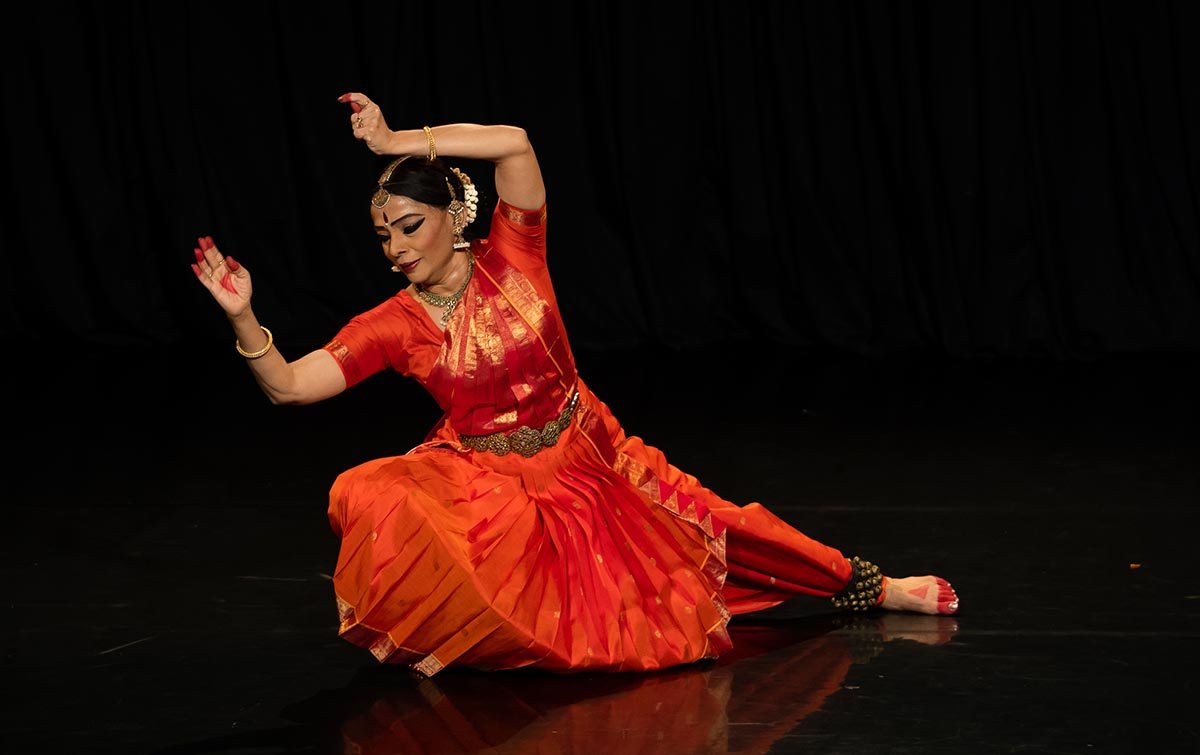
Malavika Sarukkai / Image: Brian Slater

Malavika Sarukkai seemed to have paved a way back into the world by being a student of dance, again. The Padmashri awardee completed 50 glorious years in dance, her new solo performance, Anubandh – Connectedness, is a call for hope. The artiste implored her audiences to navigate sorrow and solace through their primordial ties with nature. The show at the National Centre of Performing Arts (NCPA), Mumbai left the audience spellbound.  

Sarukkai was born in 1959 in Tamil Nadu. She began learning Bharatanatyam at the age of 7 and trained under Kalyanasundaram Pillai (Tanjavur school) and Rajaratnam (Vazhuvoor School) She also learned abhinaya under Kalanidhi Narayanan and Odissi under renowned gurus, Kelucharan Mohapatra and Ramani Ranjan Jena. She made her debut at the age of 12 at NCPA, Mumbai and she celebrated her golden year on stage again at the same venue.

Sangeet Natak Akademi Awardee  has performed at many places in India and abroad, including the Lincoln Center for the Performing Arts, New York, John F. Kennedy Center for the Performing Arts and many more. Her life and work have been recorded by way of a documentary, Samarpanam, commissioned by the Government of India. She also features in a nine-hour television documentary by BBC/WNET under the title, Dancing. The Unseen Sequence – Exploring Bharatanatyam Through the Art of Malavika Sarukkai is another documentary made on her art.

After her recent show, the elated Sarukkai spoke about her experience of concluding celebrated golden years, excerpts from the interview:  

Fifty glorious years, when you look back how has the journey been?

My journey in dance has been incredible, unbelievable. Destiny has played an important role as otherwise I could not have continued on this dance marathon and without the benediction of divine grace, many things could not have fallen in place. Classical dance required of me decades of sustained practise. This demanded stamina at the physical, emotional and spiritual levels. Together with this, life also had its ups and downs, highs and lows which had to be constantly navigated. Through all this dance kept my spirit alive as it granted me a world of discovery for which I am ever grateful. The world of dance changed the way I looked at life, people, nature. It granted me a new dimension to my life.

Your first show was at NCPA and now the golden jubilee celebration too is on the same stage, what is the feeling like?

I grew up and went to school in Bombay and had my Arangetram (first public performance) in 1972. And so, returning to NCPA in Mumbai is special in this significant year. As an artist, I have felt welcomed at NCPA because of the vibrant diversity of programs presented at the complex. I have always looked forward to presenting my art and curated my programs with care keeping in mind the discerning audience. Over the years I have presented my art at The Little Theatre, The Tata Theatre and at The Jamshed Bhabha Theatre. Each space at NCPA is different, offering its unique possibility of engaging with the audience. The experience of dancing has been rewarding, complemented as it is by many memories.

Tell me more about your show AnuBandh – Connectedness?

This show is my response to the isolation, loneliness and trepidation arising from the pandemic. At a time, uncertainty in a fractured world, it is my call to the transformative power of hope. Anubandh seeks to recognise and reclaim our primordial relationship with the Sun and the Moon, as also with Panch Mahabhuta (the Five Great Elements) as theu are honoured in India: Prithvi (Earth), Apah (Water), Agni (Fire), Vayu (Wind) and Akasha (Space).
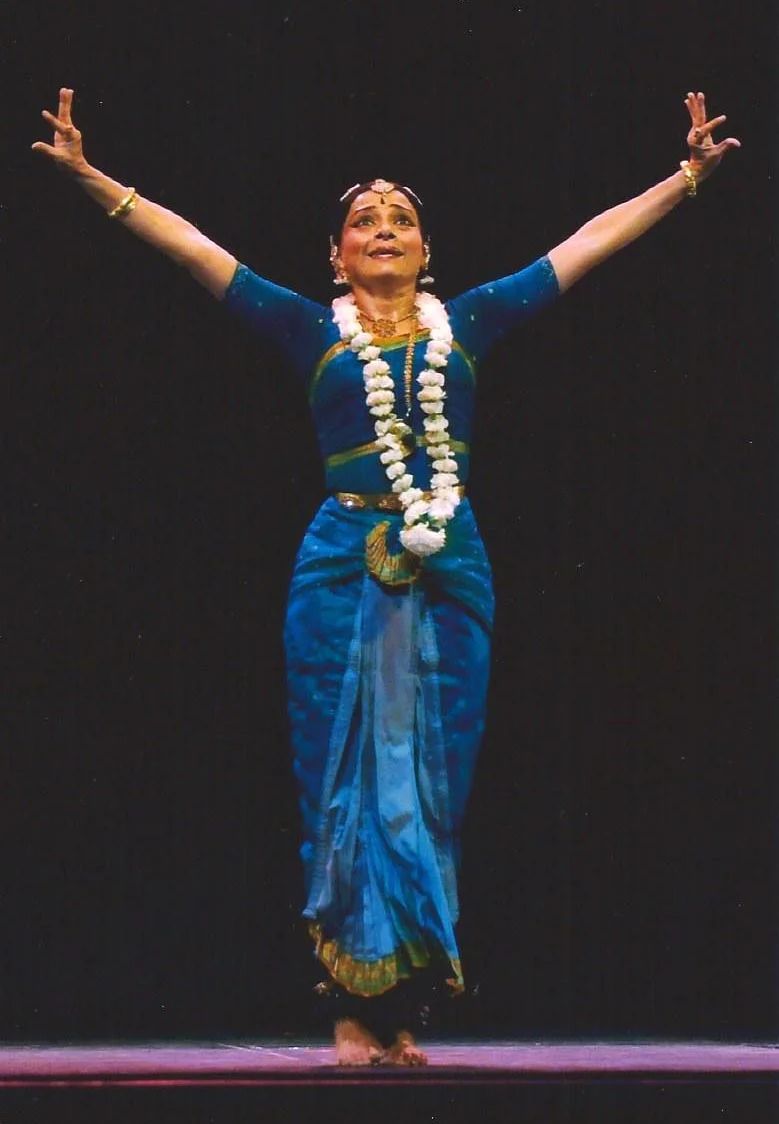
Malavika Sarukkai, AnuBandh, Bharatanatyam, Padmashri
Malavika Sarukkai / Image: Brian Slater

Through my show I invited my audience to a journey from familiar to the unfamiliar, from the known to the unknown. My performance moved from the personal to the shared and from the individual to the collective. The dance reinforced our deep links with the great elements – the generosity of the earth, the rejuvenating power of the water, the caressing sukha (pleasure) of the wind, the unending depth of dukkha (sorrow) of fire, the wonderment in sensing space and knowing that the same prana (life-breath) pervades all. In short my show ‘Anubandh – Connectedness’ explored the essential relationship between nature and our lives

In this incredible journey who has been the most inspirational person for you and why?

Dance is a marathon specially when it stretches over decades. Without inspiration, passion, motivation and hard work it’s impossible to sustain the challenges one faces as an artist. Without question, the most inspirational person in my dance journey was my mother, Saroja Kamakshi. She was a guiding spirit through the many challenges I faced and she fulfilled several roles – creative collaborator, researcher, manager, mother and spiritual guide. We shared a most unique relationship.

There has been a drastic change in the way performers and students were when you started to now, how do you feel about it?

There has been a huge shift in the practise and presentation of the performing arts in the last few decades. Change is natural in any art form but I think as artists and as a society we need to be alert and intelligent to analyse what are the positive and negative learnings. I believe we need to take the practise of classical dance not in a superficial way but as a serious study. Otherwise on the long run we will only produce dancers not artists. Without the contribution of artists to the world of dance, as a society we will be the poorer for it and that would be a shame considering we have inherited such a rich legacy. Classical dance can be practised, performed and viewed at multiple levels. It is up to us to choose what we wish to gain as artists or viewers from the experience of classical dance. If we allow ourselves to immerse in classical dance, it offers us deep perspectives, else it can be viewed as mere entertainment. Our approach defines what we receive.

What are your future plans for your unmatched talent?

Dance continues to inspire me in many ways. The more I create the more creative space unfolds. As long as I am inspired, I will continue to create path breaking dance productions in the language of Bharatanatyam, I will continue writing on dance, speaking about dance, disseminating an awareness of classical dance and continue mentoring a few serious dancers. Engaging and exploring dance will be an enduring and intrinsic part of my life

Malavika Sarukkia is a guru, dancer, scholar, writer, researcher par excellence and stands as a symbol of a complete artist, many awards such as Kalaimamani title from the Government of Tamil Nadu, Mrinalini Sarabhai Award, Nrityachoodamani title, Sanskriti award, Haridas Sammelan award prove the same. Let us all come together and congratulate the doyen of Indian classical dance.


Disclaimer: The opinions expressed within this article are the personal opinions of the author. The facts and opinions appearing in the article do not reflect the views of AFTERNOON VOICE and AFTERNOON VOICE does not assume any responsibility or liability for the same.

UEFA Women’s Euro 2022: England won against Germany by 2-1

football womens winner 1
image: twitter

England made history on Sunday as Chloe Kelly’s extra-time goal against Germany won them the Euro 2022 trophy with a score of 2-1 at the Wembley stadium.

It is the first time since 1966 that England won an international trophy. In front of more than 87,000 people crowd England sealed the title for them thanks to the extra time goal from Chloe Kelly.

Germany fought hard and it was a great showing from both sides but England was able to convert its chances and that’s what really made the difference in the final.

Germany lost their top scorer Alexandra Popp in the competition before the kick-off of the final due to an injury. The first half went goalless as both sides failed to convert the given chances but the game was still pretty entertaining.

The first major chance came from Germany in the 25th minute from a corner. The sloppy English defence wasn’t able to clear out the ball from the corner and it needed a double-save from the goalkeeper Mary Earps.

England striker Ellen White had the chance to put England in lead in the 38th minute as the hosts caught the German defence off-guard.

White’s strike just went a little over the bar. The match remained deadlocked in the first half with great chances from both sides but no conversions.

The first goal of the game finally came through in the 62nd minute. Keira Walsh put an excellent lofted through ball over the German defence which landed straight into the feet of Ella Toone.

The English striker who was substituted not long ago showed her class with a sublime finish. A great lofted strike by Toone put the ball over the keeper and straight into the net.

England took the lead but it wasn’t very safe as Germany was fighting back hard. The visitors were quick to equalize. Magull yet again had the chance to score for Germany and she did not fail this time. She put in the ball from a close range to give Germany the equalizer.

The 90-minute mark ended with the score being 1-1 which meant the game went to extra time. The extra time was also well contested between both sides. Substitutions were made from either side as well giving new life to the match.

However, in the 110th minute, England substitute Chloe Kelly scored from the corner and gave England the lead yet again in the game. The corner was poorly cleared out from Germany and Kelly shot came back to her and she was quick to take the chance and turned it in for England.

An equalizer never came through from Germany this time around and Kelly’s goal made history for England as they won the Euros for the first time defeating the eight-time champions Germany.

‘Action against Sanjay Raut is to divert attention from Governor’s insulting statement’ – Nana Patole

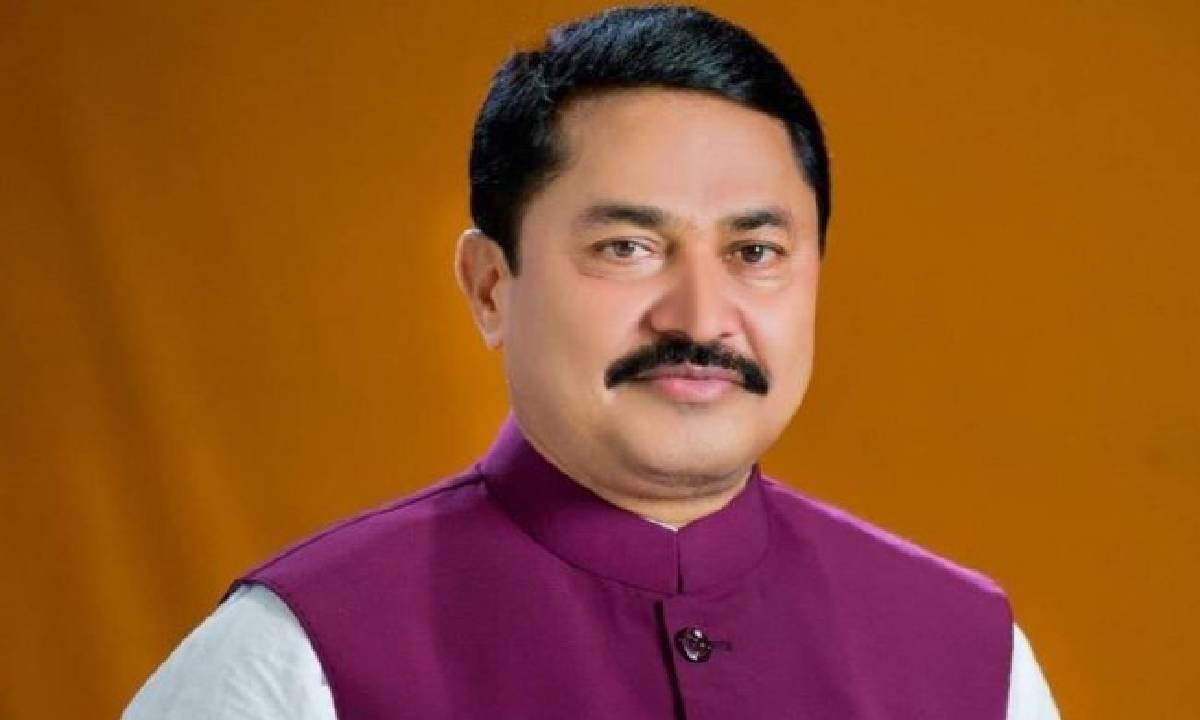
Nana Patole
'Action against Sanjay Raut is to divert attention from Governor's insulting statement' - Nana Patole 5

Maharashtra Congress chief Nana Patole on Sunday alleged that Shiv Sena MP Sanjay Raut’s detention by the Enforcement Directorate (ED) is an attempt by the BJP to divert attention from the governor Bhagat Singh Koshyari’s controversial statement that had hurt the feelings of the Marathi manoos.

Governor had recently remarked that Mumbai would not remain the financial capital if people from Gujarat and Rajasthan were taken out of the state. The remark had caused a political storm and drew criticism.

BJP’s conspiracy is to divide the Hindus as Marathi and non-Marathi and run over the Marathi people – Uddhav Thackeray

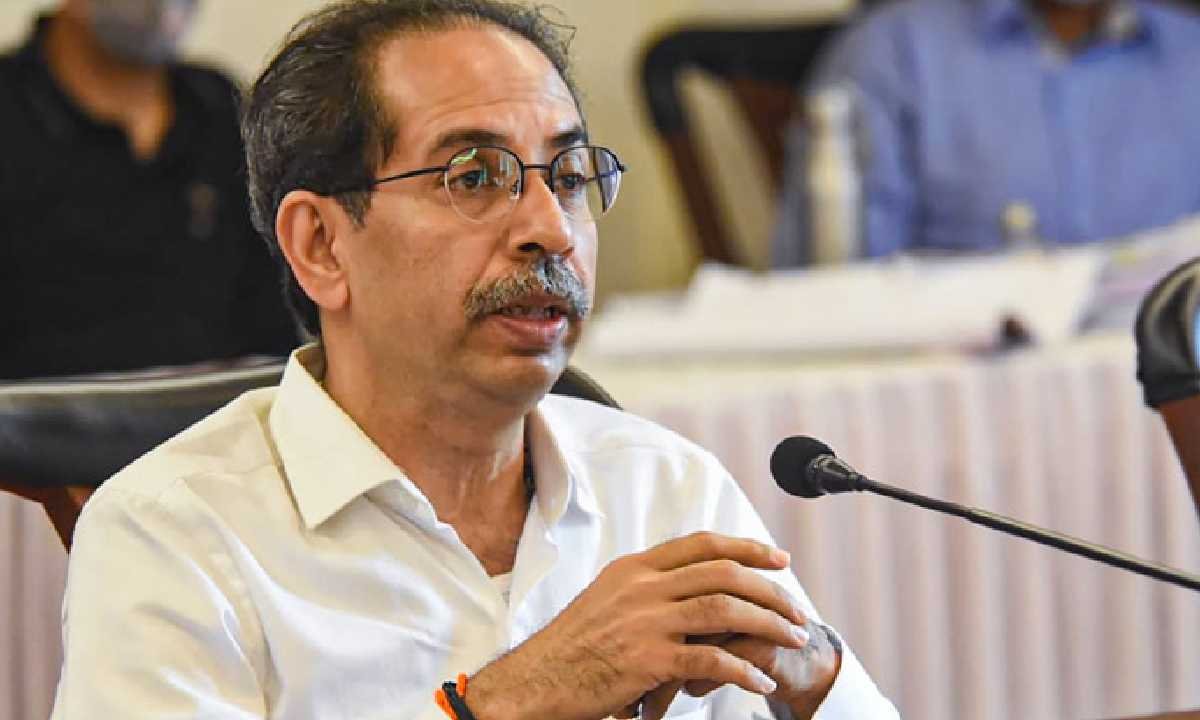
uddhav Thackeray, Shiv Sena
Image: Agencies

Uddhav Thackeray said the ED raid at party MP Sanjay Raut’s home was part of a dangerous plot that was being played out leaving behind all shame. This, he said, was nothing but authoritarianism.

According to Thackeray, the plan was to destroy the Shiv Sena-Thackeray bond and make sure the Sena that is left after that is like a cow that is tied up in the BJP’s goshala (cowshed).

He was addressing Thane party workers led by MP Rajan Vichare and late Sena leader Anand Dighe’s nephew Kedar Dighe at Matoshree.

Thackeray reiterated that governor B S Koshyari had no moral authority to occupy the post anymore after his remarks on the Marathi people, and said Sunday’s developments were the next stage of the same chapter.

“The BJP’s conspiracy is to divide the Hindus as Marathi and non-Marathi and run over the Marathi people.

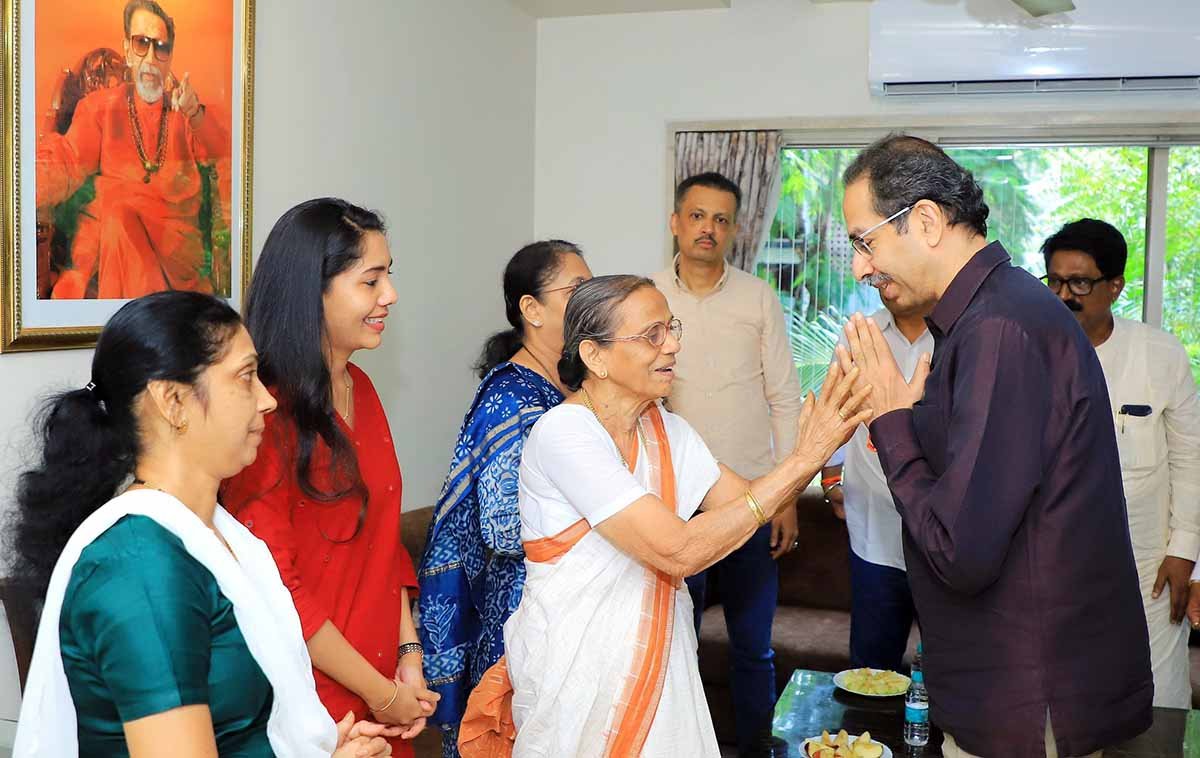
Sena chief Uddhav Thackeray meets family members of MP Sanjay Raut

uddhav, thackeray, uddav thackery, sanjay raut, patra chawl, raut, ed, enforcement directorate
Image: Twitter/Shiv Sena

Shiv Sena chief Uddhav Thackeray on Monday met with family members of party leader Sanjay Raut, who was arrested by the Enforcement Directorate in a money laundering case, in suburban Mumbai. Thackeray went to Raut’s residence in suburban Bhandup in a car.

Raut and Thackeray are known to share a close bond. The ED is expected to produce Raut in court shortly.

Congress leader Kharge in support of Raut says, “Centre is trying to suppress the opposition”

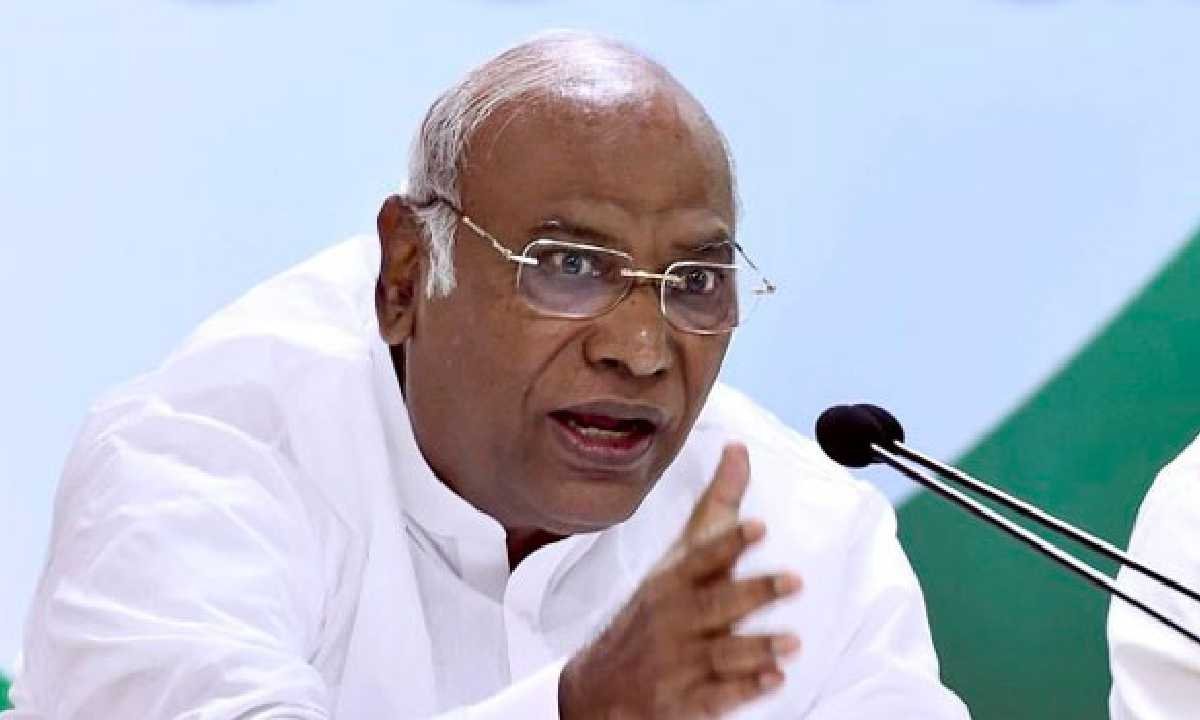
Mallikarjun Kharge, RajyaSabha Minister
Image: Agencies

Congress leader Mallikarjun Kharge on Monday alleged that the government is trying to suppress the Opposition in Parliament by harassing Opposition leaders and that Sanjay Raut will fight legally.

While speaking to the agencies, Rajya Sabha member Kharge said, “Sanjay Raut runs a party and a newspaper and if from his home Rs 11 lakh have been found then ED has made a case against him on the basis of it, he is being harassed”. He further said that “the government is trying to suppress the opposition if there is an issue with the property then action should be taken according to the law, instead of that he is being questioned for hours.” “He is a member of Rajya Sabha, you get to see him every day here this is totally harassment with a motto to finish the opposition.

There is a talk going on to finish the opposition with ‘Opposition Mukt Parliament’ and that’s the reason they’re doing such things. But Sanjay Raut will fight legally”.

While talking about the issues that the Opposition is planning to put up in Parliament he said, there is not a single issue there are many that they will take up in different ways in Parliament.

“One is inflation we are already fighting in the Rajya Sabha, and hooch tragedy is an important issue in which a lot of people lost their lives in the home state of the prime minister and home minister,” he explained.

“Our members have given notice to the chairman on these issues and we will take it forward.”

Earlier, a new development in the late wee hours of July 31, an FIR was registered against Sanjay Raut in Mumbai for allegedly threatening Swapna Patkar, wife of Sujit Patkar who is a close aide of the Shiv Sena leader.

The case was registered at the Vakola police station under sections 504,506 and 509 of IPC. An audio clip of Swapna had gone viral in which Raut was allegedly heard threatening her. Notably, Swapna Patkar is a witness in the Patra Chawl land case, for which the Enforcement Directorate detained Raut on Sunday after hours of raids at his residence. On Sunday, Sanjay Raut’s brother Sunil Raut claimed that he had been arrested. Sunil Raut said that Sanjay Raut will be produced before the court on Monday.

Liz Truss is leading the race as UK’s next PM: Survey

LIZZ TRUSS
IMAGE: ANI

British Foreign Secretary Liz Truss is leading the race to replace Boris Johnson as UK’s next Prime Minister by 90 per cent, according to a latest survey by betting exchange firm Smarkets.

According to Smarkets, the chances of Liz Truss becoming the next permanent member of the Conservative Party after Johnson are 90.91 per cent whereas Rishi Sunak’s chance of becoming the next UK PM has shrunk by 9.09 per cent.

Both contenders have to undergo bouts of 12 nationwide events and the first bout took place in Leeds, Northern England as the members elect a new leader. Truss is leading in surveys of Tory members after vowing immediate tax cuts as Britain confronts a slump in living standards.

Sunak in his speech, after Truss announced immediate tax cuts, said, “In the face of challenges, understand to get a grip of inflation and borrowing first,” adding that the government has already tried having low corporation tax to get businesses to invest and it hasn’t worked.

His support shrunk as his party members believed that Sunak has stabbed Boris Johnson in the back. Tory members who back Truss and want her to build the cabinet include Jacob Rees-Mogg, Nadine Dorries and Boris Johnson.

On the other hand, Tory members who support Sunak include Tom Tugendhat, Michael Gove, Sajid Javid and Jeremy Hunt, according to the latest YouGov survey.

Notably, Truss and Sunak who are fighting for the UK Prime Minister post have gone head-to-head in a debate in their first official grilling in the presence of conservative party members in Leeds on Thursday.

Former Chancellor Sunak faced a tough evening during the hustings for his lifestyle and dishonesty towards PM Boris Johnson whereas Truss had a fairly good time as she was backed by maximum support for the Prime Ministerial candidature.

Earlier, the YouGov survey also revealed that Truss extended her lead over Rishi Sunak as she gained 24 points. Now, the two had finally announced their summer campaign, a new YouGov poll of Tory members suggests that Truss retains her strong advantage.

Rishi Sunak and Liz Truss traded blows at each other over economic policy, and foreign relations in the first-ever TV debate on July 25. The candidates reportedly clashed over Britain’s future ties with China after cutting ties with Russia. The second Tory leadership debate between Rishi Sunak and Liz Truss, however, got cancelled on Tuesday (local time) after presenter Kate McCann fainted and collapsed live on air.

The leadership race was triggered after Johnson was forced to step down on July 7 amid an avalanche of resignations of government officials, who protested against his scandal-plagued leadership. Johnson will continue to serve as caretaker prime minister until a new Tory leader succeeds him.

Babasaheb Purandare mentored many students to research the history of Shivaji

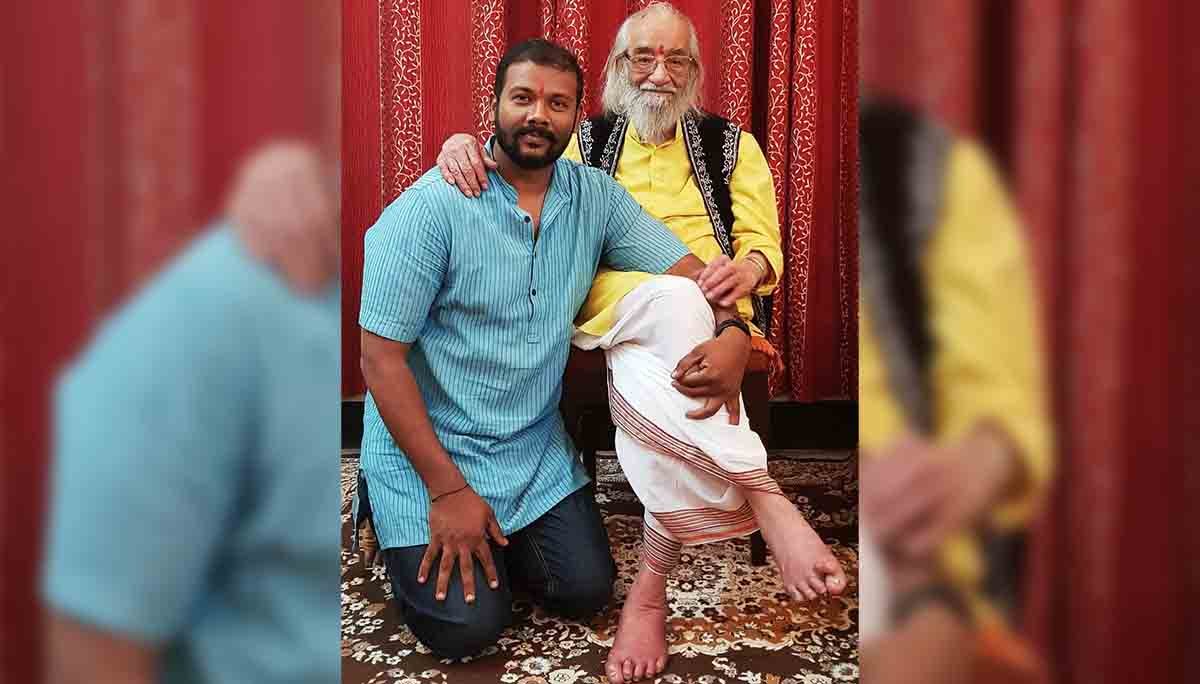
Shailesh Suresh Varkhade, Shailesh Varkhade, babasaheb, babasaheb purandare, purandare, shivshahir, shivaji, shivaji maharaj
Babasaheb Purandare mentored many students to research the history of Shivaji 11

I remember about twenty-two years ago on the day of Nag Panchami in the early morning, respected Shivshahir Babasaheb while coming down the stairs raised his right-hand fan and looked at me and said “Milk to Nagoba!” (Where is milk for snake cobra)

With this humorous remark, I couldn’t control my smile at that moment. Babasaheb’s presence, calm and unassuming face, the attitude of endorsing the people, the loving face with a steady soft smile, fair skin, eloquent eyes, golden hair flowing from the neck and feet constantly moving and moving in the research of Shivshahi. Babasaheb enriched countless students like me.

Take any historical event while studying, his handiwork to narrate it along with the author was something else. Even going to the root of the event and presenting it in front by referring to its various layers of historical documents. Babasaheb said, “When looking at a historical event, one can make a proper arrangement only by studying its contemporary documents, for that, treat different contemporary tools! Only then the way to get closer to the truth will be easy! It is necessary to continuously observe the culture and dialect of that time. It is only on the trinity of thought process, study and contemplation that a historian should deepen.”

I took this leap in the historical ocean of Shiv Charitra, in which Babasaheb was immersed throughout his life. I followed the Shiv Charitra and wandered around all the places where Shivaji Maharaj lived. I have experienced his mastery of the Marathi language but I have never seen anyone with a memory like him. Even during the journey, he used to have the knowledge of going to any village in every nook and corner of Maharashtra, which villages are next and from which village we visited. If a place has historical importance, the events that happened at that place, the details that complement it, and its references easily come out from the lips of the Saheb.

I was always a listener and follower of Babasaheb’s oratory, but when I experienced it in person, it created even more goosebumps. I witnessed the crowd listening to Babasaheb’s speech with full concentration and pin-drop silence, as he always used to bring people in the historic era.

I never got tired of hearing the same incident over and over again. Reverend Babasaheb used to have a very big dream, he used to tell me “Don’t eat chickpeas even in your dreams, eat almonds and pistachios! Always have a visionary approach! Have the strength to leap beyond the universe in any field!” The creation of Shivashrushti (monument of Shivaji Maharaj’s life events) in his mind has actually come down on paper after enduring numerous difficulties. The creation of Shivsrushti near Pune come into reality due to Babasaheb’s efforts, 25% of work has been completed till now. Even though respected Shivshahir Babasaheb Purandare is physically not with us today, he will continue to live in us through this Shivashrushti creation.

– Shailesh Suresh Varkhade

Samples of deceased Kerala man come out positive for monkeypox

monkey
Representative Image

Samples of a 22-year-old man, who died in Kerala on July 30, have come out positive for monkeypox on Monday, official sources said.

The man had recently returned from the UAE where also his samples had tested positive for the disease, the sources said.

Apparently, his samples were taken in the UAE on July 19 and he returned to India on July 21 and was admitted to a hospital in Thrissur on July 27.

His samples were sent for testing to the National Institute of Virology (NIV) in Pune.

“The results came out positive on Monday,” the sources said.

According to the relatives of the deceased they were informed on July 30 — the same day the patient died — that his samples taken in UAE had also tested positive, the sources said.

Kerala Health Minister Veena George on Sunday said the health department will  examine the reasons behind the death of the man.

The patient was young, did not suffer from any other illness or health problems and therefore, the health department was looking into the cause of his death, she said.

        George said they will also be examining why there was a delay in his hospitalisation after he arrived from the UAE on July 21.

        “This particular variant of monkeypox is not as highly virulent or contagious like COVID-19, but it does spread. Comparatively, the mortality rate of this variant is low. Therefore, we will examine why the 22-year-old man died in this particular case as he had no other illness or health problems,” the minister had said.

 Since this variant of monkeypox does spread, all necessary measures have to be taken to prevent the same, she added.

According to the WHO, monkeypox is a viral zoonosis — a virus transmitted to humans from animals — with symptoms similar to smallpox although clinically less severe.

Monkeypox typically manifests itself with fever, rash and swollen lymph nodes and may lead to a range of medical complications. It is usually a self-limited disease with symptoms lasting for two to four weeks.

The ‘Guidelines on Management of Monkeypox Disease’ issued by the Centre, stated that human-to-human transmission occurs primarily through large respiratory droplets generally requiring prolonged close contact.

It can also be transmitted through direct contact with body fluids or lesions, and indirect contact with lesion material such as through contaminated clothing or linen of an infected person. Animal-to-human transmission may occur by bite or scratch of infected animals or through bush meat preparation.

The incubation period is usually from six to 13 days and the case fatality rate of monkeypox has historically ranged up to 11 per cent in the general population and higher among children. In recent times, the case fatality rate has been around three to six per cent.

The symptoms include lesions which usually begin within one to three days from the onset of fever, lasting for around two to four weeks and are often described as painful until the healing phase when they become itchy. A notable predilection for palm and soles is characteristic of monkeypox, the guidelines stated. 

Navis of India and France conduct joint exercise in Atlantic

INS tarkash
INS Tarkash

The Indian Navy’s guided-missile frigate INS Tarkash, while on her long-range overseas deployment, conducted a Maritime Partnership Exercise (MPX) with French naval ships in the North Atlantic Ocean on July 29 and 30. 

INS Tarkash and French Fleet Tanker FNS Somme carried out a replenishment at sea, followed by cooperative air operations with the maritime surveillance aircraft Falcon 50, taking part in several mock missile engagements and air defence drills.

The successful conduct of these surface and aerial exercises symbolise the high degree of professionalism and interoperability that exists between the two navies. 

India and France are maritime nations with dynamic maritime economy sectors like marine technology and scientific research, fisheries, port and shipping, to name a few. Possessing vast exclusive economic zones, their fate is closely linked to the sea and the ocean.

Earlier on July 29, INS Tarkash completed her Mediterranean deployment and entered the Atlantic to continue with her long-range voyage.

According to the Indian Navy, the ship participated in a Maritime Partnership Exercise in the Atlantic with Royal Morocco Naval Ship Hassan 2, a Floreal Class Corvette on July 26.

Exercises conducted included man overboard drills, visit board Search and seizure operations, approaches for replenishment at sea, tactical manoeuvres and helicopter cross deck landings. 

Notably, INS Tarkash is on her passage to South America to visit Rio Di Janeiro, Brazil to hoist the National Flag on August 15, as part of Azadi Ka Amrit Mahotsav.