Fans often rave about superstar Shah Rukh Khan’s sweet gestures. Author Rohan Mukherjee recently shared a photo accompanied by an interesting story about King Khan’s politeness about the time his father met the actor at a wedding.
Mukherjee posted a photo clicked three years ago from a wedding in which the author’s father bumped into Shah Rukh Khan.
When Mukerjee”s dad told Shah Rukh Khan that Mukherjee had gone to the same school as the actor, SRK said, “that’s great we should take a selfie”. When Rohan’s father said that he doesn’t know how to take one, SRK volunteered to take the selfie himself.
“My dad just told me he met Shah Rukh Khan at a wedding and said my son went to the same school as you (true), and SRK said that’s great we should take a selfie, and my dad said I don’t know how, and SRK said don’t worry I got this. I found this out today, three years later,” tweeted Mukherjee.
Soon after Mukherjee tweeted the picture, King Khan’s kind gesture drew in a lot of praise from his fans as netizens appreciated the actor’s gentle behaviour
“Shah Rukh Sir such a humble man. Many times he is seen on TV with ordinary people, his fans, physically challenged, and senior citizens. He is so humble and loveable. Salute to Sir SRK,” tweeted another. “That’s so cool! He’s such a gem. I am deeply envious of your father.” wrote a third Twitterati. Meanwhile, on the film front, Shah Rukh Khan is busy shooting for his upcoming film ‘Jawan’. Helmed by Atlee Kumar, ‘Jawan’ is produced by Gauri Khan, and presented by Red Chillies Entertainment. The first look poster of the film shared by Shah Rukh has already created quite a buzz, especially with King Khan’s uncanny look. ‘Jawan’ is set to hit the theatres on June 2, 2023, across five languages – Hindi, Tamil, Telugu, Malayalam and Kannada. Khan is currently busy with two other projects – Siddharth Anand’s ‘Pathan’ starring Deepika Padukone and Rajkumar Hirani’s ‘Dunki’ opposite Tapsee Pannu.
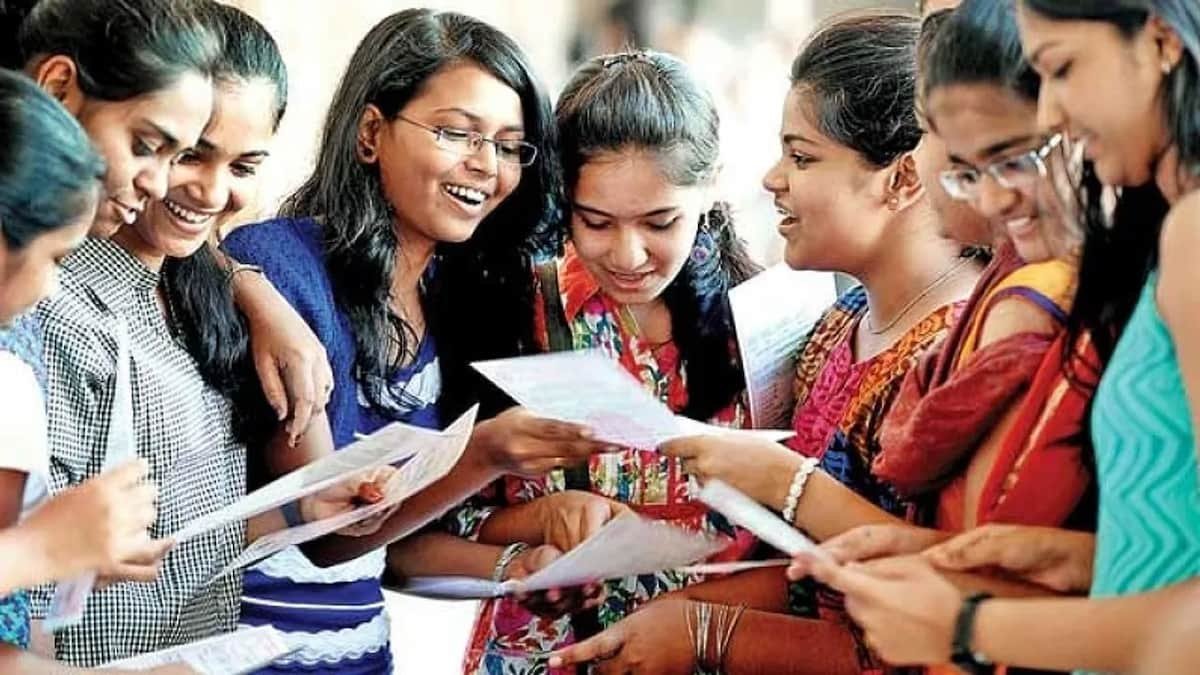
The results of secondary schools’ certificate (SSC, std X) board examinations were announced on Friday. 3.41 lakh students in the Mumbai division passed. Across the state 15.21 lakh passed.
The exam was conducted in the nine divisions of the state board including Pune, Mumbai, Amravati, Nagpur, Latur, Aurangabad, Konkan, Kolhapur and Nashik.
The pass percentage has improved by 1.64% as compared to 2020 when exams were conducted offline. The pass percentage was 99.95% last year in 2021 when exam evaluation was based on internal marks due to Covid.
Maharashtra recorded a pass percentage of 96.94 %in the secondary school’s certificate (SSC – Class 10) board examinations. The results were announced by the chairman of the Maharashtra state board of secondary and higher secondary education on Friday.
India, Indonesia renew deal on visa waiver on diplomatic passports 4
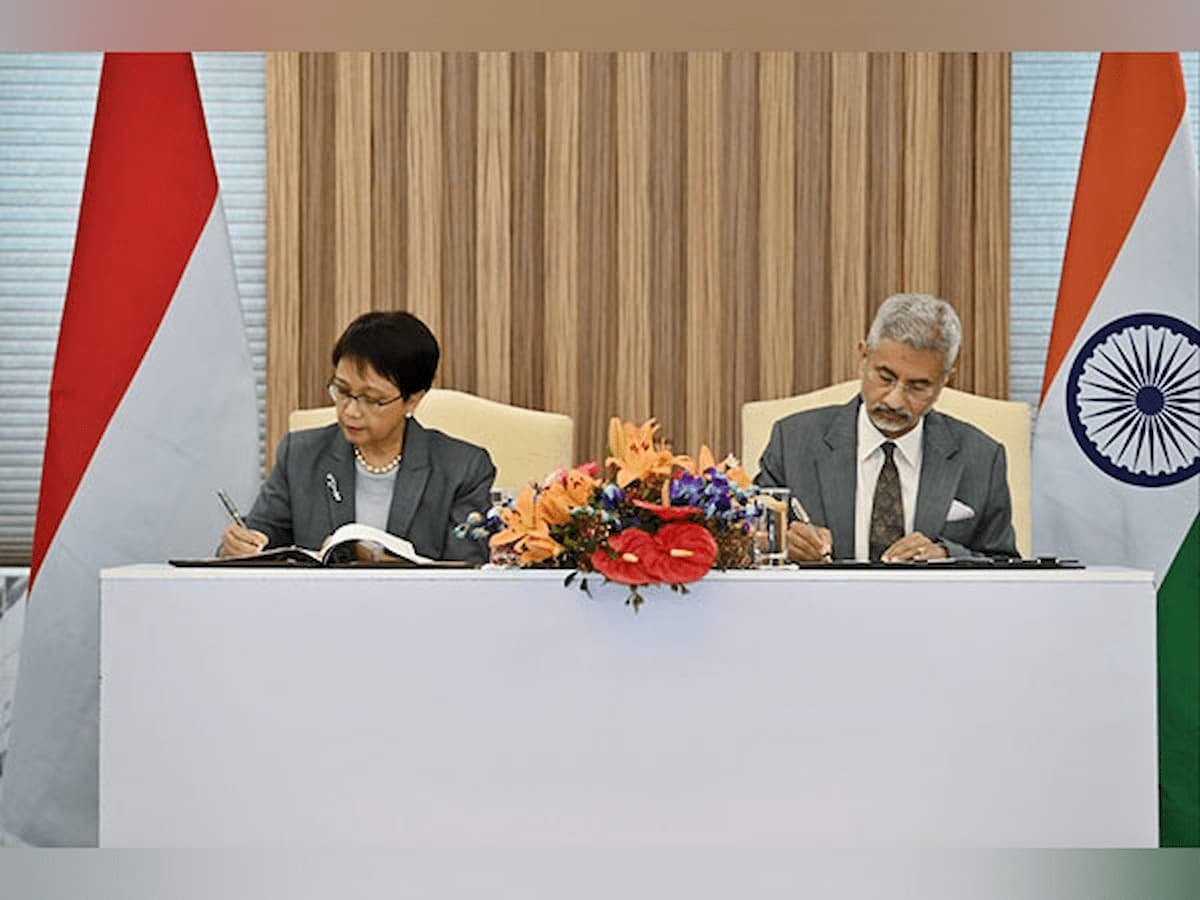
India and Indonesia renewed the agreement on visa waiver on diplomatic and official passports, said the External Affairs Ministeron Friday.
This deal was renewed during the 7th India-Indonesia Joint Commission Meeting held in New Delhi.
Taking to social media the EAM S Jaishankar tweeted, “Just concluded a productive 7th India-Indonesia Joint Commission Meeting with FM Retno Marsudi. Renewed our agreement on visa waiver on diplomatic and official passports and witnessed exchange of agreements that will further strengthen our counter-narcotics and trade cooperation.”
During the meeting, the EAM Jaishankar and his counterpart from Indonesia Retno Marsudi also exchanged views on the India-ASEAN partnership and the cooperation of the countries in the UN and G20.
The two countries also discussed the regional and global issues including Indo-Pacific, Afghanistan, Myanmar and the repercussions of the Ukraine conflict.
India hosted the Special ASEAN-India Foreign Ministers’ Meeting (SAIFMM) on June 16 and 17, marking the 30th anniversary of India-ASEAN dialogue relations and the 10th anniversary of the country’s strategic partnership with ASEAN.
The ASEAN Foreign Ministers, ASEAN Secretary-General and Representatives of Foreign Ministers along with Dr Jaishankar today addressed the Ministerial Session of the twelfth edition of Delhi Dialogue (DDXII) which focuses on 30 years of ASEAN-India relations with the theme ‘Building Bridges in the Indo-Pacific’.
Launched in 2009, Delhi Dialogue is India’s premier annual Track 1.5 Dialogue, which aims to strengthen ASEAN-India relations in the context of the contemporary global and regional scenario. India hosted ASEAN Foreign Ministers and Secretary-General for a Special ASEAN-India Foreign Ministers’ Meeting (SAIFMM) to commemorate 30 years of ASEAN-India Dialogue Relations. The SAIFMM was co-chaired by EAM Jaishankar and Dr Vivian Balakrishnan, Minister of Foreign Affairs of the Republic of Singapore.
The Association of Southeast Asian Nations (ASEAN) is a grouping of 10 member countries – Brunei, Cambodia, Indonesia, Laos, Malaysia, Myanmar, the Philippines, Singapore, Thailand, Vietnam and India.
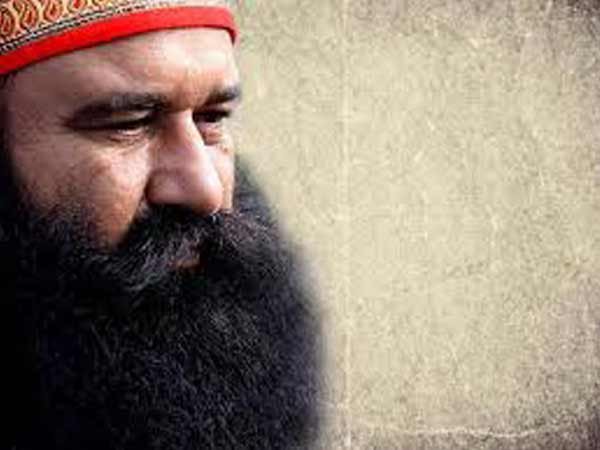
Dera Sacha Sauda chief Gurmeet Ram Rahim Singh who is serving a jail term after being convicted in rape and murder cases has been granted parole for a month on Friday.
Singh has been incarcerated, since 2017, in Haryana’s Sunaria jail where he is serving 20 year-term for raping two women disciples at his ashram’s headquarters in Sirsa.
Earlier in February, the Dera chief was granted three weeks’ furlough.
While parole means the release of a prisoner either temporarily for a special purpose or completely before the expiry of a sentence, on the promise of good behavior, a furlough is a short-term temporary release of convicts from jail.
He was convicted by a special CBI court in Panchkula in August 2017 for raping two women followers.
While, on October 8, 2021, the court convicted Rahim and four others in connection with former Dera manager Ranjit Singh’s murder case.
Ranjit Singh was murdered in 2002 on the premises of Dera Sacha Sauda.
European Commission proposes making Ukraine an EU membership candidate 7
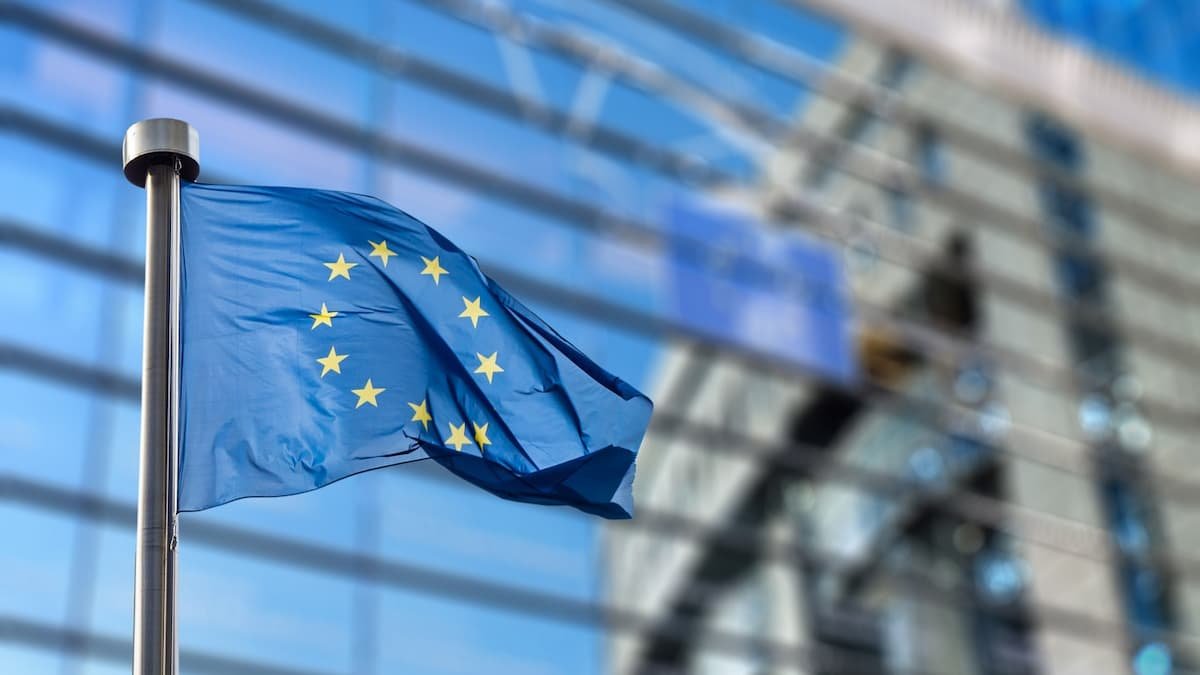
The European Commission proposes to give Ukraine the status of a candidate for EU membership, EU Commission chief Ursula von der Leyen said on Friday, adding that this was on understanding that Ukraine carry out a number of reforms.
“Ukraine has clearly demonstrated the country’s aspiration and the country’s determination to live up to European values and standards,” she told reporters in Brussels.
For her statement, von der Leyen wore Ukraine’s colours, a yellow blazer over a blue shirt.
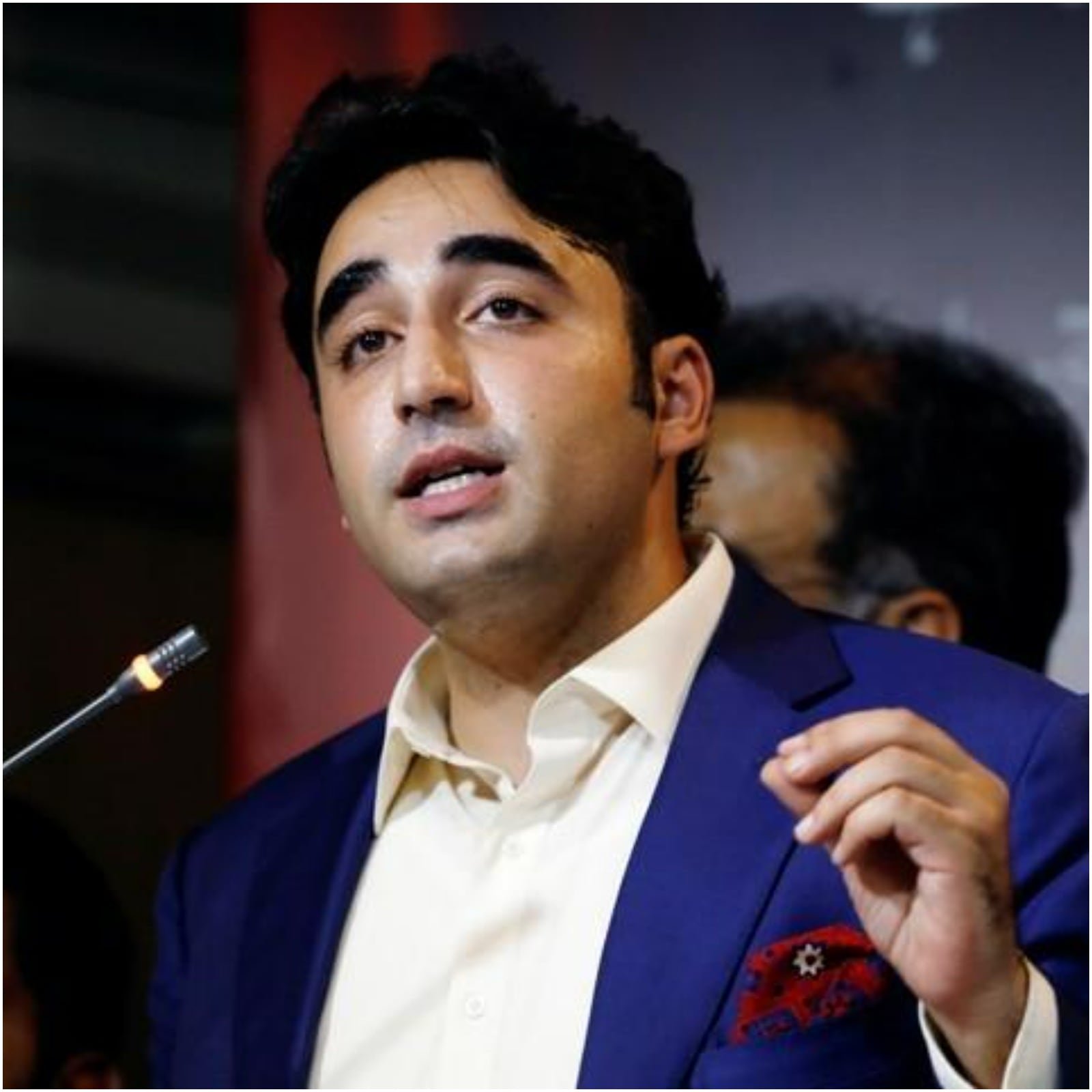
Pakistan Foreign Minister Bilawal Bhutto-Zardari on Thursday emphasised the country’s interest in trade and engagement with India saying that Pakistan was isolated on the world stage due to past policies.
Pakistan once again shows interest in India for trade 9
“Despite a “long history of war and conflict” and the Indian government’s actions in occupied Kashmir and its anti-Muslim agenda, it was not in Pakistan’s interest to remain disengaged,” Bilawal said while speaking at the Institute of Strategic Studies Islamabad, a government-funded think tank, the Dawn reported.
Referring to the former government of Pakistan-Tahreek-i-Insaf (PTI), he said that the coalition government had inherited an “internationally isolated and internationally disengaged” country, adding “But it was time for pivoting to economic diplomacy and focusing on engagement.”
“Do we achieve our objectives, whatever they may be; be it Kashmir, be it the rising Islamophobia, be it the Hindutva sort of supremacist nature of the government in India. Does it serve our objective?” Bilawal said.
He highlighted the abrogation of Article 370 in Kashmir and said, “these issues remained the “cornerstone” of Pakistan’s narrative and the government was taking them up “in the most serious and most aggressive manner,” the Dawn reported.
“We have practically cut off all engagement” with India, the Dawn quoted Bilawal as saying. Bilawal further said that if Pakistan had achieved economic engagement with India in the past, it would have been in a better position to influence Delhi’s policy and prevented both countries from taking extreme positions.
The relationship between the two countries worsened in 2019 after India revoked the special status of Jammu and Kashmir by scrapping Article 370 and bifurcating it into two union territories, Jammu and Kashmir, and Ladakh. Since then diplomatic ties have been downgraded, bilateral trade suspended and there has been no structured dialogue.
Earlier, Pakistan Prime Minister Shehbaz Sharif said that as part of its shift from geo-strategy to geo-economics, Pakistan is looking to forge partnerships, especially within the region, based on connectivity, which apparently includes New Delhi.
“Pakistan and India have a lot to gain from mutually beneficial trade,” he said as quoted by Dawn. “We are cognisant of the economic dividends that can be accrued from a healthy trade activity with India,” the Prime Minister said further.
It is to be noted that after coming to power in Pakistan in early April, Shehbaz Sharif has written a letter to Indian Prime Minister Narendra Modi expressing his desire for peaceful ties with India and the resolution of all the outstanding issues.
Meanwhile, Bilawal also stressed the country’s problematic diplomatic relations with the United States, which were affected after the ousted Pakistan Tehreek-i-Insaf government (PTI) accused the United States of collaborating with the opposition parties to remove it from office, the Dawn reported.
PTI chief and former prime minister Imran Khan ran an aggressive campaign after being deposed by a no-confidence vote in parliament, calling for freedom from the “slaves of foreign powers”. This heightened anti-Americanism in the country, the dawn reported.
However, the diplomatic relations between Pakistan and United States were resumed after Bilawal Zardari met the US Secretary of State Antony Blinken in New York on the sidelines of the food security conference.
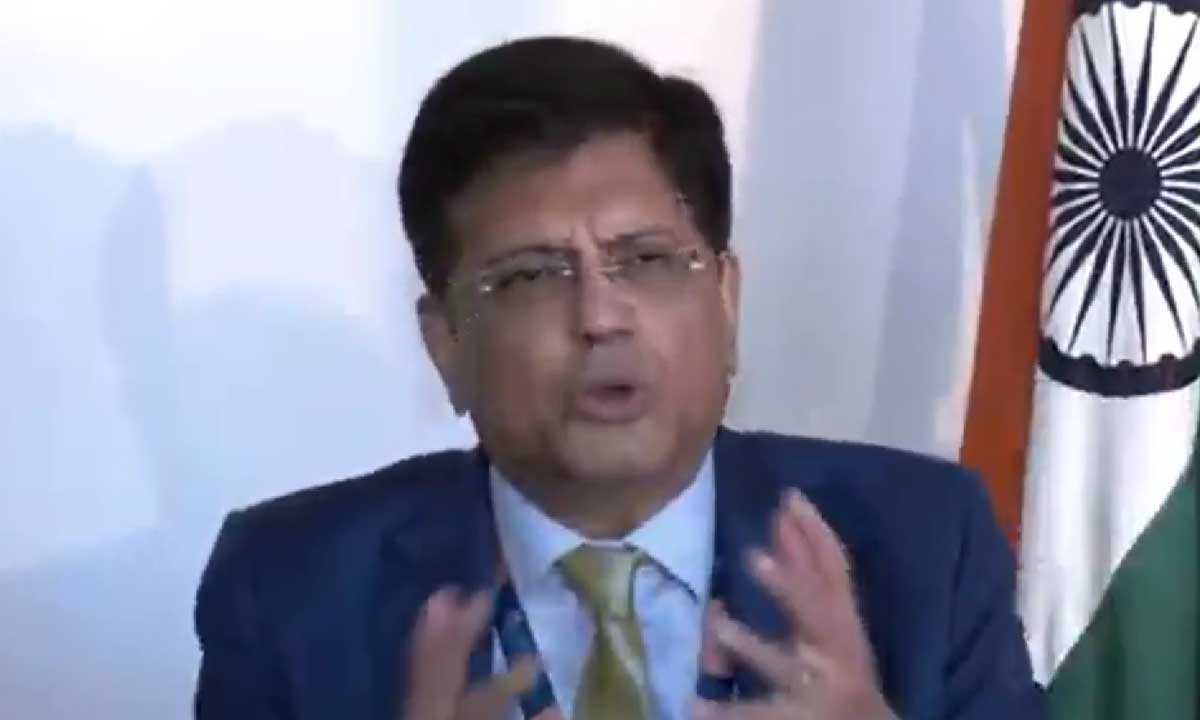
India took the lead and turned the tide of negotiations from failure, gloom and doom to optimism, enthusiasm and consensus-based outcome, said the Union Minister of Commerce and Industry Piyush Goyal while addressing a press conference at Geneva. Stating that it is a proud day for 135 crores of Indians at the WTO today, Goyal, after the conclusion of the WTO 12th Ministerial Conference in Geneva today, said that India took the lead and was at the centre of the conference.
“It turned the tide of negotiations from full failure, gloom and doom to optimism, enthusiasm and consensus-based decision. India’s efforts to bring members to a table to discuss issues irrespective of the existing geopolitical order has ensured that the world order is not broken.” Terming the just concluded MC12 as an “outcome-oriented” success, Goyal said the Indian delegation, guided constantly by Prime Minister Narendra Modi, has been 100 per cent successful in portraying before the world the priority issues for India and the developing world.
He admitted that India and the Developing countries accepted certain compromising decisions when the WTO was established 30 years ago and during the Uruguay Round of negotiations and said, “India today bats on the front foot rather than being fearful on various issues be it Environment, Startups, MSMEs or gender equality. This is a result of the confidence in New India. India is able to build consensus and get a Win-Win outcome for the world.” “Few countries attempted to create false campaign, initially on Sunday and Monday, that India is obstinate due to which no progress is being made. The real situation has emerged before us all, the issues raised by India, on which Prime Minister had asked us to focus upon, now the whole world acknowledges that was the correct agenda and ultimately India played a vital role in arriving at all solutions,” Goyal added.
Goyal told the press conference that India has been able to secure a favourable outcome at the WTO after many years, despite a strong global campaign against our farmers and fishermen. “Today as we return to India there is no issue on which we have to be the least concerned, whether it is related to Agriculture such as MSP, reinforcing the relevance of the Public Stockholding Programme towards fulfilling the National Food Safety Programme or PM Garib Kalyan Scheme, TRIPS Waiver, e-Commerce moratorium, response to covid and fisheries,” Goyal said.
“Similarly there have been no restrictions on fishing that our fishermen were deeply concerned about, that would bind artisanal and traditional fishermen of India in the future. India has been cent per cent successful; no restrictions or terms have been placed on India or the Government, rather we have been successful in introducing checks on illegal fishing, under-reporting or outside regulation, viz IUU fishing,” he added. Speaking of the World Food Programme, Goyal said that India remains committed to supporting the World Food Programme (WFP). He said the Government has imposed no export restrictions on WFP purchases for food security in other countries; however, domestic food security takes priority, citing India’s recent wheat supplies to Afghanistan.
Commenting on the global fight against the Covid-19, the Union Minister said the Trade-Related Aspects of Intellectual Property Rights (TRIPS) decision will boost vaccine equity, accessibility and affordability. It will enable ease of authorisation for the production of patented vaccines and India can produce for domestic requirements and exports. He also highlighted the WTO Reforms agenda, and said, “The basic structure and core principles of WTO including Consensus, S&DT provisions, SDG goals, will be retained while making it more contemporary. “I believe it will be good for the WTO, and will be good for the Developing and Under-Developed countries in the future and foster global trade through transparent means.”
Goyal concluded that India’s motto of ‘Vasudhaiva Kutumbakam’ echoes in the WTO, India not only raised its issues but raised the issues of other developing countries, Least Developed Countries (LDCs), poor and vulnerable with sensitivity and fought bravely for their cause.
As the Maharashtra State Board results for SSC have been announced, Students can check their results through the official website. You can follow the below steps to check your results
Step two click on “SSC Examination March 2022 Result”
Step three enter your SSC roll no and mother’s first name which was mentioned in the hall ticket
Step four click on view result and you can print the result by clicking on the print button.
In the current year, a total of 96.64 Per cent of students clear the exam. Out of which the girls surpass boys by 1. 90 Per cent. Where total of 97.96 Per cent girls pass and boys passing per cent is 96.06. Zonal wise passing per cent, Konkan has a passing per cent of 99.27 Per cent. You can check the zonal list below.
DIVISION
Percentage
Pune
96.96
Nagpur
97.00
Aurangabad
96.33
Mumbai
96.94
Kolhapur
98.50
Amravati
96.81
Nasik
95.90
Latur
97.27
Konkan
99.27
Zonal-wise passing per cent
A total of 5.316 per cent of candidates have scored 90 and more percentage and more than 70 per cent of students scored between 60 to 90 per cent.
Technology can be sometimes in public jeopardy? 13
Despite the government’s persistence may not be as clear-cut as a case of state domination and over-reach. It turns out that the Indian government might be right to fear that technology, for all the very real benefits it’s brought India, could also help to magnify ancient communal tensions in a way that costs lives and, perhaps even worse, might destabilize the delicate social balance within the world’s second-largest country. Technology didn’t cause any of this, of course. But social media and text messaging, both of which are becoming increasingly common in the reaches of India’s enormous lower and middle classes, accelerated the flow of rumours and of inflammatory images.
The government, unable to counter the destabilizing rumours, shut down some of the means of their dispersal. Whether the Indian government’s censorship does anything to calm this crisis, their apparent desperation is understandable. Still, India’s willingness to censor the web is part of the government’s longer-running effort to standardize the Internet, to which Western governments and web freedom advocates have persistently objected. Some of India’s sweeping restrictions compel web companies like Google and Facebook to self-police and then self-censor, any content that could be perceived as profane or offensive to ethnic groups.
In the recent past #censorship was a big debate on social networks; the social network authorities deactivate or block these days. Censorship in India, which involves the suppression of speech or other public communication, raises issues of freedom of speech, which is protected by the Indian constitution. A classic example of censorship in India is the Central Board of Film Certification or Censor Board, which comes under the purview of the Ministry of Information and Broadcasting. The Board regularly orders directors to remove anything it deems offensive or subjects considered to be politically subversive.
The Cinematograph Act, of 1952 governs the censorship of films. It assigns certification as Universal, Adults, and Parental Guidance to films in India before the public exhibition. The Indian government has earlier blocked around 250 websites, ordered Google and Facebook to pull content, threatened legal action against Twitter if it doesn’t delete certain accounts, and has arrested several people for sending provocative text messages, all in the name of public safety.
Web freedom activists distinguish this as little more than an excuse for online authoritarianism, and they’re probably often correct. We cannot isolate ourselves from this but can make a safe distance to access genuine information. A parallel system needs to strict its security norms so that any state against information and data is not within the reach of the common citizen of the country.
Being a person from Cyber Security, I know how much it is for us to fool inexperienced people on the internet and then use those resources to do something illegal and improper. There should be a body which will not only work towards the security of cybercrime in government and Militant organizations but also work towards enforcement of awareness of cybercrime. It is always better to take precautions.
A rapidly increasing two-edged sword, social media has created a vibrant online community and widened public discourse, allowing a platform for activists with a thousand causes. On the flip side, it has also become a vehicle for skewered misinformation. The perspective of an individual using a social networking site enigmatically is much more in a social networking site than in a social media. There is no procedure for registration and ownership. And so there is no way to pin down the culprits.
Censorship has become a weapon in the hands of the State to make people agree with its ideology. Now is the time to look into the role that healthy criticism, analysis, and cinema literacy, posts, cartoons, blogs or tweets rather than relying on controllers that act as moral police can play, stopping the dissent. Information technology seems to be the latest weapon for waging proxy wars.
Countries have borders and restrictions on each other’s jurisdiction, but cyberspace has no boundaries. The recent NE exodus was a disastrous moment for Indian Citizens and the Government. With 2-3 online users and a couple of hours of editing work, various groups could trigger the most massive internal exodus of People in India and nationwide protests. Most of the public who does this assumes that they do this with a false sense of secrecy.
While Cyber War between India and Pakistan is not new, something limited it to hack off each other’s websites. Interestingly, this time it may not have been carried out by so-called hackers. Since it was easier to spread hatred than to block websites, 4-to 5 social media addicts have carried the whole episode out. The law is there to prevent this, but enforcement is far from adequate. There are many such instances and evidence that one country rages its anger or one particular religion condemns another religion, hurting its sentiments online.
But we did not do so. It was our prejudice and lack of unity that contributed to the success of the mischief-mongers. To control the situation and stabilize the country, the Government opted for censorship. There is no point in blaming the government. At least the educated should take pains to verify the truth. Pointing a finger at Pakistan will not solve the problem. The crisis has brought social media to the forefront, relegating the print and electronic media to the background. Perhaps it is one more revolution in the history of humanity. People today believe in non-stop, one-to-one communication/conversation, rather than the mass media. Anyway, censorship might help control the situation, but this will remain superficial to the problems that the country is facing.
Making people aware of the “cyber threat” takes an hour but censorship can’t be the exact way out. India really requires proper systems to be adopted in order to be safe or else this might really create colossal disasters in the future. In the information age, we cannot lock our cyberspace because it is one of the primary tools for the sustainable development of the state. But curbing cyber-attack in any form, either cyber war or putting illegitimate material on the web has really become necessary around the globe. Though we are having strict policies, we are still not guarding our information web properly and which causes recent NE exodus-type events.
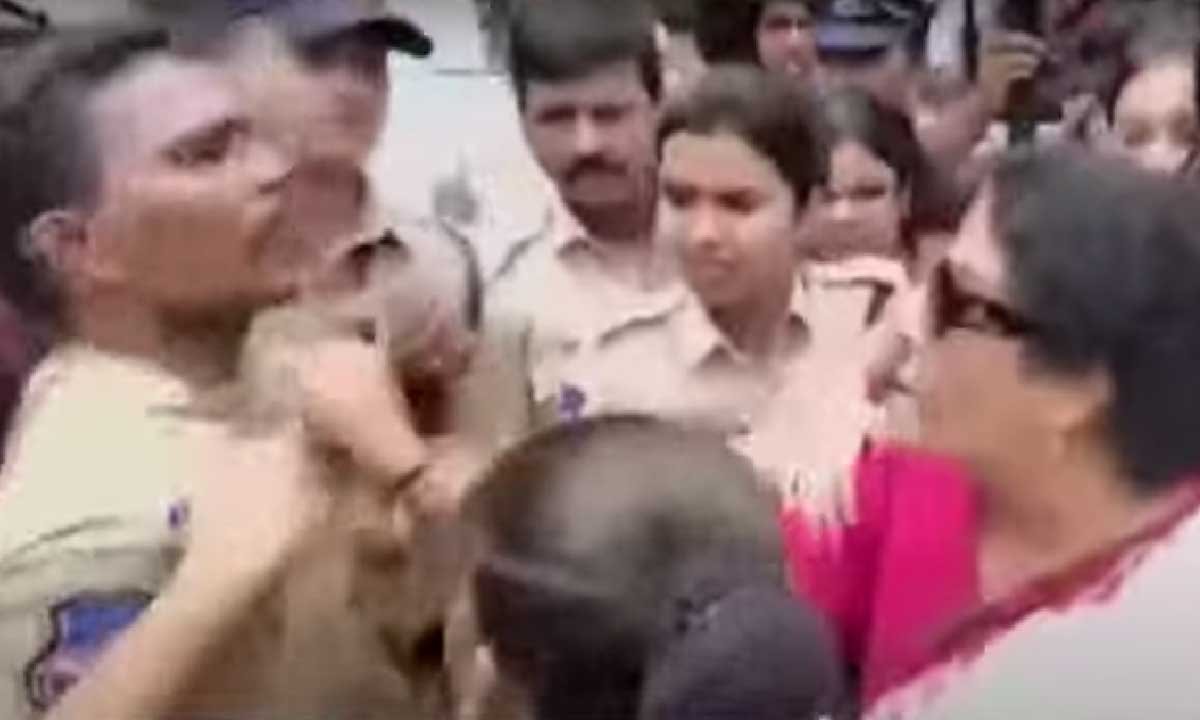
In an attempt to resist detention during the Congress party’s protest over the Enforcement Directorate (ED) summons to Rahul Gandhi, party leader and former union minister Renuka Chowdhury on Thursday held a policeman by his collar while being taken away by other police personnel here in Hyderabad. Telangana Congress held a massive protest here today over the ED investigating Rahul Gandhi in the National Herald case. Several Congress workers and leaders were detained by the police.
Chowdhury was seen engaging in a heated argument with the policeman as she held his collar. Women police personnel then dragged the former union minister towards the police van. Congress had given a “Chalo Raj Bhavan” call and at Telangana’s Raj Bhavan police detained several party workers who attempted to stage a protest there.
“The protest is our right. We will fight for justice. They (ED) are not taking cases of any BJP leaders. They are harassing only Congress people,” Karnataka Congress chief DK Shivakumar told ANI.
Bengaluru witnessed traffic snarls and an ambulance was seen stuck in the traffic.
Bengaluru Police said the Congress protest was against the High Court’s order.
“High Court had earlier ordered that protests will not be held anywhere except Freedom Park. We conveyed it to them. They gave us in writing about protest but we rejected it. We conveyed it to them in the morning too. If they proceed, we will take them into preventive custody,” Bheemashankar S Guled, Deputy Commissioner of Police, Bengaluru East told ANI.
Meanwhile, Congress workers also held a protest in Chandigarh against the questioning of Rahul Gandhi by ED. Several workers of the party were detained by police.
“I cannot understand what has Rahul Gandhi done that he has been called for 3 days? Yesterday, Delhi Police barged into AICC office and beat up our MPs. Such vendetta politics has never been seen before. Government should not try to suppress voices,” Punjab Congress chief Amarinder Singh Warring said.
“We will continue protesting. We were going to Raj Bhavan. Congress party stands with Sonia and Rahul Gandhi. We will not step back. We will not be scared,” said a Congress worker.
Congress workers also staged a demonstration in Chennai and Jaipur.
“They want to suppress Rahul Gandhi’s voice. They can’t scare Indira Gandhi’s grandson with lathis. Congress will be the reason behind BJP’s end,” said Rajasthan Minister P Khachariyawas.
Police used water cannons and tear gas to disperse Congress workers protesting in Thiruvananthapuram over the ED probe against party leader Rahul Gandhi in the National Herald case.
Rahul Gandhi has been asked to rejoin the probe on Friday by the Directorate of Enforcement (ED) in connection with the National Herald case, said sources. The Congress leader left the ED office after 9 pm on Wednesday after he appeared before the ED for the third consecutive day for questioning.