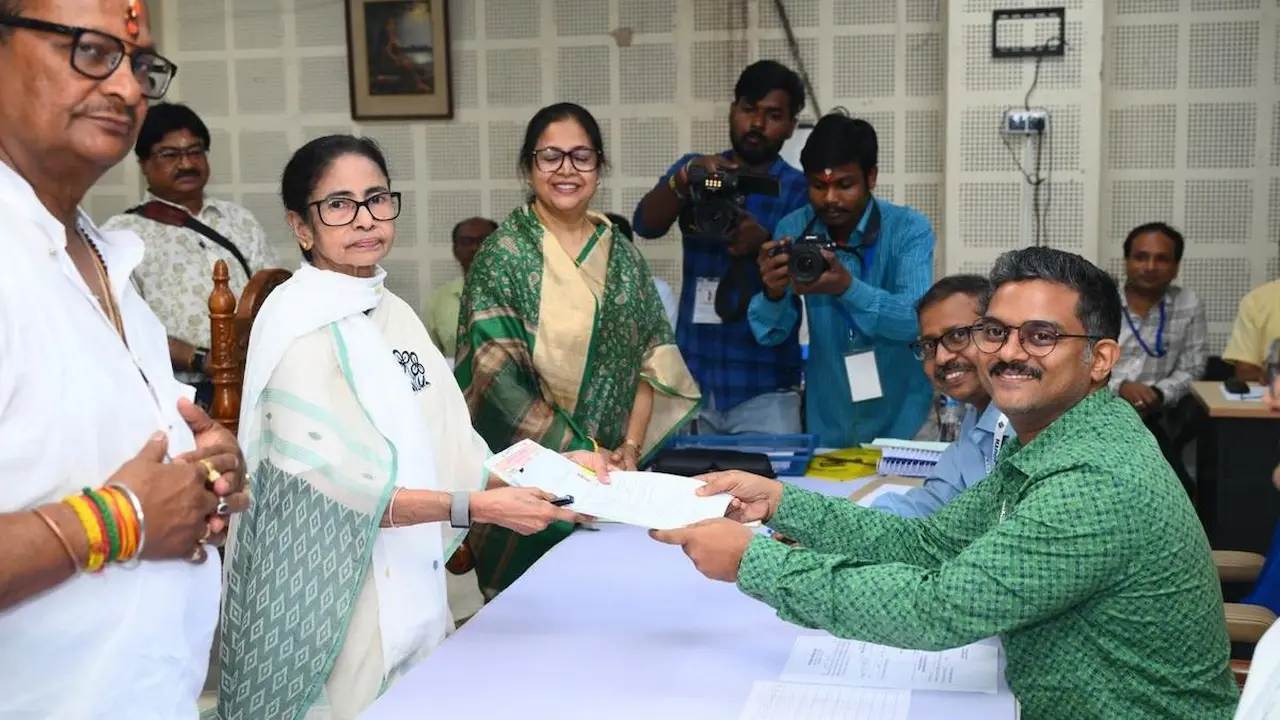
West Bengal Chief Minister Mamata Banerjee on Wednesday filed her nomination papers from the Bhabanipur Assembly constituency in South Kolkata, with her list of proposers reflecting the area’s diverse and cosmopolitan character.
The proposers named in her nomination include Ismat Hakim, wife of Kolkata Mayor Firhad Hakim, representing the Muslim community; Nishpal Singh Rane, husband of actor and Trinamool Congress MP Koel Mallick, representing the Punjabi community; local TMC leader Bablu Singh, representing Biharis; and Bhabanipur Education Society representative Miraj Shah, representing Gujaratis.
Banerjee began her day from her residence on Harish Chatterjee Street and led a roadshow to the Alipore Survey Building, where she submitted her nomination. She was accompanied by senior party leaders, including Firhad Hakim, her family members, and local representatives, as thousands of supporters gathered along the route.
Speaking to the media after filing her nomination, Banerjee expressed deep emotional ties with the constituency. “My entire life has revolved around Bhabanipur. I have lived here since childhood and will continue to stay here. I bow to the people of Bhabanipur,” she said.
Police deployed security measures and barricaded parts of the route to manage the large crowd during the procession.
The Bhabanipur contest is expected to be closely watched, with Banerjee facing Leader of Opposition Suvendu Adhikari, who is also contesting from his stronghold Nandigram in East Midnapore district.
In the 2021 Assembly elections, Adhikari had defeated Banerjee in Nandigram by a narrow margin of less than 2,000 votes. Banerjee later secured victory in a by-election from Bhabanipur, enabling her to continue as Chief Minister for a third consecutive term.
Belgian Court Backs Mehul Choksi's Extradition to India on 6 Charges 4
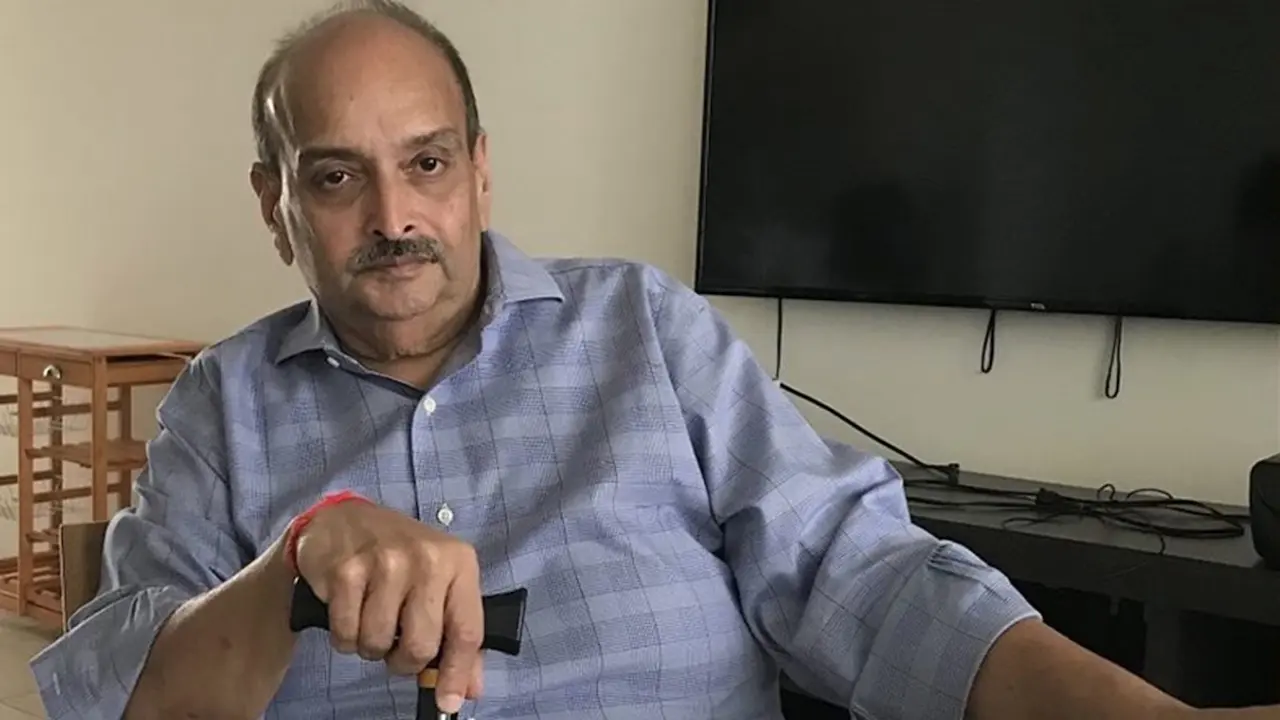
The Antwerp Court of Appeal has advised the Belgian government to approve the extradition of fugitive diamantaire Mehul Choksi to India on six of the seven charges against him, marking a significant development in the long-running Punjab National Bank fraud case.
In its April 3 recommendation, the court’s chamber of accusation stated that offences including criminal conspiracy, breach of trust, fraud, forgery of accounts, embezzlement, and criminal misconduct are punishable under Belgian law, thereby meeting the requirement of legal reciprocity for extradition.
However, the court declined to support extradition on the charge of “tampering or destroying evidence”, noting that the offence is not punishable under Belgian law.
As per Belgian procedure, the court’s confidential advice has been forwarded to the government, which will take the final decision on India’s extradition request.
The court also observed that there was no direct evidence linking the Indian government to Choksi’s alleged abduction from Antigua and Barbuda in 2021. It added that claims made by the defence regarding risks of torture, denial of justice, or inhumane treatment were not sufficiently substantiated.
The bench further noted that the charges against Choksi are neither political nor military in nature and are not barred by statutory limitations under either Indian or Belgian law. It also found no indication that he would face discrimination or unfair prosecution in India.
The ruling comes after Belgium’s Court of Cassation had earlier rejected Choksi’s appeal against extradition in connection with the ₹13,000 crore Punjab National Bank scam.
India had formally submitted its extradition request in August 2024, backed by arrest warrants issued by a Mumbai court. Belgian authorities had subsequently validated the enforceability of these warrants, except for the charge related to destruction of evidence.
The court reiterated that Choksi had failed to provide credible proof of a real risk of torture or denial of a fair trial if extradited, while also taking note of assurances given by India regarding his safety, prison conditions, and legal rights.
With the legal process largely cleared, the final decision now lies with the Belgian government, which will determine whether Choksi is extradited to face trial in India.
An Indore family court has granted divorce to the wife of jailed rape convict Narayan Sai, directing him to pay ₹2 crore as permanent alimony within three months, her lawyer said.
Narayan Sai, the son of self-styled godman Asaram, is currently serving a life sentence in a rape case and is lodged in a jail in Gujarat’s Surat district.
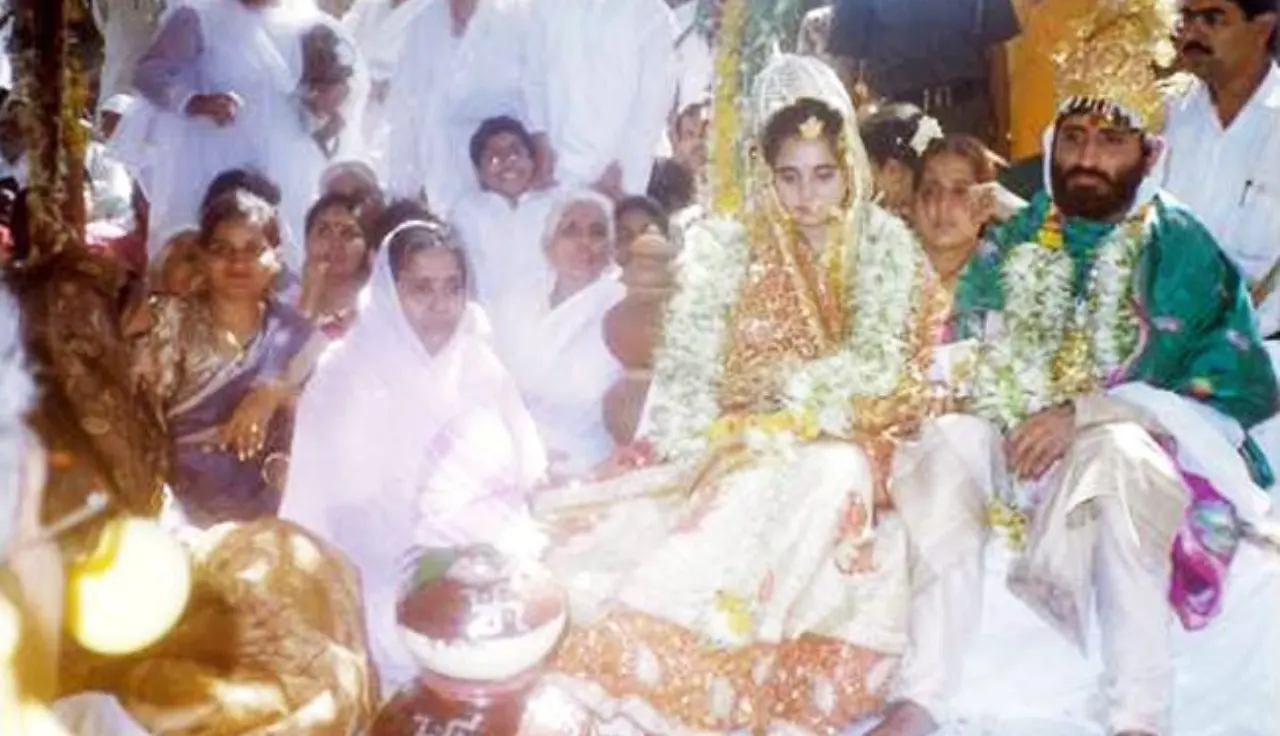
According to advocate Anuragchandra Goyal, the court’s order dated April 2 formally dissolved the couple’s 18-year marriage. His client, Janaki Harpalani, had filed for divorce in 2018, alleging mental cruelty and other grounds, and had sought ₹5 crore as maintenance.
Goyal said that despite Narayan Sai contesting the allegations, the petitioner presented substantial documentary evidence in support of her claims during the proceedings.
“After hearing both sides, the court accepted the petition and directed Narayan Sai to pay ₹2 crore as permanent maintenance to Janaki within three months,” the lawyer said.
The couple married in 2008 and have no children. During earlier hearings, Narayan Sai was produced before the family court under heavy security to record his statement.
The court had previously ordered him in 2018 to pay a monthly maintenance of ₹50,000. However, the petitioner’s lawyer stated that no payments were made over the past eight years.
The ruling brings closure to a long-pending legal dispute, while also enforcing a significant financial settlement in favour of the petitioner.
Dharmendra Pradhan Accuses TMC of Misusing Central Funds, Claims Bengal Education 'Ruined' 8
Union Education Minister Dharmendra Pradhan on Tuesday accused the Trinamool Congress (TMC) government in West Bengal of diverting central funds meant for education towards party activities, claiming that the state’s education system has been severely damaged.
Speaking to the media in Kolkata after offering prayers at Kalighat temple along with BJP candidate Swapan Dasgupta, Pradhan alleged that funds allocated for schemes such as mid-day meals, textbooks, and school uniforms were misused.
“The central government provided funds for mid-day meals, books and dresses, but the money was diverted towards party activities. Education in Bengal has been destroyed,” he said.
Pradhan further claimed that West Bengal’s rich academic legacy, shaped by icons like Swami Vivekananda and Rabindranath Tagore, has deteriorated due to decades of “misrule”, referring to both the Left Front’s long tenure and the current TMC government led by Chief Minister Mamata Banerjee.
The ruling TMC strongly rejected the allegations, calling them baseless, and countered by accusing the Centre of withholding nearly ₹2 lakh crore in dues meant for welfare schemes in the state.
The Union minister also raised concerns about the teacher recruitment process, alleging that it has either stalled or been affected by corruption.
Expressing confidence in the BJP’s prospects in the upcoming Assembly elections, Pradhan said his party’s campaign is focused on ensuring a “fear-free Bengal”, with emphasis on job creation and women’s safety.
On voter roll revisions, he questioned the inclusion of alleged infiltrators, asking whose votes should determine the state’s future.
West Bengal will go to the polls in two phases on April 23 and April 29, with counting scheduled for May 4.
SC’s 9-Judge Bench Begins Hearing on Women’s Entry in Religious Places, Sabarimala in Focus 10
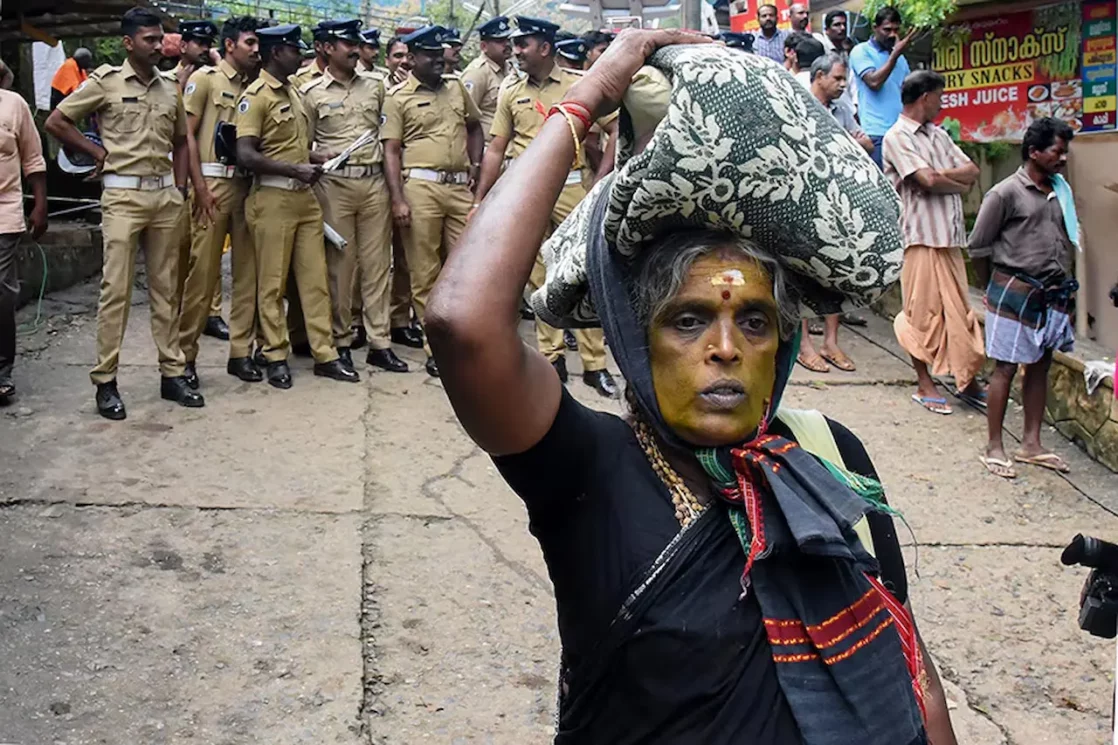
A nine-judge Constitution bench of the Supreme Court on Tuesday began hearing petitions related to alleged discrimination against women at religious places, including the Sabarimala temple, while also examining the broader scope of religious freedom under the Constitution.
The bench, headed by Chief Justice Surya Kant and comprising eight other judges, is dealing with key constitutional questions arising from the Sabarimala case and similar issues across religions.
Ahead of the hearing, the Centre submitted its written arguments, urging the court to uphold restrictions on the entry of women of menstruating age into the Sabarimala temple. It argued that the matter falls within the domain of religious faith and denominational autonomy, and is beyond the scope of judicial intervention.
The case traces back to the Supreme Court’s 2018 verdict, where a five-judge bench, by a 4:1 majority, had lifted the ban on the entry of women aged between 10 and 50 at the shrine, declaring the practice unconstitutional. However, in 2019, another Constitution bench referred the matter to a larger bench, noting that similar issues arise across multiple religions and require a comprehensive examination.
The present bench is also considering related questions, including the entry of Muslim women into mosques and dargahs, and the rights of Parsi women married to non-Parsi men to access religious places.
The court is expected to deliberate on several key constitutional issues, including the scope of the right to freedom of religion under Article 25, the relationship between individual rights and the rights of religious denominations under Article 26, and whether such rights are subject to other fundamental rights.
It will also examine the meaning of “morality” within constitutional provisions, the extent of judicial review in religious matters, and whether individuals outside a religious group can challenge its practices through public interest litigation.
The hearing, which began on April 7, is expected to continue until April 22. The outcome is likely to have far-reaching implications for balancing religious practices with gender equality and constitutional rights in India.
91 Lakh Names Deleted from Bengal Voter Rolls After Revision Exercise 12
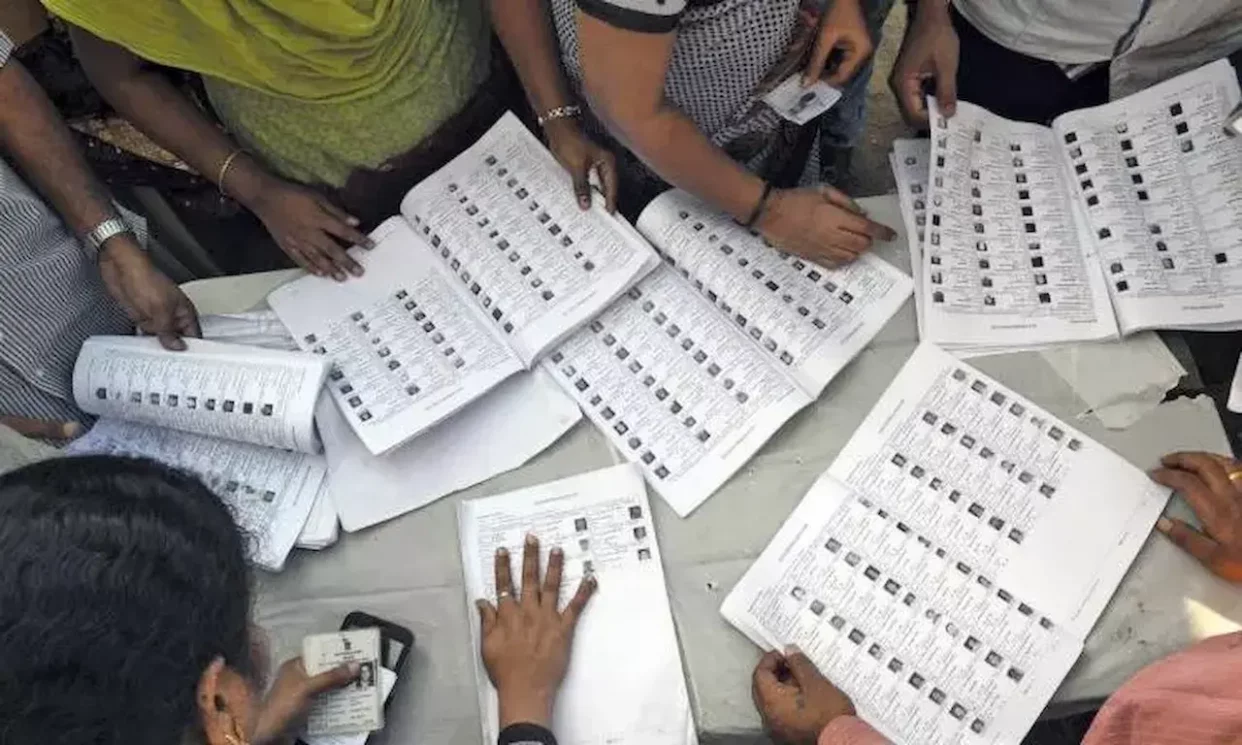
Nearly 91 lakh names have been removed from West Bengal’s electoral rolls following the Special Intensive Revision (SIR) exercise, according to data released by the Election Commission.
The revision process, which began in November last year, initially led to the deletion of 63.66 lakh names—around 8.3 per cent of the electorate—bringing down the voter base from approximately 7.66 crore to just over 7.04 crore. Subsequent scrutiny has pushed the total deletions to around 90.83 lakh.
A significant portion of the electorate had been placed under the “under adjudication” category during the revision. Out of 60.06 lakh such voters, over 27.16 lakh names were deleted following verification by judicial officers, while more than 32.68 lakh were retained and included in the final rolls.
Election Commission officials stated that the exercise was conducted in a phased and transparent manner, with district-wise data made publicly available to ensure accountability. Data for 59.84 lakh of the adjudicated cases has already been published, while the remaining cases are pending procedural formalities such as e-signatures.
Officials indicated that minor changes in the final figures may occur once pending formalities are completed, but any further inclusion of voters will be subject to legal provisions and directions from competent authorities.
With the publication of the final supplementary list, electoral rolls for the first phase of the West Bengal Assembly elections have been frozen in accordance with election norms. A total of 152 out of 294 seats will go to polls on April 23, while the remaining 142 constituencies will vote on April 29. Rolls for the second phase are set to be frozen on April 9.
The Election Commission clarified that no further additions can be made to the voter list at this stage unless directed otherwise by the Supreme Court, which is scheduled to hear matters related to the revision process on April 13.
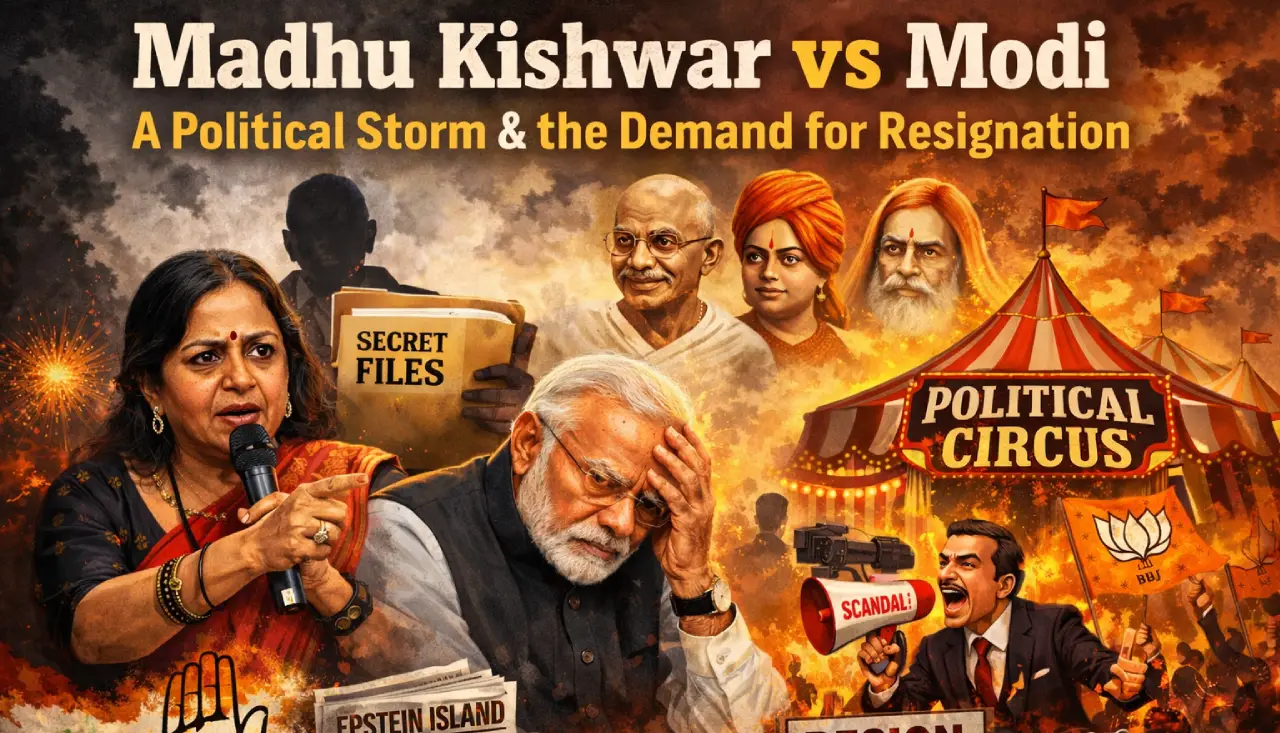
When Politics Becomes a Circus: Noise, Narratives, and the Truth Behind the Madhu Kishwar Controversy 14
Let’s get one thing straight—politics is not a poetry contest where the loudest voice wins. It’s a battlefield of narratives, and right now, what we’re witnessing is less of a debate and more of a full-blown circus.
To understand the current controversy, you first need to know who Madhu Kishwar is. She is not a random commentator or a fringe voice. Kishwar has long been part of India’s intellectual ecosystem—an academic, a public thinker, and someone who once positioned herself close to nationalist discourse. In fact, she was among those who openly supported Narendra Modi during his rise, especially around 2014. That’s precisely why her recent statements are drawing attention—because criticism from within always carries more weight than attacks from outside.
Now, what exactly is happening? Kishwar has suggested that Modi may have been pressured or influenced through sensitive files, allegedly shown by a senior bureaucrat from the previous regime. Whether this claim is true or speculative, it has ignited a storm. But here’s where the real game begins.
The Indian National Congress, which has struggled to directly counter Modi politically, has found unexpected comfort in this situation. Ironically, even if the allegations trace back to individuals or systems from their own time in power, the mere possibility that it dents Modi’s image is enough reason for celebration. That’s modern politics in a nutshell—if mud is flying, it doesn’t matter who threw it, as long as it sticks to the opponent.
But let’s not get carried away by noise. The claim about “blackmail” through files is serious. It leads us to only two logical possibilities. Either it is true—in which case it reflects a deeply troubling institutional failure where even the highest office can be compromised—or it is unverified narrative-building, a political strike designed to weaken perception without concrete proof. There is no comfortable middle ground here.
This naturally raises the question—should Modi resign “with dignity”? That sounds noble, but politics doesn’t run on poetic morality. Resignation is not a gesture of sensitivity; it is a consequence of proven accountability. If there is credible evidence that a sitting Prime Minister has been compromised, then stepping down becomes necessary to protect institutional integrity. But if accusations are floating without substantiation, then resignation becomes surrender—and in politics, surrender is not admired, it is exploited.
This is exactly where the Bharatiya Janata Party must step up. Silence, in such moments, is not strategic—it is dangerous. If Modi is innocent, the party must respond with clarity, not ambiguity. Facts must be placed on the table. Allegations must be challenged directly. And if necessary, legal recourse should be taken against those spreading unverified claims. Because in today’s environment, silence is quickly interpreted as weakness, if not admission.
What makes this entire episode even more disturbing is the descent into personal territory. When political discourse shifts from policies to private lives, from governance to gossip, it signals intellectual bankruptcy. The moment conversations begin revolving around bedrooms instead of boardrooms, you know the debate has collapsed.
There is also a strange tendency to drag historical and spiritual figures into contemporary politics. Names like Mahatma Gandhi, Swami Vivekananda, and Adi Shankaracharya are invoked as benchmarks. This is not just misplaced—it is fundamentally flawed. These figures belong to a different plane of thought and legacy. Trying to measure modern politicians against them is like comparing a candle to the sun. It neither elevates the politician nor does justice to the legacy of those icons.
The same applies to the debate around personal life—whether a leader is married, unmarried, or follows any particular lifestyle. History is full of great figures across the spectrum—kings with multiple wives, ascetics who renounced everything, and leaders who lived ordinary family lives. None of that defines their capability to lead. Governance is judged by decisions, outcomes, and accountability—not by personal choices that have no bearing on public duty.
And then comes the larger distraction—the obsession with global scandals like the Epstein case being loosely dragged into Indian political conversations. If crimes of that magnitude exist anywhere, they are not political talking points—they are matters of justice that demand serious, impartial investigation. But what we often see instead is selective outrage, where one side weaponizes it against the other, and the truth gets buried under layers of agenda.
At its core, this entire episode is not about Madhu Kishwar, nor is it about Subramanian Swamy or any individual critic. It is about how narratives are manufactured, amplified, and consumed. One narrative tries to project Modi as strong and uncompromising. The other attempts to paint him as pressured or compromised. And in the end, the version that the public believes becomes the dominant reality—regardless of the actual truth.
That is the real battlefield today—not policy, not ideology, but perception.
The harsh truth is this: if every day brings a new allegation, a new controversy, a new spectacle, then democracy risks turning into a 24/7 drama show. Serious issues get sidelined, and the public is left reacting to noise instead of engaging with substance.
If there are genuine allegations, they must be investigated thoroughly and transparently. If someone is guilty, they must face consequences—no matter how powerful they are. But if claims are being thrown around without evidence, then they deserve to be called out for what they are—reckless attempts to destabilize through insinuation.
Because when everything becomes a scandal, nothing remains serious.
And that is how a democracy slowly turns into a circus—loud, chaotic, and dangerously distracting.
From Bihar's Hinterland to Healthcare Supply Networks: Suraj Kumar's Quiet Rise Built on Systems 16
In a sector where reliability can directly impact outcomes, Suraj Kumar’s journey into India’s healthcare supply chain stands out for its grounded, process-driven approach. At a time when entrepreneurship is often associated with rapid scale and visibility, his trajectory reflects a slower, more deliberate model—one built on consistency rather than noise.
Raised in Dhamaul village in Bihar’s Nawada district, Kumar’s early life was shaped by modest means but steady ambition. After completing his engineering education at Centurion University of Technology and Management, he spent a brief period in the corporate sector. The experience offered insight into structured operations, but he chose to step away from a conventional path to pursue entrepreneurship—an uncertain route, particularly for first-generation founders.
He went on to establish Osmdudes Pvt Ltd and Bombaim Essentials Pvt Ltd, focusing on the supply of surgical and healthcare products. In an industry where even minor lapses can carry serious consequences, the companies have grown by emphasizing disciplined sourcing, stringent quality checks, and dependable logistics. Rather than scaling aggressively, the focus has remained on building systems that can sustain trust over time.
Today, supported by a team of over two dozen professionals, the business serves clients across India and has begun exploring select international markets. The expansion, while measured, suggests a strategy anchored in operational strength rather than short-term visibility.
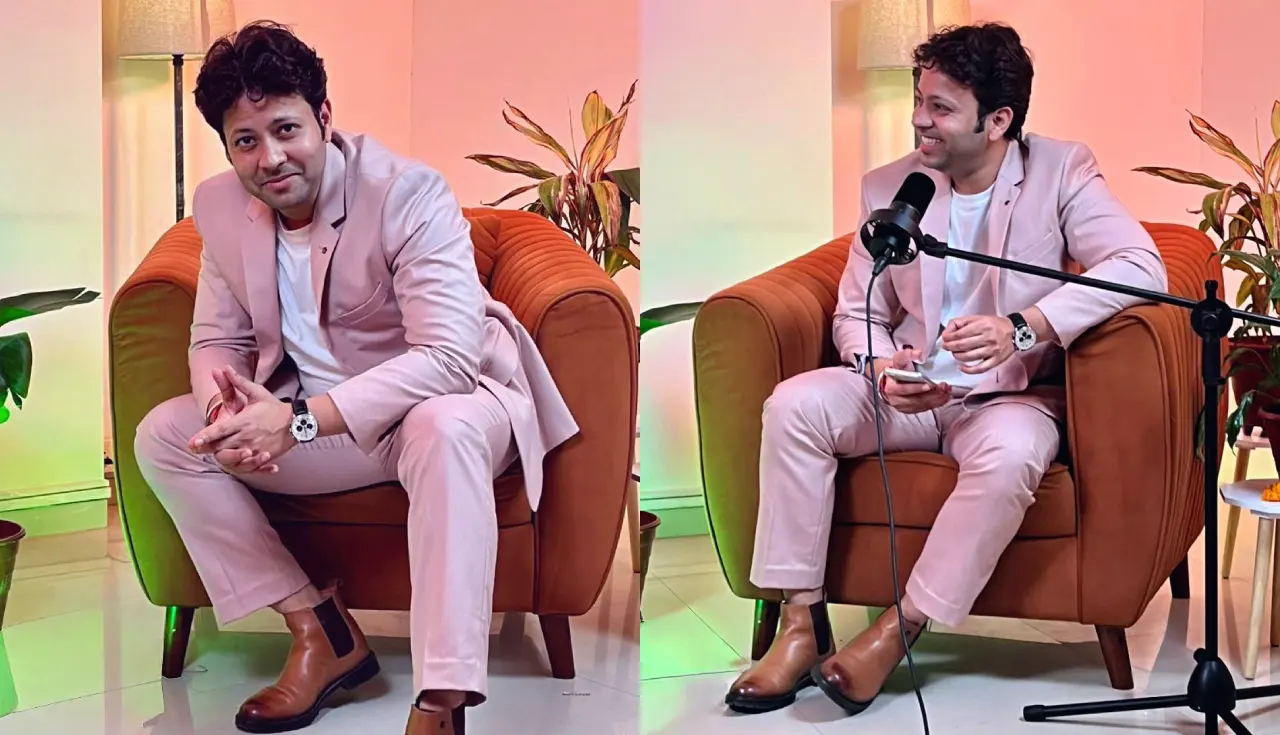
Parallel to his core business, Kumar has also ventured into digital content through podcast platforms, hosting conversations with professionals across industries—from entertainment and politics to healthcare and administration. With over 60 episodes recorded, the initiative reflects a growing trend among entrepreneurs to build influence through dialogue and knowledge-sharing, extending their reach beyond traditional business boundaries.
His journey underscores a broader shift in India’s entrepreneurial landscape: success in critical sectors is increasingly defined not by how fast one grows, but by how reliably one delivers. In that sense, Kumar’s path serves as a reminder that enduring businesses are rarely built on momentum alone—they are built on discipline, systems, and the patience to get the fundamentals right.
Sunetra Pawar to File Baramati Bypoll Nomination on April 6, Top Leaders to Attend 18
Maharashtra Deputy Chief Minister and NCP president Sunetra Pawar will file her nomination on April 6 for the Baramati Assembly by-election in Pune district, party sources said on Friday.
The bypoll, scheduled for April 23, was necessitated following the death of her husband and former Deputy Chief Minister Ajit Pawar in a plane crash on January 28. Sunetra Pawar, currently a Rajya Sabha member, is set to contest from the family stronghold.
According to party sources, Chief Minister Devendra Fadnavis and Deputy Chief Minister Eknath Shinde are expected to be present during the filing of her nomination papers, which will take place after a public meeting in Baramati.
Ajit Pawar, an eight-time MLA from Baramati, had maintained a strong political hold over the constituency. He secured a record victory margin of 1.65 lakh votes in the 2019 Assembly elections and retained the seat in 2024 with a margin exceeding one lakh votes.
While the Sharad Pawar-led NCP (SP) has announced that it will not contest the bypoll, its ally Congress has indicated that it may field a candidate, ensuring a contest in the constituency.
Sunetra Pawar assumed office as Deputy Chief Minister on January 31 and was unanimously elected as NCP president on February 26.
Alongside Baramati, the Rahuri Assembly seat in Ahilyanagar district will also go to polls on April 23 following the death of BJP MLA Shivaji Kardile.
Bhagwant Mann Targets Raghav Chadha, Calls Silence in Parliament 'Against Party Line' 20
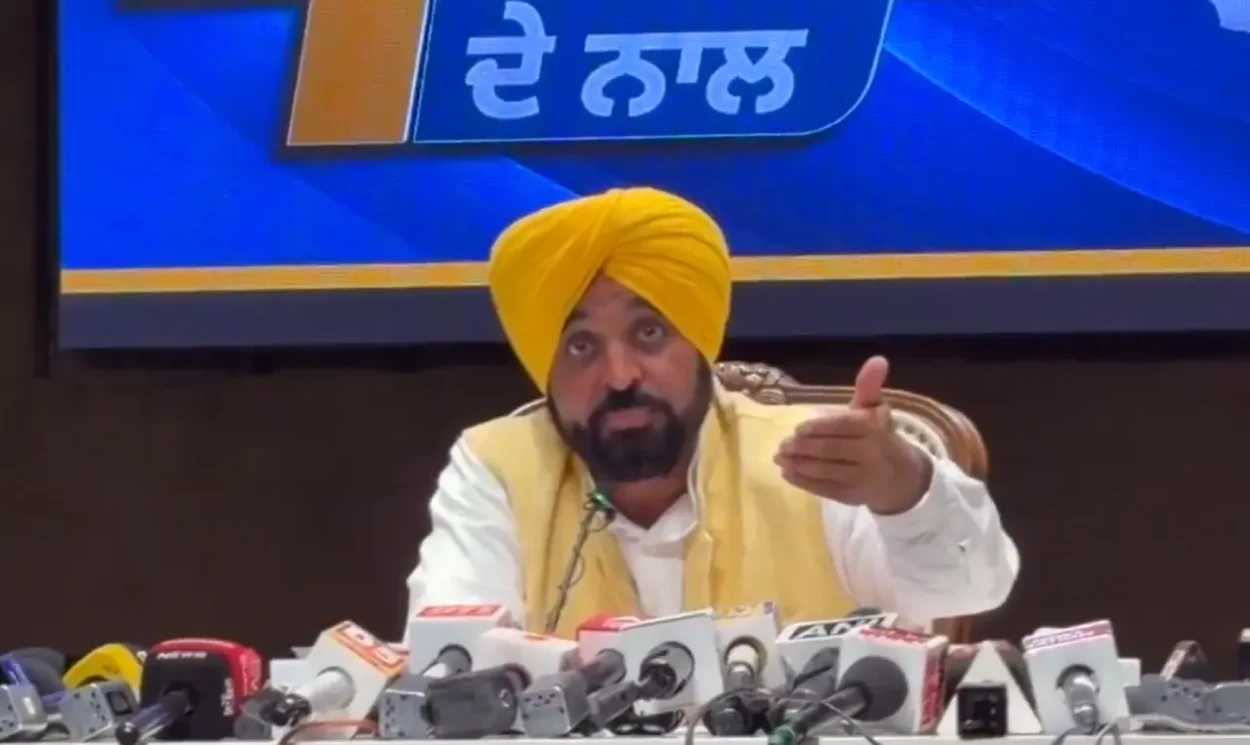
Punjab Chief Minister Bhagwant Mann on Friday launched a sharp attack on AAP MP Raghav Chadha, questioning his silence on key issues in Parliament and suggesting that he may be “compromised” for going against the party line.
Responding to queries at a press conference, Mann said that failing to speak on important matters—such as alleged voter list issues in West Bengal, arrests of AAP leaders in Gujarat, or participating in collective actions like walkouts—amounts to violating the party whip.
His remarks came a day after Chadha said he had been “silenced, not defeated,” following his removal as AAP’s deputy leader in the Rajya Sabha. The party has since accused Chadha of avoiding confrontation with the Centre and focusing on less critical issues.
Backing Mann’s criticism, AAP national media in-charge Anurag Dhanda questioned whether a leader who “fears” Prime Minister Narendra Modi can effectively represent public interests.
Mann said it is routine for parties to reshuffle leadership roles in Parliament and cited past examples within AAP to underline that such decisions are part of organisational functioning. However, he stressed that any deviation from the party’s collective decisions would invite action.
“If someone does not follow the party line or disobeys the whip, then action will be taken,” he said, adding that raising trivial issues instead of key policy concerns raises questions about intent.
The Punjab chief minister also highlighted that AAP would strongly raise the issue of alleged arrests of its volunteers in Gujarat with the state government, calling them “false cases”.
On other issues, Mann responded to a recent blast outside the BJP office in Chandigarh by saying that blame is often directed at him unfairly for incidents in the city.
He also touched upon governance, presenting what he described as a “report card” of his government’s four-year tenure. Mann said over 65,000 government jobs have been provided, including significant recruitment in education, police, power, and health sectors, all on a merit basis.
He added that more than seven lakh jobs have been generated in the private sector during this period and announced plans to increase the strength of the Punjab Police to 1.25 lakh by creating 10,000 additional posts.
Taking a swipe at political opponents, Mann said earlier predictions that his government would not last have proven wrong, asserting that the AAP remains committed to strengthening its governance and aiming to make Punjab a leading state across sectors.