


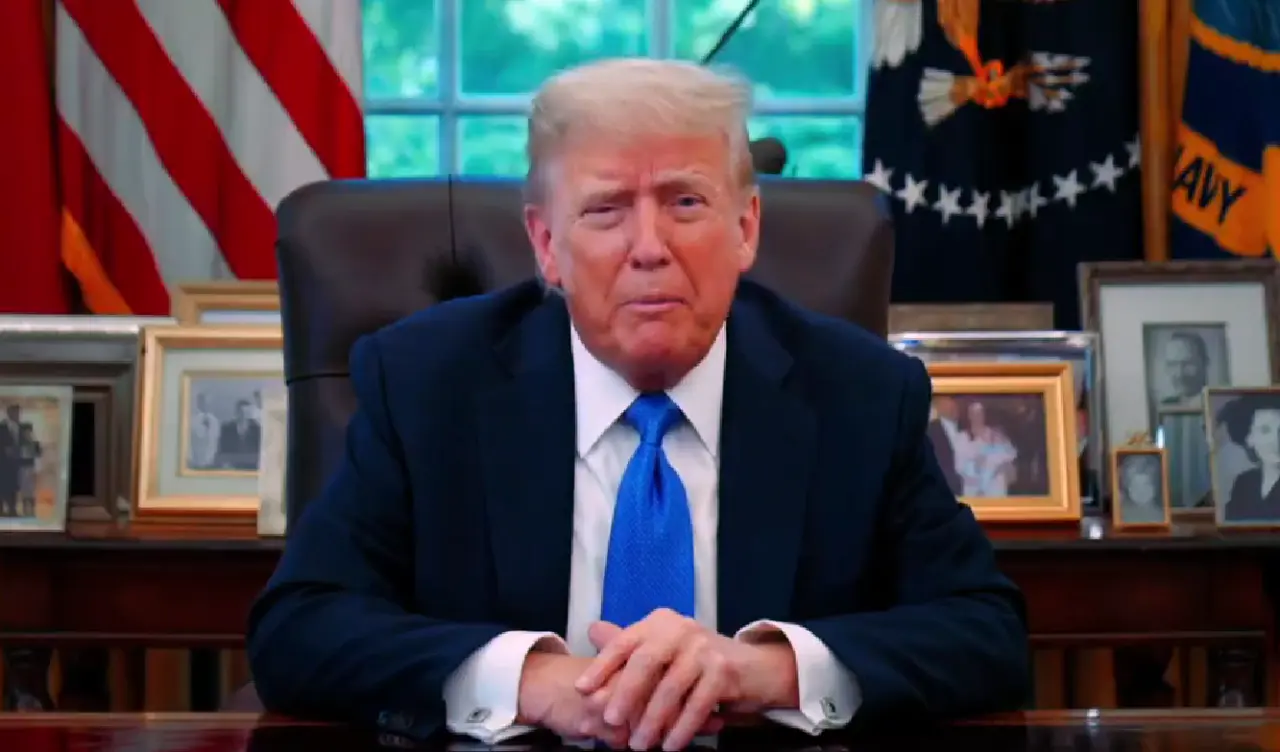
In a sweeping move reigniting global debate, US President Donald Trump has signed a proclamation barring the entry of nationals from 12 countries, citing threats to national security and public safety. The countries named in the ban include Afghanistan, Myanmar, Chad, the Republic of the Congo, Equatorial Guinea, Eritrea, Haiti, Iran, Libya, Somalia, Sudan, and Yemen. The White House stated the ban is part of a broader effort to protect American citizens from terrorism and hostile foreign elements.
Additionally, Trump has imposed partial entry restrictions on citizens from seven other countries—Burundi, Cuba, Laos, Sierra Leone, Togo, Turkmenistan, and Venezuela—distinguishing between immigrant and nonimmigrant visa categories. The executive order notes that both types of visas will be subject to scrutiny, albeit with differing implications due to the permanence of immigrant status.
"We cannot have open migration from any country where we cannot safely and reliably vet and screen… That is why today I am signing a new executive order placing travel restrictions on countries including Yemen, Somalia, Haiti, Libya, and numerous others." –President Trump pic.twitter.com/ER7nGM4TO2
— The White House (@WhiteHouse) June 4, 2025
Referencing his previous term, Trump said the earlier restrictions had successfully kept security threats at bay and had been upheld by the Supreme Court. “It is the policy of the United States to protect its citizens from aliens who intend to commit terrorist attacks, threaten our national security, or exploit our immigration system,” Trump stated in Executive Order 14161 signed on January 20, 2025.
The order underscores that stricter vetting is necessary, especially from countries that lack credible identity management or do not cooperate with the U.S. on security information. Trump warned that admitting individuals from such nations poses unacceptable risks, especially when lawful permanent residents—unlike nonimmigrants—are harder to deport once security concerns arise.
The proclamation further elaborates on each country’s inclusion. Afghanistan, for instance, is under Taliban control and lacks a competent authority to verify documentation. Myanmar’s high overstay rates for B1/B2 and student visas, as well as its history of non-cooperation in repatriating deportees, were cited as major concerns.
Critics have already begun to voice concern over the sweeping nature of the order, pointing out that the move revives one of Trump’s most controversial immigration policies during his earlier presidency. Nonetheless, the administration defends the decision as a necessary step to compel foreign cooperation, enhance national security protocols, and safeguard American lives.
As global reactions pour in, the policy is expected to draw legal scrutiny and potentially face diplomatic pushback from the affected countries and human rights groups.
