


India’s agricultural exports to the United States may remain resilient—or even expand—despite new tariffs imposed by President Donald Trump, according to leading agricultural economist Ashok Gulati. Unlike some competing nations facing even steeper trade barriers, India’s exporters could find a relative advantage in the new tariff structure.
The 26% “discounted reciprocal tariff” on Indian goods is expected to have a limited impact on key agricultural exports like seafood and rice, compared to the significantly higher duties imposed on regional competitors, said Gulati, former chairman of the Commission for Agricultural Costs and Prices (CACP).
“We should not look at the tariff increase in absolute terms but in relation to our competitors,” Gulati told PTI, pointing out that China now faces a 34% tariff—8% higher than India’s. Other nations face even more severe trade restrictions: Vietnam (46%), Bangladesh (37%), Thailand (36%), and Indonesia (32%).
For shrimp exports, India’s key advantage lies in quality packaging and bulk-handling capacity, according to Gulrej Alam, General Secretary of the Shrimp Feed Manufacturers Association of India. While Ecuador enjoys a lower 10% tariff and a geographical advantage, India’s established processing infrastructure is expected to sustain demand in the long run.
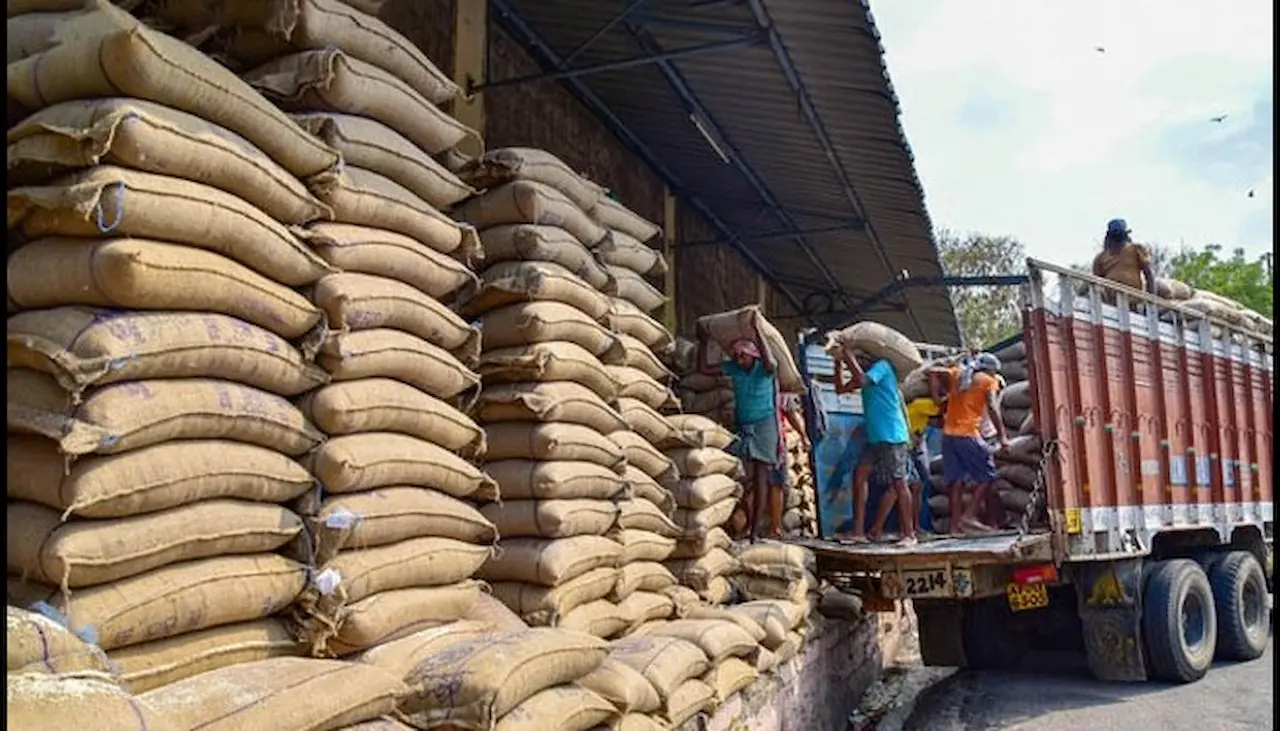
Similarly, India’s rice exports, which currently face a 9% US tariff, will now see an increase to 26%—a challenge but not an insurmountable one. Former All India Rice Exporters Association president Vijay Sethia acknowledged short-term setbacks but expects market stabilization in the long term.
Experts believe that India could even gain market share as competitors struggle with higher tax burdens. Gulati, now a chair professor at ICRIER, emphasized that while tariffs create short-term disruptions, they could ultimately open doors for Indian exporters in markets where other nations become less competitive.
