Home Blog Page 10

Suvendu Adhikari Sworn In as Bengal’s First BJP Chief Minister in Historic Political Shift

suvendu adhikari, suvundu, west bengal, wb government, west bengal government, narendra modi, modi
Suvendu Adhikari Sworn In as Bengal's First BJP Chief Minister in Historic Political Shift 2

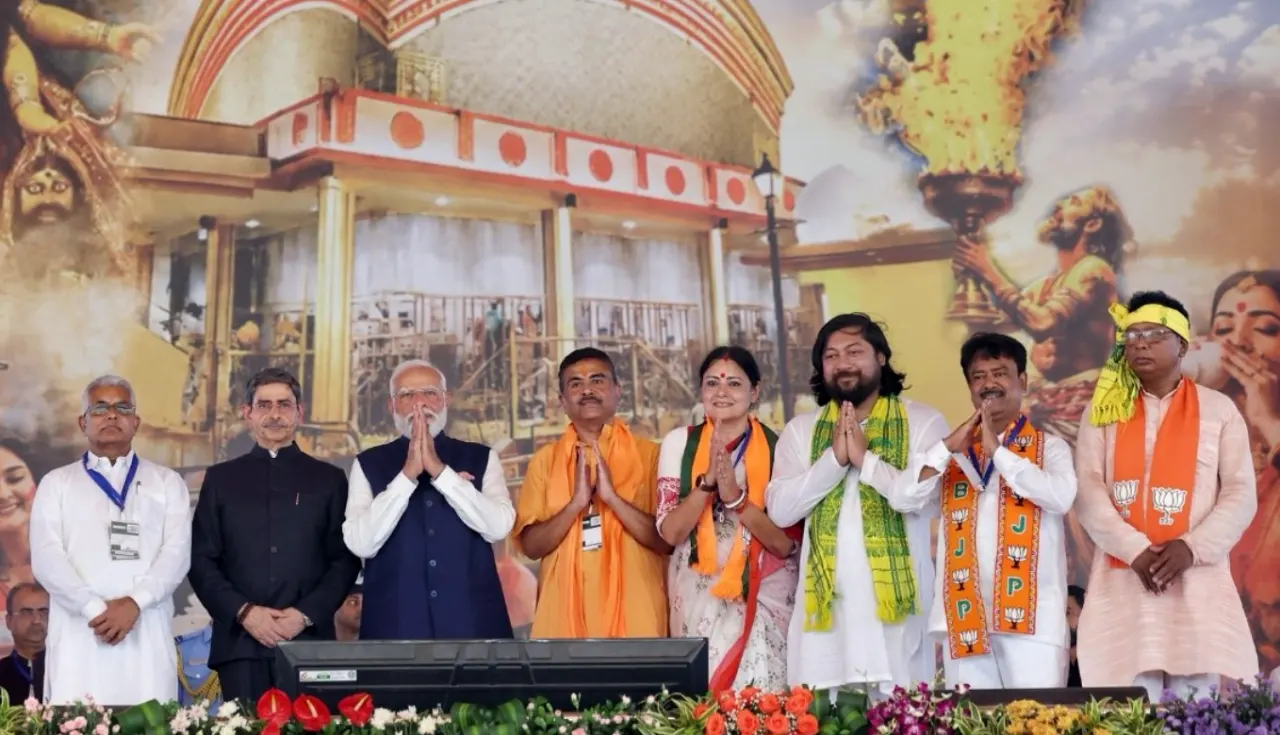
Suvendu Adhikari on Saturday took oath as the first BJP chief minister of West Bengal, marking a major political turning point in the state after decades of resistance to saffron politics.

R N Ravi administered the oath of office and secrecy to Adhikari at a grand ceremony attended by Prime Minister Narendra Modi, Union ministers, chief ministers of NDA-ruled states and senior BJP leaders.

Soon after Adhikari’s swearing-in, senior BJP leader Dilip Ghosh took oath as a minister in the new cabinet. BJP MLAs Agnimitra Paul, Ashok Kirtania, Nisith Pramanik and Kshudiram Tudu were also sworn in as ministers.

The swearing-in ceremony was held at Brigade Parade Ground, a venue historically associated with massive Left rallies and later a significant political battleground for the Trinamool Congress.

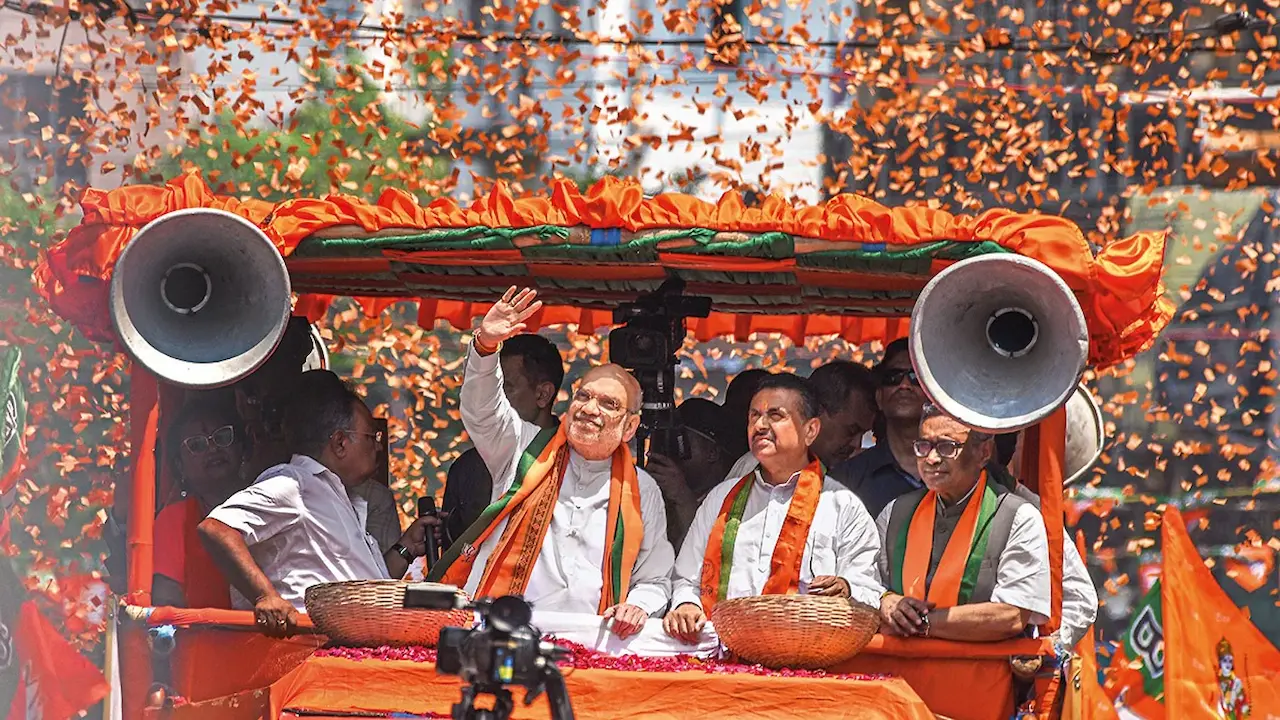
Thousands of BJP supporters gathered at the venue, waving saffron flags and chanting “Jai Shri Ram” slogans as Adhikari, regarded as one of the key architects behind the BJP’s rise in Bengal, took oath amid tight security arrangements.

The BJP secured 207 seats in the 294-member assembly in the recently concluded elections, ending the 15-year rule of the All India Trinamool Congress and marking the party’s biggest political breakthrough in eastern India.

The ceremony was attended by senior BJP leaders, MPs, industrialists and film personalities, with the party projecting the event as the beginning of a “Sonar Bangla” under a “double-engine” government.

Adhikari, who defeated TMC supremo Mamata Banerjee in the Bhabanipur assembly constituency while also retaining his Nandigram seat, was unanimously elected leader of the BJP legislature party on Friday in the presence of Union Home Minister Amit Shah.
SC Says Alleged Rs 27,000-Crore ADAG Banking Fraud Needs Thorough Investigation

supreme court of india, supreme court, sc, uapa, uapa offence, 2011 verdict
SC Says Alleged Rs 27,000-Crore ADAG Banking Fraud Needs Thorough Investigation 4

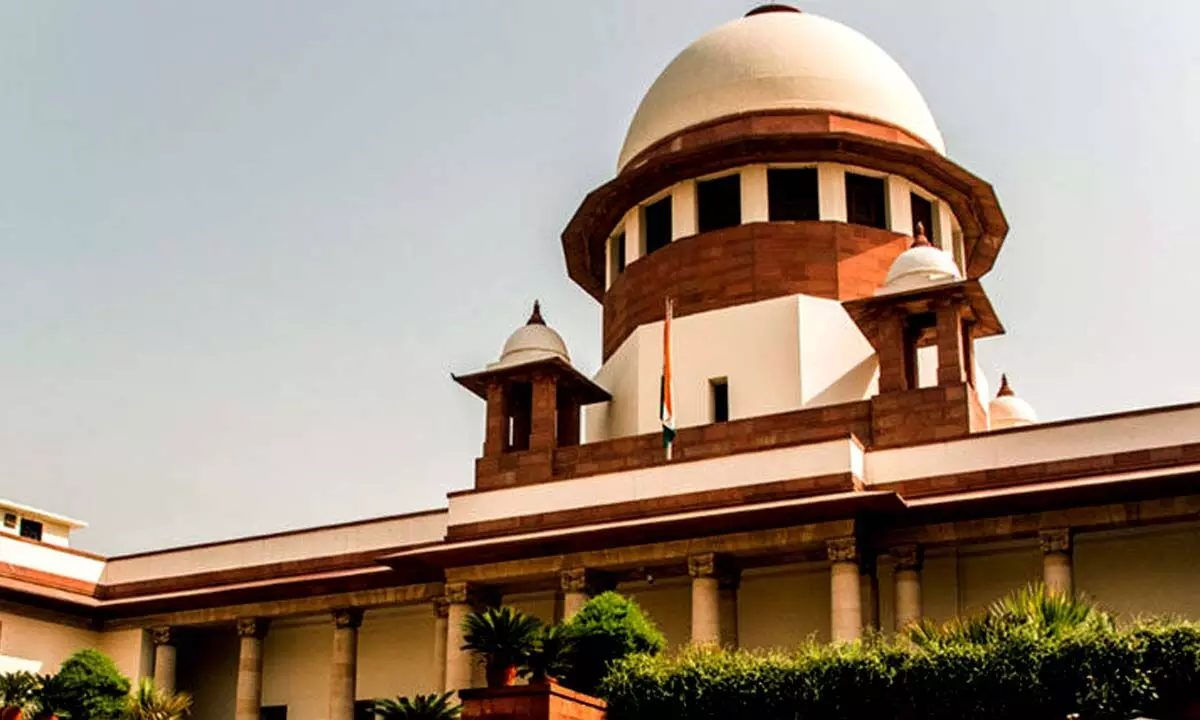
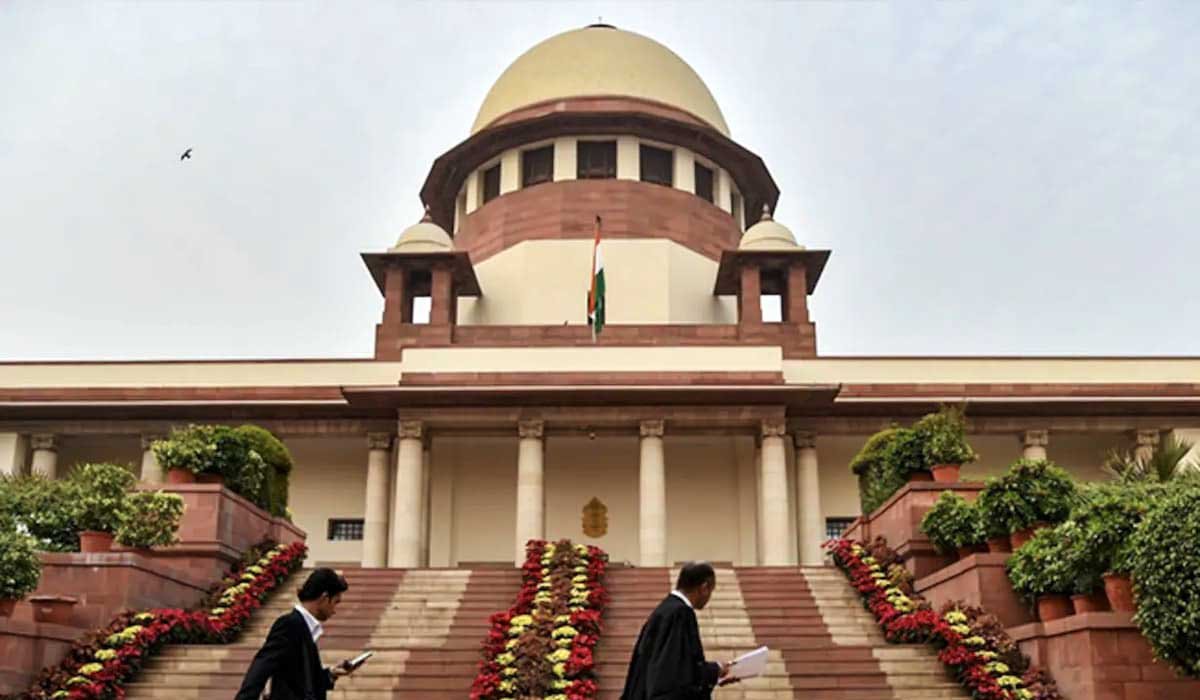
The Supreme Court of India on Friday observed that the alleged large-scale banking fraud involving the Anil Dhirubhai Ambani Group (ADAG) and its firms requires a “thorough investigation” after the CBI informed the court that the estimated loss in seven cases under probe stood at around Rs 27,337 crore.

A bench comprising Chief Justice Surya Kant and Justice Joymalya Bagchi was hearing a public interest litigation filed by former bureaucrat E A S Sarma, who sought a court-monitored probe into alleged loan frauds exceeding Rs 40,000 crore involving ADAG firms led by industrialist Anil Ambani.

The CBI informed the apex court that nine FIRs had been registered in connection with the matter. Of these, charge sheets have already been filed in two cases, while investigations are ongoing in the remaining seven.

Senior advocate Prashant Bhushan, appearing for the petitioner, questioned why Anil Ambani had not been arrested despite probe agencies allegedly identifying him as the “kingpin” of the scam. He described it as “puzzling” that both the CBI and the Enforcement Directorate had referred to the matter as a Rs 27,000-crore scam but had not taken custodial action against Ambani.

The bench, however, observed that the Supreme Court has consistently maintained restraint in directing arrests and said the decision on custodial interrogation must remain with the investigating agencies. The court cautioned against sensationalising the investigation and stressed that the focus should remain on collecting relevant evidence and ensuring a fair probe.

“We do not want prejudice to either side, but the matter requires a thorough investigation and it should be completed in a timely manner so that there is public confidence,” the bench remarked.

Senior advocate Kapil Sibal, appearing for Ambani, argued that his client was fully cooperating with the investigation and questioned how the petitioner had accessed a charge sheet before the concerned court had even taken cognisance of it. “Maybe I was cheated,” Sibal submitted on behalf of Ambani.

Solicitor General Tushar Mehta, representing the investigating agencies, informed the court that two FIRs had been registered against Reliance Telecom Ltd based on complaints filed by the State Bank of India. He added that multiple teams of investigating officers had been formed for a speedy probe, searches had been conducted at 14 locations and around 3,960 documents had been collected.

Mehta also informed the court that 31 lookout circulars had been issued and two persons had been arrested so far in connection with the ongoing investigations. The agencies also shared tentative timelines for filing charge sheets in the remaining cases.

The apex court noted that it had earlier intervened to activate the probe agencies and said it may step in further if it finds shortcomings in the investigation. The matter has now been posted for further hearing in July.

Earlier, the court had expressed displeasure over the “reluctance” shown by the CBI and ED in probing the alleged fraud and directed both agencies to carry out a “fair, dispassionate, transparent and time-bound” investigation.

The ED has alleged defaults of Rs 7,500 crore in Reliance Home Finance and Rs 8,200 crore in Reliance Commercial Finance, citing large-scale diversion of public funds. The agency is also probing allegations involving forged bank guarantees submitted by Reliance Power to the Solar Energy Corporation of India, allegedly causing losses exceeding Rs 105 crore.

Delhi HC Defers Hearing on CBI Plea Against Kejriwal, Sisodia Discharge to May 11

arvind kejriwal, aap, manish sisodia, sisodia, kejriwal, aam aadmi party
Delhi HC Defers Hearing on CBI Plea Against Kejriwal, Sisodia Discharge to May 11 6

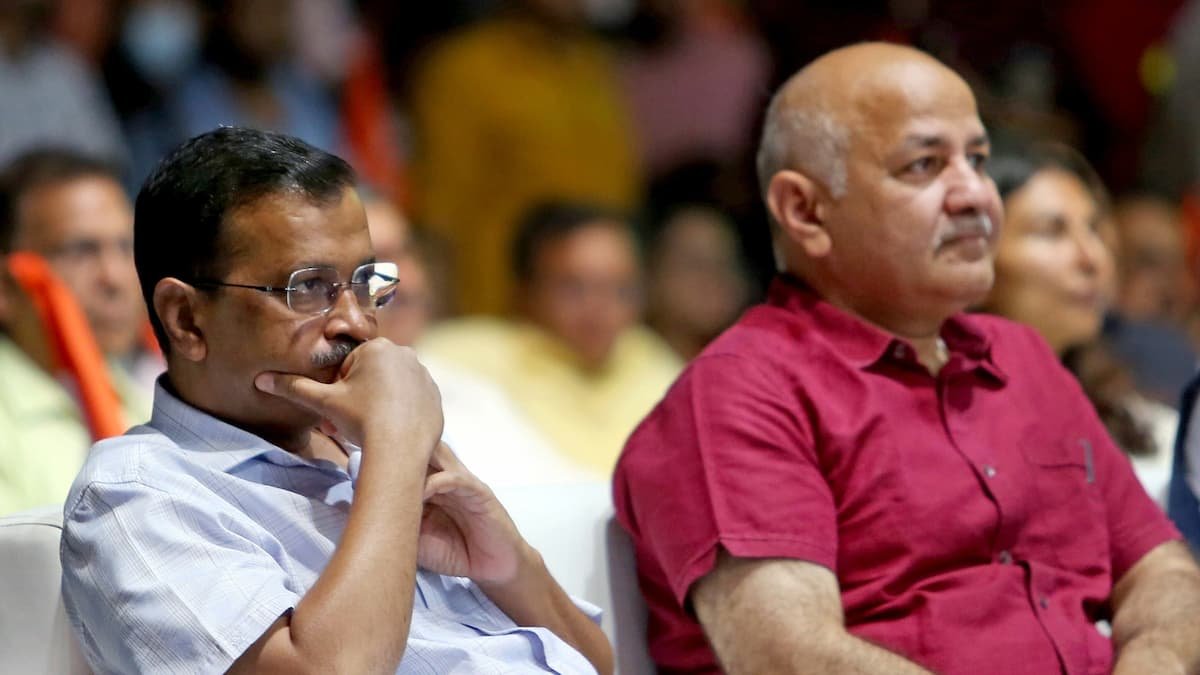
The Delhi High Court on Friday deferred the hearing on the CBI’s petition challenging the discharge of AAP leaders Arvind Kejriwal, Manish Sisodia and others in the Delhi excise policy case till May 11.

Justice Swarana Kanta Sharma said the court was awaiting consent from certain senior lawyers who may be appointed to represent Kejriwal, Sisodia and AAP MLA Durgesh Pathak, who are currently unrepresented in the matter.

“I will appoint on Monday. Arguments will begin on Tuesday,” Justice Sharma observed during the hearing.

The former Delhi chief minister and other AAP leaders have boycotted proceedings before Justice Sharma after the judge declined to recuse herself from the case despite applications alleging conflict of interest and apprehension of bias.

Earlier this week, the court had indicated that proceedings would continue once legal representation was arranged for the unrepresented parties.

During Friday’s hearing, the court also noted that discharged accused Vijay Nair and Arvind Kumar Singh had filed applications challenging the maintainability of the CBI’s petition.

Solicitor General Tushar Mehta, appearing for the CBI, informed the court that replies to the applications had already been filed and that the agency would address the issue during arguments.

On February 27, a trial court discharged Kejriwal, Sisodia and 21 others in the liquor policy case, observing that the prosecution case failed to withstand judicial scrutiny and stood “discredited in its entirety”.

After Justice Sharma rejected their recusal pleas on April 20, Kejriwal, Sisodia and Pathak wrote to the judge stating that they would neither appear personally nor through lawyers and would instead follow “Mahatma Gandhi’s path of Satyagraha”.

On April 5, the high court had closed the AAP leaders’ right to file replies after no one appeared on their behalf, while also indicating that senior advocates could be appointed as amici curiae to represent them.

Earlier, on March 9, the court had stayed the trial court’s recommendation for departmental action against the CBI investigating officer in the excise policy case.

While issuing notices to the 23 accused on the CBI’s plea against their discharge, Justice Sharma had remarked that certain findings of the trial court appeared prima facie erroneous and warranted examination.

The recusal applications alleged a possible conflict of interest on the ground that the judge’s children are empanelled as central government lawyers and receive assignments through the Solicitor General, who represents the CBI in the case.

Rejecting the plea on April 20, Justice Sharma held that judges cannot recuse themselves merely to satisfy “unfounded apprehensions of bias” raised by litigants.

Bombay HC Directs Maharashtra Govt to Form Expert Panel for Slum Act Audit

bombay hc, bombay high court, bombay, slums, mumbai slums, slums act
Bombay HC Directs Maharashtra Govt to Form Expert Panel for Slum Act Audit 8

The Bombay High Court on Friday directed the Maharashtra government to constitute an expert committee within four weeks to conduct a performance audit of the Maharashtra Slum Areas (Improvement, Clearance and Redevelopment) Act.

A bench comprising Justices G S Kulkarni and Advait Sethna observed that the Act needs to be made more efficient to help achieve the “distant dream” of a slum-free Mumbai and other major cities in the state.

The court passed the order while hearing a suo motu petition initiated following directions from the Supreme Court of India to review the functioning and implementation of the legislation.

While pronouncing its verdict, the high court said several critical issues concerning the implementation of the Act require serious consideration by the authorities responsible for enforcing it.

The bench observed that ideal town-planning principles appear to have taken a backseat, particularly on public lands, and stressed the need for urgent reforms.

The court directed that the expert panel should comprise adequate members capable of conducting a comprehensive performance audit to make the Act more effective and help the government move towards the objective of slum-free urban centres.

Highlighting the current urban situation, the court remarked that the persistence of large slum pockets reflects the “abysmal progress” of town planning standards expected from an international city like Mumbai.

“Any town planning which does not sail with the times is questionable,” the bench observed.

The high court further noted that despite multiple efforts over the years, authorities have failed to eradicate slums in Mumbai and called for a more scientific, area-wise and systematic approach to redevelopment and urban planning.

Describing the task as “herculean”, the court said it was not impossible if the authorities demonstrated determination, strong political will and a genuine commitment to public welfare as Mumbai continues to evolve in the 21st century.

Bombay HC Issues Notice to Sanjay Raut in Defamation Case Filed by Kirit Somaiya’s Wife

medha somaiya, defamation case, defamation, kirit somaiya
Bombay HC Issues Notice to Sanjay Raut in Defamation Case Filed by Kirit Somaiya's Wife 10

The Bombay High Court on Friday issued a notice to Sanjay Raut on an appeal filed by Medha Somaiya challenging a sessions court order that acquitted the Shiv Sena (UBT) leader in a defamation case.

Medha Somaiya had filed a criminal defamation complaint before a magistrate’s court through advocate Laxman Kanal, alleging that Raut made baseless and defamatory statements in the media against her and her husband, BJP leader Kirit Somaiya, in 2022.

She alleged that Raut accused the couple of involvement in a Rs 100 crore scam related to the construction of public toilets in the Mira-Bhayander Municipal Corporation area.

On September 26 last year, a judicial magistrate had held Raut guilty of defamation under Section 500 of the Indian Penal Code. The court sentenced him to 15 days in jail and imposed a fine of Rs 25,000.

Raut later challenged the magistrate’s ruling before a sessions court designated for cases involving MPs and MLAs.

In February this year, the sessions court overturned the conviction and acquitted Raut, observing that it could not be conclusively established that the allegedly defamatory article had been published at his instructions.

The court also clarified that as the executive editor of Saamana, Raut could not be held legally responsible for every article published in the newspaper.

Medha Somaiya subsequently approached the high court in April, contending that the sessions court order was legally flawed and unsustainable.

A single bench of Justice S G Dige issued notice to Raut and scheduled the next hearing for June 18.

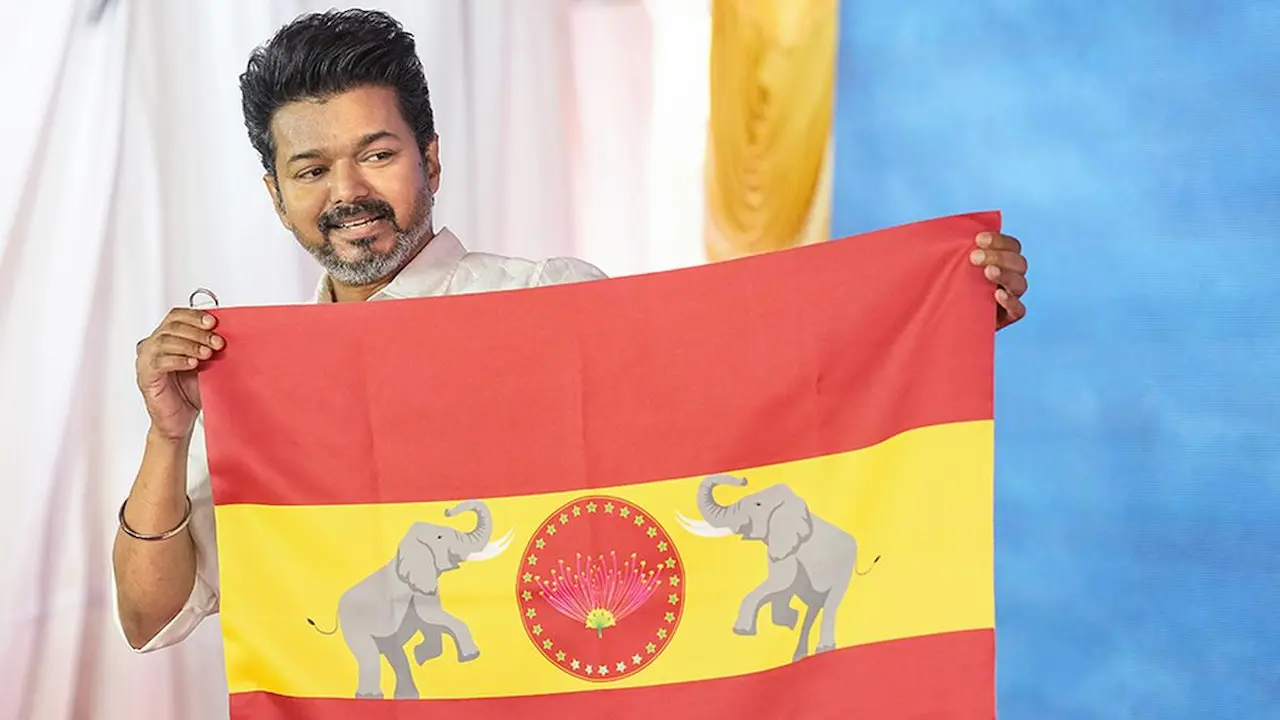
TVK Government Push Gains Momentum as CPI, VCK Discuss support for Vijay

vijay Tamilaga Vettri Kazhagam
TVK Government Push Gains Momentum as CPI, VCK Discuss support for Vijay 12

Communist Party of India and Viduthalai Chiruthaigal Katchi on Friday held separate discussions on extending post-poll support to Tamilaga Vettri Kazhagam (TVK) for government formation in Tamil Nadu.

The CPI convened a meeting of its state executive committee to deliberate on the issue after TVK chief Vijay sought support from various parties following the assembly election results.

Tamil Nadu CPI secretary M Veerapandian said the party would respond to Vijay’s letter seeking support. The CPI secured two seats in the April 23 Assembly elections.

Simultaneously, the VCK, led by Thol Thirumavalavan, also scheduled a key meeting to decide its stand on supporting the Vijay-led TVK in forming the next government.

The VCK has traditionally been a close ally of the Dravida Munnetra Kazhagam and has contested several elections alongside the party. It too won two seats in the recently concluded assembly polls.

TVK emerged as the single largest party in the 234-member Tamil Nadu Assembly after winning 108 seats, but it still falls short of the majority mark by 10 seats.

The Indian National Congress has already extended support to TVK, strengthening Vijay’s efforts to stake claim to form the government.

Who Will Lead Bengal? Suvendu Adhikari Emerges Frontrunner Ahead of BJP Legislature Meet

suvendu adhikari, bjp, amit shah, shah,
Who Will Lead Bengal? Suvendu Adhikari Emerges Frontrunner Ahead of BJP Legislature Meet 14

legislators are set to meet in Kolkata on Friday in the presence of Union Home Minister Amit Shah to formally elect their leader, with senior BJP leader Suvendu Adhikari emerging as the frontrunner to become the party’s first chief minister in West Bengal.

The BJP scripted a historic victory in the recently concluded assembly elections, ending the 15-year rule of the All India Trinamool Congress and dealing Chief Minister Mamata Banerjee one of the biggest political setbacks of her career.

Although the BJP has not officially announced its chief ministerial candidate, Adhikari’s political stock has risen sharply after he retained the politically crucial Nandigram seat and also wrested Bhabanipur, considered Banerjee’s stronghold.

The swearing-in ceremony of West Bengal’s first BJP government is scheduled to take place at Brigade Parade Ground on May 9. Prime Minister Narendra Modi, Amit Shah, BJP president Nitin Nabin and chief ministers from NDA-ruled states are expected to attend the event.

Once regarded as one of Banerjee’s closest aides and a key strategist behind the TMC’s rural expansion, Adhikari joined the BJP in December 2020 and has since emerged as one of the saffron party’s most aggressive campaigners in Bengal.

A senior BJP leader said Adhikari’s sustained political battle against the TMC, strong organisational network and repeated electoral successes against Banerjee have significantly strengthened his claim for the top post.

Party insiders said his victory from Bhabanipur by over 15,000 votes is being viewed as both symbolically and strategically significant for the BJP in Bengal politics.

However, the leadership race is not entirely settled. Other names being discussed within party circles include West Bengal BJP president Samik Bhattacharya and former Rajya Sabha MP Swapan Dasgupta, who won the Rashbehari seat.

While Dasgupta is seen by some leaders as an intellectual face capable of balancing governance and political messaging, Bhattacharya is credited with steering the organisation during a critical electoral phase.

Senior BJP leaders maintained that the final decision on the chief ministerial face would ultimately be taken by the party’s central leadership.

SC Warns Against Excessive Judicial Scrutiny of Religious Practices in Dawoodi Bohra Case

supreme court, sc, supreme court of india, fir, police, courts
SC Warns Against Excessive Judicial Scrutiny of Religious Practices in Dawoodi Bohra Case 16

A nine-judge Constitution bench of the Supreme Court of India on Thursday observed that if individuals begin questioning religious practices before constitutional courts, it could lead to a flood of litigation challenging rituals and ultimately weaken religions and the country’s civilisational fabric.

The bench, headed by Chief Justice of India Surya Kant, is hearing petitions related to discrimination against women at religious places, including the Sabarimala Temple, and examining the scope of religious freedom across different faiths, including issues involving the Dawoodi Bohra community.

The Constitution bench also comprises Justices B V Nagarathna, M M Sundresh, Ahsanuddin Amanullah, Aravind Kumar, Augustine George Masih, Prasanna B Varale, R Mahadevan and Joymalya Bagchi.

The matter stems from a petition filed in 1986 by the Central Board of the Dawoodi Bohra Community seeking to overturn a 1962 judgment that struck down the Bombay Prevention of Excommunication Act, 1949. The Act had made excommunication of community members illegal.

The 1962 Constitution bench had ruled that the Dawoodi Bohra community’s religious head had the constitutional right under Article 26(b) to manage religious affairs, including excommunication on religious grounds.

Senior advocate Raju Ramachandran, appearing for reformist Dawoodi Bohras, argued that practices arising from secular or social conduct should not receive constitutional protection under Articles 25 and 26. He submitted that any religious practice adversely affecting fundamental rights cannot be immune from judicial scrutiny.

Responding to the arguments, Justice Nagarathna remarked that if every religious practice starts being challenged before constitutional courts, “what happens to this civilisation where religion is so intimately connected with Indian society?”

“There will be hundreds of petitions questioning this right and that right, opening of the temple and closure of the temple. We are conscious of this,” she observed.

Justice M M Sundresh added that unrestricted judicial intervention in religious matters could have far-reaching consequences.

“Every religion will break and every constitutional court will have to be closed,” he said, warning that allowing every internal dispute to become a constitutional issue could lead to endless litigation.

Justice Nagarathna further said India’s strength lies in its diversity and deep civilisational roots, where religion remains closely linked to social life.

“What we lay down is for a civilisation that is India. India must progress, but we cannot break that constant,” she observed.

Ramachandran, however, argued that India is a civilisation governed by the Constitution and practices contrary to constitutional values cannot continue unchecked. He said courts cannot avoid adjudicating such issues merely because they may lead to multiple petitions.

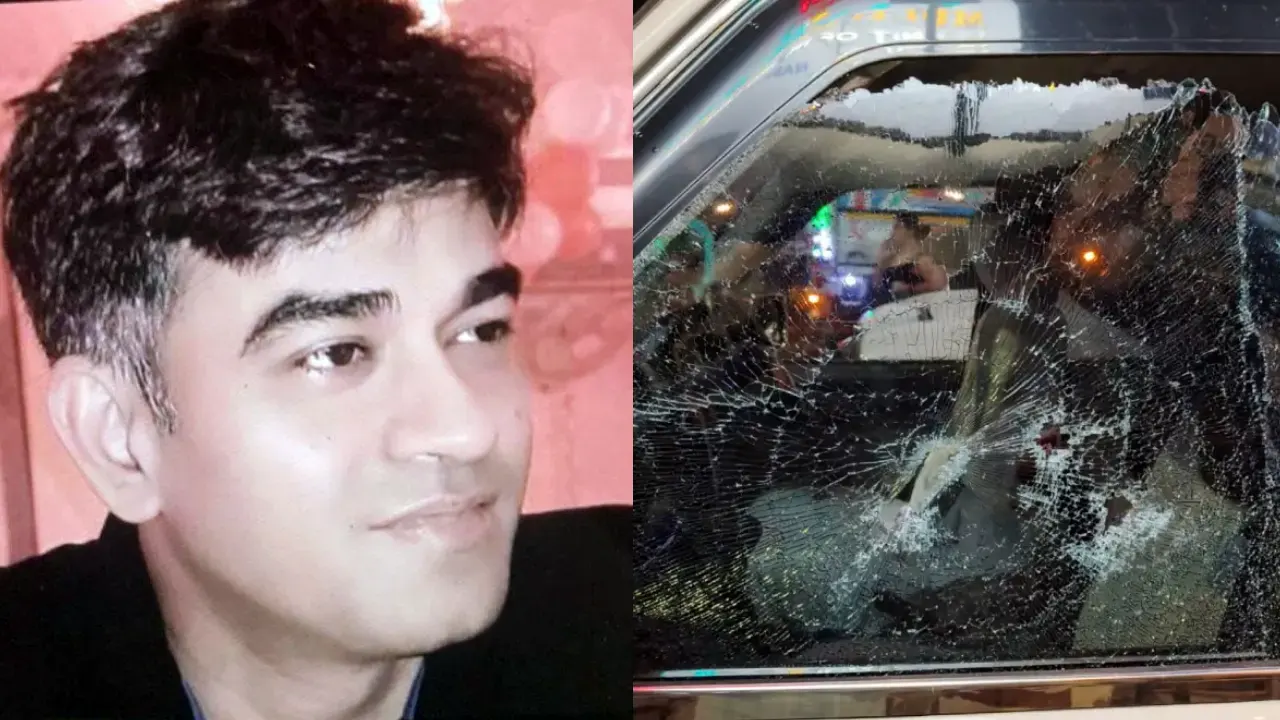
Bengal BJP Cries ‘Political Murder’ After Suvendu Adhikari’s Aide Shot Dead

Chandranath Rath, Kolkata, Murder, Suvendu Adhikari,
Bengal BJP Cries 'Political Murder' After Suvendu Adhikari's Aide Shot Dead 18

West Bengal president Samik Bhattacharya on Thursday termed the killing of a close aide of senior BJP leader Suvendu Adhikari a “planned political murder” and alleged that the attack was aimed at creating instability in the state.

Speaking to reporters at Barasat Hospital, where the post-mortem of Chandranath Rath was conducted, Bhattacharya claimed the killing was a case of “targeted violence”.

Rath, who served as Adhikari’s executive assistant, was shot dead late Wednesday night after bike-borne assailants intercepted his vehicle near Doltala in Madhyamgram around 10.30 pm. According to police sources, the attackers forced the vehicle to stop and opened fire at point-blank range before fleeing the spot.

Bhattacharya questioned whether the attack was intended to send a political message to the BJP or to Prime Minister Narendra Modi, who is scheduled to arrive in Kolkata in two days. He also said he would raise the matter with Governor R N Ravi.

The BJP leader linked the incident to what he described as a broader pattern of post-poll violence in the state, referring to recent killings of BJP workers and another shooting incident in Basirhat.

Calling the Barasat-Madhyamgram belt a “sensitive zone”, Bhattacharya alleged that the area had witnessed criminal activities such as the forging of Aadhaar cards, ration cards and voter identity documents allegedly used by infiltrators during the rule of the All India Trinamool Congress.

Issuing a warning to those behind such incidents, he said, “Our restraint should not be mistaken for weakness.”

Bhattacharya added that he could not disclose further details as the investigation was underway and the model code of conduct remained in force.

The ruling TMC denied any involvement in the killing and countered that three of its workers had allegedly been killed by BJP-backed miscreants over the past three days.

Vijay Meets Tamil Nadu Governor Again Amid Intensifying Government Formation Buzz

tvk, vijay, tamil nadu, governor, tamil nadu governor, rajendra vishwanath aklekar,
Vijay Meets Tamil Nadu Governor Again Amid Intensifying Government Formation Buzz 20

Vijay on Thursday visited Lok Bhavan for the second time within 24 hours to meet Tamil Nadu Governor Rajendra Vishwanath Arlekar amid ongoing discussions over government formation in the state.

The Tamilaga Vettri Kazhagam (TVK) chief met the governor in connection with his request to be invited to form the government with the support of the Congress party.

However, there was no immediate official confirmation on whether Vijay met the governor or if TVK had been formally invited to stake claim to power.

During his second visit to the Governor’s House in less than a day, Vijay remained inside the premises for around 40 minutes before leaving.

TVK emerged as the single largest party in the recently concluded assembly elections by winning 108 seats in the 234-member Tamil Nadu Assembly.

Although the Congress party, which secured five seats, has extended support to TVK, the actor-turned-politician’s party still falls short of the majority mark of 118 seats required to form the government.

On Wednesday, Vijay had submitted the Congress party’s letter of support to the governor and formally staked claim to form the government. However, Governor Arlekar is yet to take a final decision on the matter, official sources said.

Responding to questions from reporters about the swearing-in ceremony and government formation, TVK leader V S Babu said, “Let us see, this will happen soon and let us see what comes next.”

When asked about alleged pressure from the Centre regarding the formation of the government, Babu declined to comment, saying he would not speak on matters he was unaware of.