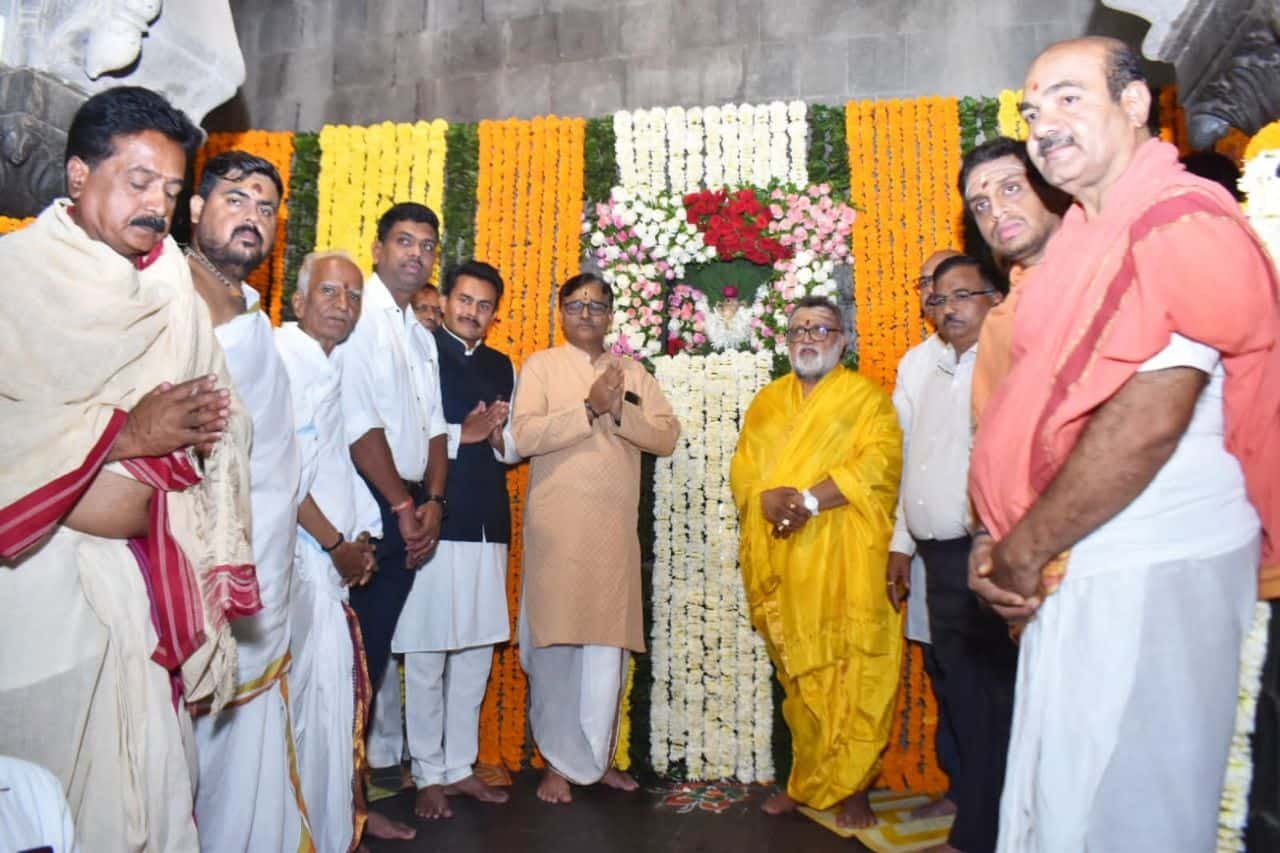
Meeting of the temple committee was presided over by Sadguru Shri Gahininath Maharaj Ausekar 2
A meeting of the temple committee was held at Srikshetra Pandharpur under the chairmanship of the co-chairman of the temple committee, Sadguru Shri Gahininath Maharaj Ausekar.
The three-day Shri Ganesh Yagas organized by the concept of Sadguru Shri Gahininath Maharaj Ausekar started this morning, at that time by H.B.P. Shri. Srirang Maharaj Ausekar, Mrs. Shraddha Srirang Maharaj, and Pandit Shri. Purushottam Joshi, endowed with Vedic knowledge. Shree Ganesha Puja, Abhishek, and Sankalp rituals were performed amid the chanting of Guruji and his fellow Brahmabrindas.
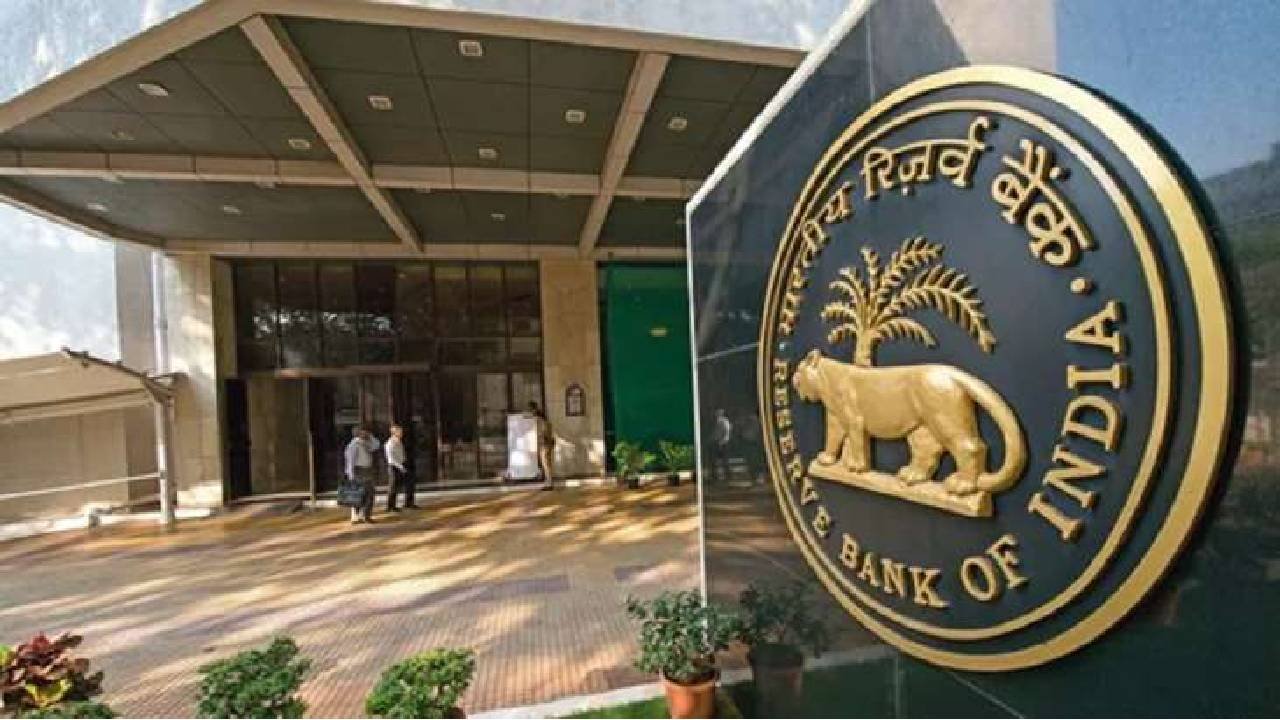
RBI Research expects the Reserve Bank of India to again put a pause on key policy rates as the central bank’s third monetary policy committee meeting is currently underway. The outcome of the review meeting will be announced on Thursday morning. The RBI typically conducts six bimonthly meetings in a financial year, where it decides interest rates, money supply, inflation outlook, and various macroeconomic indicators. The ongoing three-day meeting started on Tuesday.
In its previous meeting in early June, the central bank’s monetary policy committee unanimously decided to keep the repo rate unchanged at 6.5 per cent, something most analysts had expected. The RBI in its April meeting too, the RBI paused the repo rate. The repo rate is the rate of interest at which the RBI lends to other banks.
“We expect the RBI to pause in August policy,” the SBI Research report, authored by SBI’s Group Chief Economic Adviser Soumya Kanti Ghosh, said. “Domestically, we believe at 6.50 per cent, we are in for a prolonged pause as the seasonality of inflation should taper…,” the report said.
It did not give any forward guidance, saying, “In an environment of rising rates, it is clearly not advisable to give forward guidance.” Meanwhile, a consistent decline in inflation (currently at an 18-month low) and its potential for further decline may have prompted the central bank to put the brakes on the key interest rate again. Inflation has been a concern for many countries, including advanced economies, but India has managed to steer its inflation trajectory quite well.
Barring the April pause, the RBI has raised the repo rate by 250 basis points cumulatively to 6.5 per cent since May 2022 in the fight against inflation. Raising interest rates is a monetary policy instrument that typically helps suppress demand in the economy, thereby helping the inflation rate decline. India’s retail inflation was above the RBI’s 6 per cent target for three consecutive quarters and managed to fall back to the RBI’s comfort zone only in November 2022. Under the flexible inflation targeting framework, the RBI is deemed to have failed in managing price rises if the CPI-based inflation is outside the 2–6 per cent range for three quarters in a row.
Now what remains to be seen is whether the RBI committee will, for the third straight time, keep the repo rate unchanged or otherwise, given there was an uptick in inflation in June.
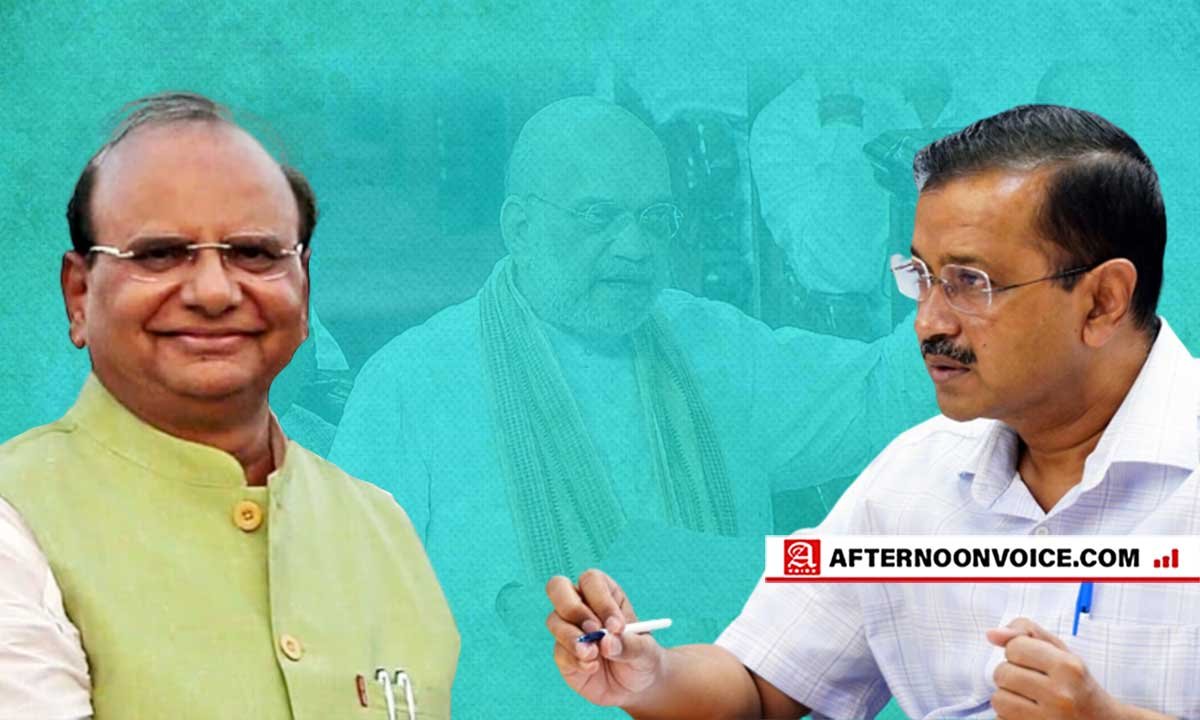
The Delhi Services Bill is administrative logjam 5
After a few days of debate, the Rajya Sabha passed the Government of the National Capital Territory of Delhi Services Bill. The Bill was passed with 131 members voting in favor of it and 102 voting against it. Apart from the NDA constituents, the Bill got the support of members from the BJD and YSRCP. The Delhi Ordinance Bill proposes that actions like suspensions and inquiries of the national capital’s officials would be under the control of the center. On May 19, the Central Government propagated an ordinance that creates the authority for the transfer and posting of Group A officers in Delhi. The ordinance was brought in days after the Supreme Court ruled that Delhi’s elected government has control over services except in matters of law and order, police, and land.
If the ordinance is passed by both Houses of Parliament, the elected government of Delhi will have no authority to transfer its officers. After passing this bill, Arvind Kejriwal would be like a sterilized animal, his wings and claws clipped. Any way he went, he was always hassled by the central government. Arvind’s popularity has grown among middle-class families. From the past twenty-five years Delhi never gave mandate to the BJP. AAP has really challenged the BJP in spite of all the tricks being played against him. For three decades, the Congress and BJP played the roles of power and opposition by turns. Being seasoned politicians, they know their limits and have never dared to cross the line.
Currently in the Rajya Sabha, there are a total of 245 seats, of which eight are vacant, bringing the total number of seats to 237. The majority mark to pass the Bill in the Rajya Sabha will be 119. On the other hand, the combined numbers of all parties that have extended support to the AAP, including the Congress, are 105. The Delhi Services Bill, formally called Government of National Capital Territory of Delhi (Amendment) Bill 2023, is being tabled in the Indian Parliament and is set to replace a current ordinance that overrides a directive of the Supreme Court that had given command to the government of Delhi over most services.
The ordinance has been a major reason for contention between Delhi Chief Minister Arvind Kejriwal’s Aam Aadmi Party and the central government. On May 11, the Supreme Court of India took the decision in favor of the government of Delhi, giving it complete command over most services in the capital, leaving out public order, land, and police. On May 19, the Center tabled an ordinance that gave authority to the Delhi government to make recommendations to the Delhi Lieutenant Governor on matters of transfer of postings, vigilance, and other incidental issues.
The BJP-led Center was slammed by the AAP government for trying to subvert law and order and take control of the bureaucracy in the capital city. Last Thursday (August 3), the Lok Sabha passed a bill that will translate an ordinance into law and give powers to the Center-appointed bureaucrats to overrule the elected chief minister and senior officers in the Delhi government, even as the opposition parties held a walkout.
The opposition believes that the passing of this bill is a subversion of the constitutional separation of powers. He added that the country is now seeing “coercive federalism”. The proposed bill is a representation of a “grave chapter in the history of the Indian republic, seeking to ratify an ordinance that in many ways is an assault on our democratic heritage and the spirit of federalism”.
The Government of the National Capital Territory of Delhi (Amendment) Bill, 2023, seeks to replace the ordinance brought by the Centre in May, which excluded ‘services’ from the legislative competence of the Delhi legislative assembly. The Delhi ordinance was promulgated by the central government a week after the Supreme Court handed over the control of services in Delhi, excluding police, public order, and land, to the elected government, headed by CM Arvind Kejriwal.
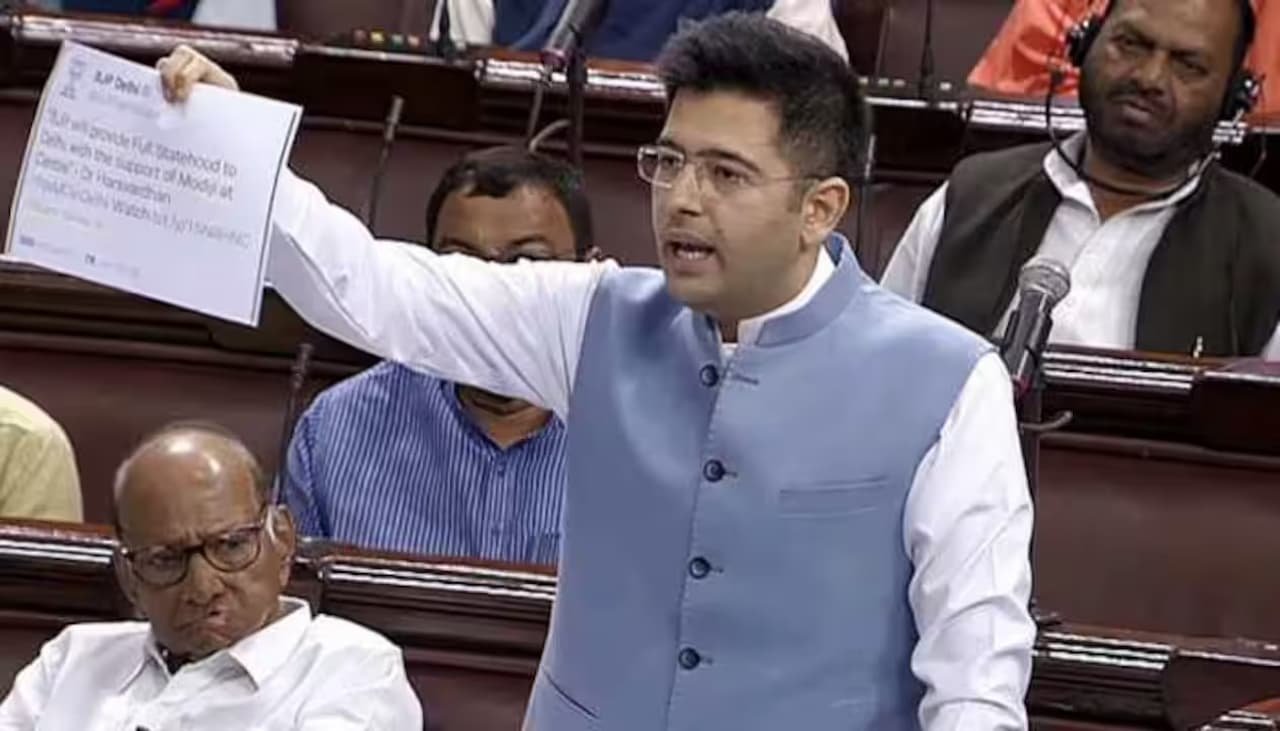
Earlier today, AAP MP Raghav Chadha said the bill is “political fraud, a constitutional sin, and will create an administrative logjam”. Chadha said that the BJP had been demanding statehood for Delhi for almost 40 years and promised the same in its election manifesto. The AAP leader said that the BJP has destroyed the 40 years of hard work of its leaders like Atal Bihari Vajpayee and Lal Krishan Advani to make Delhi a full state. The Delhi Ordinance Bill will also empower the Lieutenant Governor to exercise their sole discretion on several matters, including those recommended by the National Capital Civil Services Authority and the summoning, prorogation, and dissolution of the Delhi Legislative Assembly.
A government that was formed after a movement in 2015 says that the center wants to usurp power. We do not want to usurp power. People have given us power. This Bill is to block the State government from interfering with the center’s powers. Amit Shah did not have a single valid argument in favor of the Delhi services bill. It is fundamentally anti-democratic. It is a frontal assault on the regional voice and the regional aspirations of the people of Delhi. It violates all principles of federalism, all norms of civil service accountability, and all models of Assembly-based democracy. It violates the basic structure.
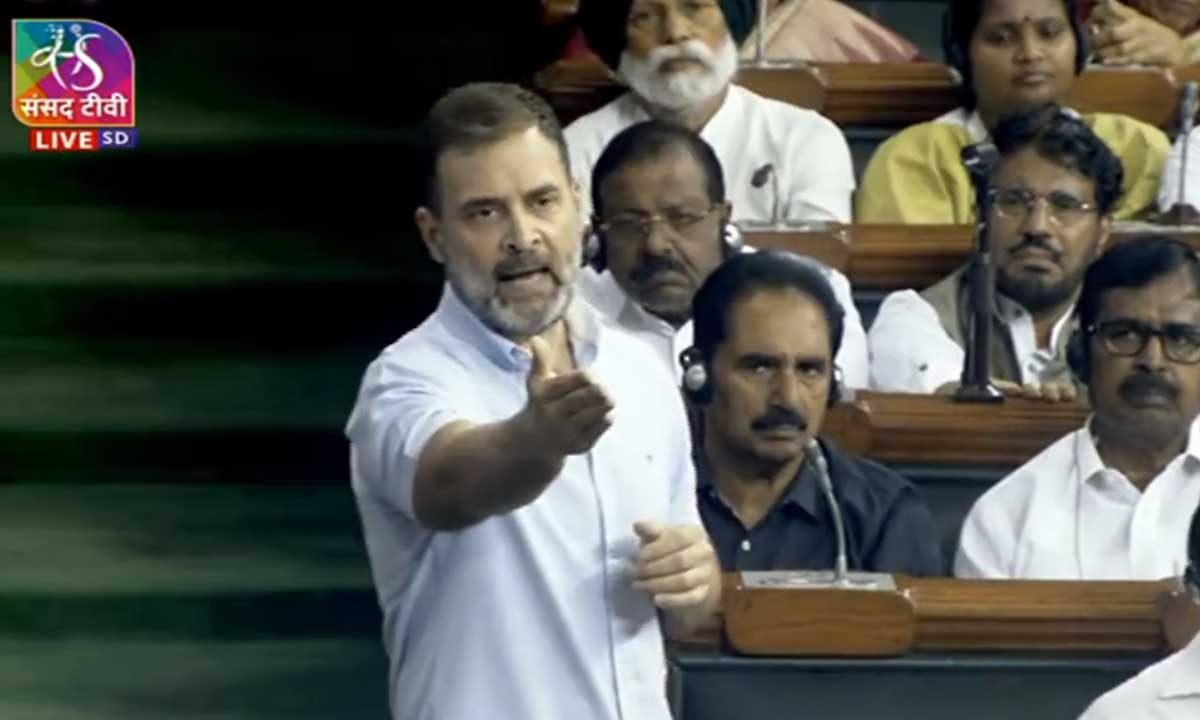
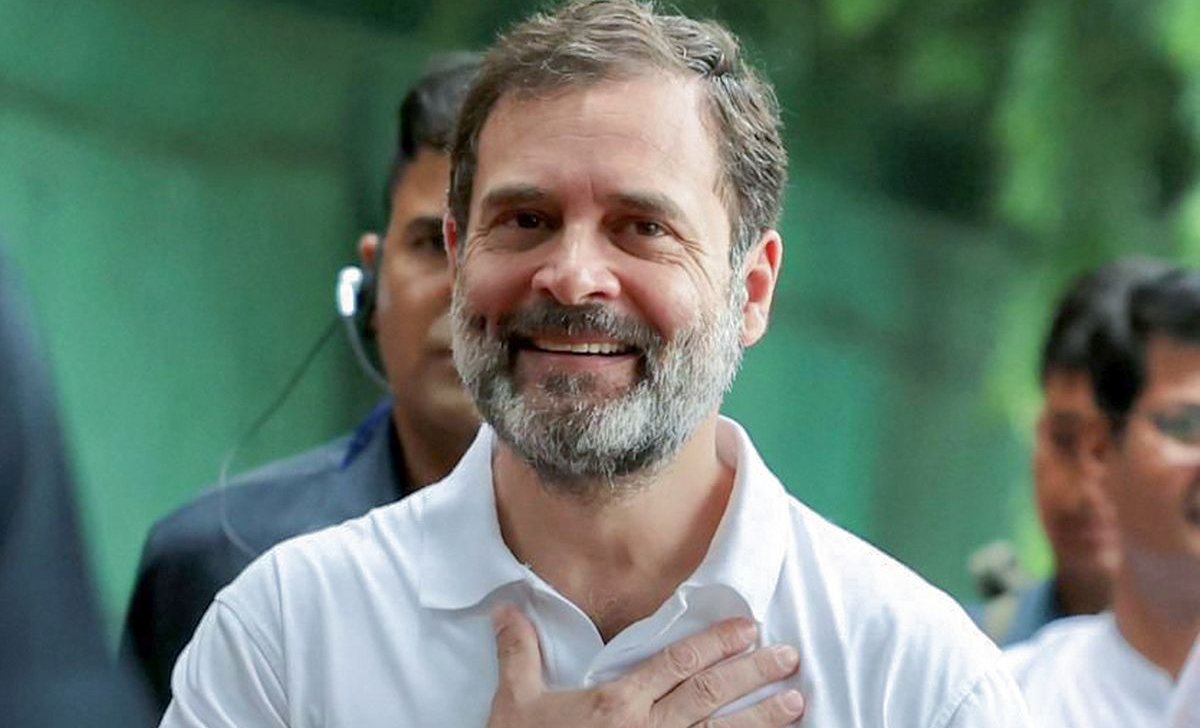
Rahul Gandhi lashed out BJP on Manipur issue, triggers uproar in Lok Sabha 7
Rahul Gandhi flexed his muscles during the no confidence motion debate in the Lok Sabha and stated that “For PM, Manipur is not India.” He added that “BJP’s politics has “murdered India in Manipur… BJP is anti-national.”
Congress Lok Sabha MP Gaurav Gogoi had initiated the no confidence debate on Tuesday, saying that the Opposition has brought this motion for Manipur. The 16-hour debate is expected to continue until Thursday (August 10), when Prime Minister Narendra Modi is expected to give his reply.
“No, BJP’s politics has not murdered Manipur; its politics have murdered India in Manipur, ‘Aapne Bharat ki hatya ki hai Manipur mein, aap desh-drohi ho… Agar PM Modi Hindustan ki awaaz nahi sunte, toh woh kiski awaaz sunte hai? (You have murdered India in Manipur, you are anti-national, murderers of India… If PM Modi doesn’t hear the people of India, who does he listen to?) Rahul Gandhi in the Lok Sabha.
Earlier on Tuesday, leaders of the Opposition alliance I.N.D.I.A. moved a privilege motion in the Rajya Sabha against Leader of the House Piyush Goyal for addressing some of the Opposition members as “traitors.”
In the Rajya Sabha, the Digital Personal Data Protection Bill, 2023, is among the six bills to be tabled by the government today. The General Secretary in charge of communications for the Congress Party took to X (formerly Twitter) to express that “Nothing less than an apology from him on the floor of the House, when it is ordered, will do.”
Further, the I.N.D.I.A. bloc staged a walkout of the Rajya Sabha for the rest of the day, citing the Narendra Modi-led Central government’s “continued refusal to allow an immediate discussion on the Manipur violence issue on the basis of a mutually negotiated Motion,” Ramesh shared on X.
Meanwhile, speaking for the government during the no-confidence motion debate, BJP MP Nishikant Dubey said, “The PM says that this is not a no-trust vote; it is a ‘trust in the opposition vote. They want to see who supports them.”
“Manipur violence has put the BJP in an awkward situation. The BJP has completely failed to control the violence in spite of ruling the state and the center. Rahul Gandhi is exposing the BJP on their fake attitude towards the development and harmony in the nation,” said a senior Congress leader.
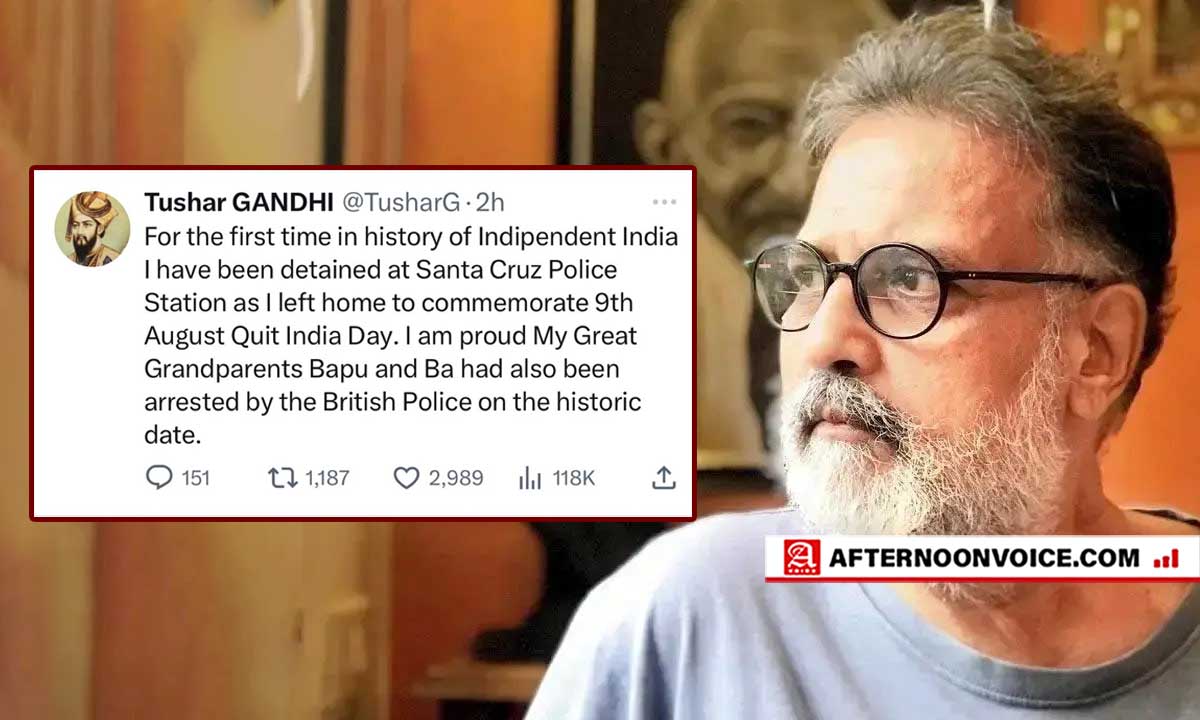
Tushar Gandhi, Teesta Setalvad and others detained ahead of Commemoration march in Mumbai 9
Tushar Gandhi, activist and great-grandson of Mahatma Gandhi, and activist Teesta Setalvad were stopped by Mumbai police from attending a protest march today, organisers of the event have alleged.
Gandhi was detained and taken to Santacruz Police Station, and Setalvad was asked to stay indoors, a statement by the organisers said. Freedom fighter Dr GG Parikh, now 99 years old, was also stopped from taking part in the protest, they added.
The protest, organised on the anniversary of the Quit India Movement against the British in 1942, was titled “Shanti March,” meaning peace march. A poster of the protest read, “Nafraton Bharat chodo, mohabbat se dilon ko jodo (Hate, leave India, let’s join hearts with love). The march was from Girgaon Chowpatty to August Kranti Maidan.
“As I was leaving to commemorate August Kranti Day, the Santacruz police stopped and detained me, citing ‘law and order’… I am currently at the Santacruz police station,” Tushar Gandhi told a agency.
This is the first time in his life that Tushar has been subjected to such action by the police, who have waited outside his house since Tuesday night.
“I am very happy as Mahatma Gandhi and Kasturba (Bapu and Ba) were also detained on this historic day by the colonial British Police… I am so proud,” Tushar Gandhi added.
He said he was not served any notice like some other Gandhians and organisations planning to go to August Kranti Maidan to mark the day, nor has he been slapped with any charges.
“I am just made to sit here… They are treating me very cordially… Apparently, it’s under the orders of the Commissioner of Police. As soon as I am allowed to leave, I shall definitely commemorate August Kranti Day and its martyrs,” he said.
Delhi services bill: AAP says BJP accusing Chadha of forgery 'attempt to take away' his Parliament membership 11
The AAP on Tuesday defended its MP Raghav Chadha after the BJP accused him of forging the signatures of five MPs in a motion related to the Delhi services bill in the Rajya Sabha, alleging that it is an ”attempt to disqualify” him as a member of Parliament.
Rajya Sabha member Sanjay Singh claimed that any MP can propose names for a select committee and that ”signatures are not required” for it.
”Any MP can propose names for select committees without their signature. The BJP is spreading lies and rumors,” he alleged.
AAP national spokesperson Saurabh Bharadwaj alleged that the BJP is ”cooking up a false case” against Chadha.
”Those (MPs) who said that Raghav Chadha forged their signatures, they lied because there was no signature. Breach of privilege motion action can be taken against them. Just like they (Centre) disqualified Rahul Gandhi by creating a false case, BJP wants to do the same with Raghav too. These people are very powerful and can do anything. But we are not afraid of them,” Bharadwaj claimed.
A select committee was proposed by Chadha in the Upper House on Monday to examine the Delhi services bill.
Senior AAP leader Atishi also claimed that the BJP accusing Chadha of forgery is ”an attempt to take away his Parliament membership”.
”It is BJP’s attempt to take away the Parliament membership of Raghav Chadha through backdoor, just like Rahul Gandhi’s membership was revoked,” she alleged.
Rajya Sabha Deputy Chairman Harivansh on Monday announced a probe into the complaints of at least four MPs that their names were included in a proposed select committee of the House for the Delhi services bill without their consent.
The select committee was proposed by AAP member Chadha in the Upper House to examine the Delhi services bill.
AAP spokesperson Priyanka Kakkar said, ”Raghav Chadha proposed the names of 19 MPs (for the select committee), of which five members refused. They made it a big issue out of it because they got scared of his speech.” After the deputy chairman read out the names to be included in the proposed select committee, Home Minister Amit Shah informed that five members have complained that their names were included without their signatures in the proposal moved by the AAP leader.
He demanded that this issue be investigated. Terming it a breach of privilege of the House, Shah said the matter should be referred to the privileges committee.
Then three members, including Sasmit Patra of the BJD, M Thambidurai of the AIADMK and S Phangnon Konyak of the BJP stood up and informed the House that their consent was not taken for the inclusion of their names in the proposed select committee.
To this, the deputy chairman said the complaints of the MPs will be probed. He, however, did not indicate the agency for the probe and the timeframe for completing it.
Parliament on Monday passed the Government of National Capital Territory of Delhi (Amendment) Bill, 2023, that gives the central government control over bureaucrats in the Delhi government.
Congress leader Rahul Gandhi has been re-allotted the 12, Tughlaq Lane bungalow a day after his Lok Sabha membership was restored following the Supreme Court staying his conviction in a defamation case, officials said on Tuesday.
The House Committee of the Lok Sabha decided to allot the bungalow which Gandhi was asked to vacate after he was disqualified as member of the lower house on March 24 and given a two-year jail term for the ‘Modi surname’ remarks.
”Mera ghar pura Hindustan hai (Whole country is my home),” quipped Gandhi when asked about being allotted the 12, Tughlaq Lane bungalow.
On Monday, the Lok Sabha Secretariat restored Gandhi’s membership of the lower house after the Supreme Court stayed his conviction in the defamation case.
In April, Rahul Gandhi vacated his official residence in central Delhi, in line with protocol, after he was disqualified as an MP in March following a Surat court’s conviction in the criminal defamation case. A disqualified MP is not entitled to a government accommodation and gets a month’s time to vacate the official residence.
Bank fraud: Special CBI court in Bengaluru sentences 5 to imprisonment, slaps fine of Rs 22 crore 14
A special CBI court in Bengaluru has sentenced five people to varying periods of imprisonment and imposed a total fine of more than Rs 22 crore on them in a bank fraud case, the agency said on Tuesday.
The CBI registered the case 10 years ago on a complaint from Union Bank of India, which had suffered losses of Rs 18.34 on the default of a loan by Nexxoft Infotel Ltd.
”The special judge for CBI cases…has sentenced various accused to undergo simple imprisonment ranging from one year to four years for causing a loss of Rs 18.34 crore to United Bank of India,” the CBI spokesperson said here in a statement.
The court also slapped the five accused with a fine of more than Rs 22 crore. It also imposed a fine of Rs. 1 crore on the company, Nexxoft Infotel Ltd.
”G Dhananjaya Reddy, Director of M/s Nexxoft Infotel Ltd., has been sentenced to undergo four years of simple imprisonment with a fine of Rs 10 crore; K Satyanarayana to undergo four years of simple imprisonment with a fine of Rs 12 crore; and G Nirmala, MD of said private company, to undergo one year of simple imprisonment with a fine of Rs 1 lakh.
”Dinesh Kavoor, Director of said private company, to undergo one-year simple imprisonment with a fine of Rs 1 lakh, and Rajesh Kumar Madhav, then AGM, UBI, Cantonment Branch, Bengaluru, to undergo one-year simple imprisonment with a fine of Rs 50,000,” the agency spokesperson said.
The accused company had availed a term loan of Rs 16 crore from United Bank of India for importing software from a Dubai-based company and purchasing software from another private company in Bengaluru.
To avail of this loan, the accused gave exclusive charge over a software package worth Rs 21.50 crore and land measuring more than one acre at Sadarmangala village, Bengaluru, as collateral security.
”It was further alleged that the borrower company diverted the funds and that no primary security was created in the account, which became irregular due to non-payment of instalments. The account became NPA w.e.f. June 30, 2011, with an outstanding amount of Rs 13.44 crore (approx.). This outstanding amount thereafter increased to Rs 18.34 crore (approx.) as of April 30, 2013, which was the loss to the bank,” the spokesperson said. The agency filed a charge sheet on December 30, 2013.
The trial court found the accused guilty and convicted them. ”Four accused were acquitted by the court, and one accused expired during trial,” the spokesperson said.
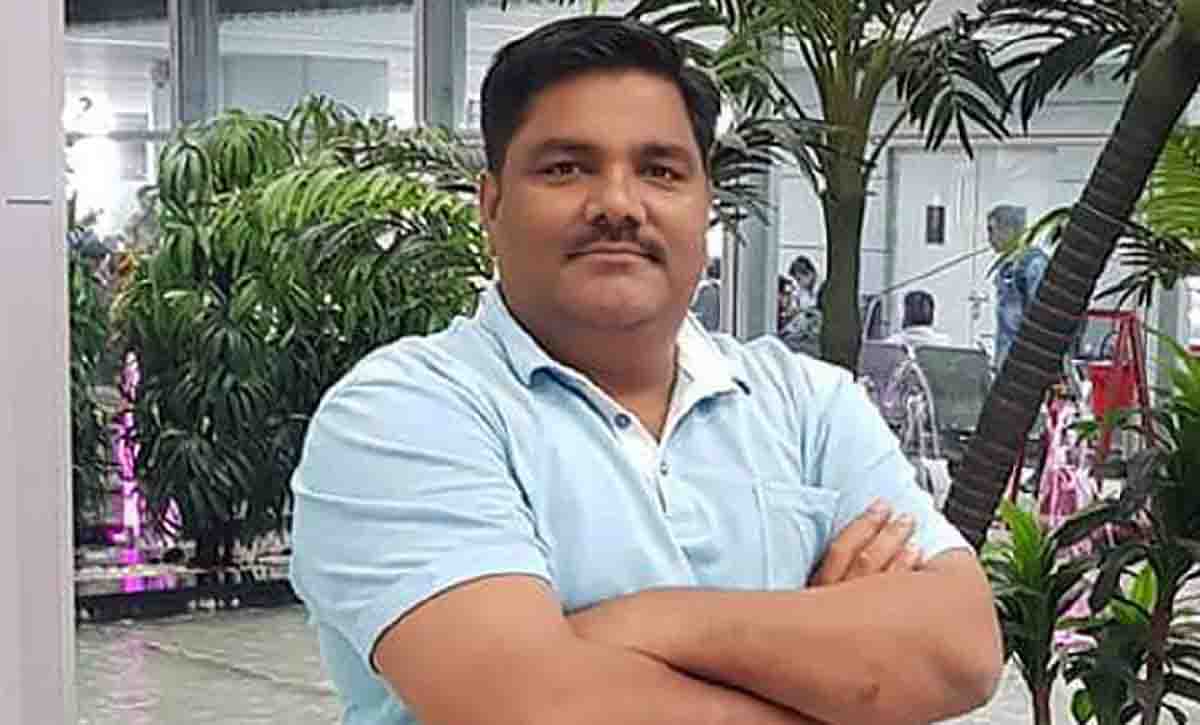
2020 Delhi riots: Court orders framing of charges against Tahir Hussain for instigating mob 16
The Sessions Court has ordered the framing of charges, including those of rioting, looting, and arson, against former AAP councillor Tahir Hussain, saying he prima facie instigated mob violence during the 2020 northeast Delhi communal riots.
The court, which discharged three accused in the case, however, ordered the framing of charges against nine others for several offenses, saying a ”prima facie case” existed against them.
The court was hearing a case against 13 people, who were accused of being part of a riotous mob that looted and torched three shops in Moonga Nagar locality in New Mustafabad on February 24, 2020.
Additional Sessions In an order passed on August 5, Judge Pulastya Pramachala said there was a prima facie case against the nine accused for offenses under Indian Penal Code (IPC) sections 148 (rioting, armed with a deadly weapon), 149 (unlawful assembly), 188 (disobedience to an order duly promulgated by a public servant), 380 (theft in a dwelling house), and 427 (punishment for committing mischief and thereby causing loss or damage to the amount of Rs 50 or upwards).
The nine accused are Shah Alam, Mohammed Shadab, Riyasat Ali, Gulfam, Rashid Saifi, Mohammed Rihan, Mohammed Abid, Arshad Qayyum, and Irshad Ahmed.
The accused were also liable to be tried for offenses under IPC sections 435 (mischief by fire or explosive substance with intent to cause damage to an amount of 100 rupees or upwards), 436 (mischief by fire or explosive substance with intent to destroy house, etc.), and 450 (house-trespass in order to commit any offense punishable with imprisonment for life), he said.
Noting the evidence before the court, ASJ Pramachala said, ”The mob was instigated by Tahir Hussain to indulge in vandalism, looting, and arson in the properties and shops situated in that area. That mob consequently attacked the nearby properties, including the three properties in question in this case.” ”A prima facie case for the offenses under IPC sections 148, 380, 427, 435, 436, and 450 read with IPC section 109 (punishment of abetment) is made out against Tahir Hussain,” he said.
The court, however, discharged three accused persons, Deepak Singh Saini, Mahak Singh, and Navneet, saying the prosecution was unable to bring on record any ”admissible” evidence that could establish that the trio was part of the riotous mob.
Noting that one of the incidents of vandalism remained unsolved, the court directed the Station House Officer (SHO) concerned to look into the relevant aspects and act accordingly. An FIR was lodged at Dayalpur police station against the accused on the basis of a complaint. Later, two more complaints were clubbed together with it.
The Supreme Court said on Tuesday it will hear arguments on August 9 on the locus standi of multiple people who have filed PILs in the Bilkis Bano gang-rape case and the murder of seven of her family members during the 2002 Gujarat riots.
Besides the petition filed by Bilkis Bano, several other PILs, including one by CPI(M) leader Subhashini Ali, independent journalist Revati Laul and former vice-chancellor of Lucknow University Roop Rekha Verma have challenged the remission. Trinamool Congress (TMC) MP Mahua Moitra has also filed a PIL against the remission.
Senior advocate Sidharth Luthra, appearing for one of the convicts, told a bench of Justices BV Nagarathna and Ujjal Bhuyan that once the victim individual is in court, others may not have a locus standi (entitlement to bring a lawsuit in court) to intervene in the matter of this nature.
”We have heard counsel for the parties. The other writ petitions are in nature of PILs. A preliminary objection has been raised with respect to the maintainability of the PILs. In order to hear the preliminary objection, list the matter tomorrow at 3 pm,” the bench said.
Senior advocate Indira Jaising, appearing in one of the PILs, submitted she will not address the court on the facts of the case and argue purely on the proposition of law.
The convicts in the Bilkis Bano gang-rape case and murder of seven of her family members during the 2002 Gujarat riots chased her with a ”blood thirsty approach” to hunt Muslims and kill them, the apex court was told on Monday, as it commenced the final hearing on a batch of pleas challenging the remission granted last year to all the 11 convicts in the case.
The top court had on April 18 questioned the Gujarat government over the remission granted to the 11 convicts, saying the gravity of the offence should have been considered before showing leniency, and wondered if there was any application of mind. All of them had walked free on August 15, 2022.
Asking for reasons for the premature release of the convicts, the top court had also questioned frequent parole granted to them during their incarceration.
”It (remission) is a kind of grace, which should be proportional to the crime,” it had said.
Terming Bilkis Bano’s gang-rape and the murder of her family members a ”horrendous” act, the apex court had on March 27 asked the Gujarat government whether uniform standards, as followed in other murder cases, were applied while granting remission to the convicts.
Bilkis Bano was 21 years old and five months pregnant when she was gang-raped while fleeing the horror of the communal riots that broke out after the Godhra train-burning incident. Her three-year-old daughter was among the seven family members killed in the riots.