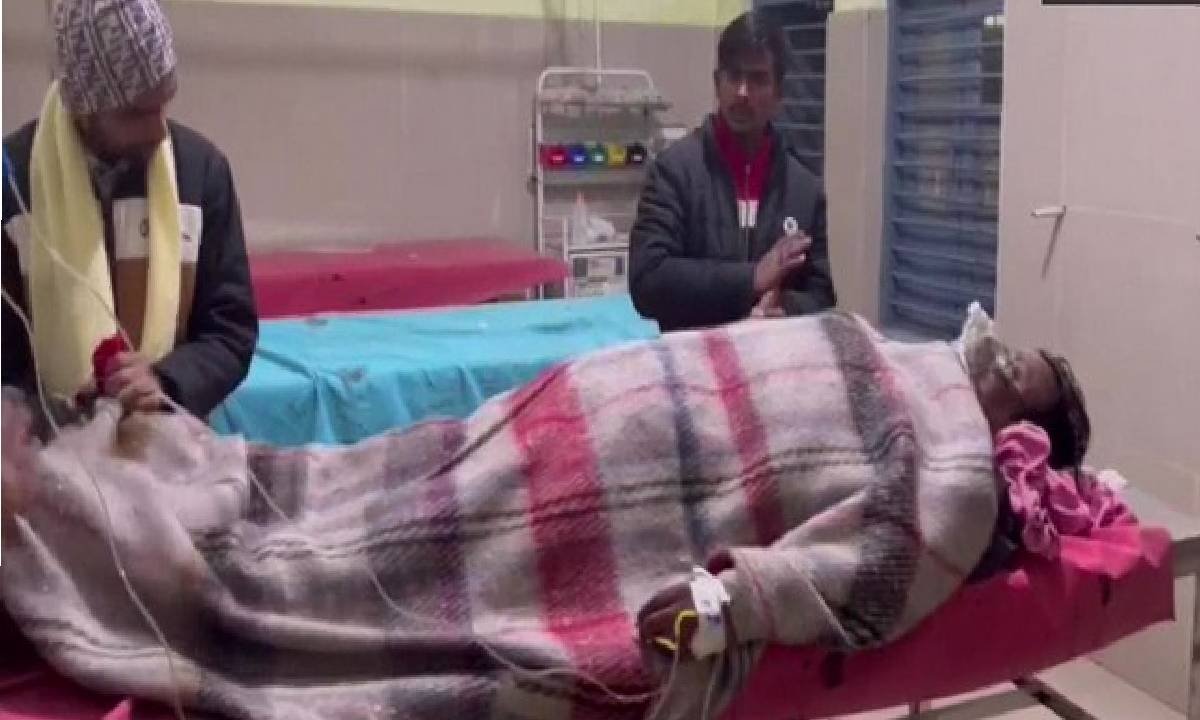
At least three people in Chhapra area of Bihar’s Saran district have died after allegedly consuming spurious liquor amid reports that the toll is expected to climb, said police on Wednesday.
Though the police in Ishauvpur have not confirmed the cause of “suspicious” deaths yet, they apprehended that the toll may rise which various sources put at five, six and 10.
“Three died, bodies sent for postmortem, these look like suspicious deaths. I have also received information that some more are receiving treatment at different places,” SP S Kumar said.
Madhepur DSP reached the spot and started the investigation. The police are searching for more sick people who might be in hiding to avoid interrogation as the sale and consumption of alcohol is completely banned in Bihar since April 2016.
Among the deceased are Amit Ranjan, who died during treatment at Chhapra Sadar Hospital. The district police force have reached the hospital and taken Ranjan’s body into custody.
The police said that the cause of the death would be ascertained only after the post-mortem. Four other people, who reportedly died in the village after consuming spurious liquor have been identified and include Sanjay Singh of Doila village, Kunal Kumar of Mashrak area, and Ganesh Ram all from Ishauvpur police station area.
The relatives of the deceased have claimed that the cause of death is spurious liquor but police have yet to confirm.
In mid-August in a similar case in the same district in Bhualpur village, five people had died after consuming spurious liquor.
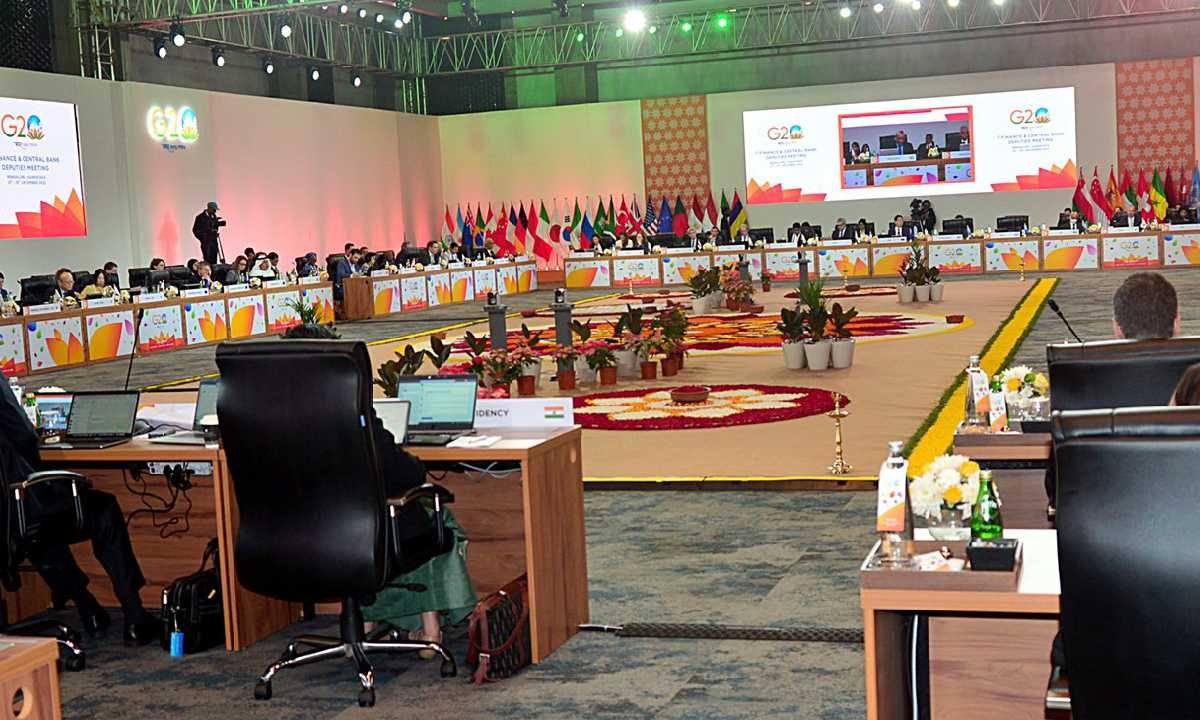
India took up the G20 presidency this month and has a crucial year coming ahead for its global ambitions. Global challenges including the war in Ukraine as well as the serious concerns posed by the aftermath of the pandemic are aspects that India’s presidency predominantly would be focusing upon.
The joint effort of groupings such as the G20 has historically played an important role in laying forth concerns of the global world that have largely gone unheard of at other multilateral forums.
India, thus finds itself steering the global agenda towards concerns not only in regard to its adjoining regions but also of those in the global south.
At a panel discussion in Udaipur this month, G20 Sherpa Amitabh Kant said India’s G20 Presidency has come at a time when the world is under political turmoil and there are challenges of geopolitical crisis in Europe, breakdown of supply chains, the situation of climate action, and poverty.
“There’re challenges of geopolitical crisis in Europe, breakdown of supply chains, the crisis of climate action, poverty, inflation & slowdown of global growth. Amid such a crisis India is taking the G20 presidency, we believe every crisis is an opportunity,” Kant said at the first side event of G20, ‘Transforming Lives: Accelerating Implementation of SDGs – A panel discussion’.
The theme of India’s presidency had earlier been revealed to be ‘Vasudhaiva Kutumbakam — One Earth, One Family, One Future, which illustrates India’s motto of collectively responding to the immediate global challenges that face the world.
India, on its end, has been striving to concentrate its effort on various multilateral groupings that are a part of the G20 summit in an attempt to convert words into action.
For instance, the IBSA (India-Brazil-South Africa) tri-lateral had recently agreed to reaffirm the G20’s role in economic cooperation and stressed its need on implementing the Sustainable Development Goals.
India’s presence in the tri-lateral with South Africa and Brazil presents it with the rare opportunity to jointly emphasise and steer the agendas towards a growth-oriented outlook for some of the fastest-growing developing countries; that too with the rare opportunity of all three countries expected to hold the presidency consecutively- India in 2023, Brazil in 2024, and South Africa in 2025. Secondly, food and energy security are perhaps a major concern that faces the global south and which has more or less been exemplified by the crisis in Ukraine.
India’s presidency, as emphasised by Prime Minister Modi, would seek to safeguard the global interest of those nations that finds itself in vulnerable situations.
A concentrated effort is thus expected to take place during India’s presidency in securing vital food and energy supply chains especially given the times of global uncertainty. In a similar manner, India would do well to encash upon the opportunity of utilizing its membership in QUAD to present to other member nations its collective endeavour of mitigating climate change.
The quadrilateral’s Q-CHAMP (Quad Climate Change Adaption and Mitigation Package) approach is one specific domain that could be exemplified to incorporate a collective G20 response as well.
The initiative aims to build a green corridor framework comprising clean energy cooperation, strengthening clean energy supply chains, climate-smart agriculture, and reducing disaster risks through disaster and climate-resilient infrastructure amongst other initiatives.
India’s effort to include a stronger emphasis on Disaster Risk Reduction (DRR) would too do well in reducing the annual loss of approximately USD 218 billion that the global economy faces annually. With the CDRI (Coalition for Disaster Resilient Infrastructure) expected to play an integral part during India’s presidency.
A secondary component that could also possibly be dwelled upon, would be to seek a further inclusive forum within the G20 in tune with its call for reforms in multilateral institutions such as the UN, IMF, WTO and others.
With a rare opportunity to influence the perspective of the grouping, India would want to push for the inclusion of Africa’s representation within the G20 by advocating the elevation of the African Union from a permanent observer to a complete member similar to the European Union’s status.
This would not only inculcate the growing threats of increased Chinese investments in the continent but would also provide greater leverage to the African nations in restructuring high-debt deals with China.
The growing animosity against Chinese debt lent to developing countries comes under the backdrop of the Common Framework that was established at 2020’s G20 meeting.
The framework since then has attempted to bring all major bilateral creditors together in an effort to coordinate debt relief structures against low-income countries.
However, the initiative has gained little interest due to China’s lack of transparency as well as cooperation.
India in specific is focused towards pushing for reforms in multilateral institutions like the IMF and World Bank to make them more attentive to developing countries, thus, also providing alternatives to such countries seeking easy financial assistance apart from Chinese funds.
However, these efforts would only bear fruits if efforts are made to include other important members in supporting such initiatives.
The promises of a group incorporating varied interests from all the regions have reaped opportunities that have the potential to move power centres away from hegemonic domination to a far more distributive and multipolar global order.
The prospects of a productive and efficient inter-governmental forum, in any case, must not be ruled out in its entirety. Intergovernmental forums in the same light have the capability of playing a defining role in navigating agendas at a global platform majorly concerning the global south that has found few listeners in such arenas.
In these circumstances, India finds itself heading the diverse group through these turbulent times; times that shall be filled with layered challenges.
Yet, these challenges also pose themselves as opportunities for India; occasions that shall enable it to showcase to the world that it is well-equipped and well-prepared to lead through such obstacles.
Its emphasis therefore must focus towards utilizing its unique position as a democratic setup that has by and large integrated varied interests of the developing and the under-developed world.
India’s agendpropose thus should be one that proposes an inclusive and collective global effort against challenges that are only increasing from here on forth.
Sanitation campaign launched in Kurla. My Mumbai Swachh Mumbai Swachhta Abhiyan was implemented through cleanliness, painting competition and cleanliness oath in Municipal Corporation L Division at Kurla West.
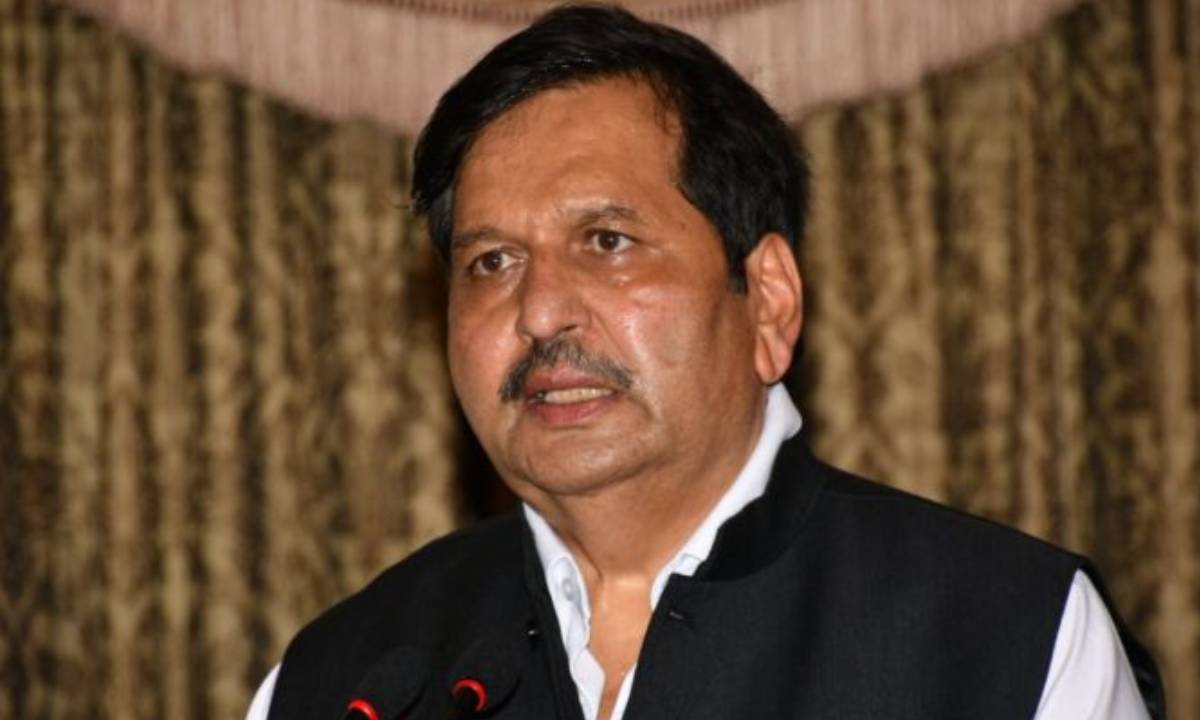
Mangal Prabhat Lodha, Minister of Skill, Employment, Entrepreneurship and Innovation of Maharashtra State and Guardian Minister of Mumbai Suburban District, gave the message of cleanliness from Kurla.
Mumbai Suburban District Guardian Minister Mangal Prabhat Lodha expressed his satisfaction with the cleanliness campaign organized by L Ward and said that every student should tell their families about the importance of cleanliness after going home.
Lodha said that citizens should realize their responsibility and contribute to the cleanliness drive.
RTI Activist Anil Galgali said that the government and the municipal corporation are doing their best but no initiative succeeds unless there is public participation.
Assistant Commissioner Mahadev Shinde said that common citizens have responded well to the municipality’s campaign.
The Narcotics Control Bureau’s (NCB) Mumbai zonal unit has busted an inter-state drug trafficking racket by arresting five persons and seizing drugs worth Rs 15 lakh, an official said on Tuesday.
In a four-day operation, NCB sleuths conducted raids at various places in Mumbai, Thane, and Navi Mumbai and seized more than 1,400 Codeine based Cough Syrup (CBCS) bottles and 6,000 Nitrazepam tablets from the possession of the five persons, including a woman.
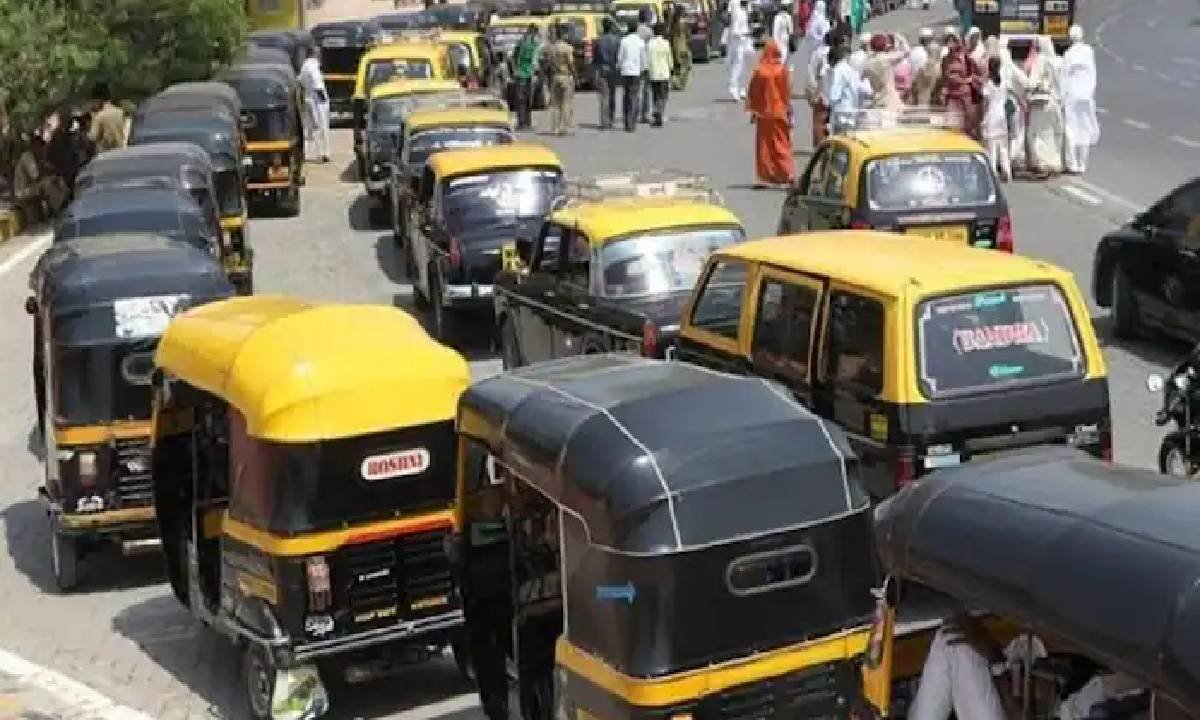
The Pune police have registered a case against 37 autorickshaw drivers for the protest staged by unions against ‘bike taxis’ operating in the city, an official said on Tuesday.
Several autorickshaw unions protested on Monday against ‘bike taxis’ and parked their three-wheelers in the middle of the road at RTO Chowk, causing heavy traffic jams on the nearby routes.
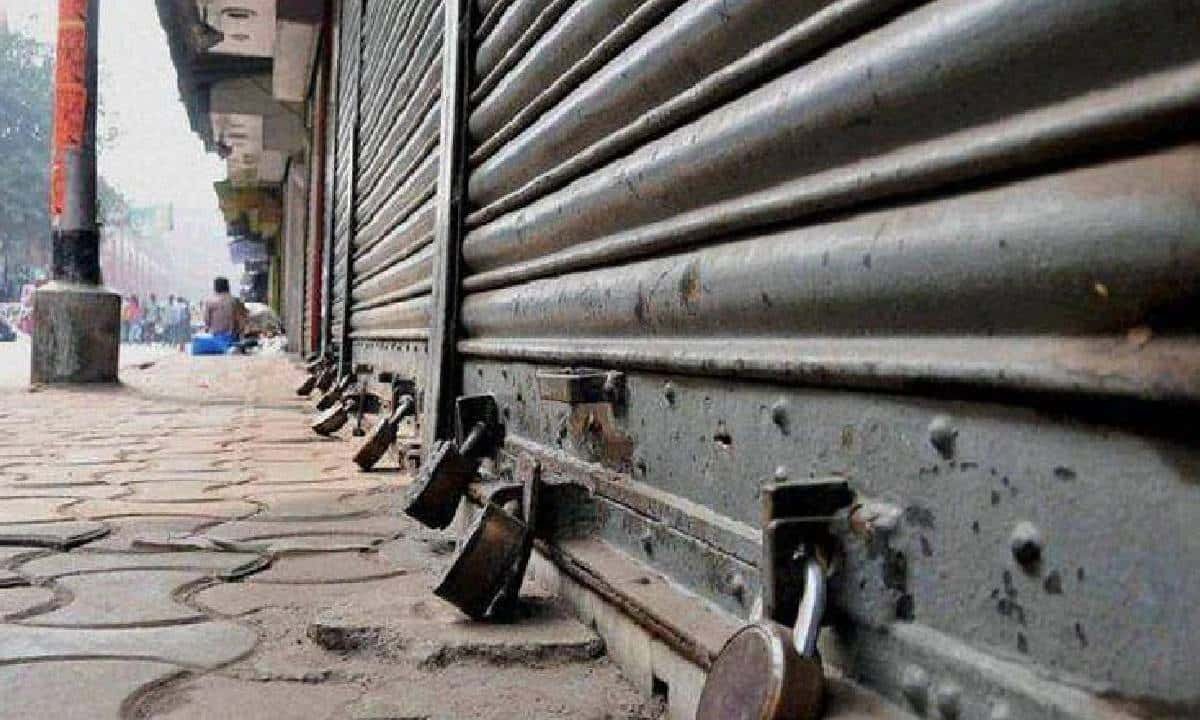
In an unprecedented massive show of strength, over 80 political parties and social organizations staged a silent march here on Tuesday to protest the repeated slurs on Chhatrapati Shivaji Maharaj and other icons, while large areas of the city, including wholesale markets, observed a shutdown.
The processionists, estimated at nearly two lakhs, sported saffron flags, black banners, and posts and demanded the removal of Governor Bhagat Singh Koshyari for his recent utterances vilifying great icons of the state.
Maha Vikas Aghadi members of Congress, Shiv Sena-UBT, Nationalist Congress Party, around three dozen Maratha, Shiv Premi, and Muslim organizations, the royal descendent Chhatrapati Udayanraje Bhosale and a large number of women walked in the silent march from Deccan to Lal Mahal areas of the city.
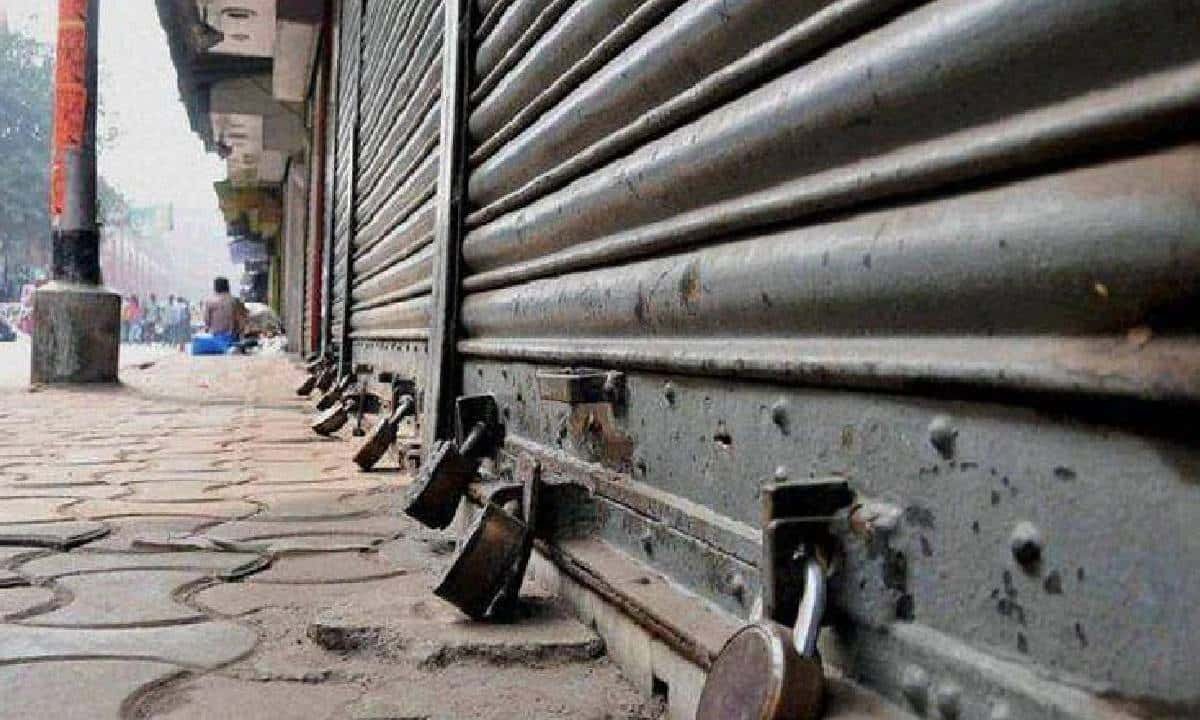
Most shops and businesses remained closed in Pune city on Tuesday morning in response to a call for `bandh’ (shut-down) given by opposition parties to protest comments against Chhatrapati Shivaji Maharaj and other iconic leaders of the state.
While the ruling Bharatiya Janata Party in Maharashtra has not supported the bandh call, its Rajya Sabha member Udayanraje Bhosale, a descendant of Shivaji Maharaj, joined a silent march organized by the protesters.
The march began from Chhatrapati Sambhaji Maharaj’s statue and would end at the Lal Mahal in the city.
Shiv Sena leader Sushma Andhare also participated in the march.
45 children have been rescued from the illegal children’s home run by Pentecostal Bethel Gospel church 9
NHRC notice to Maharashtra government, DGP over sexual exploitation of girls at a shelter home in Nashik district. “Prima facie it is apparent that the district authorities concerned have “failed” to conduct proper supervision at the shelter home, which is being run within their jurisdiction,” NHRC said in a statement.
The National Commission for Protection of Child Rights (NCPCR) has asked the chief secretary and DGP, Maharashtra, to initiate action against the illegally run Bethel Gospel Pente Costal Church at Seawoods, Nerul, for sexual exploitation of children at its shelter home. It has also sought a report on steps taken. The NCPCR has concluded its probe and sent copies of the report to the chief secretary and DGP, highlighting the delay on part of the authorities to vacate church premises and the improper investigation into the molestation case.
The chief secretary has been ordered to take action against erring officials involved in encroachment of government land, and produce rescued children before the Child Welfare Committee. It has also been directed to provide counselling, compensation and rehabilitation to the minors. The DGP has been ordered to immediately arrest the trustee of the church, said Priyank Kanoongo, NCPCR chairperson.
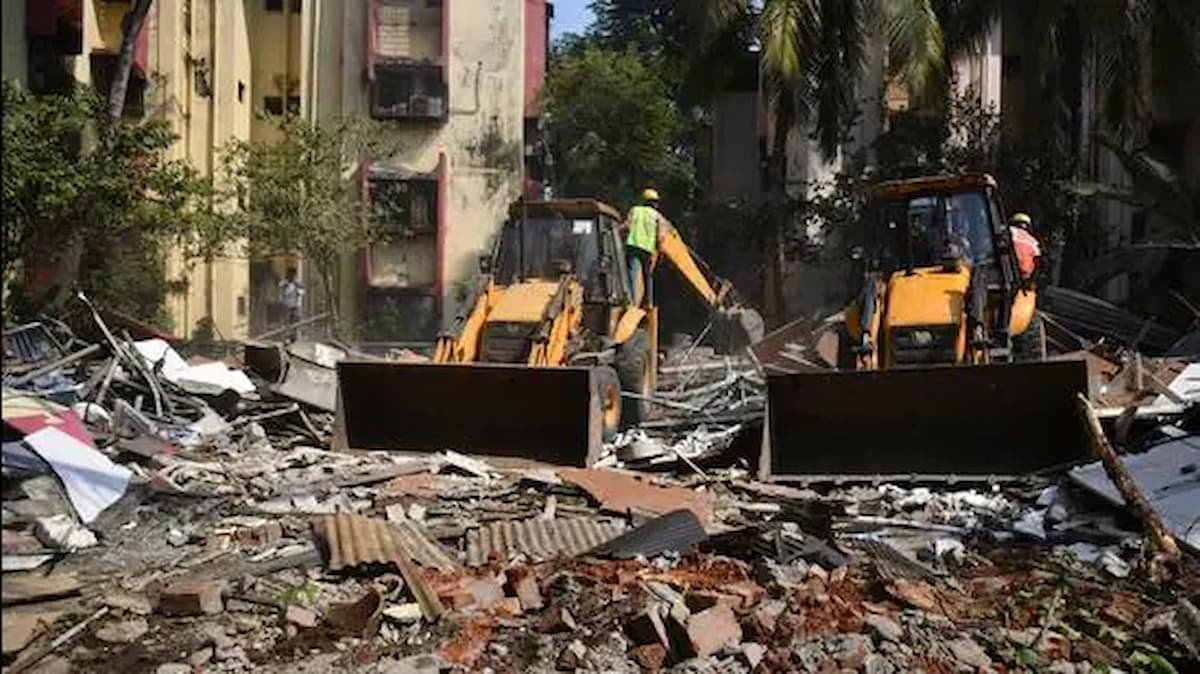
On Friday, December 2, the Pentecostal Bethel Gospel church at Seawood, from where a pastor was arrested over allegations of molesting children was demolished by the Navi Mumbai Municipal Corporation (NMMC).
The church was razed by bulldozers on the recommendation of the National Commission for Protection of Child Rights (NCPCR). The NCPCR intervened after receiving multiple complaints of sexual abuse in the church.
Taking to Twitter the NCPCR chairman Priyank Kanoongo informed about the action taken against the illegal church and wrote, “45 children have been rescued from the illegal children’s home run by Bethel Gospel Church in Navi Mumbai which was demolished by bulldozers based on the recommendations made by @NCPCR_ after complaints of sexual abuse of children. thank you @Dev_Fadnavis.”
Notably, in August District Child Protection Officer Thane raided the church and rescued 45 children. The rescued children were moved to various shelters in Thane and the 55-year-old pastor was arrested by the NRI Coastal Police.
After complaints to the state government went unanswered, NCPCR Chairperson Priyank Kanoongo and another official paid a visit to the children’s home on October 8. During the visit, the team met with the Investigating Officer, the District Child Protection Officer, and a shelter resident.
The NCPCR team during its investigation discovered that the minor children living in the church-run shelter home had been brought to the Navi Mumbai church by a man named Vinod, who had come from Rajasthan, Odisha, and other states. It is pertinent to note here that when the alleged crime was revealed, questions were raised about the church’s legality. If the church was found to be illegal, the police asked the NMMC to take appropriate action.
The Supreme Court on Tuesday posted for January 10 hearing a batch of petitions filed by the rival factions belonging to Uddhav Thackeray and Chief Minister Eknath Shinde of Shiv Sena group in relation to the Maharashtra political crisis.
A five-judge Constitution bench of Chief Justice DY Chandrachud, Justices MR Shah, Krishna Murari, Hima Kohli and PS Narasimha asked the counsels of both sides to complete all procedural formalities in the meantime.
Senior advocate Kapil Sibal appearing for the Thackeray group told the apex court that he would argue on the reference of the matter to the seven-judge bench.
“It has been agreed that Mr. Sibal shall circulate a brief note of his submission on proposed reference to a seven-judge bench. The note shall be submitted two weeks in advance to Governor of Maharashtra and private respondents,” the bench stated in its order. The top court also noted that other parties can also make a note of their submissions.
On July 13, 2016, a five-judge Constitution bench of the Supreme Court in the Nabam Rebia case held that Speaker cannot initiate disqualification proceedings when a resolution seeking his removal is pending.
Earlier, Uddhav Thackeray-led group had said to the apex court that an unconstitutional government was running in Maharashtra.
In August, the top court’s three-judge bench had referred the issues involved in the petition filed by rival groups of Shiv Sena in relation to the Maharashtra political crisis to a five-judge Constitution bench.
It had said that some of the issues involved in the Maharashtra political crisis might require a larger Constitutional bench for consideration.
The bench also asked the Speaker of the Maharashtra Legislative Assembly, Rahul Narwekar not to take any action on the new disqualification notices issued against the members of Shiv Sena.
Notably, there are various petitions pending before the apex court which have been filed by both factions of Shiv Sena.
The Thackeray-led faction had approached the top court challenging the Maharashtra Governor Bhagat Singh Koshiyari’s decision to invite Eknath Shinde to form the government and also the election of the speaker and floor test.
Later they also challenged the Shinde group approaching the poll panel claiming they are ‘real’ Shiv Sena. They had also challenged the newly appointed Maharashtra Assembly Speaker’s action recognising the whip of the Eknath Shinde group as the whip of Shiv Sena.
The plea said: the newly appointed Speaker has no jurisdiction to recognise whips nominated by Shinde as Uddhav Thackeray is still the head of the Shiv Sena official party.
The plea was filed by Thackeray camp’s Sunil Prabhu seeking suspension from the Maharashtra Assembly of new Chief Minister Eknath Shinde and 15 rebel MLAs against whom disqualification pleas are pending.
Shinde group’ challenge to the disqualification notices issued by the Deputy Speaker to 16 rebel MLAs as well as the appointment of Ajay Choudhary as Shiv Sena Legislature Party leader, is also pending before the apex court.
On June 29, the top court gave a ‘go ahead’ to the floor test in the Maharashtra Assembly on June 30. Refusing to stay the Maharashtra Governor’s direction to the then Chief Minister Uddhav Thackeray to prove his majority support on the floor of the House on June 30, the bench had issued notice on Prabhu’s plea against the floor test.
After the apex court’s order, Uddhav Thackeray announced his resignation as the Chief Minister and Eknath Shinde was later sworn-in as the Chief Minister of Maharashtra.
The Supreme Court on Tuesday asked the counsel for the contesting parties to decide issues for adjudication in a batch of petitions challenging the constitutional validity of Section 6A of the Citizenship Act relating to illegal immigrants in Assam.
A five-judge Constitution bench headed by Chief Justice D Y Chandrachud took note of the submissions of senior advocate Kapil Sibal, appearing for one of the petitioners, that the petitions needed to be segregated and the issues needed to be formulated for adjudication.
The bench, also comprising justices M R Shah, Krishna Murari, Hima Kohli, and P S Narasimha, agreed to the submissions that the petitions be kept for directions on January 10 next year for issuing the directions with regard to laying down parameters for the hearing.
“We are going to resolve how the matters have to be segregated. We will sit together and resolve this. Just put it on after vacation,” Sibal said. “The counsel would segregate the cases which fall for decision before this court into distinct categories and the order in which the arguments are to be made,” the bench said, adding “We will keep it for directions.” The bench directed the apex court registry to provide scanned soft copies of the complete set of pleading filed on the issue. Section 6A in the Citizenship Act was inserted as special provisions to deal with the citizenship of persons covered by the Assam Accord.
The provision provides that those who have come to Assam on or after January 1, 1966, but before March 25, 1971, from specified territories, including Bangladesh in 1985, and since then are residents of Assam, must register themselves under section 18 for citizenship.
As a result, the provision fixes March 25, 1971, as the cut-off date for granting citizenship to Bangladeshi migrants in Assam. As many as 17 petitions, including the one filed by Assam Public Works in 2009, are pending on the issue in the apex court.
Earlier, the constitution bench directed the parties to file joint compilations consisting of “written submissions; precedents; and any other documentary material on which reliance will be placed at the time of hearing”. “A common index shall be prepared in three separate volumes of the above compilations,” it had said.
It had appointed lawyers Fuzail Ahmad Ayyubi, assisting Sibal, and Diksha Rai, the counsel appearing with Attorney General R Venkataramani as the nodal counsel to ensure that soft copies of the compilations are prepared and circulated to the Bench and to the counsel appearing on behalf of the contesting parties.