Twitter on Thursday stated every day a call takes place with executives and a briefing which aims to remove fake and spam accounts which are used to tussle with Elon Musk over “Spam Bots”. It removes 1 million spam accounts each in a call with executives.
As per the reports, Twitter has said “ It reviews “thousands of accounts” sampled at random, using both public and private data such as IP addresses, phone numbers, geolocation and how the account behaves when it is active, to determine whether an account is real”. So that it calculates how many are malicious spam.
Twitter has stated there are few private data on Twitter that isn’t available publicly and not in the data “firehose” that was given to Musk, including IP addresses, phone numbers, and location. Twitter also states such private data helps avoid misidentifying real accounts.
Most companies and advertisers are facing issues of fake social media accounts for years. Most advertisers rely on social media for advertisements. There are Spam bots that are used to amplify messages and give out misleading information. Twitter has checked all this information after which they stated all the accounts are not “Malicious bots” some are “Good bots” which give news information, health and weather updates.
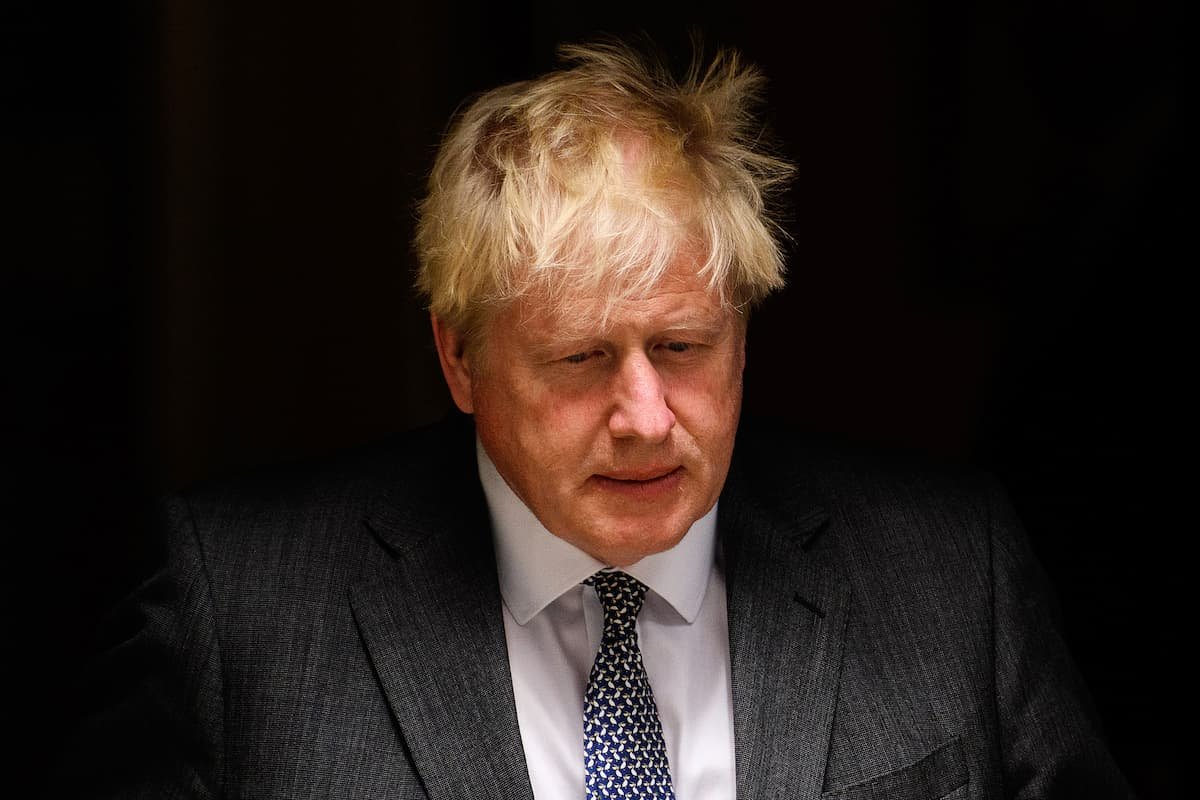
Boris Johnson’s glorious days of leading the UK ended with inflation rising in 2022, to the current rate of 9.1%. Many of the reasons were outside of Boris Johnson’s control. Russia’s invasion of Ukraine, for example, has led to rises in oil prices and the cost of food. And, while the government has taken some steps – for example, by cutting fuel duty by 5p per litre – it also went ahead with a tax rise in April. National Insurance went up by 1.25 pence in the pound. The government said the tax rise would pay for health and social care, and changes that kicked in this week softened the blow – but anyone earning more than £34,000 a year will still pay more. The UK was in the middle of the worst cost-of-living crisis for decades.
In October 2021, a House of Commons committee recommended a 30-day suspension for then-Conservative MP Owen Paterson. The committee said he broke lobbying rules, to try to benefit companies who paid him. But the Conservatives – led by the prime minister – voted to pause his suspension, and set up a new committee to look at how investigations were carried out. After an outcry, Mr Paterson ended up resigning. Mr Johnson later admitted he had “crashed the car” in his handling of the case.
Mr. Johnson’s premiership has been rocked by a chain of scandals in recent months after they found government officials to have held several parties in his Downing Street headquarters while the rest of the country was under strict Covid-19 lockdowns. He apologized to Buckingham Palace after staff held parties on the night before the funeral of Prince Philip, where Queen Elizabeth had to sit alone to comply with social-distancing requirements. Most recently, Johnson had to apologize for appointing as a senior parliamentary official a man whom he knew had a history of allegedly making unwanted sexual advances. “Them’s the breaks,” Johnson said as he announced his decision outside Downing Street. Less than three years ago, Boris Johnson led the Conservatives to their biggest election victory since 1987.
Now, the prime minister has lost the support of his MPs and is set to resign. The last British prime minister to resign was Theresa May, in 2019. Her departure started the leadership race that resulted in Mr Johnson becoming prime minister. He later secured a landslide election win. Mr Johnson will stay on in a caretaker capacity until a new leader is selected. British Prime Minister Boris Johnson said he would resign once a successor is chosen after senior members of his government turned against him and urged him to stand down following a series of scandals. It is a stunning reversal for a politician who has dominated British politics since the campaign to pull the UK out of the European Union, but one that leaves the ruling Conservative Party with a difficult choice—who should it pick to replace him?
Johnson decided to step down after senior cabinet ministers from his ruling Conservative Party, including Treasury Chief Rishi Sunak, and a long list of junior officials resigned, making it difficult if not impossible for him to run the government. He tried to hold on for a while, but as the number of departures mounted it became clear he would have to leave if the government was to get back on its feet. Many names have been mentioned, but there is no clear and obvious candidate. Mr. Sunak, the former Treasury chief and onetime hedge-fund manager, is seen as a front-runner but so far hasn’t officially thrown his hat into the ring.
Potential rivals include figures such as Ben Wallace, the defense minister, who has overseen the UK’s response to the war in Ukraine, and Foreign Secretary Liz Truss, though neither have the same name recognition as Johnson. Other candidates include lawmakers Penny Mordaunt and Jeremy Hunt. The man Johnson chose to succeed Sunak, Nadhim Zahawi, has also been touted in some quarters as a potential candidate. After less than 24 hours on the job, Zahawi on Wednesday issued an open letter calling on Johnson to step down. Whoever it is, choosing the next leader is lengthy. Successive rounds of voting by Conservative lawmakers would whittle the number of candidates to two, who would then be presented to the party’s broader membership and voted on.
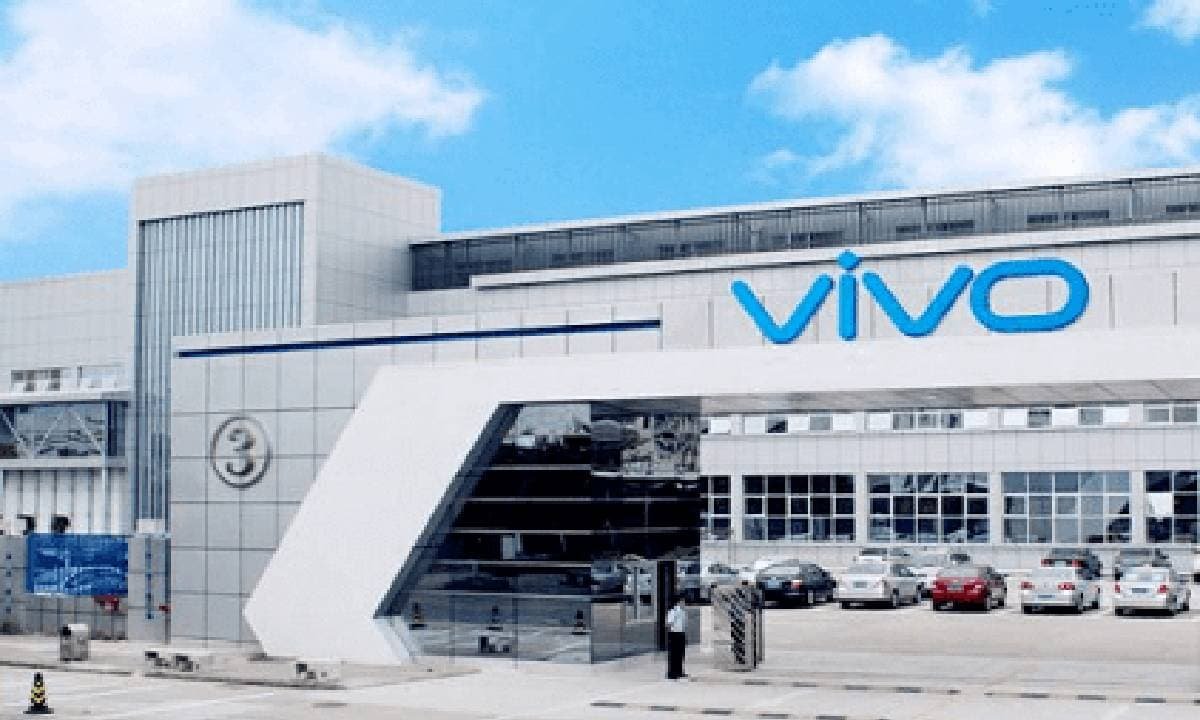
Vivo India’s nearly 23 associated firms such as Grand Prospect International Communication Pvt Ltd (GPICPL) transferred huge amounts to the firm and out of the total sale proceeds of Rs 1,25,185 crores, it remitted Rs 62,476 crores almost 50 per cent of the turnover out of India, mainly to China, the Enforcement Directorate said on Thursday.
The agency said these entities are Rui Chuang Technologies Private Limited (Ahmedabad), V Dream Technology and Communication Private Ltd (Hyderabad), Regenvo Mobile Private Limited (Lucknow), Fangs Technology Private Limited (Chennai), Weiwo Communication Private Limited (Bangalore), Bubugao Communication Private Limited (Jaipur), Haicheng Mobile (India) Private Limited (New Delhi), Joinmay Mumbai Electronics Pvt Ltd (Mumbai), Yingjia Communication Private Limited (Kolkata), Jie Lian Mobile India Pvt Ltd (Indore), Vigour Mobile India Private Limited (Gurgaon), Hisoa Electronic Private Limited (Pune), Haijin Trade India Private Limited (Kochi), Rongsheng Mobile India Private Limited (Guwahati), Morefun Communication Private Limited (Patna), Aohua Mobile India Private Limited (Raipur), Pioneer Mobile Private Limited (Bhubaneswar), Unimay Electronic Private Limited (Nagpur), Junwei Electronic Private Limited (Aurangabad), Huijin Electronic India Private Limited (Ranchi), MGM Sales Private Limited (Dehradun) and Joinmay Electronics Pvt Ltd (Mumbai).
“These companies are found to have transferred huge amounts of funds to Vivo India. Further, out of the total sale proceeds of Rs 1,25,185 crores, Vivo India remitted Rs 62,476 crores almost 50 per cent of the turnover out of India, mainly to China,” ED said in a statement.
“These remittances were made in order to disclose huge losses in Indian incorporated companies to avoid payment of taxes in India.”
The ED revealed the information after it carried out searches at 48 locations spanning across the country belonging to Vivo Mobiles India Private Limited and its 23 associated companies such as GPICPL.
ED said Vivo Mobiles India Pvt Ltd was incorporated on August 1, 2014 as a subsidiary of Multi Accord Ltd, a Hong Kong-based company and was registered at the Registrar of Companies, Delhi.
It further said GPICPL was registered on December 3, 2014 at Registrar of Companies, Shimla, with registered addresses of Solan in Himachal Pradesh and Gandhi Nagar, Jammu. The company was incorporated by Zhengshen Ou, Bin Lou and Zhang Jie with the help of Nitin Garg, a Chartered Accountant.
“Bin Lou left India on April 26, 2018. Zhengshen Ou and Zhang Jie left India in 2021,” ED said.
PMLA Investigation by ED was initiated by recording an Enforcement Case Information Report (ECIR) on February 3 this year on the basis of a First Information Report (FIR) registered by Kalkaji police station under Delhi Police on December 5 last year against GPICPL and its Director, shareholders and certifying professionals on the basis of a complaint filed by Ministry of Corporate Affairs.
As per the FIR, GPICPL and its shareholders had used forged identification documents and falsified addresses at the time of incorporation. The allegations were found to be true as the investigation revealed that the addresses mentioned by the directors of GPICPL did not belong to them, but in fact, it was a government building and the house of a senior bureaucrat.
ED’s investigation revealed that the same director of GPICPL, namely Bin Lou, was also an ex-director of Vivo. He had incorporated multiple companies across the country spread across various states, a total of 18 companies around the same time, just after the incorporation of Vivo in 2014-15 and further another Chinese national Zhixin Wei had incorporated further four companies.
During raids, the ED said, due procedures as per law were followed at each premise but “the employees of Vivo India, including some Chinese nationals, did not cooperate with the search proceedings and had tried to abscond, remove and hide digital devices which were retrieved by the search teams”.
So far, the ED said, 119 bank accounts of various entities with a gross balance to the tune of Rs 465 crores including fixed deposits to the tune of Rs 66 crores of Vivo India, 2 kg gold bars, and cash amount to the tune of approximately Rs 73 lakhs have been seized under the provisions of PMLA, 2002.
Amid escalations by Chinese military aggression in the South China Sea, countries like Japan, South Korea, Australia and Singapore are all increasing their military budgets and spending as a response to the aggression they have experienced from China. After signing a security pact with the Solomon Islands, China has increased its military activities in the Pacific region, Singapore.
Post reported. Japan’s relations with China are deteriorating over geopolitical tensions amid strong undercurrents of anti-China sentiments and security threats. People in Japan have already expressed their displeasure over China making claims on Senkaku Islands (Diaoyu Islands in Chinese).
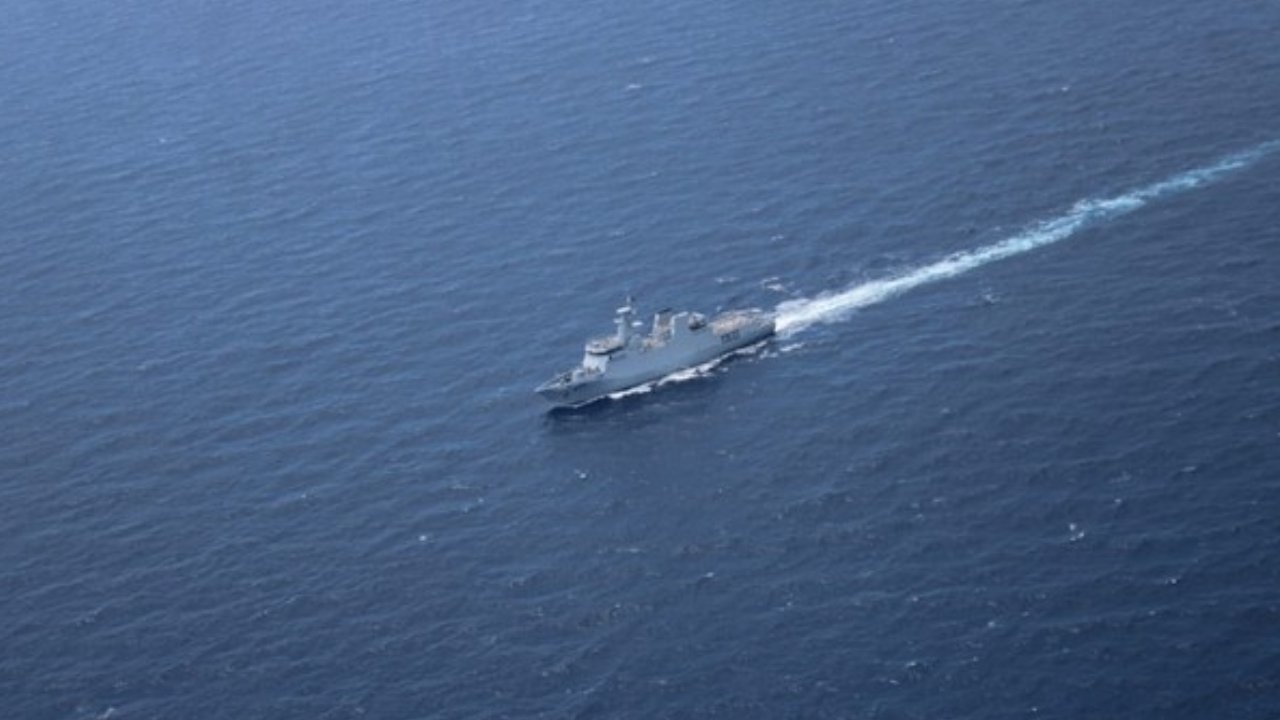
The patrolling of the Senkaku Islands, the uninhabited islands controlled by Japan, by China is one such tactic where China continues to use tactics in the Taiwan Strait, the Washington-based group Global Strat View said. China and Taiwan have laid claims to the Island causing Japan to increase its fortifications on the Yonaguni Islands, which is closest to Taiwan. Around 70 sightings of Chinese vessels were reported outside the contiguous zone of 24 nautical miles by Japan last year.
Liu Pengyu, the spokesperson of the Chinese Embassy, stated that the Diaoyu Islands belonged to China and that they were determined to safeguard the territorial sovereignty. Several countries including India, Japan, South Korea, and Singapore are increasing their military budgets and spending as they face increasing aggression from China.
The Diaoyutai Islands have the highest regional tensions with China as the country has increased its presence in the sea surrounding the Islands.
The locals have expressed fear of disruption of their peaceful existence and their livelihoods being taken away if China limits their access to fishing grounds. The country has prevented comparisons between Taiwan and Ukraine, and has termed it their “internal matter,” Global Strat View said. China’s President Xi Jinping has not avoided talking about the unification of China and Taiwan. Joseph Wu, the Foreign Minister of Taiwan, has mentioned that the island is watching China closely as the events in Ukraine unfold. China, being more powerful than Taiwan, has better chances of overtaking Taiwan than Russia, but the risk of involving the US is higher and they have turned to intimidation and pressure.
The example of Ukraine and Russia are being used to display the devastating realities of war and to make the people in Taiwan submissive. Consequently, the people of Taiwan have made local efforts to protect themselves from an uncertain future by conducting workshops to teach and empower people to survive in warfare while waiting for government resources. The increasing aggression by China has caused the Taiwanese people to prepare for the unknown even though a peaceful resolution can still be attained.
Even though the monsoon has begun to affect the entire country, many areas still seem to be experiencing intense heat which is exacerbated by sharp increases in humidity. This summer’s heat waves in India are a reflection of the unusual temperature trends that are anticipated to get worse as the effects of climate change become more pronounced.
After the summer of 2010, the summer of 2022 has been the second-hottest summer since 2016. Due to heat island effects brought on by surface heat absorption and local waste heat produced by traffic, industry, and air conditioning, megacities like Delhi, Mumbai, Kolkata, and Hyderabad are significantly hotter than the greater territory around them (among other urban activities).
According to a recent country-wide by the Centre for Science and Environment (CSE), while extreme heat waves in the northwest states as defined by the India Meteorological Department (IMD) attract the most public attention, the rise in overall anomalous temperature in other parts of the nation has been largely ignored.
“This is a very disturbing trend as policy preparedness to mitigate rising heat due to climate change is nearly absent in India. Without heat action plans, rising air temperature, radiating heat from land surfaces, concretisation, heat-trapping built structures, waste heat from industrial processes and air conditioners, and erosion of heat dousing forests, urban greens and water bodies will worsen public health risks. This requires urgent time-bound mitigation,” said Anumita Roychowdhury, executive director, research and advocacy, CSE.
Avikal Somvanshi, senior programme manager, Urban Lab, CSE said “Understanding the overall temperature anomaly, extreme heat conditions, and the mixed trends in heat patterns across different regions of India has become necessary to assess the emergent risk. Currently, the attention is largely on the maximum daily heat levels and extreme conditions of heat waves. But it is equally important to pay attention to the overall rising temperature and humidity trends in different regions to understand the gravity of the problem”.
Data from the National Crime Records Bureau (NCRB) that also captures accidental deaths including those from climatic stress, shows that between 2015 and 2020, 2,137 people had reportedly died due to heat stroke in the states in the northwest. But the southern peninsula region had reported 2,444 deaths due to excessive environmental heat, with Andhra Pradesh alone accounting for over half of the reported casualties.
Delhi reported only one death for the same period. Most deaths have been reported among working-age men (30-60-year-olds), usually not considered highly vulnerable to temperature anomalies. The understanding of the public health impacts of meteorological conditions like heat waves is still weak in India.
Heat waves are the second most deadly natural force in India, having killed over 20,615 people during 2000-20. Lightning, with 49,679 deaths, was the top killer. There has been a decline in the number of reported deaths since 2015 when IMD reported 2,081 deaths and NCRB reported 1,908 deaths.
There were no deaths reported by IMD in 2021 and NCRB is yet to publish the 2021 edition of its annual Accidental Deaths & Suicides in India (ADSI).
The temperature trends in India from January 2015 to May 2022 were studied by the Urban Lab of CSE. Surface air temperature, land surface temperature, and relative humidity (heat index) have been studied at the national, regional, and local levels in an effort to understand the patterns in global warming.
Additionally, the patterns in the metropolises of Delhi, Mumbai, Kolkata, and Hyderabad in each of the four homogeneous zones of the IMD have been evaluated.
A CSE release said the temperature anomaly has been examined by the analysis (which refers to a departure from a reference value or long-term average or a baseline). A positive anomaly means that the temperature was higher than the baseline, whereas a negative anomaly means that it was lower.
It typically serves to report monthly, seasonal, yearly, or decadal fluctuations in temperature. Although significantly shorter in duration and characterised in contrast to an absolute temperature threshold as well as deviation from the usual, heat waves are likewise anomalous temperature events.
Mumbai Police have arrested two hawkers – one each from Nashik and Pune districts – for allegedly making threatening calls to Samajwadi Party MLA Abu Asim Azmi for opposing the Maharashtra government’s move to rename Aurangabad and Osmanabad districts, an official said on Thursday.
The first arrest in the case was made from Niphad in Nashik district on Tuesday. The accused, identified as Bhausaheb Sonawane (40), had made a call to Azmi and it was received by his personal assistant Kamal Hussain, he said.
In Pune, hawker Tanaji Yevate was nabbed from Haveli taluka on Thursday in this connection, the official said.
“Both the accused were upset after Azmi opposed the state government’s decision to rename Aurangabad and Osmanabad as Sambhajinagar and Dharashiv respectively. Both of them have been arrested under relevant sections of the Indian Penal Code (IPC), including 506 (2) (criminal intimidation), and they will remain in police custody till Friday,” he added.
Azmi’s PA had approached the police claiming that he had received the threatening phone calls over the legislator’s opposition to rename Aurangabad and Osmanabad. The callers had threatened to kill Azmi for his stand on the issue, an official had said on Monday.
Based on Hussain’s complaint, an FIR was registered at the Colaba police station in this connection.
Also Read: Raj Thackeray deferred Ayodhya visit as he got scared, says Abu Azmi
“As per his complaint, the callers wanted to speak to Azmi, but Hussain refused to pass on the phone to the MLA. The callers said Azmi must not speak on the renaming issue,” he added.
Hours before Shiv Sena president Uddhav Thackeray resigned as Maharashtra chief minister on June 29, the Maha Vikas Aghadi (MVA) cabinet, which also included Congress and NCP ministers, approved the renaming of Aurangabad as Sambhajinagar and Osmanabad as Dharashiv.
Speaking during a special session of the Maharashtra Assembly on Sunday, Azmi had objected to the move, saying that such steps are a challenge to the Constitution.
“You should focus on the Constitution instead of the majority alone. Can anyone guarantee that by changing the name of the city, all of its issues are resolved? If development is taking place by simply changing the name then I do not have any issues. But what message this (erstwhile MVA) government is giving by changing only Muslim names?” he had said in the House.
Azmi represents Mankhurd Shivaji Nagar Assembly constituency in Mumbai.
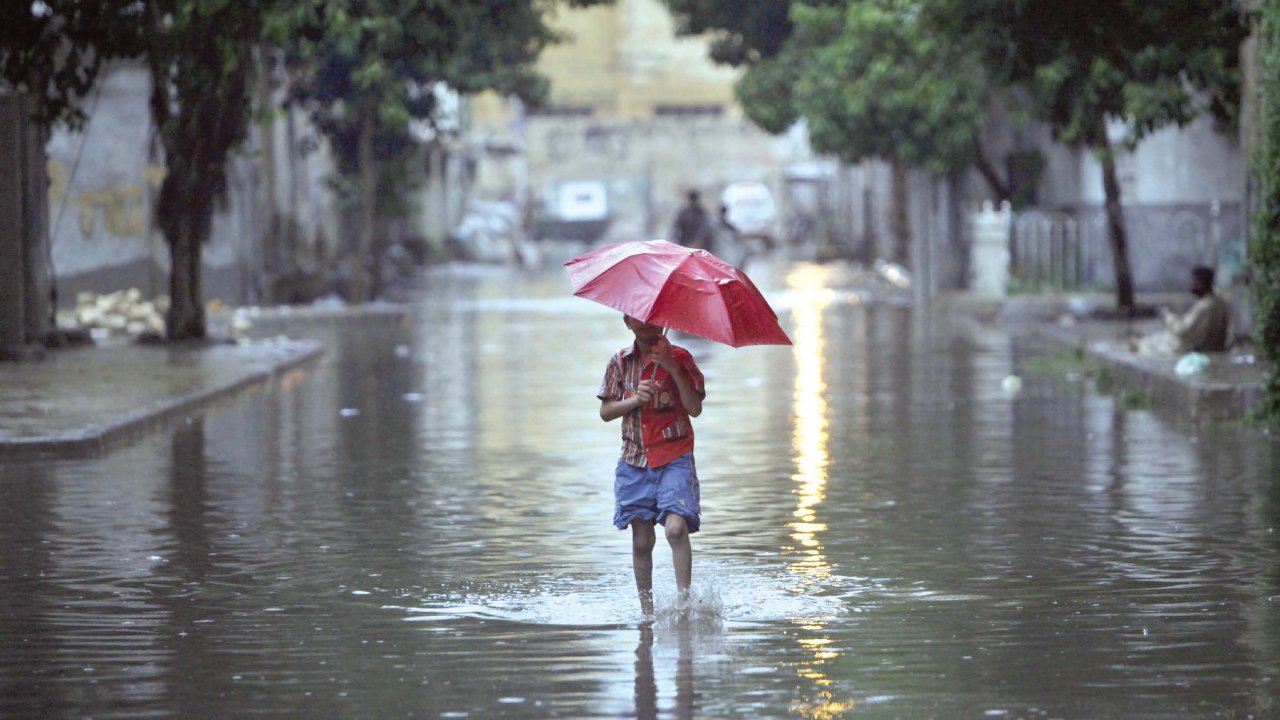
At least 15 people were killed in rain-related incidents in Balochistan and GilgitBaltistan in the last 48 hours, local media stated on Thursday. According to Dawn newspaper, 10 people including women were killed in different areas of Balochistan.
While five people, including four women and a young boy, were swept away in a flash flood from nearby mountains in the Khusnob area of Qila Saifullah. More than 90 per cent of the mud houses in the area were badly impacted especially Qila Saifullah due to heavy rains and flash floods, Dawn reported citing an official.
“We are shifting the affected population to safe places with the help of Frontier Corps,” the official said, adding that 200 tents have been erected for the displaced people.
In Gilgit-Baltistan at least five people were killed, including four women and a child in Sherqila village of Ghizer district after being swept away in flash floods, Dawn reported. Owing to heavy monsoon rainfall, a notification issued by PDMA Balochistan announced the emergency in the Quetta district.
Relief operations in the affected area were launched by the Quetta district administration and rescue teams. As per PDMA officials, over 50 mud houses collapsed in the Sariab Mills area, Eastern Bypass, and other areas on the outskirts.
In Gwadar, army troops were helping the local administration to drain the water accumulated in several areas. According to the Met office, northern and central parts of Balochistan will receive more heavy rains with thunderstorms, reports said.
The heavy downpour also caused flash-flooding and inundated several low-lying areas.
The raids are been conducted in Vivo and other firms in this matter Beijing asked about the ongoing raid being conducted in the Vivo offices in India. As the Chinese Foreign Ministry spokesperson Zhao Lijian told in a media briefing in which it was stated Chinese side is closely following the developments in this matter.
As per the reports, Zhao said “As I have stressed many times, the Chinese government has always asked Chinese companies to abide by laws and regulations when doing business overseas”.
“In the meantime, we firmly support Chinese companies in safeguarding their lawful rights and interests,” he said.
The Enforcement Directorate raided approximately 44 places of Vivo offices in several locations across India on Tuesday in a money laundering investigation.
The searches of the raid were conducted under the sections of the Prevention of Money-laundering Act (PMLA) at locations in several states across India which are Delhi, Uttar Pradesh, Meghalaya, and Maharashtra.
In a report it has stated that Vivo India’s Spokesperson said they’re cooperating with authorities.
A Spokesperson stated “We hope the Indian authorities will abide by laws as they carry out the investigation and enforcement activities and provide a truly fair, just, and non-discriminatory business environment for Chinese companies investing and operating in India,”
“We hope the Indian authorities will abide by-laws as they carry out the investigation and enforcement activities and provide a truly fair, just, and non-discriminatory business environment for Chinese companies investing and operating in India”.
This action is being carried out as part of the Union Government’s steps to tighten checks on chinese entities and they are in continuation to crackdown on the chinese firms and other Indian operative firms which are linked to them that are allegedly indulging in financial crimes like money laundering and tax evasion while operating in India.
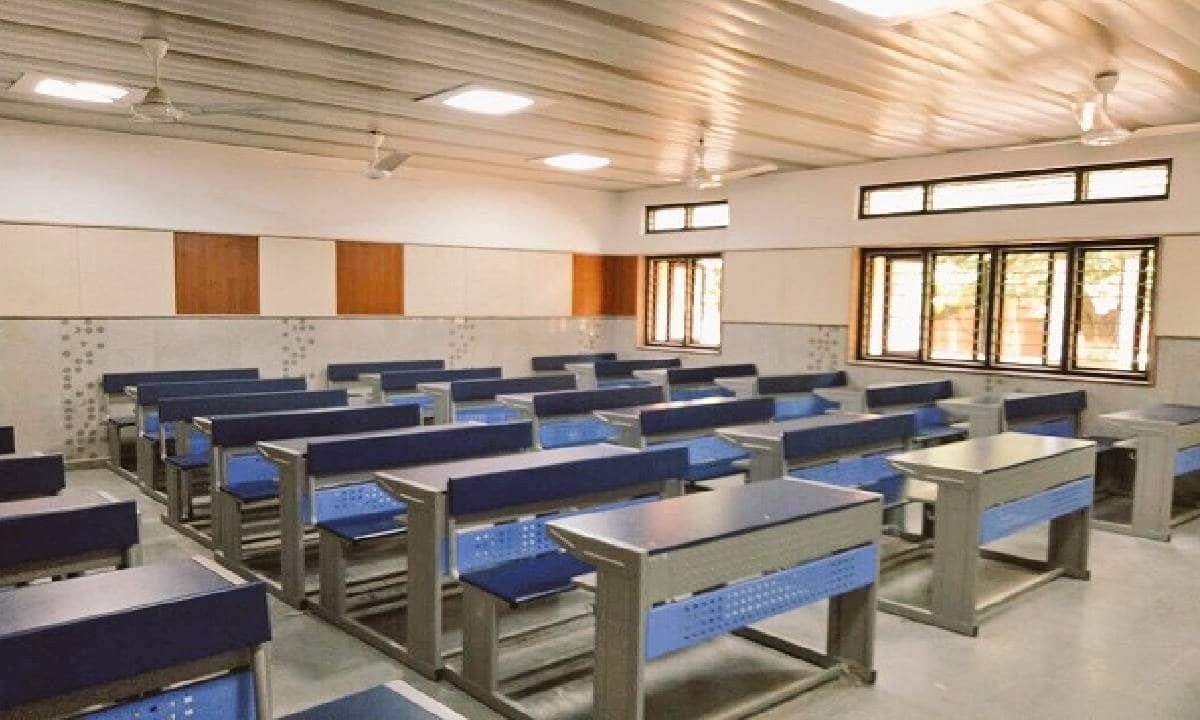
The government schools in Delhi will soon install CCTV cameras and a live feed of the classroom will be shared with the parents. The Aam Aadmi Party 2019 announced that will be installing CCTV cameras in government schools.
As per the sources “The PWD is executing the project of construction of classrooms and schools and there is a plan of installing CCTVs in classrooms. There is also a plan to share the feed with the parents. This is all the education department’s brainchild we are merely executing it”.
In a report, officials have stated the live CCTV footage will be available for the parents and they will be given individual login credentials and passwords to access the CCTV footage. The PWD will update students’ details and parents’ mobile numbers which will be collected and provided by all the government schools. Parents who have signed consent forms will be given access to the CCTV footage and login details for the same.
The sources stated “The move is aimed at ensuring the safety of students and also ensure transparency in the teaching system. The education department’s plan says that sharing feed with parents will ensure transparency and let them know what their kid is studying”.
As per the reports, a source stated “ After receiving all the consent forms from the parents and guardians the principal will collate all the details and submit them to PWD and then will upload it on the software”.
In recent years, many illegal schools are operating from Diva in the Thane district. Despite various complaints, Holy Angels English School has been operating since the June 2022 academic year, and they gave admission to nearly 200 students. To start such a school, the education mafias have rented 2 to 4 illegally constructed rooms. In these limited rooms, they are running classes for nursery education and primary education up to the 8th standard. As these schools are illegal, the future of the students studying in these schools is likely to be in jeopardy.
They have started these English medium schools in rented rooms with no government approval. Rajabhau Chavan, district president of the Republic Party, has demanded that they should accommodate the students studying here in government-approved schools as there won’t be any future for these students after the 8th standard. There is no possibility of them being admitted elsewhere in the future. Rajabhau Chavan has also made a complaint to the education authorities. However, Rajabhau Chavan has warned of an agitation if they take no action within 10 days.
Under the Right to Education Act, it is illegal to start an educational institution without the legal approval of the government or local self-government bodies. Therefore, these schools should be closed immediately. It is a punishable offence under section 18 and section 18 (5) of the Right to Education Act to start and maintain a school unlawfully. Therefore, Chavan has demanded action against these schools and their authorities under section 18 and section 18 (5). He also demanded that someone should also book the owners of the schools under section 420 for cheating parents and students.
Meanwhile, when our correspondent contacted the trustee and founder of Holy Angels English School, Mr Santosh Pandey, he said, “We need infrastructure and students to seek permission for the schools; this is the basic requirement to register an educational institute or a school. I have already perused for the permissions. I already submitted my files for government approvals.”
The parent of the student studying in Holy Angels English School told the Afternoon Voice, “The owners of the school are politically influenced. At the time of admission, they promised us they will get government approval for the school so that the students will not suffer further admissions. Lack of schools, heavy fees and availability of admission, this was the only option available.”