


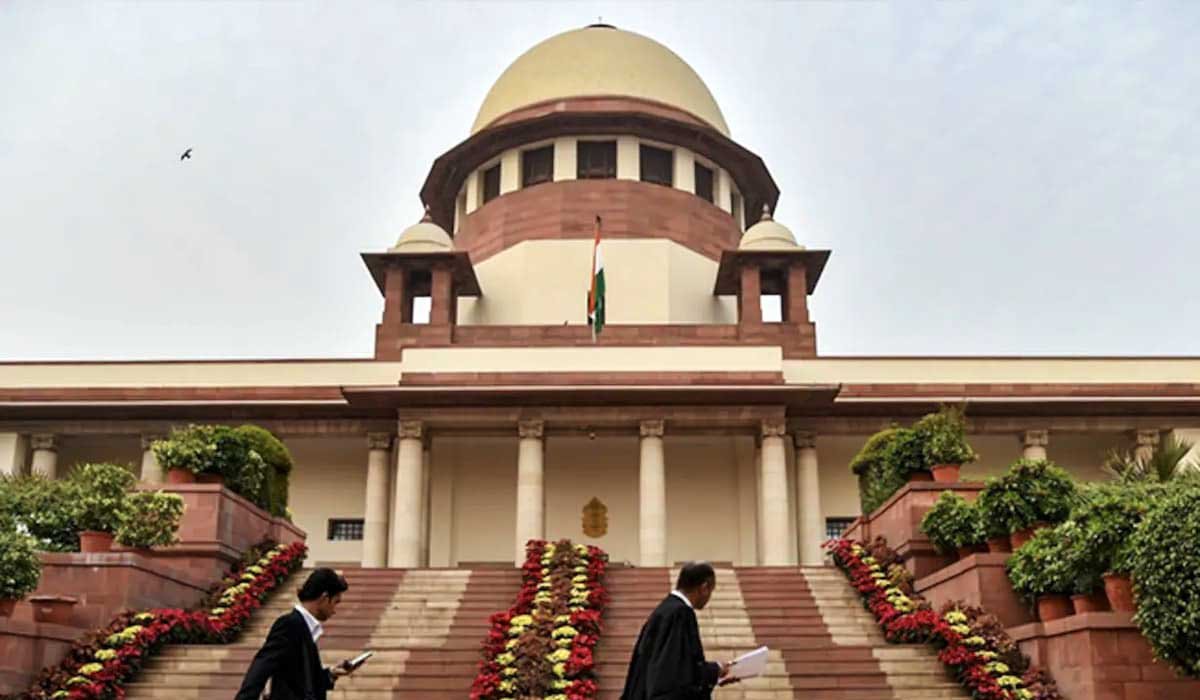
The Supreme Court on Friday agreed to hear a plea seeking a nationwide ban on female genital mutilation (FGM), a practice reportedly prevalent among sections of the Muslim community, particularly the Dawoodi Bohras.
A bench of Justices B.V. Nagarathna and R. Mahadevan issued notices to the Centre and other respondents on the petition filed by Chetna Welfare Society, an NGO arguing that FGM is not an essential religious practice and violates the rights of children.
The plea states that while India has no specific law banning FGM, the act constitutes offences under several provisions of the Bharatiya Nyaya Sanhita (BNS), including sections 113 and 118, relating to causing hurt.
It adds that under the POCSO Act, any non-medical touching of a minor’s genitalia amounts to an offence. The petition also cites the World Health Organization, which classifies FGM as a grave human rights violation, and highlights global conventions such as the Universal Declaration of Human Rights, which guarantee bodily integrity and protection from harm.
Calling FGM a serious health hazard, the plea notes risks including chronic infections, childbirth complications and long-term physical and psychological trauma.
The matter will next be heard after the Centre files its response.
