Home Blog Page 7

When Politics Sinks to the Gutter: Deflection, Distortion, and the Assault on India’s Democratic Memory

9b0bb577 dd53 4bc7 9e9d a45360cc18ef
When Politics Sinks to the Gutter: Deflection, Distortion, and the Assault on India’s Democratic Memory 2

The scenes that unfolded outside Parliament yesterday were not just another episode in India’s noisy political theatre. They were a revealing moment — one that exposed how fragile, reactionary and intellectually hollow public discourse can become when political desperation takes precedence over dignity.

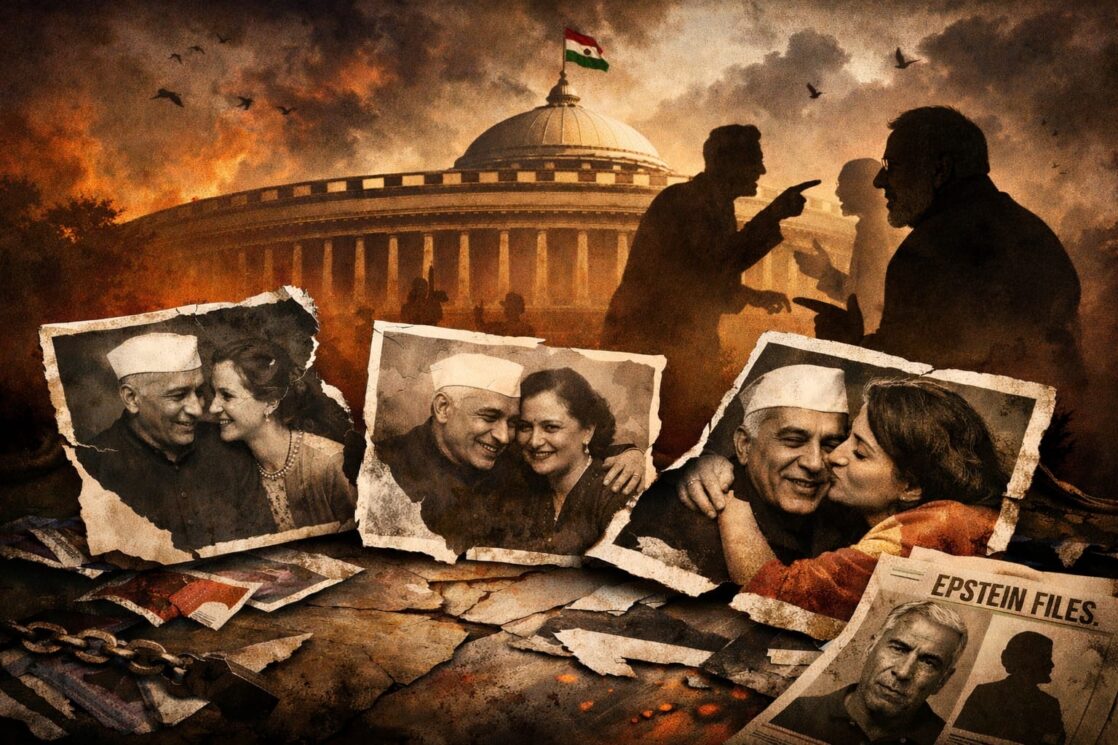
A senior leader of the Bharatiya Janata Party, while responding to allegations circulating about so-called “Epstein files” and an alleged connection being whispered around Prime Minister Narendra Modi, chose not to confront the matter with evidence, clarity, or reason. Instead, he stood before the media with a handful of photographs of India’s first Prime Minister, Jawaharlal Nehru. One photograph showed Nehru alongside Edwina Mountbatten. Another featured his sister, Vijaya Lakshmi Pandit. The third showed a tender family moment — his niece, Nayantara Sahgal, affectionately hugging and kissing her uncle on the cheek.

It was, by all reasonable standards, a loving family photograph. Anyone with basic emotional intelligence can recognise affection within a family without descending into cheap insinuations.

And yet, what appeared to be the subtext of this spectacle? A crude attempt to imply: “Even if Modi’s name appears in certain speculative files, Nehru was no saint either.” This is not argument. This is intellectual bankruptcy dressed up as outrage.

Let us examine the absurdity.

First, the relationship between Nehru and Vijaya Lakshmi Pandit was that of brother and sister. Pandit was a distinguished diplomat who later became President of the United Nations General Assembly. To weaponise photographs of siblings standing together is not political debate — it is moral decay.

Second, the photograph with Nayantara Sahgal depicted familial affection between an uncle and niece. Sahgal herself has written extensively about growing up in Anand Bhavan surrounded by intense political discussions and nationalist fervour. To twist such images into something unsavoury is not only shameful; it reflects a disturbing willingness to defile even family bonds for political convenience.

Third, and most sensationalised over decades — Nehru’s friendship with Edwina Mountbatten. Yes, the two shared a deep bond. It has been documented, analysed, romanticised, and scrutinised. But it has also been clarified by Edwina’s daughter in her memoir Daughter of Empire, where she emphasised the respect, emotional kinship and platonic nature of their relationship. Both Nehru and Edwina belonged to elite political circles. They interacted frequently in public, amidst officials and dignitaries. Their correspondence, when released, revealed warmth — not scandal.

History records human relationships in shades of complexity. It does not validate sensational gossip engineered decades later for political mud-slinging.

Now let us turn to the deeper issue — the practice of dragging freedom fighters into contemporary controversies. Nehru was not merely India’s first Prime Minister. He was a central architect of independent India. He spent nine long years in British prisons. He helped lay down the foundations of democratic institutions — from IITs and scientific research centres to a secular constitutional framework. He navigated a shattered nation through Partition’s horrors without social media, without propaganda machinery, and without an IT cell narrating his glory day and night.

Disagree with his policies. Critique his economic model. Debate his Kashmir approach. That is legitimate in a democracy. But equating affectionate family photographs with modern allegations tied to entirely unrelated global scandals crosses into intellectual delinquency.

As for the mention of “Epstein files” — allegations and insinuations are not convictions. The global controversy surrounding Jeffrey Epstein has engulfed politicians, businessmen, celebrities and royals worldwide, often on the basis of association rather than proof. Dragging such speculative matters into India’s internal politics without verified evidence is reckless. If credible facts exist, they should be investigated transparently. If not, weaponising whispers is nothing but character assassination.

Equally troubling is the use of allegedly AI-generated or digitally manipulated images in political attacks. In an age where artificial intelligence can fabricate convincing visuals, deploying altered historical imagery to score points is deeply unethical. Once truth becomes optional, democracy becomes ornamental.

The larger question is this: Is there even a valid comparison between Modi and Nehru?

Nehru governed a fragile newborn republic emerging from colonial ruin. Literacy was abysmal. Infrastructure was skeletal. Industrial capacity was marginal. He was building from ashes. Today’s India, for all its challenges, stands on the institutional scaffolding erected in those first years. To deny his role in shaping modern India is historical illiteracy.

Prime Minister Narendra Modi governs a rising economic power with digital governance, global connectivity, expansive media networks and unparalleled communication tools. His political era operates in a completely different landscape. He benefits from decades of institutional continuity.

Every leader must be judged within their context.

But what unfolded yesterday was not contextual criticism. It was deflection. Instead of directly addressing questions raised by the Opposition — including Rahul Gandhi’s recent parliamentary demands for accountability over tariff policies — the ruling party appeared more interested in rewriting old narratives. Gandhi’s recent speech, questioning economic policy and accountability, deserved rebuttal with data. Instead, what the public witnessed was distraction, diversion, and personal denigration.

This pattern reflects a broader concern: the shrinking space for reasoned discourse. Dissent is increasingly labelled as disloyalty. Questions are treated as conspiracies. Historical figures are selectively vilified while contemporary leaders are elevated beyond criticism.

Democracy does not function on personality cults. It functions on accountability.

Nehru did not silence critics by projecting doctored imagery of his predecessors. He debated them inside Parliament. His speeches remain on record — articulated, reasoned, and often self-critical. Today, Parliament sessions are frequently disrupted, Opposition voices curtailed, and media narratives polarised into camps.

One may strongly support or oppose any leader — Modi included. But lowering standards of debate to insinuations about family affection photographs sets a dangerous precedent. It tells younger generations that nothing is sacred — not freedom fighters, not familial bonds, not historical truth.

Criticise policies. Scrutinise decisions. Demand transparency over tariffs, economic partnerships, diplomatic positions — absolutely. That is the lifeblood of democracy. But attempting to obscure contemporary allegations by dredging up distorted historical photographs insults the intelligence of the nation.

India is not a playground of propaganda. It is a civilisation-state with memory.

You can disagree with Nehru’s vision, but you cannot erase his sacrifices. You can defend Modi robustly, but you cannot shield him through historical mud. The strength of a government lies not in silencing debate but in winning it through argument.

Yesterday’s episode was not merely poor optics. It was a moral low. And if political parties continue racing toward theatrical sensationalism rather than substantive governance debates, the casualty will not be one leader’s image — it will be public trust itself.

In a mature democracy, truth does not need manipulated images. It needs courage.
Mohan Bhagwat: Reframing Nationalism as Responsibility

mohan bhagwat, reframing, nationalism, bhagwat, rss, rss @100, rashtriya swayamsevak sangh
Mohan Bhagwat: Reframing Nationalism as Responsibility 4

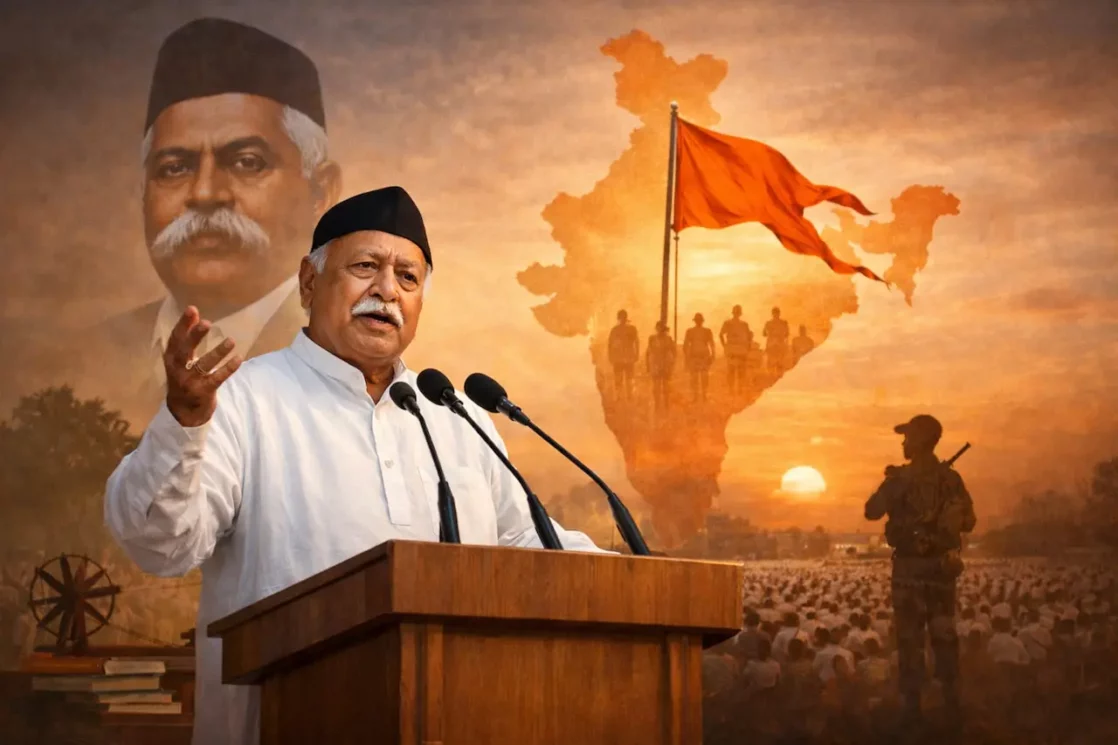
Mohan Bhagwat’s address at the RSS Centenary Ceremony was not merely a celebration of a hundred years of organizational existence; it was a deep introspection on India’s social character, cultural consciousness, and national direction. This was not a speech crafted for applause, but a carefully weighted articulation where every word carried a long-term vision, a demand for discipline, and an expectation of accountability from society. When he positioned the Sangh not as a substitute for political power but as a lifelong practice of social nation-building, it was not just a formal distancing from politics; it was a reassertion of the core idea that organizations must act as moral catalysts within society rather than aspire to become centers of authority. This also served as a rebuttal to those who see the Sangh only through the prism of political power, while simultaneously acting as a caution to internal tendencies that might confuse social influence with the lure of power.

By separating nationalism from sloganeering and placing it on the anvil of conduct, Bhagwat directly challenges the culture of crowd politics. His subtext is unmistakable: it is easy to inflame emotions in the name of the nation, but difficult to cultivate character for the nation. In an age where social media often converts patriotism into noise and spectacle, his words relocate nationalism from performative outrage to everyday ethical choices. Paying taxes honestly, respecting civic rules, and standing up for justice become as much acts of nation-building as standing at the border with a rifle. This reframing strips nationalism of its sentimental excess and grounds it in civic responsibility.

His insistence on social harmony is not a poetic celebration of diversity but a practical warning against deepening polarization. When he says that India’s civilizational soul cannot be imprisoned within a single identity, he confronts the political convenience that turns diversity into division. He implicitly acknowledges that inequality and mistrust are not merely the results of external conspiracies but also of internal prejudices and rigidities. Therefore, the call is not only to change others but to change oneself, an uncomfortable demand for self-critique that any society serious about reform must accept.

The emphasis on discipline and restraint for the youth is not moral sermonizing but a blueprint for future stability. In a time driven by instant gratification and viral validation, character-building appears outdated, yet it is precisely this slow, demanding process that forms the bedrock of lasting national strength. Bhagwat’s message suggests that demanding opportunities without cultivating the discipline to deserve them is a hollow politics of entitlement. Rights gain moral legitimacy only when accompanied by an equally strong acceptance of duties.

His recurring invocation of “service” moves beyond charitable sentiment into the realm of social contract. Service here is not about patronizing benevolence but about rebalancing power relations through genuine sensitivity to the vulnerable. When service becomes self-congratulatory charity, it preserves inequality; when it becomes structural empathy, it nudges society toward justice. This reframes the Sangh’s tradition of service under a sharper ethical lens, insisting that service must translate into dignity, not dependency.

By asserting that India must become a reliable partner to the world before proclaiming itself a world teacher, Bhagwat checks the self-congratulatory nationalism that confuses rhetoric with reality. Global influence is built through conduct, consistency, and credibility, not through grand declarations. A nation fractured within cannot convincingly claim moral leadership abroad. Power, in his framing, is not merely military or economic capacity but moral authority rooted in social cohesion and ethical governance. This redirects national pride toward self-improvement rather than self-adulation.

His stress on dialogue and restraint confronts the dominant political culture of instant outrage and rhetorical aggression. In an environment where disagreement quickly turns into enmity, calling for restraint seems unfashionable, yet history shows that societies endure not by silencing dissent but by converting conflict into conversation. This appeal is not only for political actors but for citizens who habitually turn disagreement into hostility. Social peace, in this vision, is not an emotional appeal but a strategic necessity.

Describing the centenary as an occasion for introspection rather than self-glorification is itself a statement. Organizations often turn milestones into platforms for self-praise; here, the emphasis on future responsibility suggests an admission of incompleteness and a commitment to continuous reform. This public posture of self-examination signals a willingness to engage with criticism rather than evade it.

At its core, the address relocates nationalism from the language of entitlement to the language of responsibility. Nation-building is presented not as the monopoly of any institution or ideology but as a collective civic discipline practiced through everyday choices. The discomfort produced by this message is its greatest strength. The speech does not soothe with easy pride; it unsettles with hard questions. It asks whether we are merely loud in the name of the nation or truly becoming citizens worthy of it. In celebrating a century, the address burdens the present with the moral weight of the next century, and that demanding horizon is what gives the speech its lasting power.

CPCB Orders Immediate Shutdown of Two Units at Parli Thermal Power Plant Over Severe Pollution Violations

parli, thermal power station, parli thermal power station, beed
CPCB Orders Immediate Shutdown of Two Units at Parli Thermal Power Plant Over Severe Pollution Violations 6


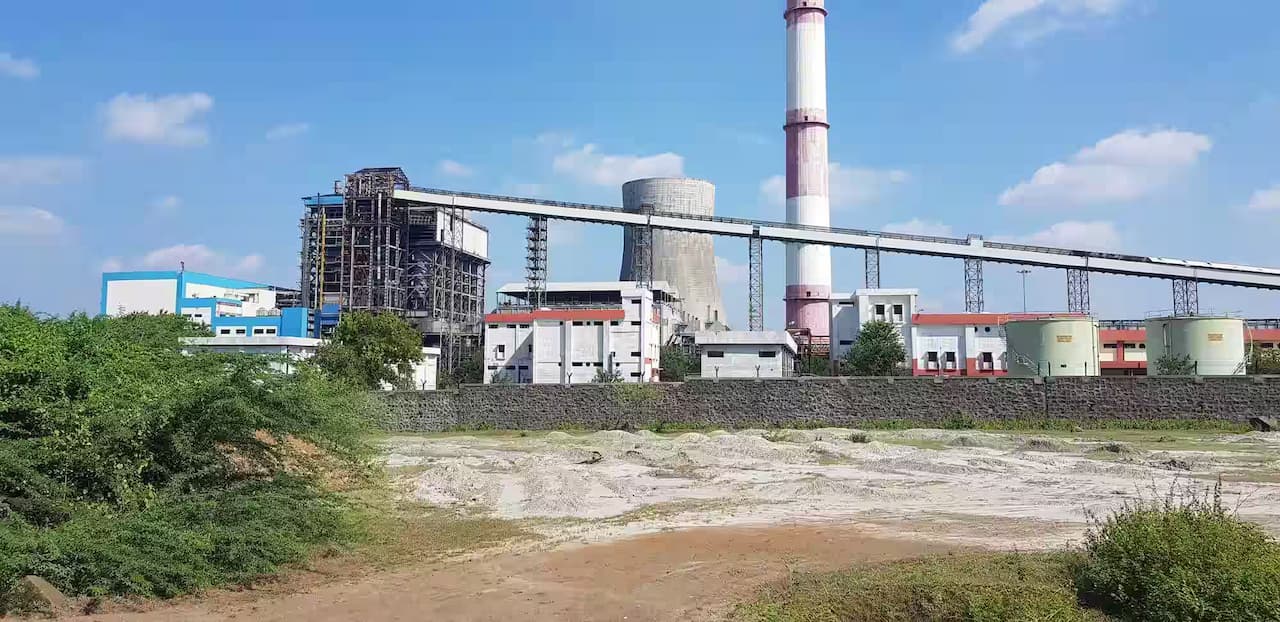
The Central Pollution Control Board (CPCB) has directed Maharashtra authorities to immediately shut down Units 6 and 8 of the state-run Parli Thermal Power Station (PTPS) in Beed district over serious pollution violations, an official confirmed on Tuesday.

In a letter dated February 5 to the Maharashtra Pollution Control Board (MPCB) chairman, the CPCB cited multiple instances of non-compliance, including excessive particulate matter (PM) emissions and operation without valid consent.

According to the letter, PTPS was first issued a notice in July 2015 for installing Online Continuous Emission and Effluent Monitoring Systems. A CPCB inspection in 2018 found significant violations, including alarmingly high PM emissions from Units 6 and 8 and prolonged operations without valid clearance from the MPCB. A closure direction was issued in May 2018, following which the power station sought revocation and submitted compliance reports.

However, during a fresh inspection in May 2025, Units 6, 7 and 8 were found operational despite earlier closure orders. Their Consent to Operate had expired in December 2024. Emission levels recorded were 87 mg/Nm³, 85 mg/Nm³ and 91 mg/Nm³ for Units 6, 7 and 8 respectively—far exceeding the prescribed limit of 50 mg/Nm³.

Inspectors also reported continuous leakages from the raw effluent pump house into a nearby drain, direct discharge of untreated sewage and ash slurry into natural drains, and the absence of mandatory third-party safety audits of ash dykes since 2019. The ash dyke areas were reportedly accessible to illegal excavators, posing potential environmental risks. Irregularities were also observed in the storage of used waste oil and the absence of dust suppression systems at coal storage yards.

The CPCB has asked the MPCB to take immediate action, including enforcing the closure of Units 6 and 8 to ensure compliance with environmental norms.

Officials at the Parli Thermal Power Station said they had not yet received the communication. “Once we receive it, we will respond appropriately,” a senior official stated.

Lok Sabha Breaks Deadlock, Begins Debate on Union Budget After Days of Disruption

lok sabha, parliament, budget, union budget, budget session
Lok Sabha Breaks Deadlock, Begins Debate on Union Budget After Days of Disruption 8

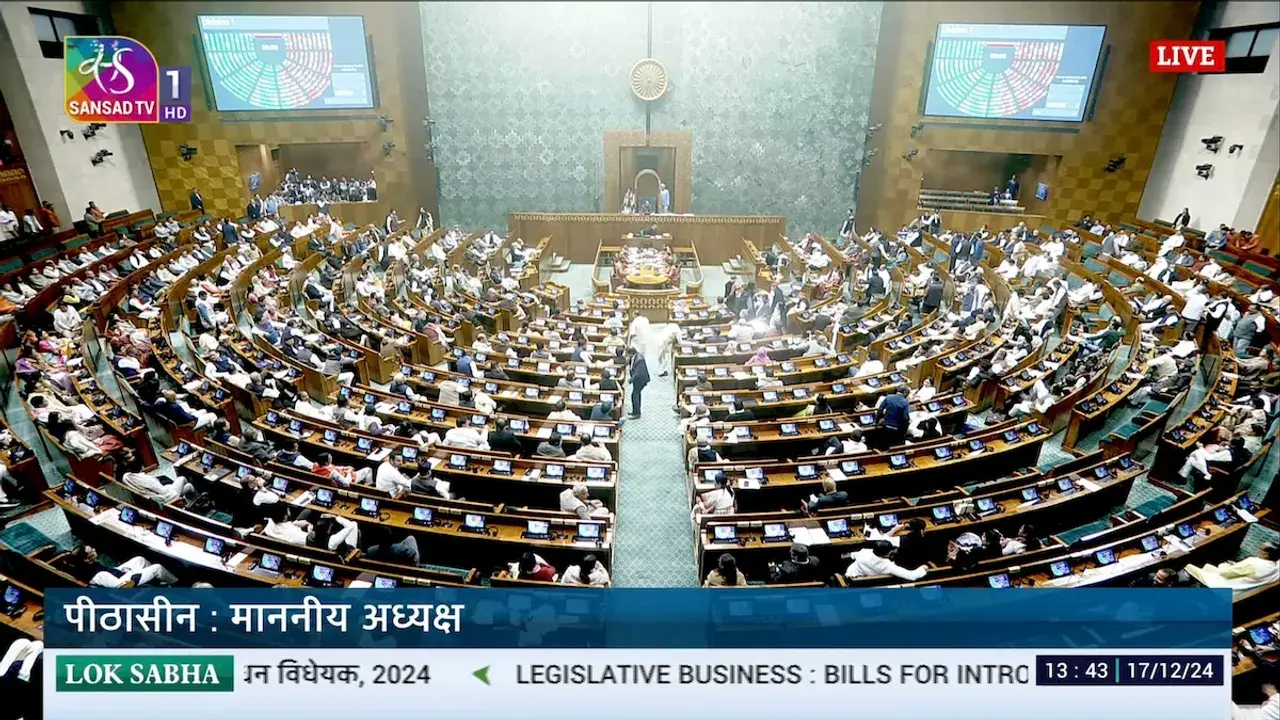
Signalling an end to the prolonged standoff between the government and the Opposition, the Lok Sabha on Tuesday resumed normal proceedings and took up discussion on the Union Budget, which had been stalled for days amid demands that Rahul Gandhi be allowed to speak on various issues.

When the House reconvened at 2 pm after two adjournments, Krishna Prasad Tenneti, who was in the Chair, invited Congress MP Shashi Tharoor to initiate the debate. The Thiruvananthapuram MP began the discussion, marking the formal start of deliberations on the Budget.

The breakthrough followed a day of rapid political developments, including Opposition parties submitting a notice seeking a resolution to remove Om Birla as Speaker of the Lok Sabha.

The House functioned from 2 pm to 8 pm, with members from across party lines participating in the debate. The Business Advisory Committee has allocated 18 hours for discussion, and Union Finance Minister Nirmala Sitharaman is expected to reply on Thursday afternoon.

Since February 2, the Lok Sabha had witnessed repeated disruptions and unruly scenes, leading to the suspension of seven Congress MPs and one CPI(M) member for the remainder of the Budget session.

Amid concerns over potential disruptions, Speaker Birla had earlier requested Prime Minister Narendra Modi not to attend the House when he was scheduled to reply to the Motion of Thanks on the President’s Address. Birla’s remarks, suggesting that Congress members might create unpleasant scenes, had further deepened the impasse.

As a result of the disruptions, the Prime Minister was unable to respond to the Motion of Thanks on the President’s Address delivered to both Houses on January 28. The motion was eventually adopted by voice vote amid sloganeering by Opposition members.

Birla had earlier expressed regret that more than 19 hours of House proceedings were lost due to repeated disruptions.

Four Stars of Destiny: A General’s Truth vs a Government’s Projection

Four Stars of Destiny, China standoff, china, military, penguin books, mm naravane, manoj mukund naravane, rahul gandhi, narendra modi
Four Stars of Destiny: A General's Truth vs a Government’s Projection 10

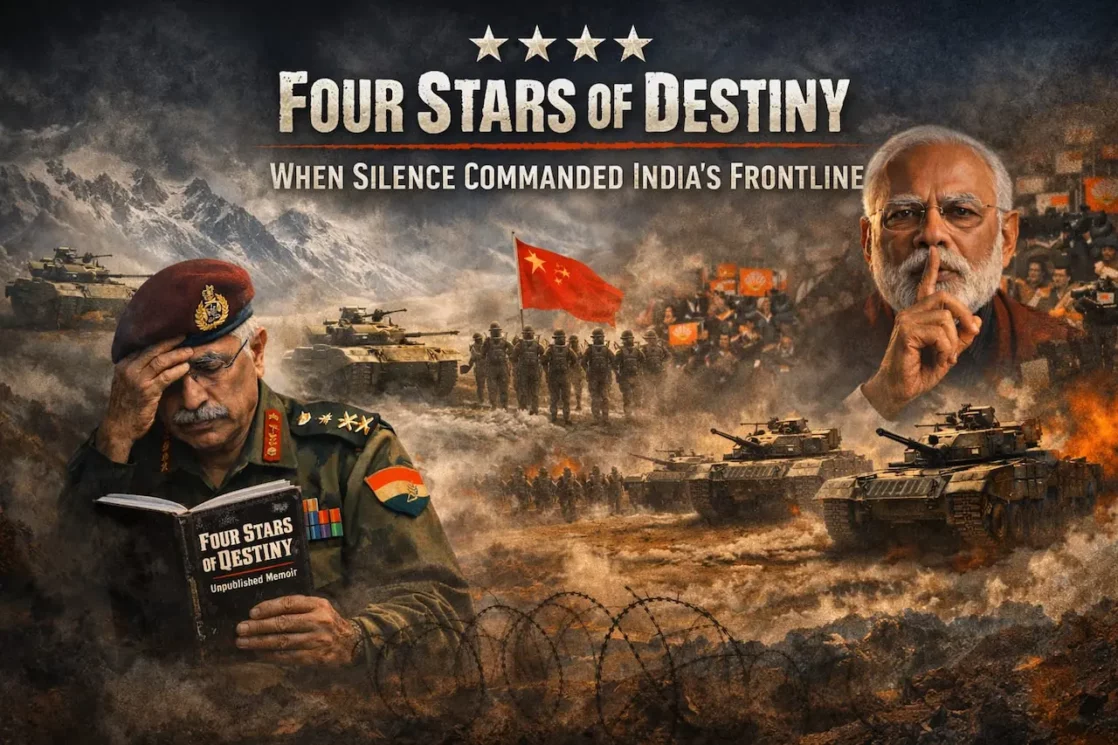
India has reached a moment where the distance between image and reality has grown so wide that it can no longer be masked by slogans, studio debates, or choreographed nationalism, and the unease surrounding the unpublished memoir Four Stars of Destiny by Manoj Mukund Naravane exposes that gap with brutal clarity. This is not a tale of leaked secrets or protocol breaches; it is the quieter, more dangerous story of hesitation at the top when decisiveness was demanded, and of a soldier left to shoulder the weight of history while political leadership chose ambiguity over ownership.

At the height of the 2020 standoff with China, when the situation along the Line of Actual Control was spiraling and Chinese armor moved into threatening positions near Kailash Ridge, what the military needed was not motivational language but unambiguous political direction, because armies fight on orders, not vibes. Yet the account that has now unsettled the establishment suggests a vacuum at the worst possible moment—calls unanswered, time slipping, and finally a message that effectively pushed the burden downward: do what you think is right. In corporate folklore, that sounds like trust; in the fog of a potential war between two nuclear-armed states, it borders on abdication.

Civilian supremacy is the bedrock of democracy, but supremacy without responsibility is just distance from consequence, and when elected authority refuses to clearly own decisions in moments of crisis, someone else ends up gambling with blood and blame. What followed was a dangerous “game of bluff,” Indian tanks moved forward, nerves stretched thin, and the People’s Liberation Army ultimately backed down, but the strategic success, such as it was, came from military resolve under uncertainty, not from political clarity.

The irony is that this same political leadership later wrapped the episode in the language of strength and decisiveness, folding it neatly into a carefully curated strongman narrative that dominates screens and speeches, where Narendra Modi is projected as an unflinching leader who never hesitates, never blinks, and never defers. Projection, however, is not performance, and strength that exists only in messaging collapses the moment an insider’s recollection introduces doubt. The reported sense of being “alone” felt by the Army Chief is not emotional excess; it reveals a deeper structural problem in which the risks of decisions are privatized downward while political credit is nationalized upward.

The same pattern surfaces in the controversy around the Agnipath Scheme, marketed loudly as bold reform but, according to accounts now in the public domain, implemented in a form that diluted the military’s own recommendations, brushed aside concerns over retention, morale, and preparedness, and rebranded institutional unease as resistance to change. Consultation occurred, but consideration did not, and that distinction defines the current governance style: listen enough to tick a box, decide elsewhere, and sell the outcome as inevitability. What makes the present moment especially revealing is not disagreement—democracies survive disagreement—but the instinctive attempt to manage the narrative by delaying approvals, questioning motives, and shifting public attention to anything but the substance of what is being said.

The book remains stuck in clearance loops, not because it endangers national security, but because it endangers a story that the government has invested enormous political capital in telling, the story of unwavering resolve, instant decision-making, and supreme control. Meanwhile, governance has increasingly become an exercise in distraction management: amplify symbols, inflate spectacles, keep the Vishvaguru imagery permanently polished, and relegate inconvenient questions about borders, preparedness, and accountability to the margins. This is the irony of the moment—while the country faces complex internal and external challenges, relevance is manufactured by focusing attention on the trivial and the theatrical, allowing unresolved failures to dissolve into noise.

India does not suffer from a lack of talent in uniform or intelligence in institutions; it suffers from a political culture that confuses visibility with leadership and branding with courage. A Prime Minister can dominate news cycles, command applause, and control narratives, but history does not archive campaigns; it records moments, especially the ones when silence replaced command. The uncomfortable truth hinted at by Naravane’s recollections is not that the army faltered, but that political leadership hesitated, and that hesitation was later papered over with muscular rhetoric.

That is why this book unsettles power—not because it reveals secrets, but because it exposes silences, and silence at the edge of conflict is never neutral. India today needs a performing prime minister, not a projected one; a leader who owns decisions when the stakes are highest, not one who delegates risk and later claims resolve. Suppressing such accounts will not strengthen the republic; it will only delay a reckoning that grows harsher the longer it is postponed. Soldiers deserve clarity, citizens deserve honesty, and democracy demands accountability—everything else is spectacle, and spectacle cannot defend a nation when reality knocks without warning.

At Ram Katha, Swami Dr. Umakantanand Saraswati Lauds Vaidehi Taman for Reviving Savarkar’s Vision

487C0A22 BD6D 4900 BBAE 47C7A6ACA479
At Ram Katha, Swami Dr. Umakantanand Saraswati Lauds Vaidehi Taman for Reviving Savarkar’s Vision 12

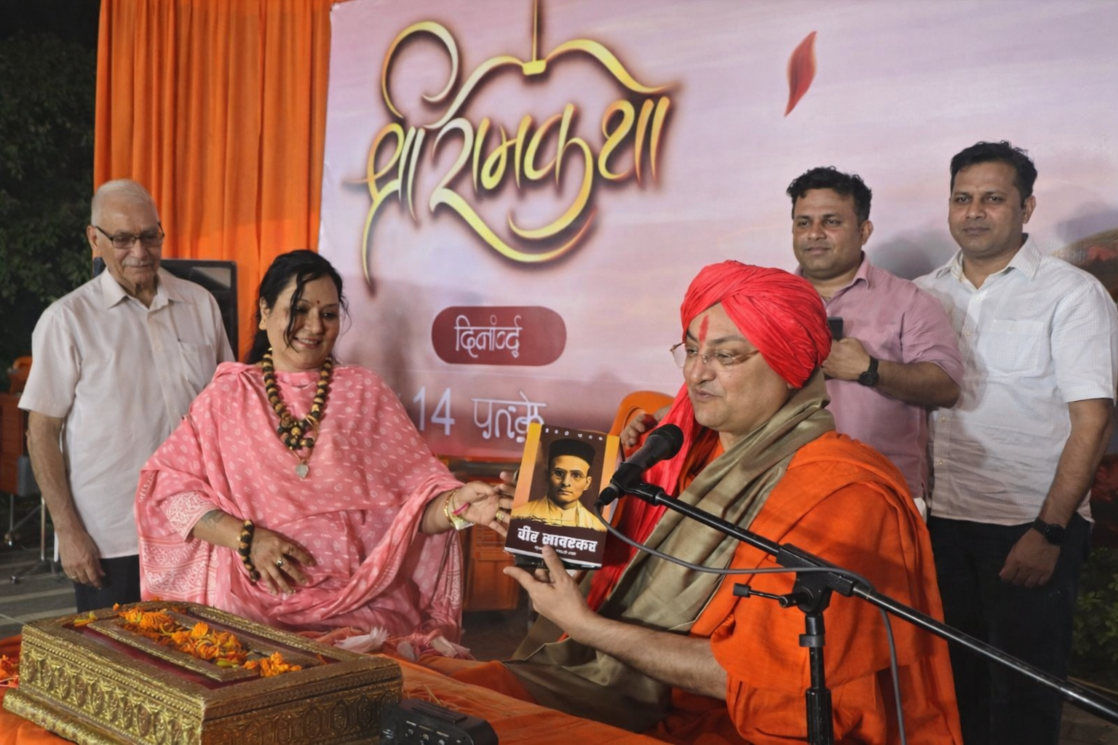
Mahamandaleshwar Swami Dr. Umakantanand Saraswati Ji Maharaj of the Juna Akhada, Haridwar, held a powerful Shri Ram Katha in Mumbai, drawing a massive gathering from all walks of life. Known internationally for preaching Vedic wisdom, the Ramayana, and the Bhagavad Gita, the revered saint once again demonstrated why his discourses resonate far beyond ritual—rooted firmly in real-life guidance and civilizational clarity.

Through the Shashvatham Foundation, Swami Ji has carried Indian spiritual and cultural education to over 80 countries, blending scriptural depth with practical life philosophy and a strong sense of Sanatan values.

At the Mumbai Ram Katha, devotees were visibly engrossed as the Swami seamlessly connected the ideals of Shri Ram with everyday challenges of modern life—from personal conduct and resilience to national character. His distinct husky voice, sharp narration, and uncompromising Vedic outlook kept the audience spellbound throughout the pravachan.

During the event, Swami Ji also spoke at length about the book Savarkar: Rashtravad Ki Krantikari Yatra, authored by Dr. Vaidehi Taman. Stressing the relevance of historical clarity, he remarked:

“We must read about all freedom fighters who brought us independence. But reading Savarkar is essential, because what he envisioned a hundred years ago remains relevant even today.”

Recalling a personal incident, Swami Ji shared how he once published a magazine that carried a detailed series on Veer Savarkar’s life.
“People warned me—Swamiji, don’t do this, some will come after you. I told them clearly—let them come after me or stand in front of me; I don’t care,” he said, drawing loud applause from the gathering.

He openly lauded Dr. Vaidehi Taman for her intellectual courage, praising her for taking up “subjects that demand spine, not convenience,” and for presenting nationalism through research and conviction rather than fear.

The Mumbai Ram Katha thus became more than a spiritual congregation—it evolved into a civilizational dialogue, where Ram, Rashtra, and responsibilitywere articulated with clarity and courage. As many attendees remarked, Swami Umakantanand Saraswati Ji’s pravachan does not merely comfort—it awakens.

App-Based Cab, Auto Drivers Stage Nationwide One-Day Strike Over Bike Taxis, Fare Issues

ola, uber, rapido, strike, app based taxi, app based cabs
App-Based Cab, Auto Drivers Stage Nationwide One-Day Strike Over Bike Taxis, Fare Issues 14

Drivers of app-based taxis and autorickshaws across the country observed a one-day nationwide strike on Saturday to press for a ban on allegedly illegal bike taxi services and to highlight multiple long-pending grievances, including concerns over fare policies and mandatory panic button installations.

The protest was called by labour unions representing gig workers, with Maharashtra Kamgar Sabha leader Dr Keshav Kshirsagar saying the strike began in the morning across Maharashtra and several other states. He claimed that a majority of taxi and autorickshaw drivers supported the agitation and kept their vehicles off the roads.

Despite the union’s claims, app-based taxi and auto services continued to remain available on platforms such as Uber, Ola and Rapido in many cities through the day.

The unions said the strike was aimed at opposing what they described as arbitrary fare structures of ride aggregators and at demanding strict enforcement against bike taxi operations, which they allege are illegal and adversely affecting the livelihoods of licensed cab and autorickshaw drivers. They also flagged the financial burden caused by mandatory panic button installations.

According to the drivers’ body, although 140 panic button device providers are approved by the Centre, nearly 70 per cent of them have been declared unauthorised by state authorities. This, they alleged, has forced drivers to remove previously installed devices and spend around Rs 12,000 to install new ones, adding to their financial stress.

Additional concerns raised included loss of income due to an increase in autorickshaws under the open permit policy and the alleged denial of insurance benefits to victims of accidents involving illegal bike taxis.

Reacting to the strike, Maharashtra Transport Minister Pratap Sarnaik warned ride-hailing companies against unfair treatment of drivers and assured government support on genuine issues. Speaking to reporters in Thane, he said the agitation should not inconvenience the public and added that the state government was in constant touch with driver unions.

“Passengers should not suffer because of the strike. Drivers should clearly communicate what support they expect from the government. We are ready to stand by them on all genuine issues,” Sarnaik said, noting that Regional Transport Office officials were coordinating with driver organisations.

He also cautioned that if aggregator companies were found acting unjustly towards drivers, the state government would not hesitate to take appropriate action.

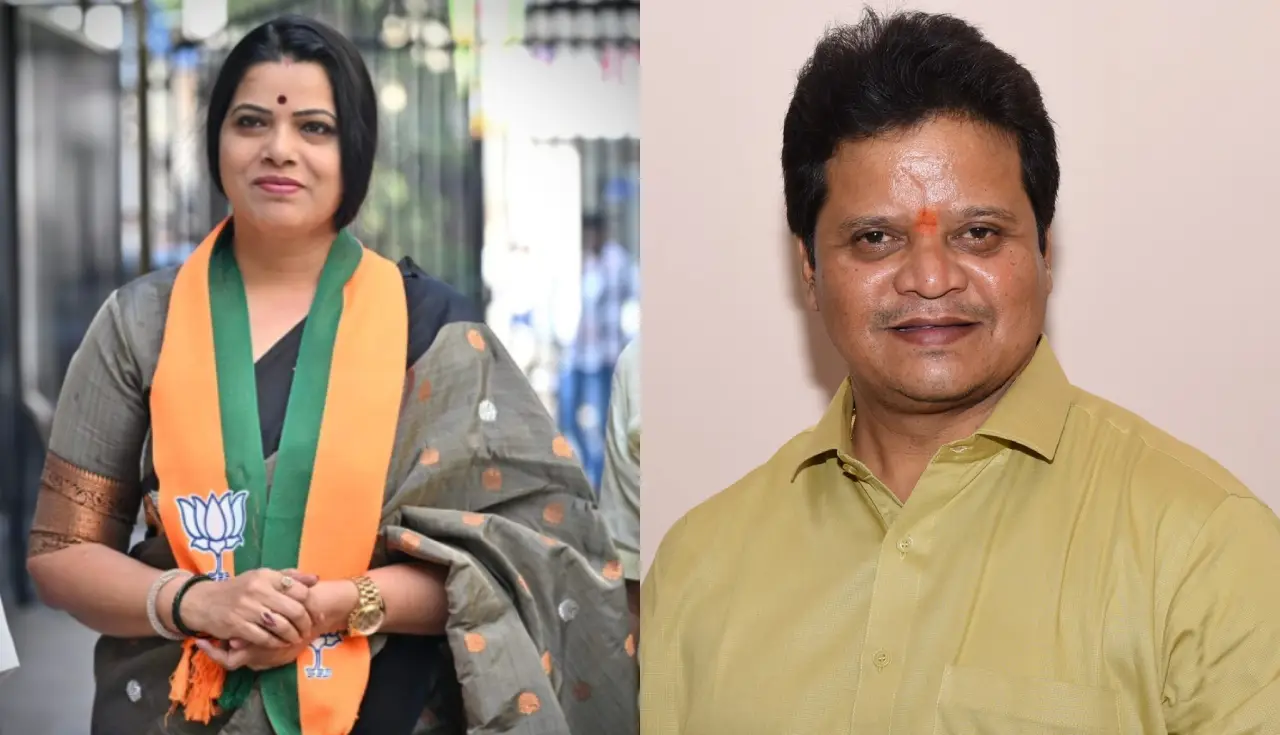
BJP Fields Ritu Tawde for Mumbai Mayor, Shiv Sena Names Sanjay Ghadi as Deputy Mayor Pick

sanjay ghadi, ritu tawde, mayor, mumbai mayor, bmc, bjp, shiv sena
BJP Fields Ritu Tawde for Mumbai Mayor, Shiv Sena Names Sanjay Ghadi as Deputy Mayor Pick 16

The Bharatiya Janata Party on Saturday named corporator Ritu Tawde as its candidate for the Mumbai mayoral election, while ally Shiv Sena announced Sanjay Ghadi as its nominee for the deputy mayor’s post, signalling a smooth power-sharing arrangement within the ruling alliance at the Brihanmumbai Municipal Corporation.

BJP leader Amit Satam declared Tawde’s candidature, while Shiv Sena leader Rahul Shewale announced Ghadi’s name at the Brihanmumbai Municipal Corporation headquarters. Tawde represents Ward 132, whereas Ghadi was elected from Ward 5 in the civic polls held on January 15.

According to a statement by Shiv Sena secretary Sanjay More, Ghadi will serve as deputy mayor for a 15-month term. A former Shiv Sena (UBT) corporator, Ghadi had earlier switched allegiance to the Eknath Shinde-led Shiv Sena. The party has decided to split the deputy mayor’s tenure to provide opportunities to four of its corporators.

In the elections to the 227-member BMC, the BJP emerged as the single largest party with 89 seats, while Shiv Sena secured 29. Together, the ruling alliance commands 118 corporators, comfortably crossing the majority mark of 114 and placing it in a strong position to clinch the mayor’s post.

The Shiv Sena (UBT), which controlled the civic body for 25 years since 1997, won 65 seats. Its allies, the Maharashtra Navnirman Sena and the Nationalist Congress Party (Sharad Pawar), secured six and one seat respectively. The Congress won 24 seats, AIMIM eight, the NCP (Ajit Pawar faction) three, and the Samajwadi Party two, while two independents also emerged victorious.

The civic polls were held after a nine-year gap, during which the BMC was run by an administrator appointed by the state government following the expiry of the previous term in March 2022. The BMC, the country’s richest civic body, has a budget of Rs 74,450 crore for 2025–26, exceeding that of several smaller states.

Revanth Reddy Dares BJP to Take Power in Telangana, Raps Amit Shah Over Minority Quota Remarks

revanth reddy, delimitation, south india, bias against south, telangana
Revanth Reddy Dares BJP to Take Power in Telangana, Raps Amit Shah Over Minority Quota Remarks 18

Telangana Chief Minister A Revanth Reddy on Thursday hit out at the BJP over its stand on minority reservations, challenging the saffron party to form a government in the state if it has the courage to act on its promises.

Addressing a consultative meeting of Jamiat Ulama Telangana in Hyderabad, Reddy referred to past remarks by Union Home Minister Amit Shah, who had said the BJP would scrap the four per cent minority quota if voted to power in Telangana.

Referring to BJP president Nitin Nabin addressing a public meeting at Mahabubnagar a day earlier, the chief minister said such statements exposed the party’s intentions. “Amit Shah has openly said the four per cent reservation for Muslims will be removed if the BJP comes to power. I am asking Prime Minister Narendra Modi and Amit Shah—if you have courage, form the government in Telangana,” Reddy said.

The chief minister alleged that the BJP’s recent electoral gains in the state were aided by vote transfers from the BRS at the cost of its own prospects. He said his government was committed to protecting constitutional guarantees for minorities and social harmony.

Reddy also announced that the state government is working on a comprehensive law against hate speech and hate crimes, which will be introduced in the upcoming budget session of the Assembly. He said he had requested former Supreme Court judge Justice Sudarshan Reddy to assist in drafting the proposed legislation, aimed at preventing divisive remarks and ensuring strict punishment for offenders.

Stressing unity, the chief minister said people from both majority and minority communities must work together to enable India to compete globally with nations such as the US, China and Japan. He added that the state’s caste survey had helped finalise data on the Muslim population, which would aid efforts to make the four per cent minority reservation permanent.

The chief minister said the reservation policy had enabled minority students to secure government jobs and improve their socio-economic standing. Meanwhile, BJP leaders have accused the Congress government of indulging in appeasement politics, with Nitin Nabin alleging that Revanth Reddy was undermining Telugu language and culture.

Rival Sena Factions Join Hands with Both NCPs in Barshi Ahead of Maharashtra ZP Polls

barshi, maharashtra, zp, maharashtra zp, elections, pollc, zp polls
Rival Sena Factions Join Hands with Both NCPs in Barshi Ahead of Maharashtra ZP Polls 20

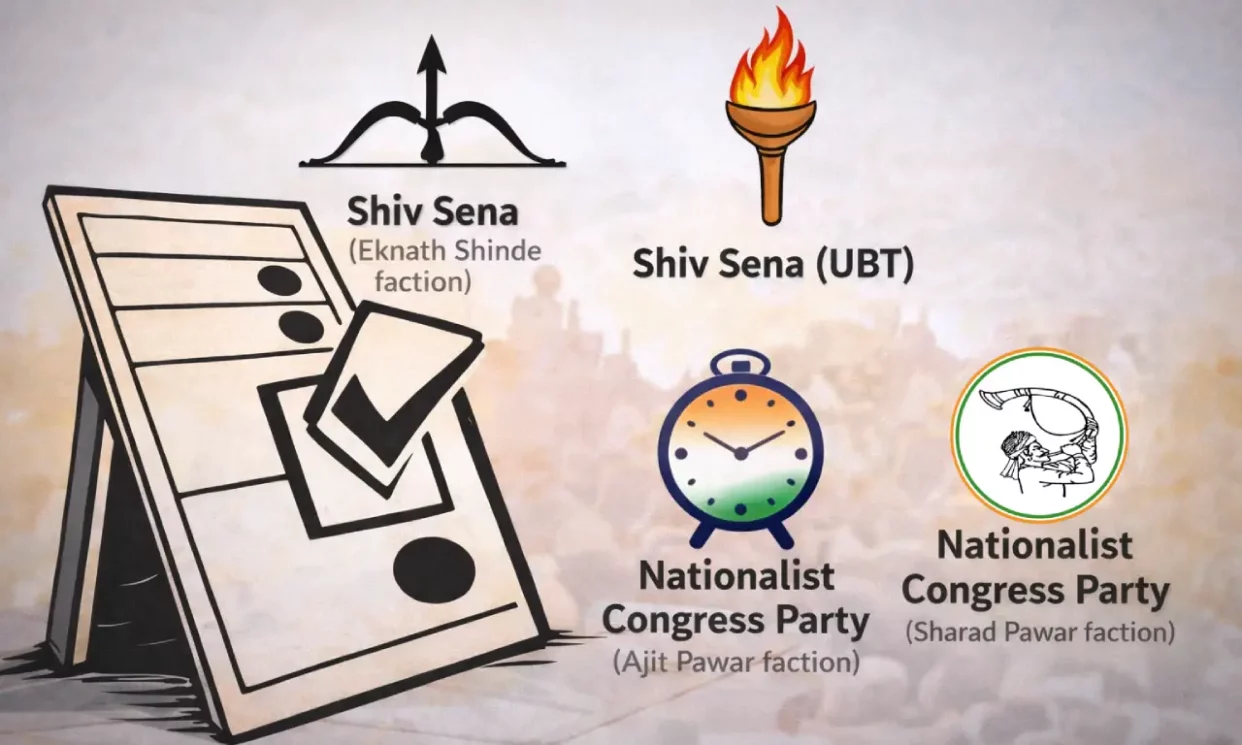
In a striking local-level political realignment, rival factions of the Shiv Sena—led by Eknath Shinde and Uddhav Thackeray—have come together to form a joint front in Barshi taluka of Solapur district, alongside both factions of the Nationalist Congress Party (NCP), ahead of the upcoming Zilla Parishad and Panchayat Samiti elections.

Elections to 12 Zilla Parishads and 125 Panchayat Samitis across Maharashtra are scheduled to be held on February 7. Despite being fierce rivals at the state level, the two Shiv Sena factions have aligned locally in Barshi, signalling the fluid nature of grassroots politics.

Deputy Chief Minister Eknath Shinde campaigned for the four-party front on Wednesday, addressing a rally at Vairag in Barshi taluka. Notably, Dilip Sopal, a Shiv Sena (UBT) MLA from the region, was present on the stage.

Speaking in a lighter tone, Shinde remarked that Sopal had “taken the wrong bus”, suggesting that had he aligned differently during the 2024 Assembly elections, he might have been part of the state cabinet. The comment drew attention to the shifting loyalties and tactical alliances shaping local contests.

A Shiv Sena (UBT) leader from Solapur, speaking on condition of anonymity, said the alliance was strictly limited to the Barshi taluka and aimed at countering the Bharatiya Janata Party at the local level. He clarified that the front covers 238 villages in the taluka and is relevant only for the Zilla Parishad and Panchayat Samiti polls.

The Sena (UBT) leadership has earlier maintained that it would not align with either the Shiv Sena led by Shinde or the NCP. However, similar local-level arrangements have surfaced in the past. In December’s municipal council elections, the two Sena factions had jointly backed a candidate in Kankavli taluka of Sindhudurg district, leading to a surprise victory.

The Shiv Sena split in June 2022 after Shinde rebelled against Thackeray with a majority of MLAs and later joined hands with the BJP to form the government. While Shinde’s faction is now part of the ruling Mahayuti alliance along with the NCP, Sena (UBT) remains a key constituent of the Opposition Maha Vikas Aghadi, making the Barshi tie-up an unusual but telling example of pragmatic local politics.