


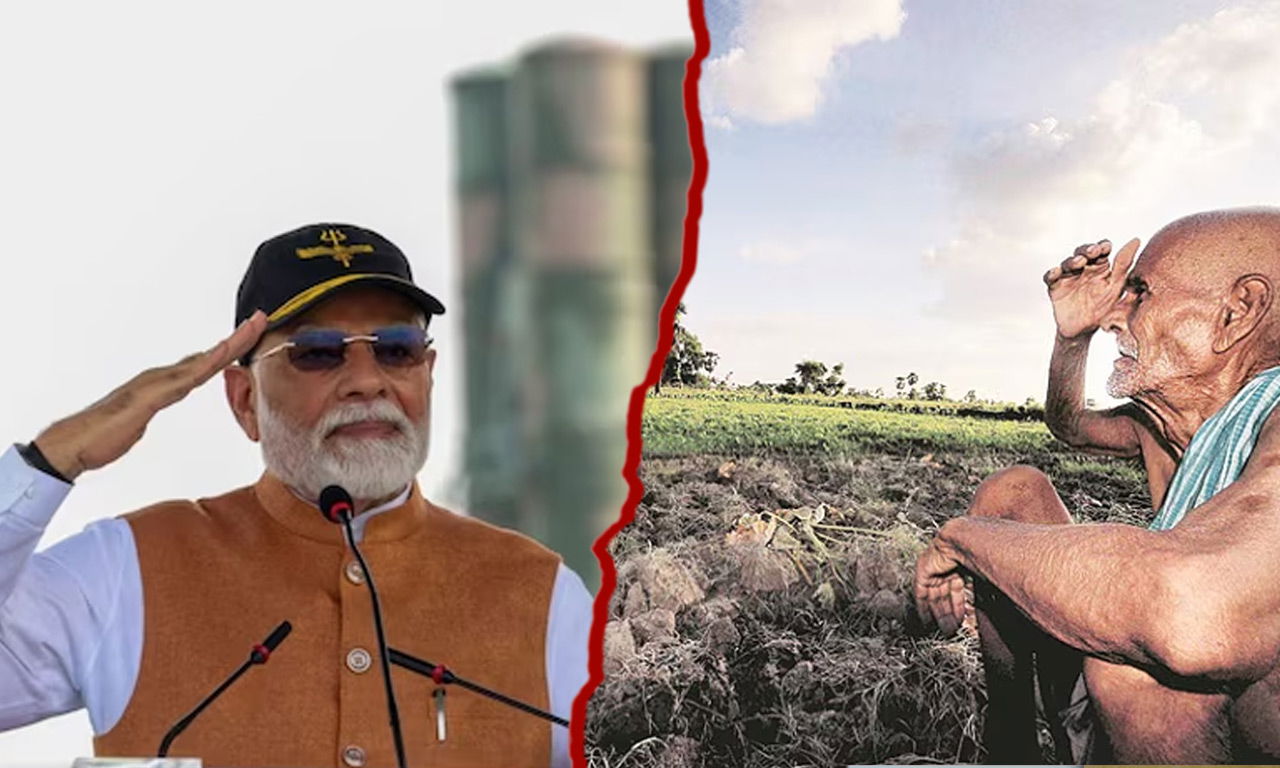
Indian politics today has turned into a carefully scripted performance, where real issues are muted and selective outrage is amplified. The recent developments both at the national and Maharashtra levels are perfect examples of how conveniently governments dodge questions, dilute dissent, and distract the public with narratives tailored for applause, not accountability.
Let’s start with the national scene. On June 3, leaders from 16 opposition parties wrote a letter to Prime Minister Narendra Modi demanding a special session of Parliament to discuss Operation Sindoor — India’s surgical airstrikes on terror camps in Pakistan, in response to the Pahalgam terror attack that claimed the lives of 26 civilians, most of whom were innocent tourists. This was a moment that called for transparency, discussion, and national unity. But what did the government do? It brushed off the demand and instead casually announced the monsoon session from July 21 to August 12 — as if public discourse on national security could be postponed like a school function.
This will be the first Parliament session post-Operation Sindoor, but the government seems more interested in controlling the headlines than facing the questions. If the strikes were such a strong message to Pakistan, why not own it in Parliament? Why this silence? Why this reluctance to speak to the elected representatives of the people? Is nationalism now a one-way street—loud and proud on social media, but absent in democratic forums?
Switching over to Maharashtra — the local drama isn’t any less theatrical. The monsoon session of the state legislature is scheduled from June 27 to July 13, during which the Mahayuti government will present the budget. But let’s rewind a little—back in March, Deputy CM Ajit Pawar already unveiled a grand budget for 2025-26, painting Maharashtra as the golden land of opportunity. At the World Economic Forum in Davos, MoUs worth ₹15.72 lakh crore were signed, promising a staggering 16 lakh new jobs. On paper, it sounds like a dream. On ground, it feels like déjà vu.
Every year, we hear about these astronomical figures, foreign investments, and lakhs of new jobs—but unemployment remains rampant, farmer suicides continue unabated, and rural infrastructure crumbles. Budget allocations were announced generously: ₹9,710 crore for Agriculture, ₹16,456 crore for Water Resources, and so on. But ask the common man in drought-hit Marathwada or Vidarbha if anything’s changed. They’ll tell you what budgets don’t show—empty promises and dry borewells.
What’s worse? Expectations from this session, like the proposed hike in monthly grants to women from ₹1,500 to ₹2,100, didn’t materialize either. For a government that claims to be committed to women’s empowerment, that’s a pretty underwhelming letdown.
Meanwhile, the politics of caste and provocation continues to brew. In Pune, a 60-year-old man scribbled something suspicious on a Shiv Srushti board. He was confronted, handed over to the police, and later identified as a known activist of the Andhashraddha Nirmulan Samiti, reportedly related to secularist Atul Kulkarni. The man, a Christian convert, had slogans written on his car and was recording the entire act with his wife. Soon after, caste-based groups erupted in outrage online, not for justice, but to milk the man’s surname and launch vicious attacks on the state government—especially targeting Devendra Fadnavis. It was a classic case of identity politics over truth. Fortunately, it was contained by alert citizens, but the damage was already done.
Now, here’s the big question to BJP — why the selective silence? Why ignore a legitimate demand to discuss India’s anti-terror operation in Parliament? You thump your chest over patriotism, but refuse to face questions from the same Parliament that represents the people. When will patriotism stop being performative and start being accountable?
And to Mahayuti in Maharashtra — when will grand budget speeches translate into ground realities? When will governance outshine gimmicks? When will promises stop evaporating post-elections?
From Delhi to Mumbai, one thing is clear — governments have mastered the art of selective responses. They react swiftly to criticism from opposition-ruled states but go into silent mode when it comes to their own backyard. Nationalism is sold like a product. Investment is packaged like a festival. And the Constitution? It’s conveniently invoked when needed and ignored when questioned.
The Indian voter, however, is no longer asleep. People are watching. They’re listening. And they’re tired of being taken for granted.
It’s time the governments of the day realize — the public doesn’t want propaganda. They want answers. Not optics, but outcomes. Not slogans, but sincerity.
And most importantly — they want democracy, not drama.
