Tricolour Is India's Pride; Don’t Divide Nation Through Colours: Congress Maha Chief Harshwardhan Sapkal 2
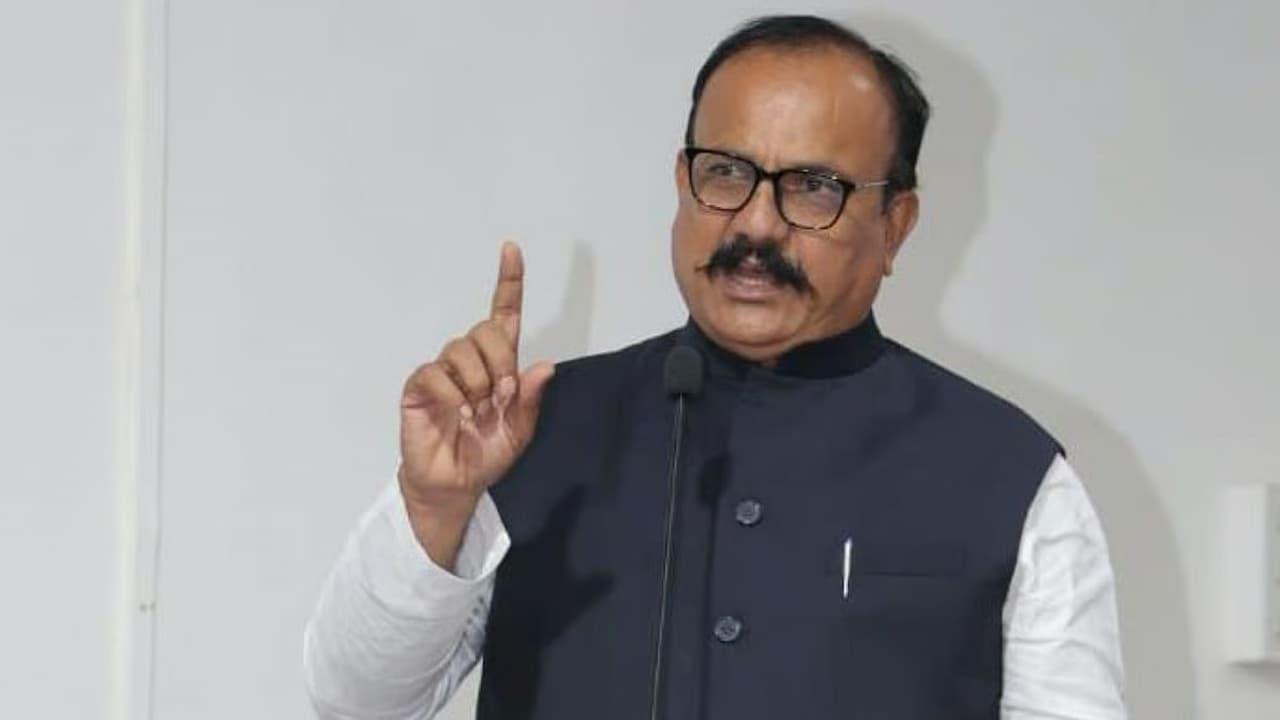
The Tricolour symbolises the nation’s honour, dignity and pride, but certain forces are attempting to divide society by politicising green and saffron for narrow political gains, Maharashtra Congress chief Harshwardhan Sapkal said on Monday.
Speaking after hoisting the national flag at the Congress office on the occasion of Republic Day, Sapkal urged party workers to take the Tricolour to every corner of Maharashtra and reinforce its unifying message.
“The Tricolour represents the honour, dignity and pride of the nation. Some political forces are trying to create divisions by politicising green and saffron colours for their own interests,” he said.
Sapkal stressed that both colours deserve equal respect, noting that green symbolises prosperity while saffron stands for sacrifice and honour. “The Tricolour represents the larger idea of India. Many have shed their blood for it, and even today we are prepared to make sacrifices to protect it,” he asserted.
Highlighting the role of the Indian National Congress, Sapkal said the party made immense contributions to the freedom struggle and nation-building after Independence. He added that the spirit of struggle must be kept alive to safeguard constitutional values.
BSF Recovers Body of Pakistani Intruder Shot Along International Border in J&K’s Samba 4
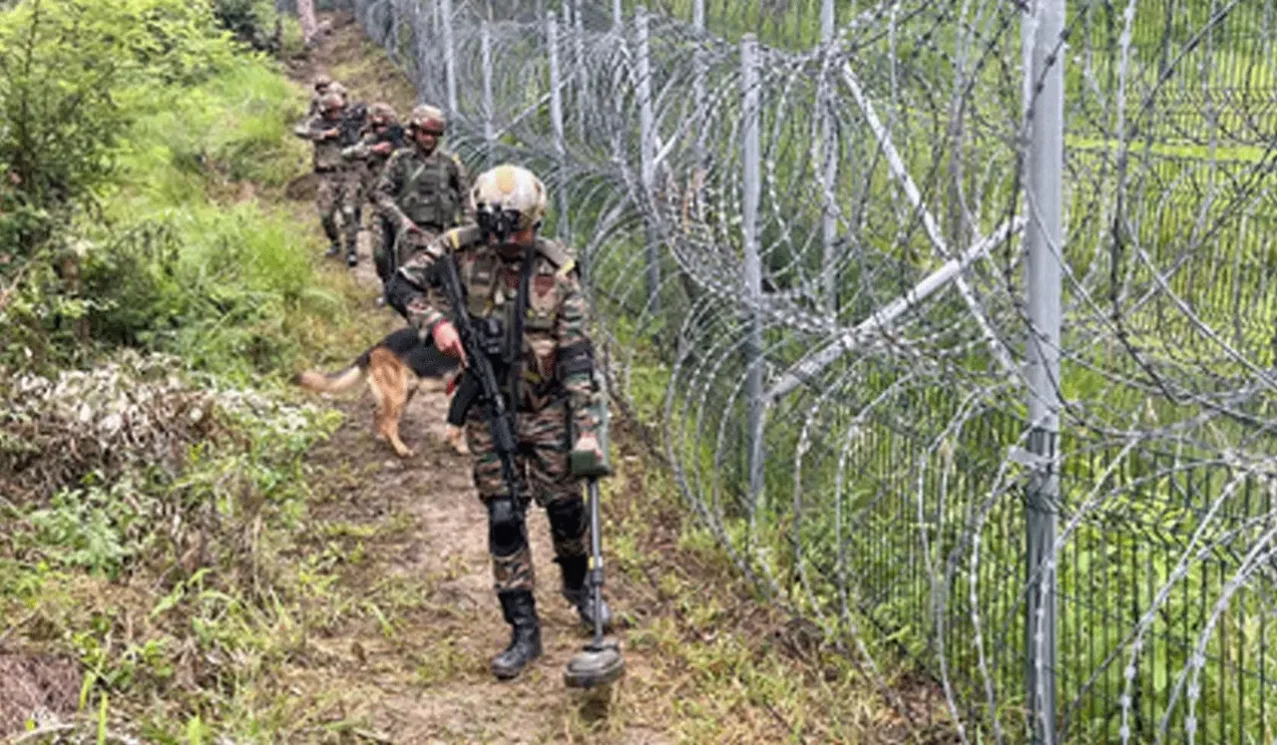
The body of a Pakistani intruder who was shot dead by the Border Security Force was recovered from the International Border in Samba district on Monday, officials said.
The intruder was gunned down late Sunday night while attempting to sneak into Indian territory through the Check Majra border outpost area in the Ramgarh sector. BSF personnel noticed suspicious movement under the cover of darkness and challenged the individual. When he failed to heed repeated warnings, the troops opened fire, officials said.
The body was later retrieved and handed over to the police for legal formalities. Documents recovered from the deceased revealed his identity as Mohd Arif (61), a resident of Lahore, officials added.
In a separate incident, the Special Operations Group of the local police detained a suspected individual from Daboh village in Samba district after several Pakistani contact numbers were found on his mobile phone during frisking. The person has been taken to the Samba police station for questioning as part of an ongoing investigation.
Security has been tightened along the International Border in the area following the incidents, officials said.
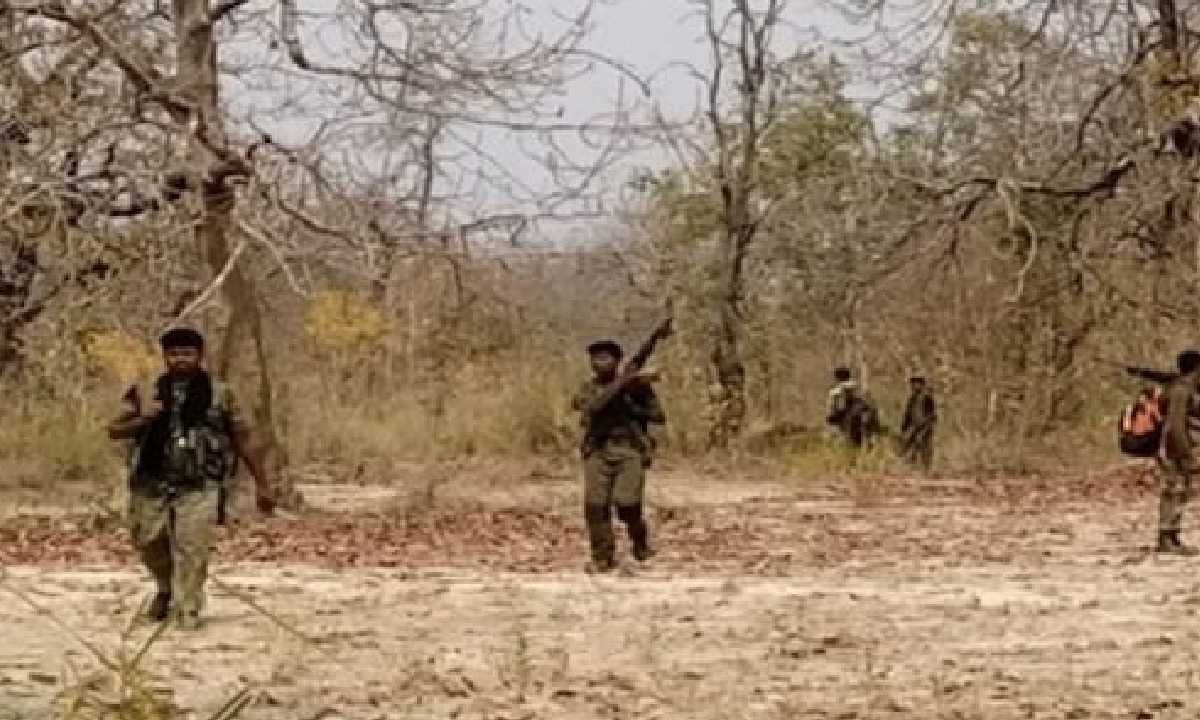
At least 11 security personnel were injured after improvised explosive devices (IEDs) planted by Maoists exploded during an anti-Naxalite operation in Chhattisgarh’s Bijapur district, officials said on Monday.
The blasts occurred on Sunday in the forested Karregutta Hills, a known Maoist stronghold, during a combing operation, a police official said. Ten of the injured personnel belong to the District Reserve Guard (DRG), while one is from the Commando Battalion for Resolute Action, or CoBRA, an elite unit of the Central Reserve Police Force (CRPF).
The injured CoBRA personnel has been identified as Rudresh Singh, a sub-inspector with the 210th battalion. Singh and two DRG personnel sustained injuries to their legs, while three others suffered splinter injuries to their eyes. All the injured have been shifted to a hospital in Raipur for treatment, the official said.
Security forces had established a camp in Tadpala village under Usoor police station limits in the Karregutta region in November last year, considering the area a safe hideout for senior Maoist leaders. The region has witnessed repeated operations against Left-wing extremism.
In April–May last year, central and state forces carried out a 21-day-long operation in the dense forests of the Karregutta Hills, during which 31 Naxalites were killed. At the time, forces recovered 35 weapons, around 450 IEDs, and a large cache of detonators, explosive materials, medical supplies, electrical equipment and Maoist literature, police had said.
Operations in the area are continuing with heightened caution amid concerns over hidden explosives in the forest terrain.
NCP (SP) Emerges Kingmaker in Sangli, Akola Civic Polls as BJP Misses Majority 7
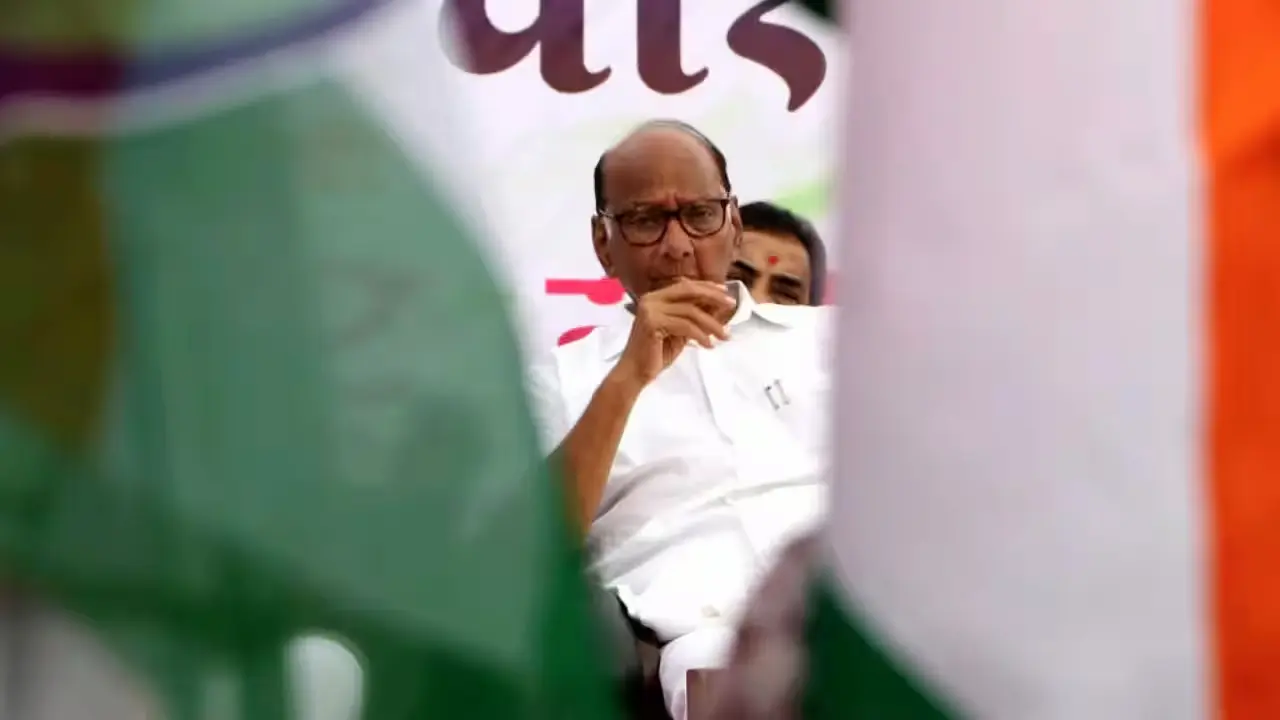
The Sharad Pawar-led Nationalist Congress Party (Sharad Pawar) has emerged as a key player in the formation of power in the Sangli and Akola municipal corporations after the Bharatiya Janata Party fell short of a majority in both civic bodies despite emerging as the single largest party.
In the 78-member Sangli, Miraj and Kupwad Municipal Corporation, the BJP secured 39 seats, one short of the majority mark. The Shiv Sena won two seats, Ajit Pawar’s Nationalist Congress Party bagged 16, while the Indian National Congress won 18 seats. The NCP (SP), with three corporators, has emerged as a potential kingmaker.
A similar situation has unfolded in the 80-member Akola Municipal Corporation, where the BJP won 38 seats, again falling short of a majority. The Congress secured 21 seats, the NCP and Shiv Sena one seat each, the Shiv Sena (UBT) six seats, and the NCP (SP) three. Ten seats were won by others, including the All India Majlis-e-Ittehadul Muslimeen, the Vanchit Bahujan Aghadi and independents.
With no party crossing the halfway mark, intense negotiations are underway in both cities to form governing alliances. The NCP (SP), which has three corporators in each civic body, is reported to be in talks with the BJP, though party leaders have been cautious in their public statements.
Responding to speculation in Sangli, NCP (SP) corporator Abhijit Koli said the party had contested the elections as part of the Maha Vikas Aghadi and would prioritise public welfare and regional development. “Whether we sit in the opposition or join the ruling side, our work will focus on people’s welfare. Our next step will be decided by our leader Jayant Patil and Congress leaders Vishal Patil and Vishwajit Kadam,” he said.
On the Akola situation, NCP (SP) state president Shashikant Shinde said discussions were ongoing at the local level among all parties to explore the formation of a civic front focused on development. “I have made it clear that any such arrangement, including with the BJP, should not be at the political level with party symbols,” he said.
As negotiations continue, the final shape of the civic administrations in Sangli and Akola is expected to hinge on the stance taken by the Sharad Pawar-led NCP (SP).
Ajit Pawar Will Return to MVA, NCP Factions to Reunite: Sanjay Raut 9
Shiv Sena (UBT) leader Sanjay Raut on Saturday claimed that Maharashtra Deputy Chief Minister Ajit Pawar would eventually return to the Maha Vikas Aghadi (MVA), asserting that the two factions of the Nationalist Congress Party (NCP) were headed towards reunification.
Speaking to reporters, Raut said the ruling NCP and the Sharad Pawar-led NCP (Sharadchandra Pawar) had effectively come together, pointing to the fact that both factions are contesting the upcoming Zilla Parishad and Panchayat Samiti elections on the ‘clock’ symbol. “Though Ajit Pawar is part of the Mahayuti, he is still emotionally connected with the MVA. Sharad Pawar and Ajit Pawar will come together. Ajit Pawar cannot step on two stones,” Raut said.
Ajit Pawar had joined the then Eknath Shinde-led government in July 2024 along with eight MLAs, triggering a split in the NCP. His faction retained the party name and the ‘clock’ symbol, while the outfit led by Sharad Pawar is now known as NCP (Sharadchandra Pawar).
The two NCP factions have recently contested municipal corporation elections together in Pune and Pimpri-Chinchwad and have announced a tie-up for the third phase of civic body polls scheduled for February 5, where they will contest on the Ajit Pawar-led party’s symbol.
Raut also alleged growing unease within the ruling Mahayuti, claiming that Deputy Chief Minister Eknath Shinde is unhappy with the BJP over the mayoral post in the Brihanmumbai Municipal Corporation. He claimed that even the BJP’s central leadership in Delhi was unwilling to relent on the issue.
In the recently held civic elections, the Bharatiya Janata Party won 89 seats, while its ally Shiv Sena secured 29, giving the Mahayuti a narrow majority in the 227-member BMC. Shinde has maintained that Mumbai will have a Mahayuti mayor, though he has not clarified how the post will be shared among alliance partners.
Though largely ceremonial, the Mumbai mayor’s post is seen as a powerful symbol of political dominance, with the mayor presiding over key meetings of the country’s richest civic body.
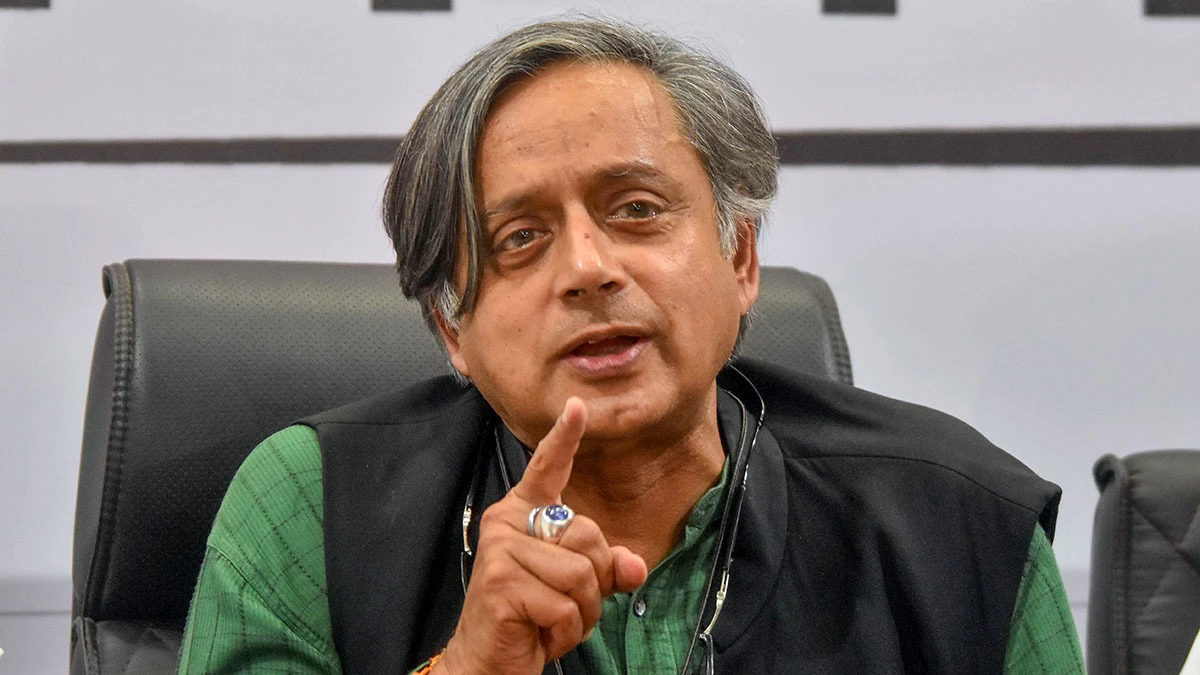
'Never Crossed Party Line': Shashi Tharoor Defends Stand on Operation Sindoor, Says India Comes First 11
Congress MP Shashi Tharoor on Saturday said he has never violated the party’s stated position in Parliament, asserting that his only principled public disagreement was over Operation Sindhoor, a stance he said he remains “unapologetic” about.
Speaking during a session at the Kerala Literature Festival, Tharoor addressed reports suggesting differences with the Congress leadership, including speculation that he was unhappy over not being adequately acknowledged by Rahul Gandhi at a recent event in Kochi and alleged attempts by state leaders to sideline him.
Clarifying his position, Tharoor said that as a writer and observer, he had penned a newspaper column following the Pahalgam incident, arguing that such an attack should not go unpunished and that a limited, kinetic response was warranted. He stressed that while India remains focused on development, it should not be drawn into a prolonged conflict with Pakistan, and that any action should be restricted to targeting terrorist infrastructure.
“To my surprise, the government did exactly what I had recommended,” Tharoor said, adding that his views were guided by national interest rather than partisan considerations.
Invoking India’s first prime minister Jawaharlal Nehru, Tharoor recalled the question, “Who lives if India dies?” and said that when the country’s security and global standing are at stake, national interest must take precedence over political differences.
“Political parties will always have disagreements as part of the democratic process,” he said. “But when it comes to India’s security and its place in the world, India must come first.”
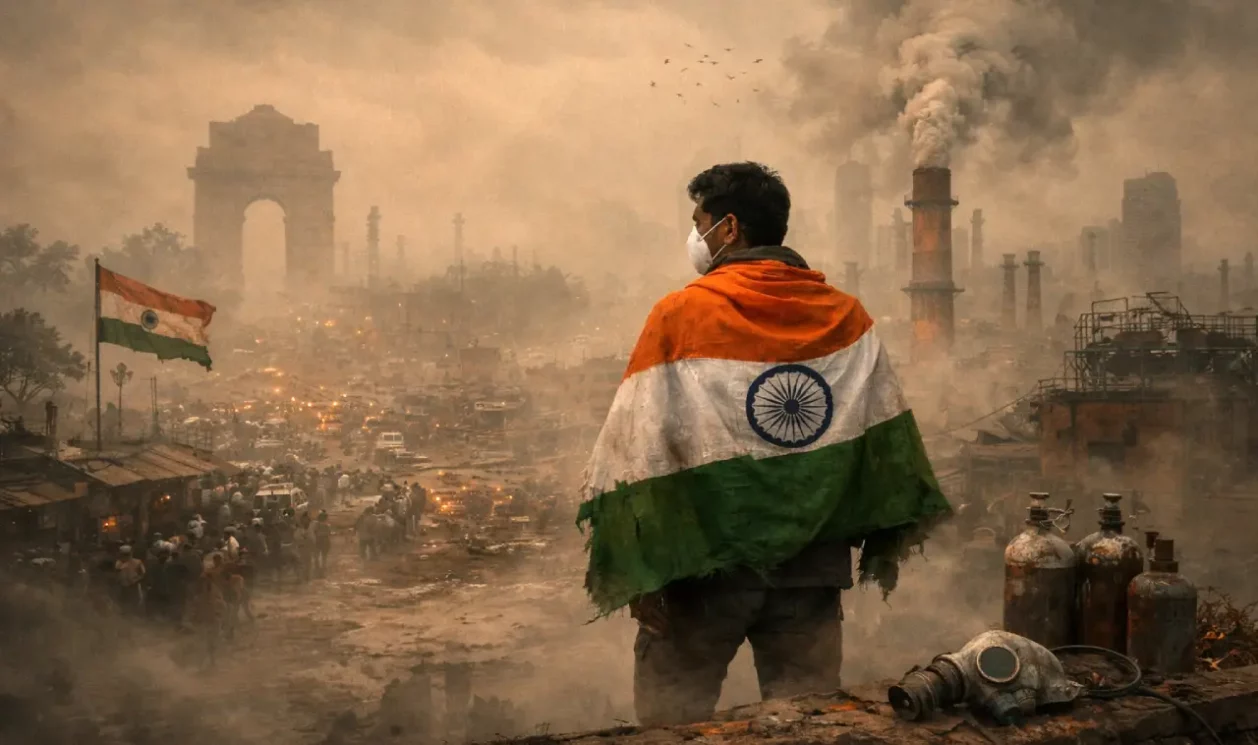
India saw an interview. Then India lost its breath. Not because of pollution—habit has made us immune—but because Gita Gopinath dared to say it out loud.
Cue outrage.
The charge sheet was familiar: anti-India, bad-mouthing the nation, washing dirty linen abroad. Apparently, pollution is patriotic only when it stays silent.
Let’s get the boring question out of the way before the shouting resumes: what exactly did she say that was false? That pollution kills Indians? That investors think twice before sending people—and money—into cities that resemble gas chambers? That environmental collapse is an economic problem, not a poetry slam by activists?
If stating facts is treason, then India’s real enemy is data.
Here’s the irony thick enough to choke on: at the same summit, Gopinath also said India is on course to become the world’s third-largest economy by 2028. That line vanished faster than clean air in Delhi in November. Selective hearing is now a national sport.
Economists, inconveniently, are paid to ruin the mood. They don’t clap on cue; they count. And counting is exactly what Gopinath did—in her interaction with India Today at the World Economic Forum. Her central thesis was brutally simple: pollution is not an activist issue; it’s a macroeconomic one.
Around 1.7 million deaths a year. A drag of 5–9% of GDP from healthcare losses and reduced productivity. Tariffs? Negotiable. Pollution? Permanent.
Capital doesn’t move alone; people move with it. And when cities become unlivable, high-value investment develops a sudden allergy. This is not hatred for India. This is concern for India—expressed in the dull, unforgiving language of economics.
But outrage requires simpler villains. So we attacked the messenger instead of opening a window.
Let’s be clear: no serious global investor decides to invest—or flee—because of one interview. They study data, demographics, stability, quality of life, governance, and yes, air and water. Pretending otherwise is not nationalism; it’s cosplay.
Calling Gopinath “anti-India” is like blaming the thermometer for the fever. It also reveals a deeper insecurity: if the government isn’t talking about a problem, it must not exist. A logic so elegant it should be taught in civics—as satire.
Consider this: industrial pollution contributes over half of the country’s air pollution. Sulphur dioxide and nitrogen oxides from thermal power plants ruin lungs and invite acid rain like an RSVP. Of the world’s most polluted cities, India regularly hosts a majority. Millions breathe air several times over WHO’s safe limits. These are not opinions. These are invoices—paid with human lives.
Gopinath, a Harvard professor—yes, Harvard University—did what economists are trained to do: identify obstacles to growth. She didn’t wave placards; she read reports, including those by the World Bank. She called a spade a spade. We responded by checking her passport.
Here’s a radical thought: instead of screaming, put her on an advisory board. Take the free advice. Fix policy leaks. Build sustainable growth that doesn’t require inhalers as GDP multipliers. That’s what grown-up nations do.
But grown-up debates don’t trend. Outrage does.
So let me give this in writing, for the record: by 2030, pollution will be an election issue. Then the same voices shouting today will discover lungs, children, and air quality—with dramatic background music. Until then, denial will be marketed as patriotism.
This entire episode is a slap—on our media, which edited out context, and on governance, which treats environmental ruin as a footnote. Real patriotism is not chest-thumping. It’s problem-solving.
Let economists be economists. Judge comments by economic realism, not nationalist sentiment. Stop demanding “godi economists” who convert facts into lullabies.
Because stating facts is not anti-India. Pollution is not a slogan; it’s a bill. And real love for the country begins with the courage to say: we can—and must—do better.
Shoot the messenger if you like. The smog will still be there tomorrow morning, waiting for your anthem to clear it.
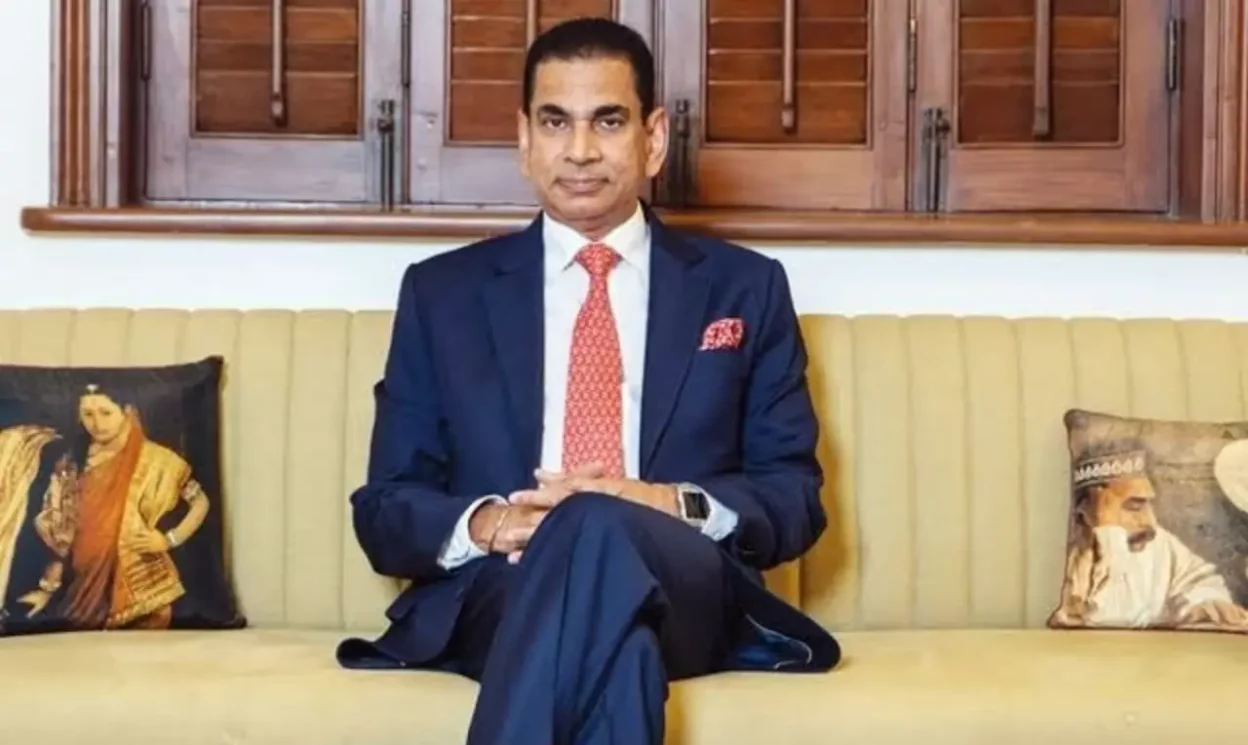
Former BMC Chief Iqbal Singh Chahal Appointed Head of Mumbai Police Housing Project with MoS Rank 15
Senior IAS officer and former Brihanmumbai Municipal Corporation commissioner Iqbal Singh Chahal has been appointed chairman of the Maharashtra government’s Mumbai Police Housing Township Project, a position that carries the rank and status of a Minister of State, according to a government resolution issued on Wednesday.
Chahal, who is currently serving as Additional Chief Secretary (Home), will assume the new role after his superannuation at the end of this month. The appointment will take effect from February 1, 2026, the resolution said.
The Mumbai Police Housing Township Project is a flagship initiative aimed at providing quality residential accommodation to police personnel and their families, with a focus on improving living conditions and overall welfare of the force. The project involves extensive planning, land acquisition, infrastructure development, coordination with multiple government agencies, financial management and time-bound execution.
Explaining the decision, the government said it was “expedient and necessary” to appoint a senior retired officer with proven administrative competence to provide strategic leadership and oversight for the successful implementation of the project. The resolution highlighted Chahal’s more than 36 years of experience in administration, project management and inter-governmental coordination, describing his service record as impeccable.
Chahal, who retires from service on January 31, had earlier missed out on the post of chief secretary, which went to his batchmate Rajesh Aggarwal. Apart from serving as BMC commissioner during the COVID-19 pandemic, he has also held key responsibilities in the Chief Minister’s Office.
The government resolution clarified that Chahal’s appointment as chairman of the Mumbai Police Housing Township Project will be in a rank and status equivalent to that of a Minister of State in the Government of Maharashtra.
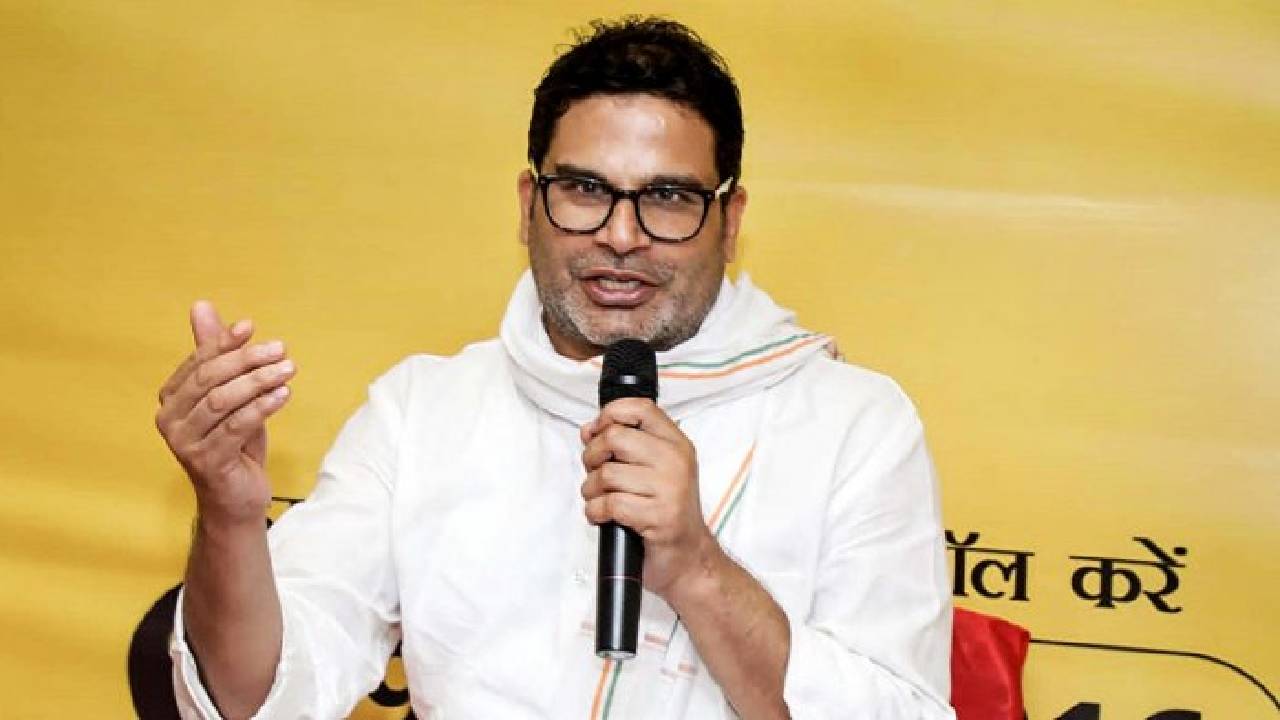
Jan Suraaj Party founder Prashant Kishor on Friday met the family of an 18-year-old NEET aspirant who died in Patna earlier this week and demanded a re-investigation into the circumstances surrounding her death, questioning the initial police findings.
Hours after Kishor raised concerns, Bihar Director General of Police Vinay Kumar ordered the formation of a Special Investigation Team (SIT) to probe the case.
After meeting the bereaved family, Kishor said the police appeared to have acted in haste by initially declaring the death a suicide. “The police first rushed to label it as suicide. Now they are saying sexual assault cannot be ruled out. This case must be re-investigated so that the family gets justice,” he told reporters. He also demanded that the role of officers who prematurely concluded it was a suicide be examined and strict action taken if lapses were found.
The student, who was preparing for the National Eligibility cum Entrance Test (NEET), was found unconscious in her hostel room in Patna’s Chitragupt Nagar earlier this month, where she was staying to attend coaching classes. She died at a private hospital on January 11 after remaining in a coma for several days. Her family has alleged that she was sexually assaulted and accused authorities of attempting a cover-up.
The death triggered large-scale protests in Patna, following which police arrested the owner of the girls’ hostel. A post-mortem report later stated that the student died after consuming a large quantity of sleeping pills and that she was also suffering from typhoid. After the report went viral on social media, protests intensified, with critics pointing to alleged contradictions in medical findings.
Kishor further claimed that the family told him an investigating officer had suggested they “strike a deal” and let the matter go. “This is highly objectionable. I will help the family approach senior officers and ensure the culprits are brought to book,” he said.
Later in the evening, the DGP announced that the SIT would be headed by the Patna SP (City) and would include women deputy superintendents of police and inspectors. The Inspector General of Police of the Central Zone has been directed to supervise the probe on a daily basis.
Earlier, Patna SSP Kartikeya Sharma said the scope of the investigation had been widened. He acknowledged contradictions between the post-mortem findings and earlier medical reports and said all documents had been referred to AIIMS Patna for expert opinion. “The investigation is being carried out based on the latest post-mortem report, and all those involved will be arrested soon,” he said.
BJP Sweeps Pune, Pimpri-Chinchwad Civic Polls, Holds Ground Against United NCP 18
The Bharatiya Janata Party on Friday retained power in the Pune and Pimpri-Chinchwad municipal corporations, defeating a united challenge from the Ajit Pawar-led Nationalist Congress Party and the Nationalist Congress Party (Sharad Pawar) in a decisive outcome in the civic polls.
The BJP also registered victories across western Maharashtra, including Kolhapur, Sangli, Solapur and Satara districts, consolidating its urban footprint in the region.
In Pune, results for 135 of the 165 seats were declared by late evening. The BJP secured a commanding 95 seats, while the Indian National Congress won 15, the Ajit Pawar-led NCP 20, and the NCP (SP) two seats. In the neighbouring industrial hub of Pimpri-Chinchwad, the BJP retained control by winning 84 of the 127 seats, with the Ajit Pawar-led NCP finishing second with 36.
During the campaign, Ajit Pawar mounted a sharp attack on his state-level ally, the BJP, accusing its local leadership of stalled development and corruption in both civic bodies over the past nine years. His party’s reduced strength in Pune is expected to weaken his leverage within the BJP-led Mahayuti alliance.
Seeking to counter the BJP’s growing dominance, Ajit Pawar had aligned with the NCP (SP), more than two years after splitting from his uncle Sharad Pawar. In Pune, he directly targeted Union Minister and city MP Murlidhar Mohol, while in Pimpri-Chinchwad he accused BJP MLA Mahesh Landge of corruption in the civic administration.
Reacting to the results, Mohol said the BJP fought the elections on a development agenda and thanked voters for renewing their trust in the party. Ajit Pawar, in a post on X, said he accepted the verdict with humility, adding that the people’s mandate was supreme.