Home Blog Page 12

Modi Magic and the Expanding Saffron Horizon: How BJP Is Redefining India’s Political Map

modi, magic, modi magic, saffron, horizon
Modi Magic and the Expanding Saffron Horizon: How BJP Is Redefining India’s Political Map 2

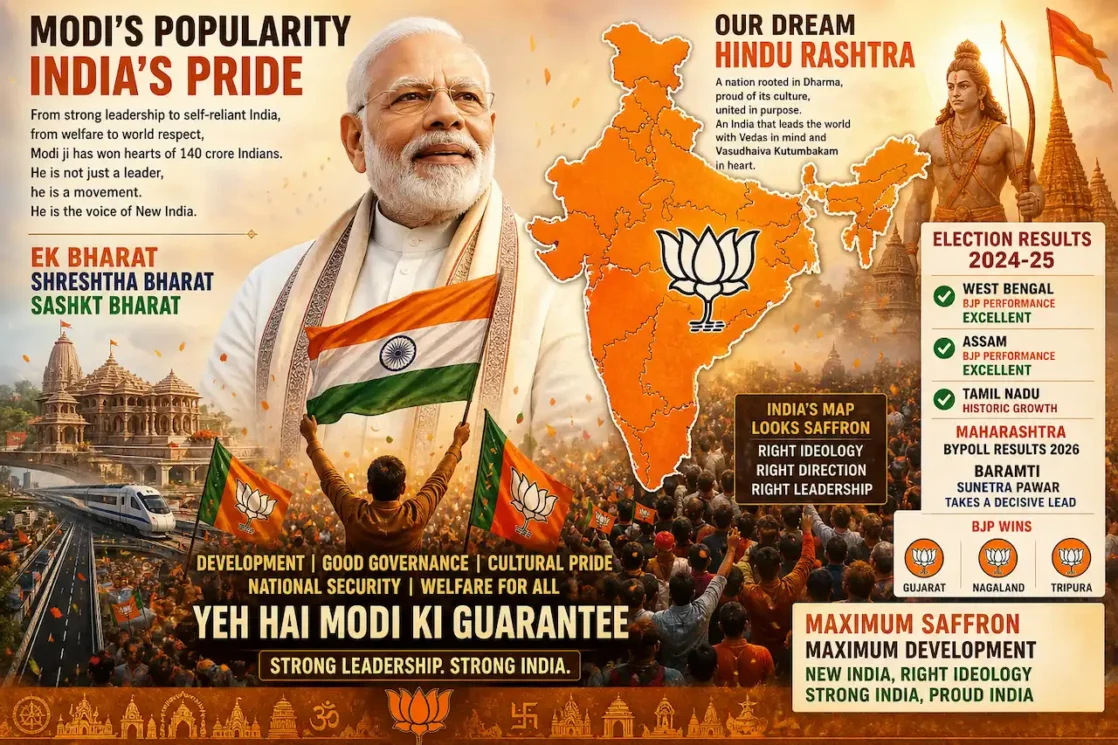
The current political climate in India reflects not just a series of electoral victories but a deeper, more structural transformation led by the Bharatiya Janata Party under the leadership of Narendra Modi, whose influence continues to shape voter behavior across regions, classes, and generations. What sets this phase apart from earlier political waves is the BJP’s refusal to remain confined to traditional strongholds; instead, it has adopted an aggressive, calculated approach to expand into territories that were once considered politically inaccessible, and this shift is not accidental but the result of meticulous planning, ideological clarity, and organizational discipline. Modi’s popularity remains the central pillar of this expansion, functioning almost as a unifying force in a country otherwise defined by diversity and fragmentation, because for a large section of voters he represents decisiveness, national pride, and a sense of cultural reclamation that resonates beyond routine governance, and unlike many leaders who fade with time, Modi has managed to retain both relevance and emotional connection with the electorate, which is no small feat in a democracy as complex as India.

The BJP’s strategy has been to combine strong grassroots organization with a powerful national narrative, ensuring that even in regions where it lacked historical presence, it steadily built a cadre, absorbed local leadership, and created an alternative political imagination for voters seeking change, and this is particularly evident in states like West Bengal, where the party has made remarkable inroads despite decades of dominance by regional forces led by Mamata Banerjee, because what changed in Bengal was not overnight sentiment but a gradual accumulation of factors, including fatigue with prolonged rule; rising aspirations among youth; concerns around identity and governance; and the BJP’s ability to position itself as a credible challenger that could break the status quo. The narrative around border security, illegal immigration, and cultural identity found resonance among sections of the population, while the central government’s welfare schemes created a direct connection between beneficiaries and Modi, often bypassing local political structures, and this combination of emotional, ideological, and practical appeal allowed the BJP to carve out space in a state that once seemed impenetrable.

At the same time, the party’s success in Assam and its expanding footprint in Tamil Nadu reflect a broader pattern where regional complexities are not ignored but strategically engaged with, as the BJP aligns local aspirations with a national vision, carefully balancing cultural sensitivity with ideological messaging, and while Tamil Nadu remains a challenging terrain due to its entrenched Dravidian political culture, the incremental gains indicate a long-term strategy rather than immediate electoral impatience, which again highlights the party’s willingness to invest time and resources in reshaping political narratives rather than relying on short-term calculations. Across the Northeast, the BJP has demonstrated an ability to integrate regional identities into a larger developmental framework, emphasizing connectivity, infrastructure, and inclusion, thereby turning what was once a peripheral political zone into a significant contributor to its national strength.

What makes the current moment particularly striking is the visual and symbolic reality of India’s political map increasingly reflecting saffron dominance, which is not merely about electoral wins but about the consolidation of a right-leaning ideological space that emphasizes cultural pride, national security, and centralized leadership, and while critics may debate the implications of this shift, there is no denying that it has found acceptance among a substantial section of the electorate, especially younger voters who are engaging with questions of identity and nationhood with renewed intensity. The idea of India moving toward a more culturally assertive framework, often articulated in discussions around a Hindu Rashtra, has moved from the margins to the mainstream, not necessarily as a policy blueprint but as a sentiment that influences political choices, and this reflects a broader rethinking of what Indian secularism and identity should look like in the 21st century.

However, it would be simplistic to attribute the BJP’s rise solely to ideology, because governance delivery, welfare outreach, and electoral machinery play an equally critical role, and the party has excelled in combining data-driven campaigning with emotional storytelling, ensuring that its message reaches voters consistently and effectively, while the opposition continues to struggle with coherence, leadership, and narrative clarity, often appearing reactive rather than visionary, which further strengthens the BJP’s position as the dominant political force. Yet, Indian politics has always been dynamic, and while the current momentum clearly favors Modi and the BJP, the real test will lie in sustaining this expansion while addressing the diverse expectations of a vast and complex electorate, because winning elections is one challenge, but governing varied regions with distinct identities and aspirations requires a different level of adaptability and foresight.

For now, though, the picture is unmistakable: the BJP is not just contesting elections but actively reshaping India’s political and ideological landscape, and as long as Modi’s leadership continues to inspire confidence and connect with the masses, this saffron surge is likely to persist, redefining the contours of Indian democracy in ways that will be studied and debated for years to come.
Vijay’s TVK Emerges as Political ‘Unicorn’, Redefines Tamil Nadu’s Electoral Landscape

tvk, vijay, victory, tamil nadu
Vijay's TVK Emerges as Political 'Unicorn', Redefines Tamil Nadu's Electoral Landscape 4

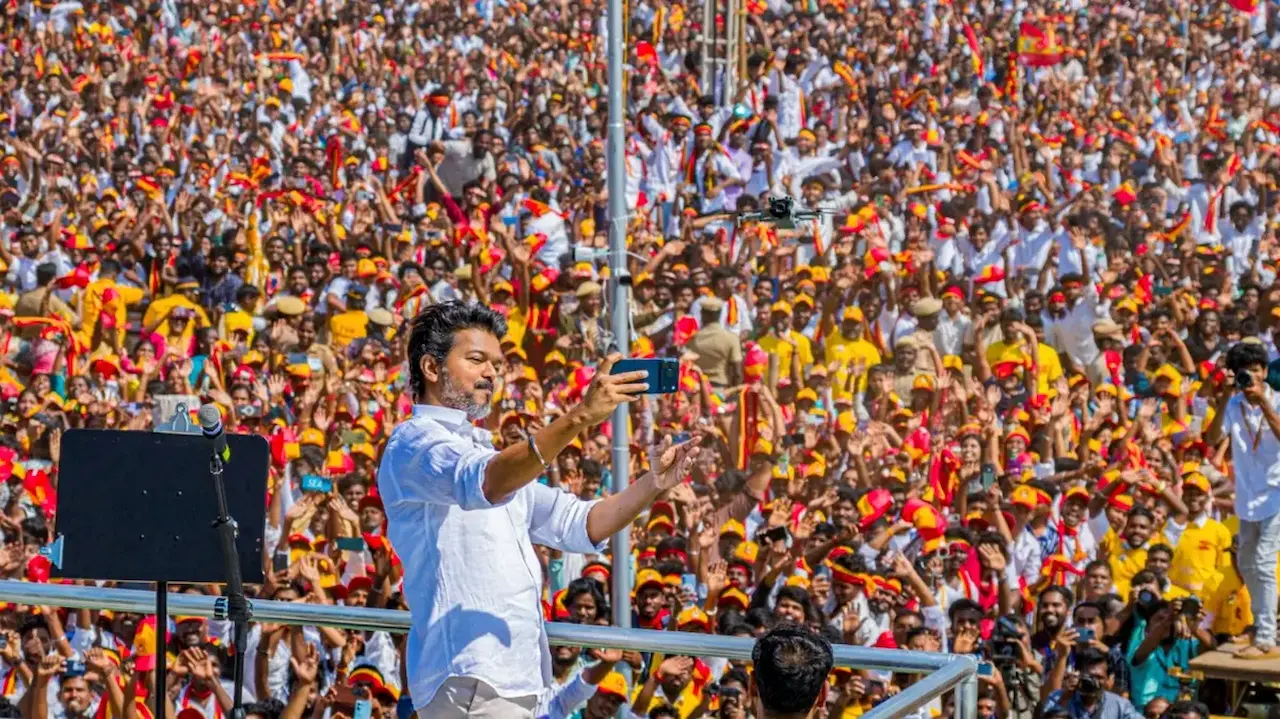
Actor-turned-politician Vijay has pulled off a stunning electoral debut, with his party Tamilaga Vettri Kazhagam (TVK) emerging as a front-runner to form the government in Tamil Nadu, drawing comparisons to rare political “startups” that achieved instant success.

TVK’s rapid rise places it alongside a select group of parties such as the Aam Aadmi Party (AAP), Asom Gana Parishad (AGP), and Telugu Desam Party (TDP), all of which formed governments soon after their electoral debut. While AAP formed a government in Delhi in 2013 with outside support, AGP came to power in Assam in 1985, and TDP swept Andhra Pradesh in 1983 under the leadership of N. T. Rama Rao.

According to early Election Commission trends, TVK was leading in over 100 seats in the 234-member Assembly, well within striking distance of the majority mark of 118. In contrast, the Dravida Munnetra Kazhagam (DMK) and All India Anna Dravida Munnetra Kazhagam (AIADMK)—the two dominant Dravidian parties—were trailing significantly, marking a potential political upheaval in the state.

TVK’s meteoric rise stands out in a political landscape where many new parties fail to sustain momentum. Recent examples include Jan Suraaj Party, which generated significant buzz but failed to win seats, and Makkal Needhi Maiam, which did not make an electoral breakthrough in 2021.

Across India, several smaller parties continue to operate with limited regional influence, including outfits like the Hindustani Awam Morcha and Rashtriya Lok Morcha in Bihar, or Apna Dal (Sonelal) and Suheldev Bharatiya Samaj Party in Uttar Pradesh. However, few have managed to translate initial hype into decisive electoral victories.

Historically, successful parties have either emerged from strong ideological movements, mass agitations or charismatic leadership. The Indian National Congress traces its roots to the freedom movement, while the Bharatiya Janata Party rose through ideological mobilisation. Regional powerhouses such as the Trinamool Congress and Biju Janata Dal grew from established political figures breaking away from parent parties.

In this context, TVK’s performance stands out as a rare phenomenon—a political “startup” turning into a “unicorn” almost instantly. If current trends hold, it could not only end decades of DMK-AIADMK dominance but also inspire a new wave of political entrants looking to replicate its success.

No Victory Rallies Today: Bengal CEO Issues Strict Order Amid Vote Counting

bengal ceo, West Bengal, Manoj Agarwal, victory
No Victory Rallies Today: Bengal CEO Issues Strict Order Amid Vote Counting 6

West Bengal Chief Electoral Officer Manoj Agarwal on Monday announced that no victory rallies will be permitted across the state as counting of votes for 293 Assembly seats is underway.

He said the counting process is progressing smoothly and no incidents of violence have been reported so far. To maintain law and order, district magistrates have been directed not to allow any celebratory processions on the day results are declared.

“We have instructed all DMs not to allow any victory rallies today. These processions can take place from tomorrow. We want to ensure there is no post-poll violence and appeal to everyone to remain calm and maintain peace,” Agarwal said.

He added that political parties must obtain prior permission from local police stations before organising any rallies.

Reiterating that the situation remains under control, Agarwal said no poll-related deaths or violent incidents have been reported from any part of the state.

Earlier in the day, special observer Subrata Gupta said the Election Commission was examining complaints that agents of certain political parties were unable to reach counting centres.

Authorities have stepped up vigilance across the state to ensure a peaceful counting process and to prevent any potential unrest following the announcement of results.

Vijay’s TVK Heads for Historic Breakthrough in Tamil Nadu, Nears Majority Mark

vijay, tvk, tamil nadu, tn
Vijay's TVK Heads for Historic Breakthrough in Tamil Nadu, Nears Majority Mark 8

Actor-politician Vijay is on the brink of scripting political history in Tamil Nadu, with his party Tamilaga Vettri Kazhagam (TVK) emerging as a dominant force in early counting trends of the Assembly elections.

As vote counting progressed for the April 23 polls, TVK was leading in 109 of the 234 constituencies, closing in on the majority mark of 118 seats. The Dravida Munnetra Kazhagam (DMK) was trailing significantly, while the All India Anna Dravida Munnetra Kazhagam (AIADMK) was ahead in 63 seats and DMK in 40, according to Election Commission data.

In a major upset, Chief Minister M. K. Stalin was trailing in his Kolathur constituency, while Deputy Chief Minister Udhayanidhi Stalin was also behind in Chepauk-Thiruvallikeni. Several senior ministers, including Duraimurugan and Thangam Thennarasu, were trailing, indicating a strong anti-incumbency wave.

Vijay himself was leading in Tiruchirappalli East and Perambur, while senior party leader Aadhav Arjuna was ahead in Villivakkam. TVK’s surge was visible across regions, including the western Kongu belt, traditionally considered a stronghold of the AIADMK-BJP alliance.

If the trends hold and TVK crosses the majority mark, it would mark an unprecedented political shift. No party in Tamil Nadu’s history has come to power within just two years of its formation. Even M. G. Ramachandran, who founded the AIADMK in 1972, became Chief Minister only in 1977 after years in the DMK.

The results signal a potential end to decades of dominance by the two Dravidian giants—DMK and AIADMK—who have alternated power in the state since 1967, beginning with C. N. Annadurai forming the first non-Congress government.

TVK’s strong performance has also defied most exit poll predictions that had given an edge to the DMK based on its welfare-driven governance model. If the current trend translates into a final result, it could mark one of the biggest political upsets in the state’s history, reshaping Tamil Nadu’s electoral landscape.

Kerala Verdict Trends: UDF Storms Ahead, LDF Faces Major Setback in Assembly Polls

udf, kerala, assembly polls,
Kerala Verdict Trends: UDF Storms Ahead, LDF Faces Major Setback in Assembly Polls 10

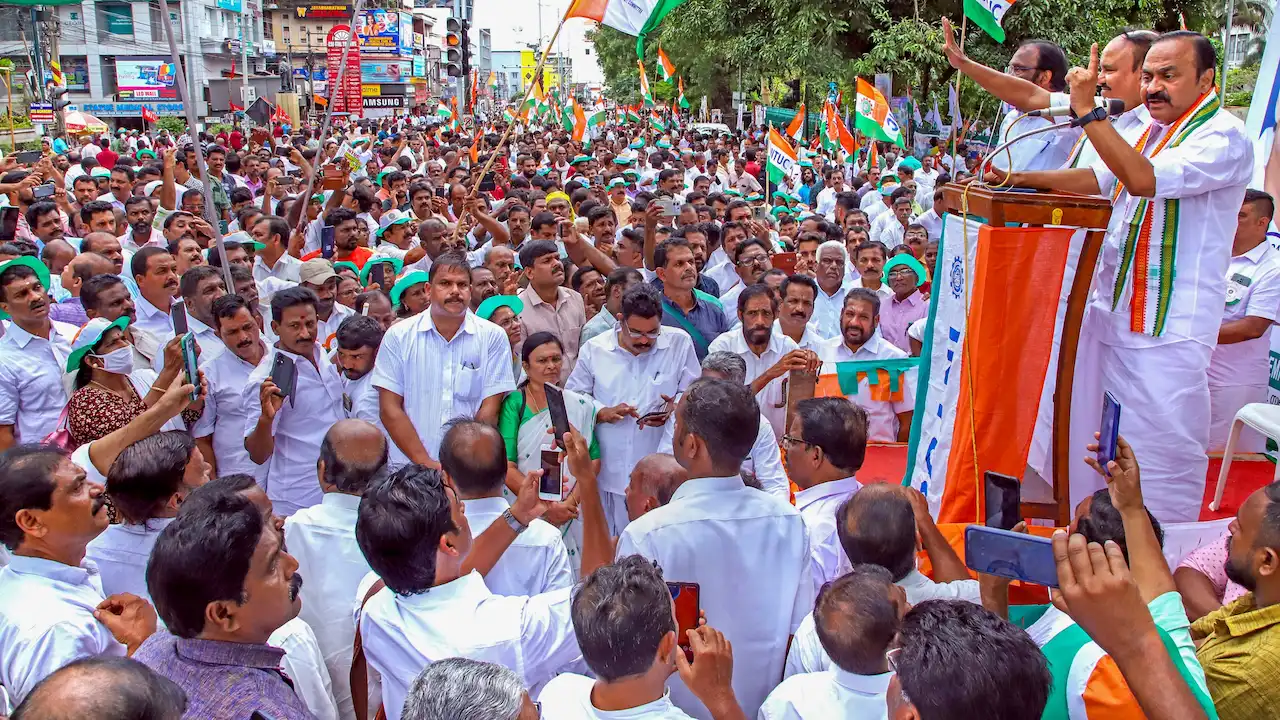
The Congress-led United Democratic Front (UDF) surged ahead in Kerala on Monday as counting for the April 9 Assembly elections progressed, with early trends indicating a decisive edge for the opposition alliance.

According to initial rounds, the UDF was leading in around 100 of the 140 Assembly constituencies, while the ruling CPI(M)-led Left Democratic Front (LDF) trailed with leads in about 40 seats. The BJP-led National Democratic Alliance (NDA) was ahead in just one constituency, as per early television trends.

If these trends hold, it would mark a significant political shift, potentially ending the LDF’s decade-long rule under Chief Minister Pinarayi Vijayan and leaving the Left without power in any Indian state.

Several senior leaders of the ruling front, including ministers, were trailing in their constituencies. Vijayan himself was initially behind in his Dharmadam seat in Kannur district, while multiple cabinet colleagues also faced early deficits.

Analysts attribute the trend to anti-incumbency against the LDF government, which has been in power for two consecutive terms. Opposition parties had repeatedly raised issues of alleged corruption and nepotism, which appear to have influenced voter sentiment.

The UDF also seems to have benefited from consolidation of minority votes and a campaign focused on welfare measures, particularly targeting women and economically vulnerable sections.

If the trend converts into final results, it would reinforce Kerala’s traditional pattern of alternating power between the UDF and the LDF, while ending the Left’s bid for a rare third consecutive term.

In one notable contest, Leader of Opposition V D Satheesan initially trailed in North Paravoor but began closing the gap as counting advanced in favourable regions.

Reacting to the trends, Kerala Pradesh Congress Committee chief Sunny Joseph expressed confidence in a clear mandate for the UDF, stating that the alliance was on course to cross the 100-seat mark.

Counting began at 8 am across 140 centres, starting with postal ballots, with a clearer picture expected as more rounds are completed through the day.

Ashutosh Gowariker Named Festival Director for 57th International Film Festival of India

ashutosh gowariker, ashutosh, International Film Festival of India
Ashutosh Gowariker Named Festival Director for 57th International Film Festival of India 12

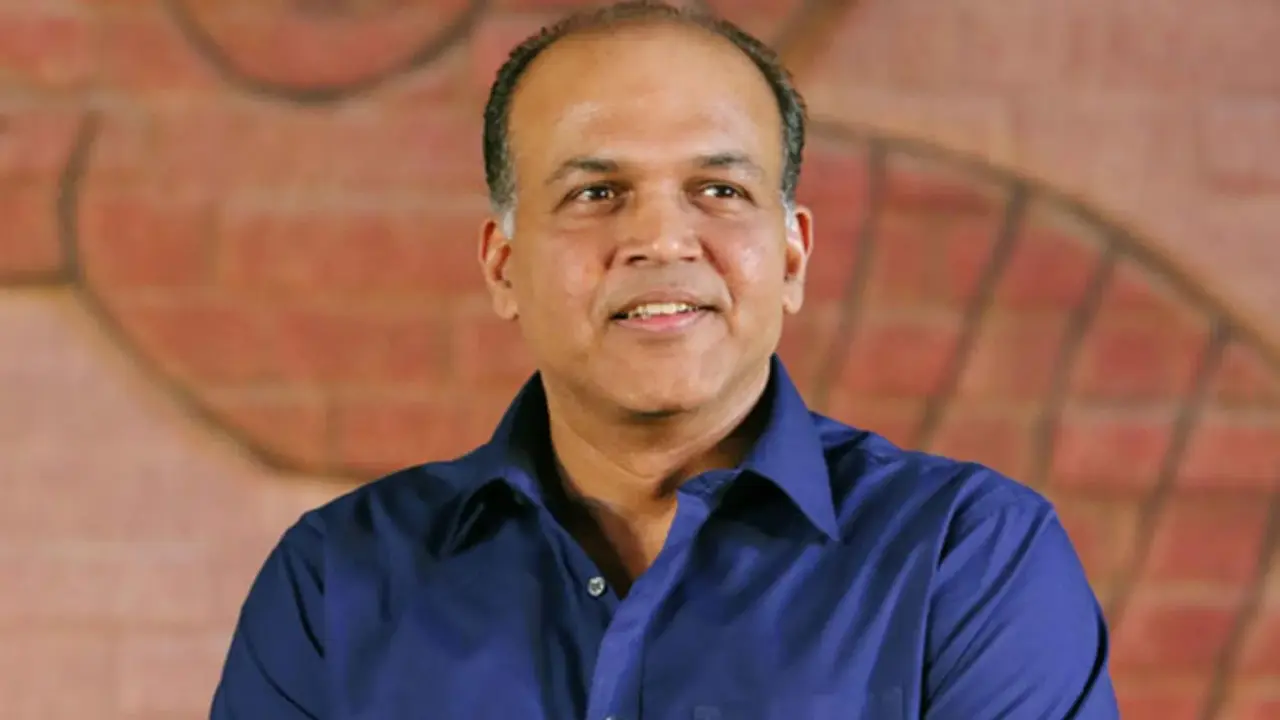
Acclaimed filmmaker Ashutosh Gowariker has been appointed Festival Director for the 57th edition of the International Film Festival of India (IFFI), marking a new chapter for one of Asia’s most prestigious cinema events.

Gowariker, best known for directing critically acclaimed films such as Lagaan, Swades, and Jodhaa Akbar, succeeds veteran filmmaker Shekhar Kapur, who served as the festival director for the 55th and 56th editions of IFFI, held annually in Goa.

Announcing the appointment, the Ministry of Information and Broadcasting described Gowariker as a distinguished filmmaker whose contribution to Indian cinema has earned widespread recognition. The ministry noted that his long-standing association with IFFI reflects his deep engagement with both Indian and international cinema.

“His association with IFFI spans several decades, reflecting his deep engagement with the evolution of cinematic arts and international film culture,” the ministry said in a statement.

Expressing gratitude over the appointment, Gowariker said the opportunity fills him with immense pride and joy. Reflecting on his journey with the festival, he recalled first attending IFFI in 1984 and remaining connected with it through various capacities over the years, including serving as Jury President for International Cinema in 2024.

“I feel privileged to have witnessed the evolution of this festival. From attending it in 1984 to continuing my association over the years, right up to 2024, when I served as the Jury President for International Cinema,” he said.

The 62-year-old filmmaker added that carrying forward the festival’s legacy is both an honour and a significant responsibility.

“To carry forward the legacy that has been created, nurtured, and expanded over the decades since 1952 by innumerable festival teams is a great honour, accompanied by a renewed sense of responsibility. I look forward to working closely with the Ministry of Information and Broadcasting and the Government of Goa,” Gowariker said.

Established in 1952, the International Film Festival of India is one of Asia’s oldest and most respected film festivals. It serves as a major platform for showcasing outstanding global cinema, fostering cultural exchange, and celebrating excellence in filmmaking from around the world.

With Gowariker at the helm, expectations are high for the 57th edition of IFFI as the festival continues its mission of promoting cinematic innovation and strengthening India’s position on the global film stage.

Waste Is Not the Problem—Our Indifference Is: Why India Must Embrace Waste-to-Hydrogen

waste, problem, recycle, clean energy hydrogen fuel, hydrogen fuel
Waste Is Not the Problem—Our Indifference Is: Why India Must Embrace Waste-to-Hydrogen 14

There was a time when waste was biodegradable, cities were smaller, and nature had the capacity to quietly absorb human excesses. That time is long gone. Today, waste is no longer a by-product of life—it has become a defining threat to it. And nowhere is this more visible than in India, where the garbage crisis is not creeping up slowly; it is already sitting at our doorstep, uncollected, untreated, and increasingly unmanageable.

Every year, the world generates over 2 billion tonnes of waste. A large portion of this ends up in landfills, where it decomposes to release methane—a greenhouse gas nearly 28 times more potent than carbon dioxide. This is not just an environmental statistic; it is a warning signal. While global discussions obsess over emissions from vehicles and factories, the silent contribution of waste to climate change continues largely unchecked.

India’s situation is more precarious. With its growing population, rapid urbanization, and changing consumption patterns, the country is producing waste at a scale its systems were never designed to handle. Mountains of garbage in cities like Mumbai and Delhi are not anomalies; they are the new normal.

These landfills leak toxins into soil and groundwater, emit poisonous gases, and routinely catch fire, choking entire neighborhoods.

Let’s call it what it is—this is not merely a waste management issue. It is a failure of planning, discipline, and long-term thinking.

For decades, India has treated waste disposal as a logistical inconvenience rather than a structural challenge. The approach has been predictable: collect, dump, forget. Out of sight, out of mind. But waste does not disappear. It festers. It accumulates. And eventually, it demands attention—often in the form of public health crises, environmental degradation, and economic loss.

The hygiene implications alone are staggering. Poor waste management contributes directly to the spread of diseases, contaminates water sources, and degrades air quality. 

The irony is almost painful: a civilization that once placed cleanliness next to godliness now struggles with basic sanitation in its urban centers. Campaigns and slogans have their place, but without systemic change, they remain exactly that—words.

At the same time, India faces another pressing challenge: the urgent need to decarbonize its energy systems.

 Heavy industries, transportation, and power generation remain heavily dependent on fossil fuels. The transition to clean energy is no longer a matter of choice; it is a necessity dictated by both environmental realities and global commitments.

Traditionally, these two problems—waste and energy—have been addressed in isolation. Waste was something to be managed; energy was something to be produced. But this separation is outdated.

 The future lies in integration, in recognizing that one problem can, in fact, be the solution to the other.

This is where waste-to-hydrogen technology enters the conversation—not as a luxury, not as an experiment, but as a necessity.

The premise is straightforward but powerful: convert waste into hydrogen, one of the cleanest forms of energy available. Municipal solid waste, plastic waste, food waste, refuse-derived fuel, and even sewage sludge can be processed to produce hydrogen.

 Instead of rotting in landfills and releasing methane, waste becomes a feedstock for clean energy.

Hydrogen is often described as the fuel of the future, and for good reason. It can power industries, run vehicles, and generate electricity, all while producing minimal emissions. But producing hydrogen sustainably has always been the challenge. Conventional methods are energy-intensive and often rely on fossil fuels, defeating the purpose.

Using waste as a source changes that equation entirely.

It addresses two crises at once—reducing the burden on landfills while creating a viable pathway for low-carbon energy production. In a country like India, where both waste and energy demands are enormous, this is not just innovative thinking; it is practical necessity.

Yet, let’s not romanticize the solution. Technology, no matter how advanced, cannot compensate for systemic inefficiency. India’s waste problem is not due to a lack of ideas; it is due to inconsistent execution. Segregation at source remains weak.

 Municipal systems are overstretched. Informal recycling sectors operate without adequate support or integration.

If waste-to-hydrogen is to succeed, it must be part of a broader ecosystem—one that includes disciplined waste segregation, efficient collection systems, and policy frameworks that encourage adoption rather than stifle it.

Institutions like Indian Institute of Technology Bombay have already engaged with such technological approaches, indicating that the scientific groundwork is being taken seriously. Support from industrial players such as Tata Group and Hindustan Petroleum Corporation Limited reflects a growing recognition that the future of energy cannot be divorced from the realities of waste.

But let’s be clear—this is not about corporate participation or academic validation. This is about survival with dignity.

India’s environmental degradation is no longer a distant concern; it is immediate and visible. Rivers are polluted, air quality is deteriorating, and urban living conditions are increasingly compromised. Waste is at the center of this decline. It clogs drains, causes flooding, breeds disease, and erodes the basic quality of life.

And yet, there remains a tendency to normalize it. To walk past garbage heaps without a second glance. To accept pollution as the price of progress. That mindset is perhaps the biggest obstacle of all.

The idea that waste can be transformed into energy challenges this complacency. It forces a shift in perspective—from disposal to utilization, from neglect to responsibility. It asks a simple but uncomfortable question: if waste has value, why are we treating it as worthless?

India does not lack the capacity to implement such solutions. What it often lacks is the will to do so consistently and at scale. Policies are announced, pilot projects are launched, but momentum is frequently lost in bureaucracy and short-term thinking.

This cannot be another half-hearted attempt.

The scale of India’s waste crisis demands bold, sustained action. Urban planning must integrate waste processing infrastructure from the outset. Citizens must be held accountable for segregation. Industries must invest not just for profit, but for long-term sustainability. And governments must move beyond rhetoric to execution.

There is also a deeper cultural dimension to this issue. Traditional Indian practices emphasized minimal waste and maximum reuse. Nothing was discarded casually; everything had a purpose. Modern consumerism has eroded that mindset, replacing it with a disposable culture that the environment simply cannot sustain.

In a way, technologies like waste-to-hydrogen are not just futuristic—they are a return to an older wisdom, adapted for contemporary realities.

The decision to bring such solutions to India is not coincidental. It reflects the country’s unique position—a place where challenges are immense, but so is the potential for impact. If it works here, it can work anywhere.

But success will not come from technology alone. It will come from discipline, accountability, and a refusal to accept the status quo.

India does not need another awareness campaign. It needs execution. It needs systems that function, policies that endure, and citizens who participate.

Waste is not going away. The question is whether we continue to drown in it—or finally learn to rise from it.

The answer will define not just the future of our cities, but the character of our nation

Bhaiyyaji Joshi: The Voice of Clarity, The Spine of Conviction

suresh bhaiyyaji joshi, bhaiyyaji joshi, rss, rashtriya swayamsevak sangh, bhaiya joshi
Bhaiyyaji Joshi: The Voice of Clarity, The Spine of Conviction 16

Standing at the threshold of its centenary, the Rashtriya Swayamsevak Sangh is not merely an organizational experiment—it is a civilizational journey of India’s social, cultural, and national resurgence. For nearly a hundred years, without noise or craving recognition, it has worked with discipline and quiet determination to strengthen the nation’s very spine. In an era obsessed with visibility and instant success, the Sangh represents something rare—where work speaks louder than applause.

The Sangh’s true strength lies in its Swayamsevaks. They are not just young men gathering in daily drills; they are embodiments of discipline, sacrifice, cultural rootedness, and national commitment. From education to rural upliftment, disaster response to women’s empowerment, environmental preservation to social harmony—their contribution spans all sectors. Much of this work remains unseen, yet its impact is deeply embedded in society.

India today faces complex challenges—preserving cultural identity, ensuring social cohesion, and addressing sensitive issues like religious conversions. The Sangh has taken a firm and unapologetic stand. It asserts that faith must remain a matter of free will, not a consequence of coercion, inducement, or exploitation. This is not merely ideological resistance; it is a call for ethical responsibility.

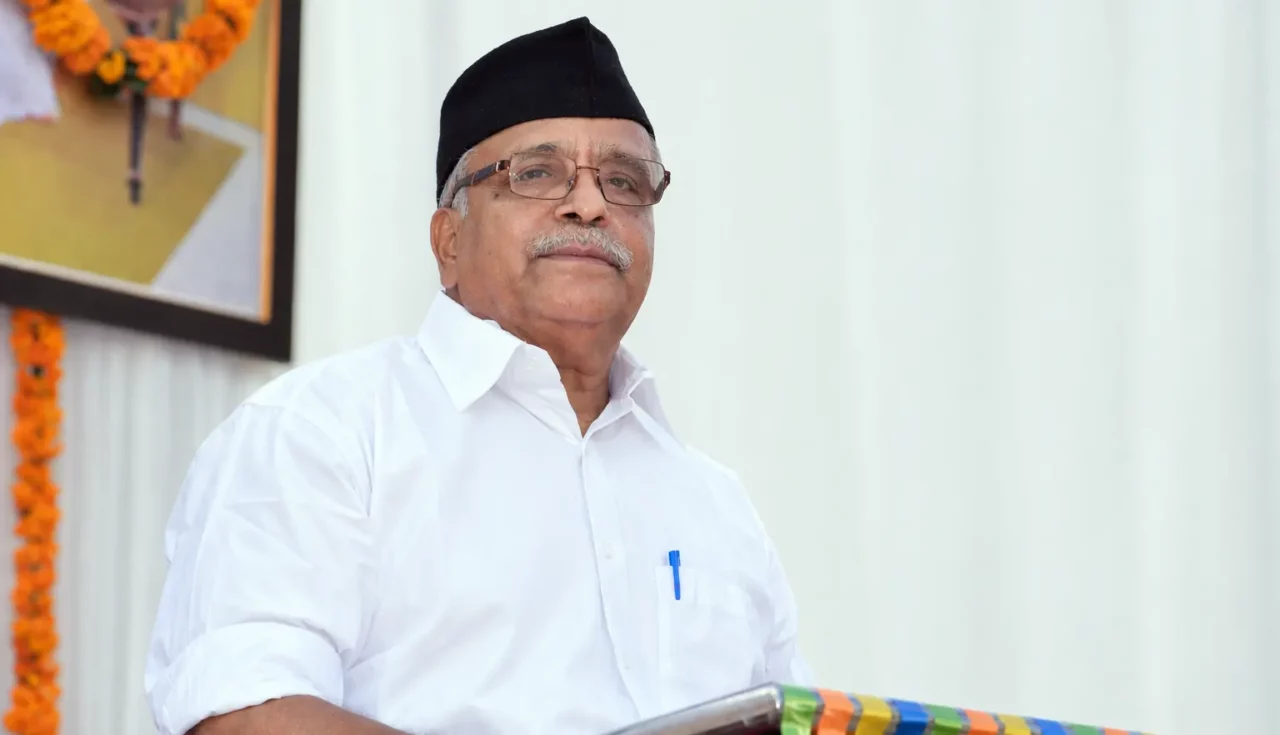
Among the many individuals who have shaped the Sangh’s direction, Suresh “Bhaiyyaji” Joshi stands out as a figure of remarkable clarity and conviction. Known for his simplicity, humility, and deep connection to Bharat’s roots, Bhaiyyaji represents the living spirit of the Sangh. Beginning his journey as a Pracharak in 1975, he rose through the ranks and served as Sarkaryavah from 2009 to 2021, guiding the organization during a crucial phase of expansion and influence.

What defines Bhaiyyaji is his fearless clarity. He has consistently emphasized that the Hindu community is not synonymous with any political entity, and political opposition must not be misinterpreted as opposition to Hindus. In an age of polarization, this distinction reflects both courage and intellectual honesty.

On the issue of religious conversions, his position has been both balanced and firm. While he respects individual freedom of faith, he strongly opposes conversions driven by exploitation of poverty, ignorance, or inducement. He has openly questioned activities carried out under the guise of social service when they conceal deeper agendas—raising uncomfortable but necessary truths.

He has also emphasized cultural rootedness in practical terms. In a diverse city like Mumbai, he has stressed that learning the local language is not optional—it is a responsibility. Language is not merely a tool of communication; it is a bridge to belonging and respect for the land one inhabits.

As the Sangh approaches its centenary, this is not merely a celebration—it is a moment of reflection and renewed commitment. What has been built over decades is now visible in the form of disciplined youth, aware citizens, and a society increasingly conscious of its cultural identity.

Yet the journey is far from over. The challenges ahead—technological disruption, cultural erosion, and the pressures of globalization—demand stronger resolve. In such times, institutions like the Sangh become indispensable.

Simply put, the Sangh is not just an organization; it is an idea, a way of life. And the Swayamsevaks who carry it forward are not merely participants—they are the architects of the nation’s future. Everything else may fade with time… but such individuals are the ones who shape history.

‘You’re Causing a Jam!’ Woman Confronts Minister at BJP Rally in Mumbai, Video Goes Viral

bjp, rally, bjp rally, girish mahajan, mumbai, mumbai police, woman confronts
'You're Causing a Jam!' Woman Confronts Minister at BJP Rally in Mumbai, Video Goes Viral 18

Traffic disruptions during a BJP rally in Mumbai’s Worli area led to a dramatic confrontation when an irate woman publicly rebuked Maharashtra minister Girish Mahajan, blaming the protest for causing severe congestion.

The incident took place on Tuesday as Mahajan was speaking to reporters during the demonstration organised by the BJP to target Opposition parties over the defeat of the Constitution Amendment Bill aimed at fast-tracking 33 per cent reservation for women in legislatures.

A video of the episode, which quickly went viral on social media, shows the woman angrily confronting the minister and demanding that the rally be moved. “Get out of here. You are causing a traffic jam,” she shouted, questioning why the event was not held at a designated ground instead of blocking busy roads.

Despite attempts by Mahajan to calm her, the woman continued her protest, pointing out the inconvenience caused to commuters. She also brushed aside attempts by police officials to intervene, insisting that no one engage with her.

The viral clip has triggered sharp political reactions. Maharashtra Congress president Harshwardhan Sapkal shared the video, alleging that the BJP’s campaign on women’s reservation had exposed its “real face” and accusing the party of misleading women for political gain. Former state Congress chief Nana Patole also criticised the rally, calling it unnecessary “drama” that inconvenienced the public.

The BJP had organised the protest to criticise Opposition parties over the failure to pass the Constitution Amendment Bill linked to the Nari Shakti Vandan Adhiniyam. The bill, which sought to implement 33 per cent reservation for women in Parliament and state assemblies from 2029, was defeated in the Lok Sabha on April 17 after failing to secure the required two-thirds majority.

Opposition parties have argued that the bill, tied to a proposed delimitation exercise, could adversely impact representation of southern states, adding further political friction to the issue.

Sevasadan: Forging Unbreakable Women, Shaping Bharat

Sevasadan, Nagpur, Ramabai Ranade, Kanchan Gadkari, Rashtriya Swayamsevak Sangh
Sevasadan: Forging Unbreakable Women, Shaping Bharat 20

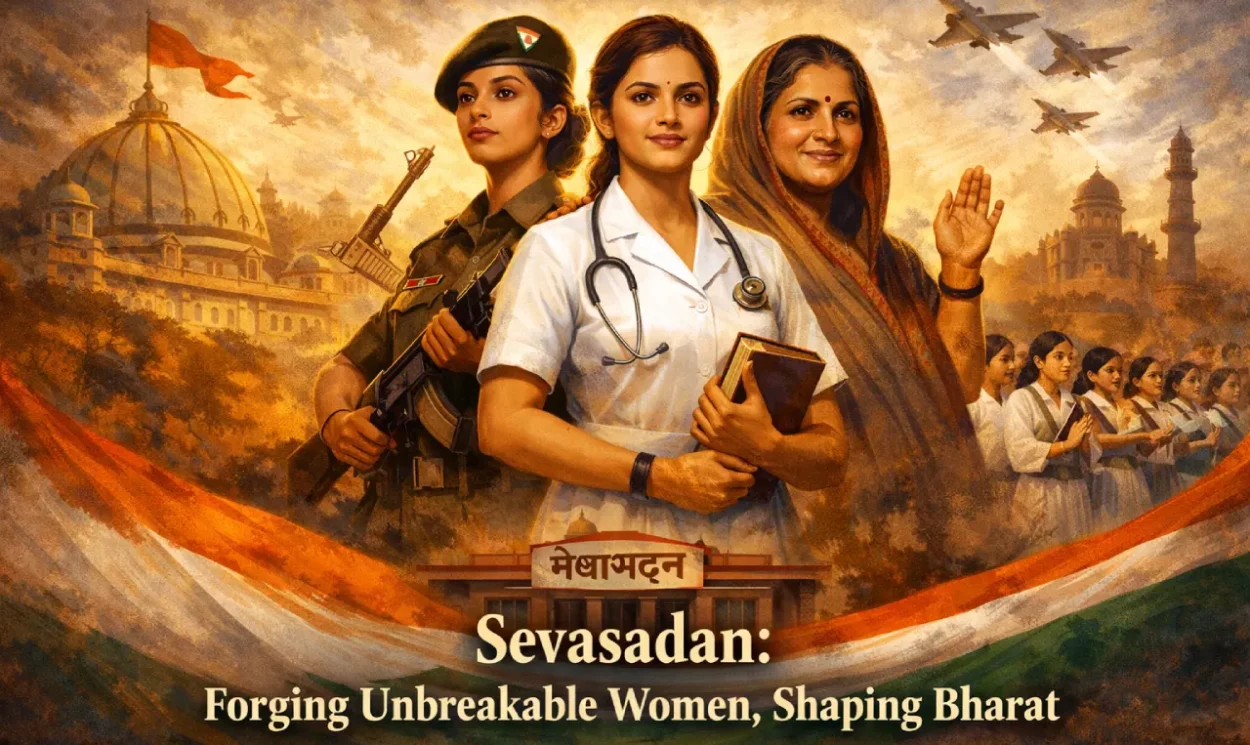
Nagpur is not just a city for me; it is memory, grounding, and a quiet inheritance of values. It is my nanihal, where childhood was not merely spent but shaped. The lanes of Dhantoli, the steady rhythm of everyday discipline, and the unmistakable influence of Rashtriya Swayamsevak Sangh shakhas create an environment where identity is not confused, it is cultivated. Nagpur does not try to impress; it builds. It does not chase noise; it produces clarity. And somewhere within this ecosystem of संस्कार and structure stands an institution that embodies the very spirit of this city—Sevasadan.

To understand Sevasadan is to understand the difference between intent and impact. In 1927, when India was still navigating colonial constraints and social conservatism, Ramabai Ranade did not merely speak about women’s empowerment—she institutionalized it. At a time when educating women was seen as unnecessary, even disruptive, she created a space that quietly challenged that mindset. The Nagpur branch, inaugurated by S. B. Tambe in Dhantoli, began with limited means but unlimited conviction. It started in a rented space, offering sewing, nursing, English language, music, and adult education classes—not as token gestures, but as tools of self-reliance. The message was simple yet revolutionary: a woman is not dependent by default; she is made dependent by design, and that design can be changed.

What makes Sevasadan extraordinary is not just its origin, but its continuity. Many institutions begin with idealism and fade into irrelevance. Sevasadan did the opposite. It grew, adapted, and expanded without losing its foundational ethos. It became not just an educational institution, but a cornerstone of women’s empowerment in Nagpur and beyond. Thousands of women have passed through its corridors, not just acquiring skills, but reclaiming dignity. And that is where its true strength lies—it does not produce statistics; it produces transformation.

In today’s world, where empowerment is often reduced to slogans and campaigns, institutions like Sevasadan serve as a reality check. Empowerment is not a trend; it is a process. It is not loud; it is layered. Modern discourse often behaves as if women’s upliftment is a recent discovery, but the groundwork was laid long ago by individuals and institutions that chose action over applause. Sevasadan belongs to that legacy. It did not wait for validation. It built its own credibility, brick by brick, life by life.

Nagpur, as a city, reinforces this philosophy. It has always had a certain ideological clarity, a rootedness that refuses to be diluted. The influence of organizations like the Rashtriya Swayamsevak Sangh is not merely political; it is cultural. It instills discipline, a sense of belonging, and a deep connection to civilizational identity. Sevasadan operates within this broader framework, complementing it by focusing on women’s empowerment without disconnecting from cultural roots. It proves that progress and tradition are not adversaries; they are allies when approached with sincerity.

As the institution moves into its centenary phase, it is evident that it is not content with resting on its legacy. Under the leadership of Kanchan Gadkari, Sevasadan is expanding its vision in ways that are both ambitious and necessary. Plans for a dedicated military school for girls and a nursing school at Hingna reflect a forward-thinking approach that recognizes the evolving role of women in society. This is not symbolic expansion; it is strategic. A military school for girls is not just about education; it is about leadership, discipline, and preparedness. It signals a shift from empowerment as a concept to empowerment as capability.

At the same time, Sevasadan has not abandoned its cultural foundation. Initiatives like collective Bhagavad Gita chanting remind us that education is incomplete without values. In an age where knowledge is often divorced from wisdom, this balance becomes critical. The institution demonstrates that one can embrace modern education without discarding traditional grounding. It is not about choosing between the two; it is about integrating them meaningfully.

There is a larger lesson here, one that extends beyond Nagpur or Sevasadan. Societies do not weaken suddenly; they erode gradually when their institutions lose purpose and their education loses direction. When learning becomes purely transactional, when values are treated as optional, and when identity is seen as inconvenient, the consequences are inevitable. Institutions like Sevasadan act as stabilizers in such times. They remind us that real progress is not measured only in economic terms, but in the strength of individuals who can think, act, and stand with conviction.

For me, this is deeply personal. Nagpur is not just a place on the map; it is a part of who I am. Every memory from this city carries a lesson, whether it is the discipline of a morning routine, the cultural richness of its traditions, or the quiet strength of its people. Sevasadan is a reflection of all of this. It represents continuity in a world that is obsessed with change, substance in an era of superficiality, and commitment in a time of convenience.

As Sevasadan completes nearly a century of service and steps into its hundredth year, the real question is not about its relevance—it has already proven that. The question is whether we, as a society, recognize the value of such institutions. Because they cannot be replicated overnight. They are built through decades of effort, guided by clarity of purpose and sustained by integrity. If India genuinely seeks to empower its women, not just in numbers but in spirit, then the model offered by Sevasadan is not optional—it is essential.

Nagpur teaches you, in its own understated way, that strength does not need to announce itself. It is built quietly, consistently, and with intention. Sevasadan embodies that strength. It does not seek attention, yet it commands respect. It does not chase relevance, yet it remains indispensable. And perhaps that is its greatest achievement—it continues to shape lives without ever losing sight of why it began in the first place.