'No Quick Deal': UN Chief Urges Continued Iran-US Talks, Stresses Ceasefire in West Asia 2
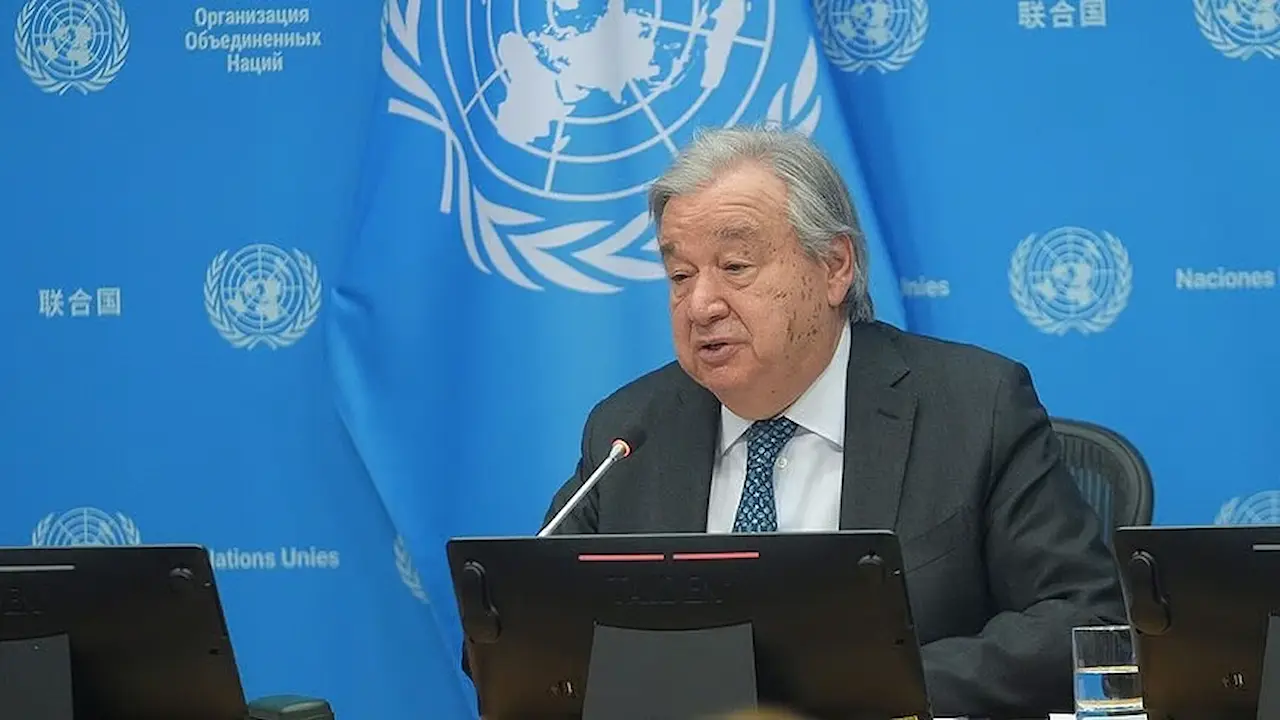
UN Secretary-General Antonio Guterres has called for sustained dialogue between Iran and the United States, stressing that a lasting agreement cannot be achieved overnight, even as recent talks ended without a breakthrough.
Negotiations between the two countries, held in Islamabad and led by US Vice President JD Vance, concluded after 21 hours without a deal to end the ongoing West Asia conflict.
In a statement, Guterres said that while no agreement was reached, the discussions reflected serious engagement and marked a meaningful step toward renewed dialogue.
He emphasised that given the deep-rooted differences between the two sides, continued constructive talks are essential to achieving a resolution. At the same time, he underlined that the ceasefire announced last week must be strictly maintained, warning that all violations must cease immediately.
The UN chief reiterated that there is no military solution to the crisis, which has already caused widespread destruction and distress across the region.
Guterres also highlighted the broader global impact of the conflict, particularly disruptions in maritime trade through the Strait of Hormuz. He noted that around 20,000 seafarers remain stranded due to the situation, facing growing hardships.
He warned that interruptions in shipping routes and supply chains are contributing to global economic instability, affecting fuel prices, transportation and food security, particularly through disruptions in fertiliser supply.
The UN chief thanked mediators including Pakistan, Saudi Arabia, Egypt and Türkiye for facilitating dialogue and urged the international community to support ongoing diplomatic efforts. He added that his envoy, Jean Arnault, continues to engage with stakeholders to push for a comprehensive and durable agreement.
Congress Slams Govt Over 'Secret' Constitution Bills, Calls It 'Mockery of Democracy' 4
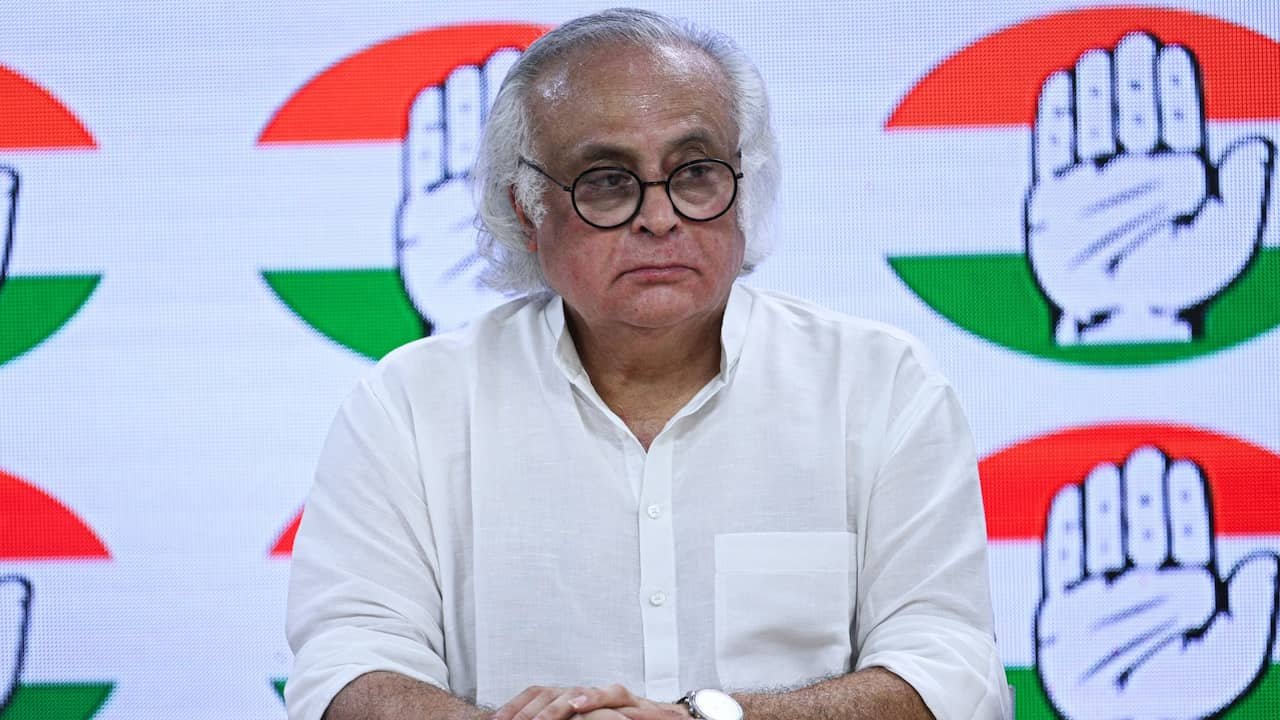
The Congress on Tuesday accused the Centre of making a “complete mockery of democracy” by failing to share proposed Constitution amendment bills with Members of Parliament ahead of the special session scheduled this week.
Congress general secretary Jairam Ramesh said that despite the session set to begin on April 16, MPs have not been provided with details of the bills they are expected to debate and vote on. He termed the move reflective of a “bulldozer mentality” by the government.
Ramesh also criticised the timing of the session, noting that it coincides with peak election campaigning in Tamil Nadu and West Bengal. He said the government had rejected the Opposition’s demand to hold an all-party meeting after the elections.
Echoing similar concerns, Congress Lok Sabha whip Manickam Tagore said rushing a special session without adequate consultation undermines democratic processes. He stressed that while the party supports women’s reservation, issues such as delimitation require broader discussion, transparency and consensus.
Tagore further argued that the current approach could deny representation to backward class women if proper data and due process are not followed, adding that Parliament should not be reduced to a “rubber stamp”.
The criticism comes amid reports that amendments to the Nari Shakti Vandan Adhiniyam, or Women’s Reservation Act, are likely to be introduced during the three-day session from April 16 to 18 to enable its implementation by 2029.
Congress Parliamentary Party chairperson Sonia Gandhi had earlier raised concerns over delimitation, calling it “extremely dangerous” and an “assault” on the Constitution. She also alleged that the government’s approach may delay the caste census and provide political advantage during ongoing elections.
The government has been urging Opposition parties to support the proposed amendments, even as Assembly elections continue in several states, including West Bengal and Tamil Nadu.
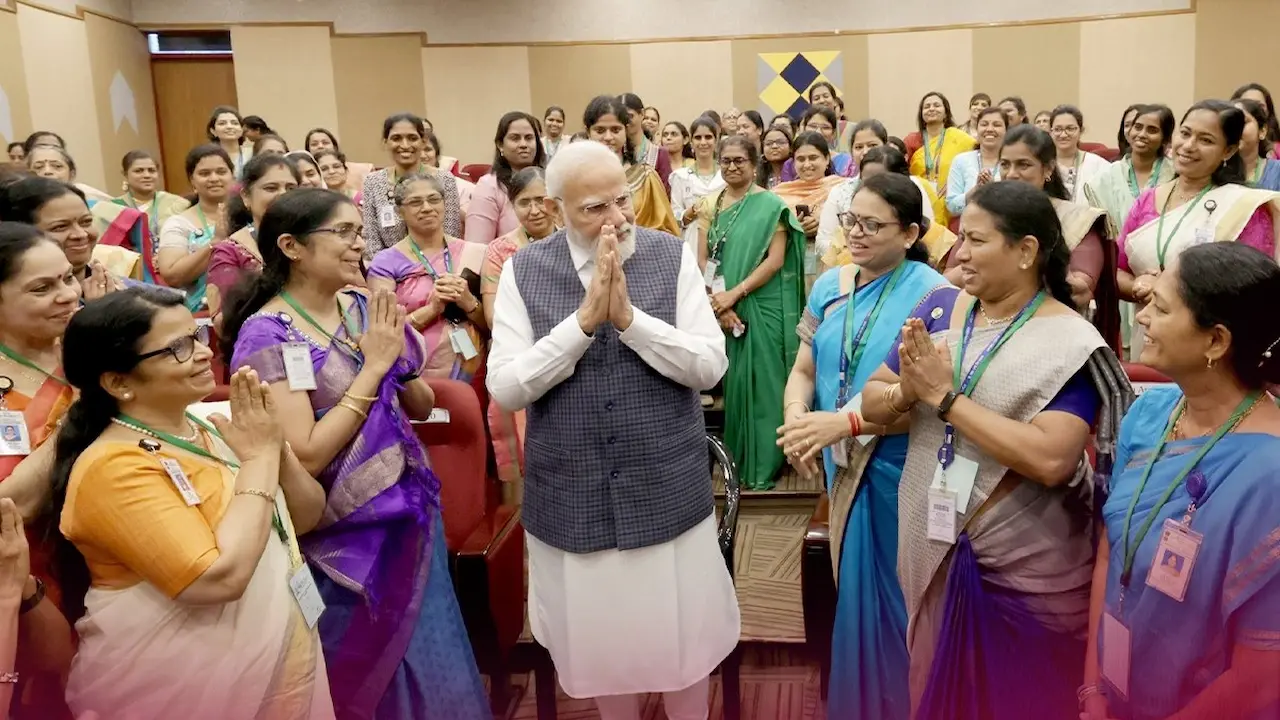
Women's Quota in 2029 Will Make Indian Democracy Stronger: PM Modi 6
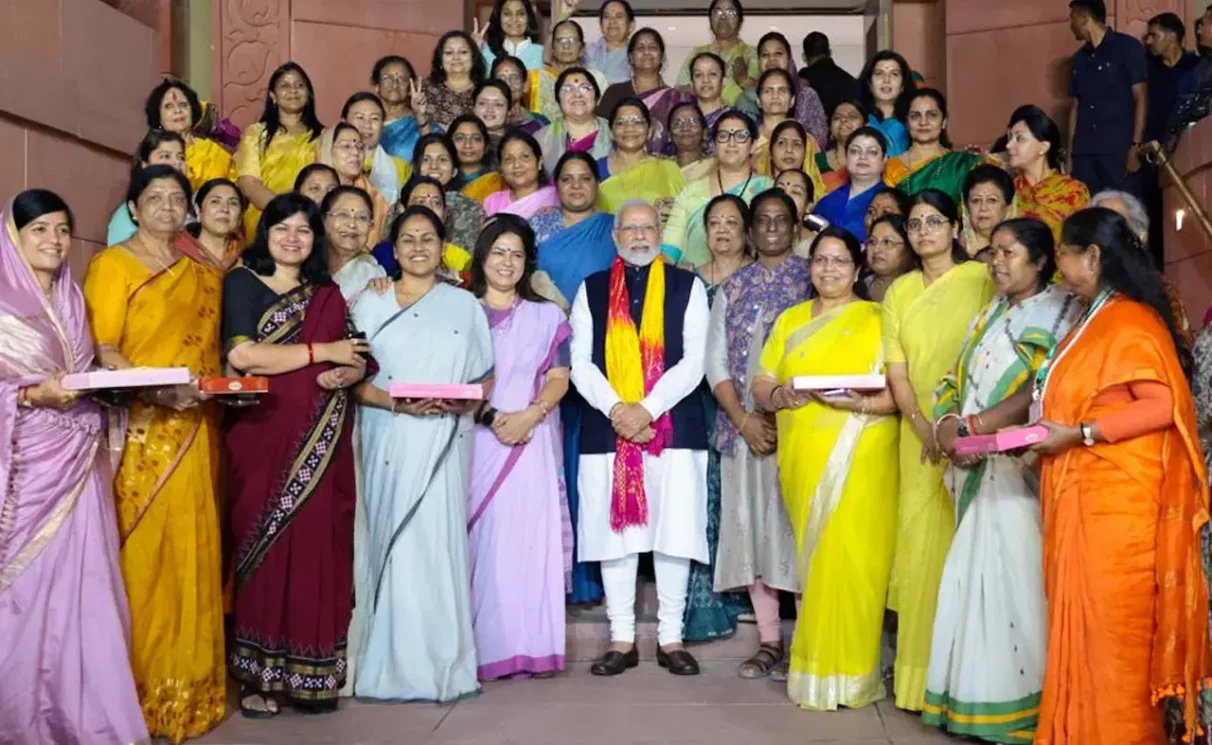
Prime Minister Narendra Modi on Tuesday said Indian democracy will become stronger and more vibrant if the 2029 Lok Sabha and Assembly elections are held with women’s reservation fully implemented.
In a letter addressed to women across the country, Modi emphasised that with women excelling in multiple fields, it is essential to enhance their representation in legislative bodies. He urged that amendments to the Nari Shakti Vandan Adhiniyam be passed during the upcoming three-day special session of Parliament beginning April 16.
“Our democracy will become stronger and more vibrant if the 2029 Lok Sabha elections and various Assembly elections that year are held with women’s reservation fully in place,” Modi said in the letter shared on social media.
Women across India are appreciating the initiative to ensure reservation for women in legislative bodies.
Here is my letter to India’s Nari Shakti, reiterating our commitment to implement what has been pending for decades…. pic.twitter.com/Z36xTCfsHx
Stressing urgency, the Prime Minister said any delay in implementing the law would be unjust to women, adding that they should not be made to wait indefinitely for their rightful share in governance.
“When the voice of women becomes stronger in our legislatures, the voice of democracy itself becomes stronger,” he said, while seeking public support for the passage of the amendment and urging citizens to encourage their MPs.
The Nari Shakti Vandan Adhiniyam, passed in September 2023, provides for 33 per cent reservation for women in the Lok Sabha and state Assemblies. However, its implementation was originally linked to the delimitation exercise following the 2027 Census, pushing enforcement to a later date.
The proposed amendments aim to enable the implementation of the quota by 2029. Once enacted, the total number of Lok Sabha seats is expected to increase to 816, with 273 seats reserved for women.
The government has convened a special Parliament session to fast-track the amendment and ensure timely implementation of the long-pending reform aimed at boosting women’s political participation.
In a historic cultural milestone, the ancient city of Hastinapur witnessed an unprecedented literary awakening as the first-ever Hastinapur Sahitya Mahotsav brought together some of the finest minds in literature, spirituality, and public life. At a time when attention spans are shrinking and cultural depth is under threat, the festival sent out a clear message—giving priority to litterateurs and poets is not a luxury, but the need of the hour.
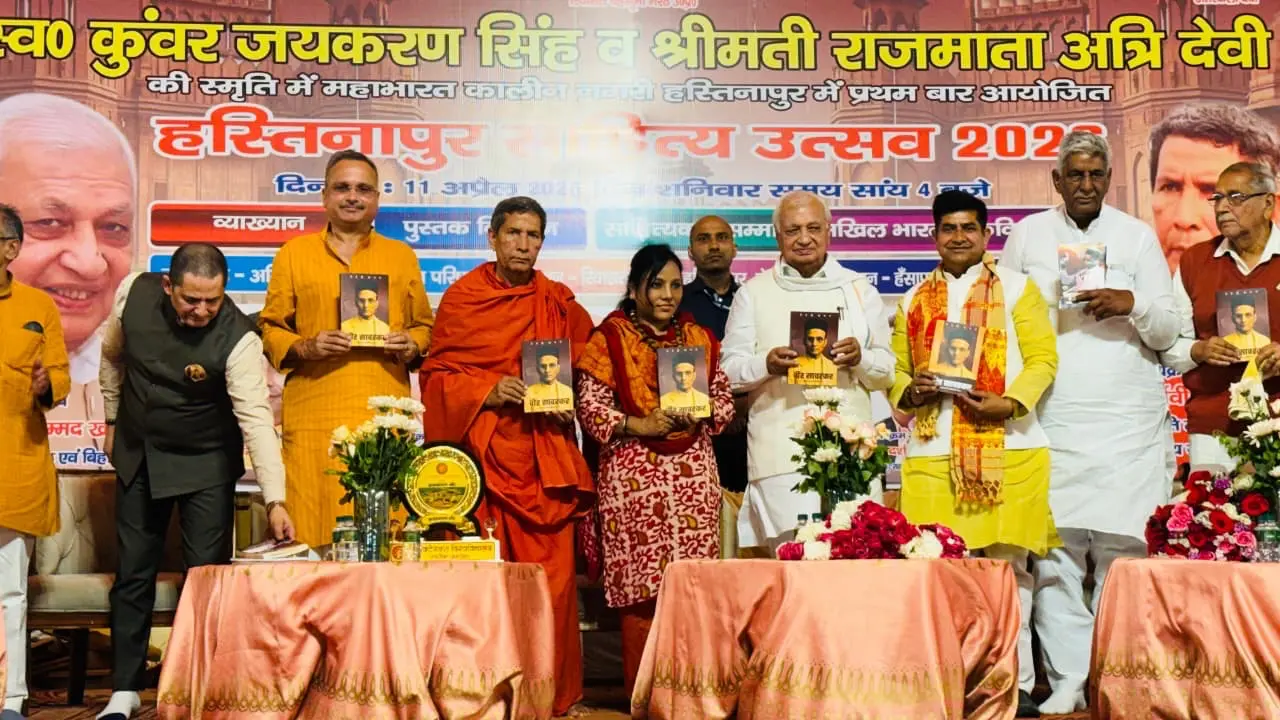
The highlight of the event was the grand launch of “Hastinapur: Kal, Aaj aur Kal”, authored by noted writer Dr. Yatindra Kataria Vidyalankar. The book was unveiled by former former Governor of Kerala and Bihar Arif Mohammad Khan, alongside spiritual leader Swami Karmveer.
Hosted at the historic Bahsuma estate near Hastinapur, the festival marked the first time the region witnessed such a масштаб literary congregation. Scholars, poets, administrators, and cultural voices from across India and abroad transformed the sacred land of the Mahabharata era into a vibrant hub of intellectual exchange.
Arif Mohammad Khan emphasized that Hastinapur is not merely a relic of the past but a living bridge between “self-realisation and universal consciousness.” He described the festival as a decisive step toward reviving India’s civilizational discourse through literature.
The festival was inaugurated by prominent dignitaries including Dr. Rajeev Tyagi, former DGP Devaraj Nagar, and Mumbai-based author and journalist Dr. Vaidehi Taman.
An accredited and eminent journalist and writer from Maharashtra, Dr. Vaidehi Taman brought a sharp contemporary perspective to the gathering. Her book “Savarkar Ki Krantikari Yatra” was also launched during the event, drawing significant attention among literary circles.
Addressing the audience, Vaidehi Taman said, “I belong to a land of poets—from Bahinabai to Bollywood—poetry plays a vital role in human life. Without literature, society will become lifeless. It is very important to create interest in people for books. In the era of reels, people are drifting away from real life. India is a land of Sahitya, and this is the soul of the soil.” Her words struck a powerful chord, reinforcing the urgency to reconnect with India’s literary and cultural roots.
The central theme, “Atmabodh se Vishvabodh,”explored the profound connection between inner awakening and global harmony—an idea deeply rooted in India’s philosophical tradition yet increasingly relevant in a fragmented modern world.
An All-India Kavi Sammelan infused the festival with poetic energy, while scholars and thinkers engaged in intense discussions on literature, heritage, and national identity. The event concluded with a strong declaration: Hastinapur will now host this literary festival annually, with plans already underway for a similar grand event in Amroha.
More than just a cultural gathering, the Hastinapur Sahitya Mahotsav has firmly positioned itself as a revivalist movement—reclaiming India’s literary and civilizational voice and restoring it to the centre of national consciousness.
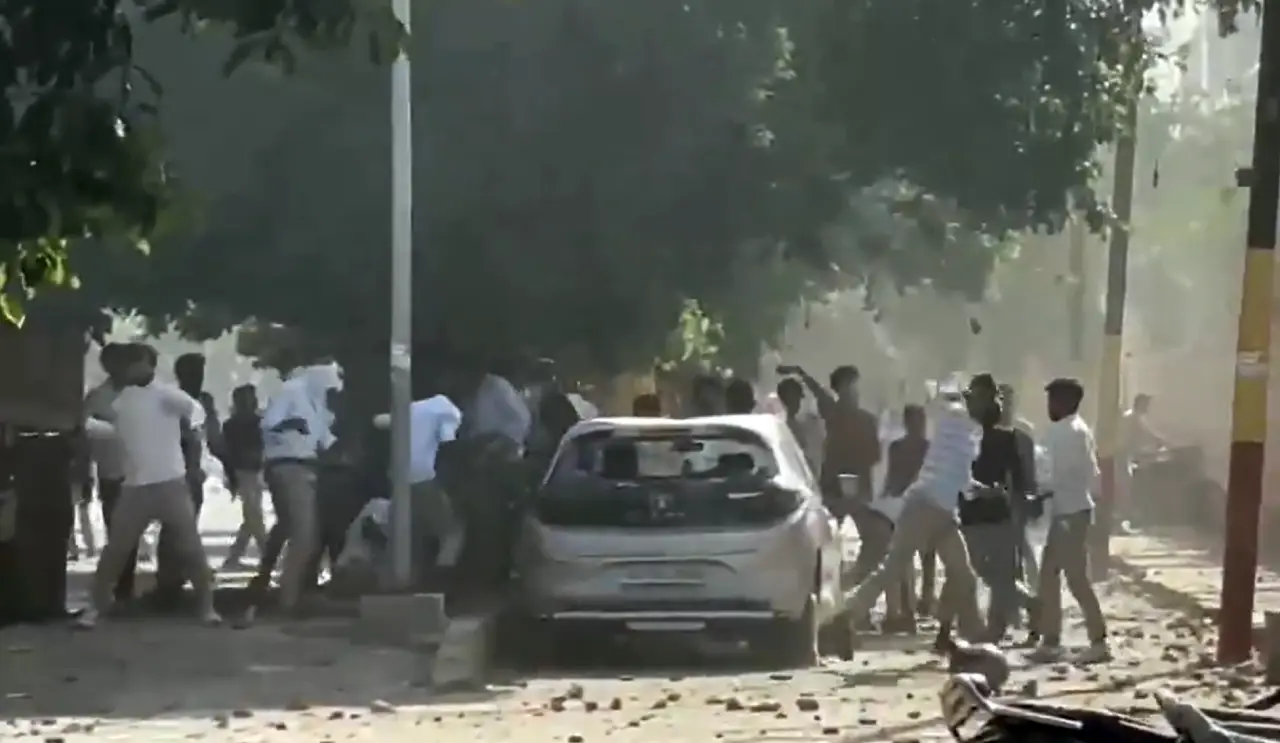
A protest by factory workers demanding a wage hike turned violent in Noida on Monday, with vehicles set on fire, property vandalised and incidents of stone-pelting reported from Phase 2 and Sector 60 areas, police said.
The unrest severely disrupted traffic during peak morning hours, leaving thousands of commuters stranded on roads leading to Delhi. Long queues of vehicles stretched for several kilometres, particularly near the Delhi-Noida border.
According to officials, large groups of workers from multiple industrial units gathered to press for long-pending salary revisions and raised slogans during demonstrations. Similar protests were reported from Sectors 62 and 84, including at a unit of the Motherson group, while protesters also blocked National Highway 9.
The situation escalated as sections of protesters allegedly resorted to violence, damaging property, pelting stones and torching vehicles.
Police said adequate forces have been deployed across industrial areas under the Gautam Buddh Nagar Commissionerate, with senior officials present on the ground to monitor developments. “The situation is under control and being closely monitored. Efforts are being made to counsel workers and restore normalcy,” the police said, adding that minimum force was used to maintain law and order.
Authorities urged the public not to spread or believe rumours and assured that steps are being taken to restore peace.
The violence comes a day after the Uttar Pradesh government announced labour welfare measures, including double overtime pay and timely wages for workers in Gautam Buddh Nagar. District Magistrate Medha Roopam had also directed industrial units to ensure worker-friendly policies and maintain dialogue with employees.
Security was heightened along key entry points into Delhi, with additional police personnel, barricades and rapid response teams deployed to prevent any spillover of unrest. Officials said strict vigilance and vehicle checks are being carried out to maintain law and order.
Police confirmed they are in coordination with their Uttar Pradesh counterparts and continue to monitor the situation closely.
Parliament Set to Make 'New History' with Women’s Reservation Act: PM Modi 12
Prime Minister Narendra Modi on Monday said Parliament is poised to create “new history” with the amendment of the Women’s Reservation Act this week, paving the way for its implementation by 2029.
Addressing a gathering at the ‘Nari Shakti Vandan Sammelan’ ahead of a special three-day Parliament session, Modi highlighted that the legislation, introduced in 2023, had received unanimous support across party lines.
He noted that there was a collective demand, particularly from the Opposition, to ensure the law’s implementation within the stipulated timeline.
“Our Parliament is close to creating a new history—one that will realise the visions of the past and fulfil the resolutions of the future,” Modi said, emphasising that the move would strengthen the foundation of an egalitarian society.
The Prime Minister underscored that the amendment would help embed social justice into governance, making it an integral part of decision-making and work culture in India.
The proposed changes to the Nari Shakti Vandan Adhiniyam are expected to be taken up during the special session, with the government aiming to operationalise the long-pending provision of reservation for women in legislative bodies.
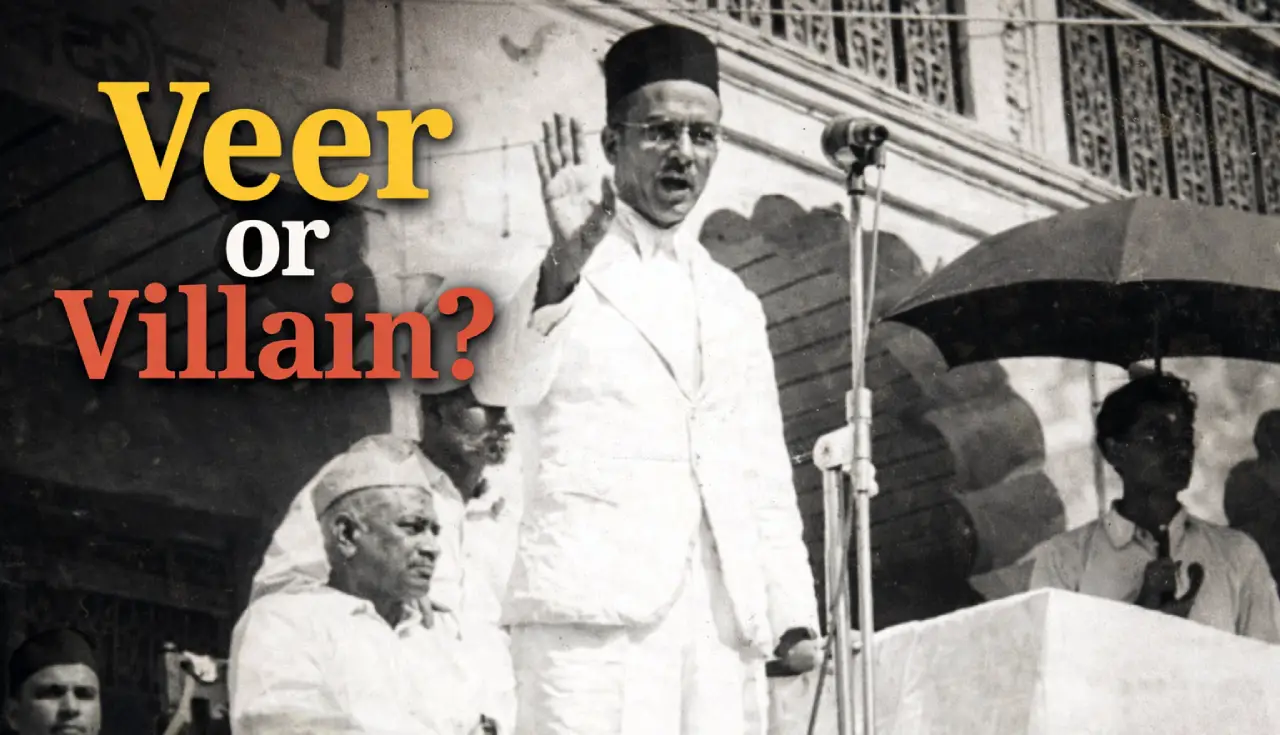
Veer or Villain? The Real Question Is: Have We Learned to Respect Our Own History 14
The debate over whether Vinayak Damodar Savarkar deserves the title “Veer” is not really about Savarkar. It is about us—our intellectual honesty, our political maturity, and our willingness to treat history as something more than a weapon of convenience.
Let’s begin with a simple, uncomfortable truth: “Veer” was not a government-issued decoration. It was not conferred by a regime, nor printed in any official gazette. It was a title earned in the court of public consciousness. Savarkar was called “Veer” because people of his time saw in him extraordinary courage—whether in organizing revolutionary networks in London, inspiring armed resistance against the British Empire, or enduring the horrors of the Cellular Jail in the Andamans.
And those horrors were not symbolic. They were real, brutal, and dehumanizing. Prisoners were yoked to oil mills like cattle, flogged for the smallest defiance, and subjected to psychological isolation designed to break the human spirit. To reduce such a life to a shallow talking point about “mercy petitions” is not critique—it is intellectual laziness dressed up as moral superiority.
Yet, this is precisely what modern political discourse has done.
When leaders like Rahul Gandhi publicly dismiss Savarkar as someone who “apologized” to the British, they are not engaging in historical debate—they are simplifying history into slogans. The aftermath has been predictable: defamation cases filed across India, including ongoing proceedings in courts such as those in Pune, where complainants argue that such statements malign not just a man, but the dignity of India’s freedom struggle itself.
This is where the issue stops being political and starts becoming civilizational.
A nation that begins to casually defame those who fought for its existence is not displaying courage—it is displaying amnesia. And amnesia, in civilizational terms, is a slow form of self-destruction.
Let’s be clear: Savarkar is not beyond criticism. No historical figure is. He evolved over time—from a fiery revolutionary to a political ideologue. His views, particularly in later years, can and should be debated. But debate requires depth, context, and integrity. What we are witnessing instead is selective outrage, where complex lives are reduced to single episodes, stripped of context, and then weaponized for electoral gain.
This is not history. This is propaganda.
And the damage is not limited to Savarkar alone.
When we begin ranking freedom fighters based on current political convenience, we fracture the very foundation of our national narrative. Mahatma Gandhi, Subhas Chandra Bose, Bhagat Singh, and Savarkar represented different streams of resistance—non-violence, militarized struggle, revolutionary activism, and ideological nationalism. Together, they formed the mosaic of India’s freedom movement. Remove one, distort another, and the entire picture collapses.
The British did not rule India for two centuries because Indians lacked courage. They ruled because Indians were divided. It is a bitter irony that decades after independence, we are recreating that division—not under foreign pressure, but through our own political narratives.
So what should be done?
First, we must draw a firm line between criticism and defamation. Criticism questions actions; defamation distorts intent. Saying “Savarkar’s political ideology is debatable” is legitimate. Reducing him to a caricature of cowardice is not. It is not only historically dishonest—it is morally irresponsible.
Second, history must be reclaimed from the courtroom and returned to scholarship. Courts can adjudicate defamation, but they cannot settle historical truth. That responsibility lies with historians, researchers, and a society willing to engage with nuance rather than noise.
Third—and perhaps most importantly—we must develop a baseline of respect for all those who endured the brutality of colonial rule. You may disagree with their methods. You may challenge their ideologies. But you cannot deny the price they paid.
A man who spent years in the Cellular Jail did not do so for comfort. A revolutionary who risked execution did not do so for applause. These were individuals who placed the idea of India above their own lives. That alone demands a certain dignity in how we speak about them.
There is also a generational responsibility at stake.
Today’s youth are not reading primary sources. They are consuming fragments—tweets, headlines, political speeches. If those fragments are distorted, then their understanding of India’s past will be equally distorted. And a generation disconnected from its history is a generation vulnerable to manipulation.
This is why the Savarkar debate matters. Not because it will change the past, but because it will shape the future.
If we normalize the casual dismantling of historical figures, then no one will remain untouched. Today it is Savarkar. Tomorrow it could be Gandhi. The day after, Bose. Once the culture of selective defamation takes root, it does not stop—it spreads.
A mature civilization does not erase its complexities; it engages with them. It does not flatten its heroes into propaganda tools; it studies them, questions them, and ultimately respects them.
So, was Savarkar “Veer”?
That is the wrong question.
The real question is this: Do we, as a nation, possess the intellectual honesty to evaluate our past without turning it into a political battlefield?
Because if the answer is no, then the tragedy is not Savarkar’s legacy being debated—it is India’s historical consciousness being diminished.
And that is a far greater loss than any title could ever represent.
Kunal Kamra Cites Bal Thackeray Cartoon, Questions Privilege Action by Maharashtra Legislature 16
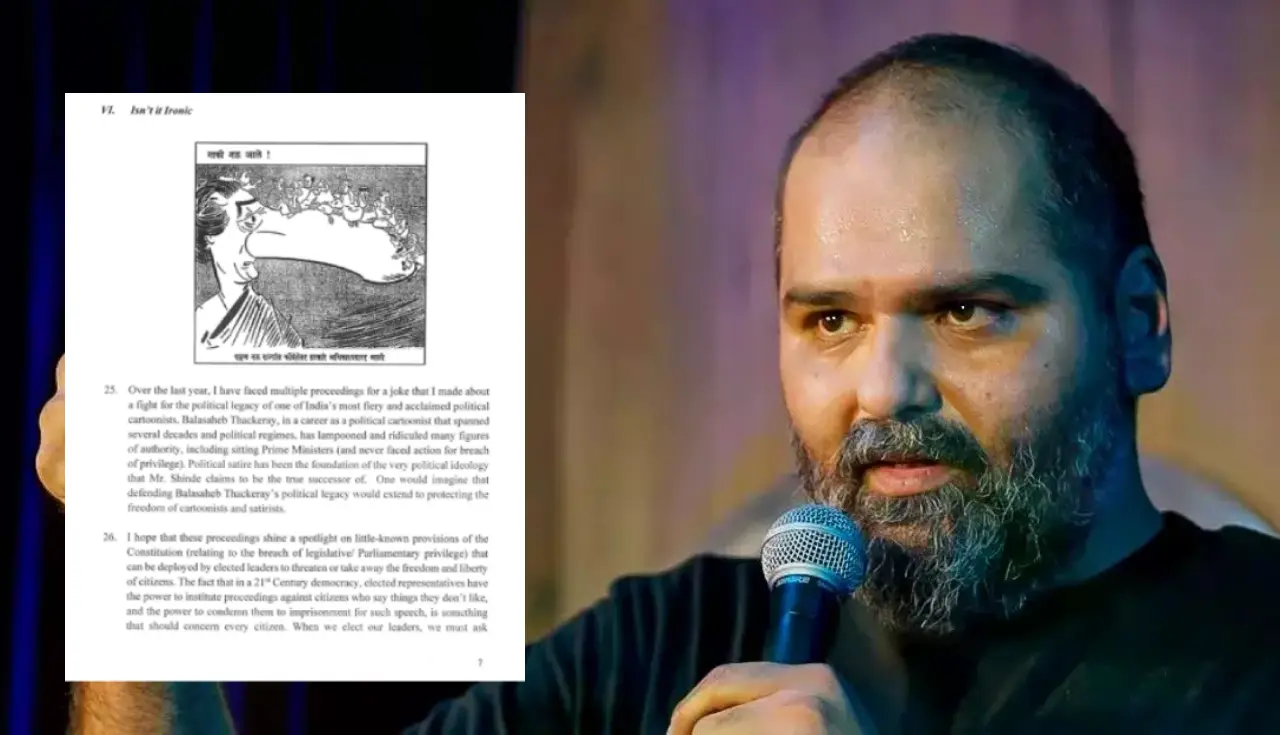
Stand-up comedian Kunal Kamra has questioned the Maharashtra legislature’s privilege proceedings against him, citing a cartoon by Shiv Sena founder Bal Thackeray that criticised former Prime Minister Indira Gandhi to argue that satire has historically not invited such action.
Kamra, who has been served a breach of privilege notice over a satirical song targeting Deputy Chief Minister Eknath Shinde, shared excerpts of his written submission to the legislature’s privileges committee on social media.
In his deposition, Kamra referred to Thackeray’s work as a political cartoonist, noting that he had openly criticised leaders, including sitting prime ministers, without facing privilege proceedings. He argued that defending Thackeray’s legacy should also mean protecting the freedom of satire and expression.
The comedian’s remarks came in response to statements by Shiv Sena leader and state minister Pratap Sarnaik, who said the privilege motion had been duly referred to a committee and warned Kamra about the “aggressive approach” of Shiv Sainiks.
Kamra, however, maintained that political satire forms an essential part of democratic discourse. “In a 21st-century democracy, the use of legislative privilege to act against citizens for their speech should concern everyone,” he said, adding that such provisions could potentially be misused to curb freedom of expression.
He reiterated his refusal to issue an unconditional apology, calling it “insincere” and cautioning that it would set a negative precedent for artistic freedom.
The privileges committee, headed by BJP MLC Prasad Lad, will take a decision based on Kamra’s response. The complaint against him was filed by BJP leader Pravin Darekar, who alleged that Kamra’s remarks in a stand-up performance insulted Eknath Shinde and constituted a breach of privilege.
The controversy stems from a show in Mumbai last year, where Kamra performed a parody song referencing the political split in the Shiv Sena following Shinde’s rebellion against Uddhav Thackeray in 2022. After the performance clip surfaced online, Shiv Sena supporters allegedly vandalised the venue earlier this year.
An FIR was also registered against Kamra at Khar police station based on a complaint alleging defamatory remarks against the deputy chief minister.
Rahul Gandhi Alleges RSS-BJP Aiming to 'Undermine Constitution' at Ambedkar Event 18
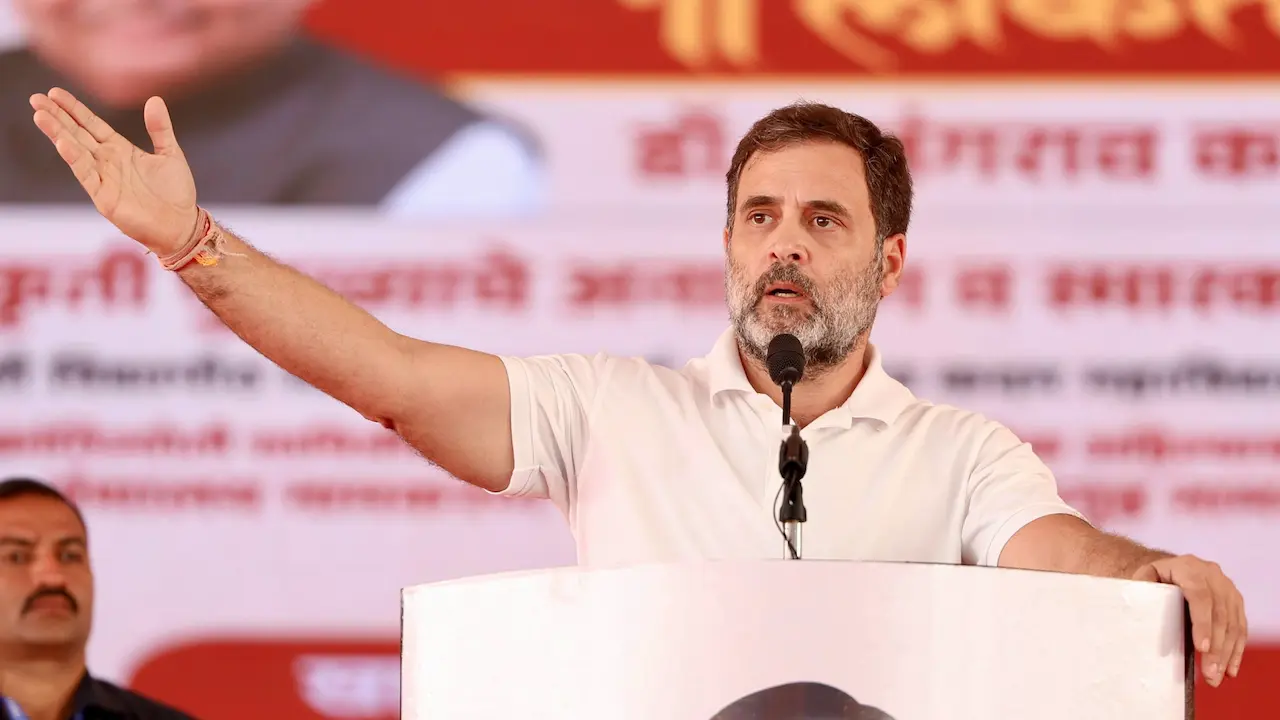
Congress leader Rahul Gandhi on Sunday accused the RSS-BJP of attempting to undermine the Constitution, alleging that their primary objective is to weaken the principle of equality in India.
Gandhi made the remarks while flagging off the ‘Run for Ambedkar, Run for Constitution’ marathon at Mandi House, ahead of Dr B R Ambedkar’s birth anniversary on April 14.
Addressing participants, the Leader of Opposition in the Lok Sabha said the Constitution is the foundation of India’s identity and warned that forces opposed to it do not believe in equal rights for all citizens.
“Without the Constitution, India would not exist in its present form. Those aligned with the RSS-BJP ideology want to finish it because they do not want equality for everyone,” Gandhi said.
He further alleged that despite publicly paying tribute to Ambedkar, their actions contradict his ideals. “They may bow before Ambedkar’s statue, but their objective is to weaken the Constitution. Our goal is to protect and strengthen it,” he added.
Gandhi emphasised that the marathon was organised to spread awareness about constitutional values and ensure that its principles reach every corner of the country.
In a social media post later, he reiterated the Congress party’s commitment to upholding Ambedkar’s vision and called for collective action against injustice and discrimination.
The event saw participation from several leaders, including former Indian cricket captain and Telangana minister Mohammad Azharuddin, who supported the initiative and stressed the importance of unity for the country’s progress.
Ambedkar Jayanti, observed annually on April 14, commemorates the birth anniversary of Dr B R Ambedkar, the chief architect of the Indian Constitution and a champion of social justice.
TMC vs BJP: Battle for Women, Youth and Welfare Voters Heats Up in Bengal Polls 20
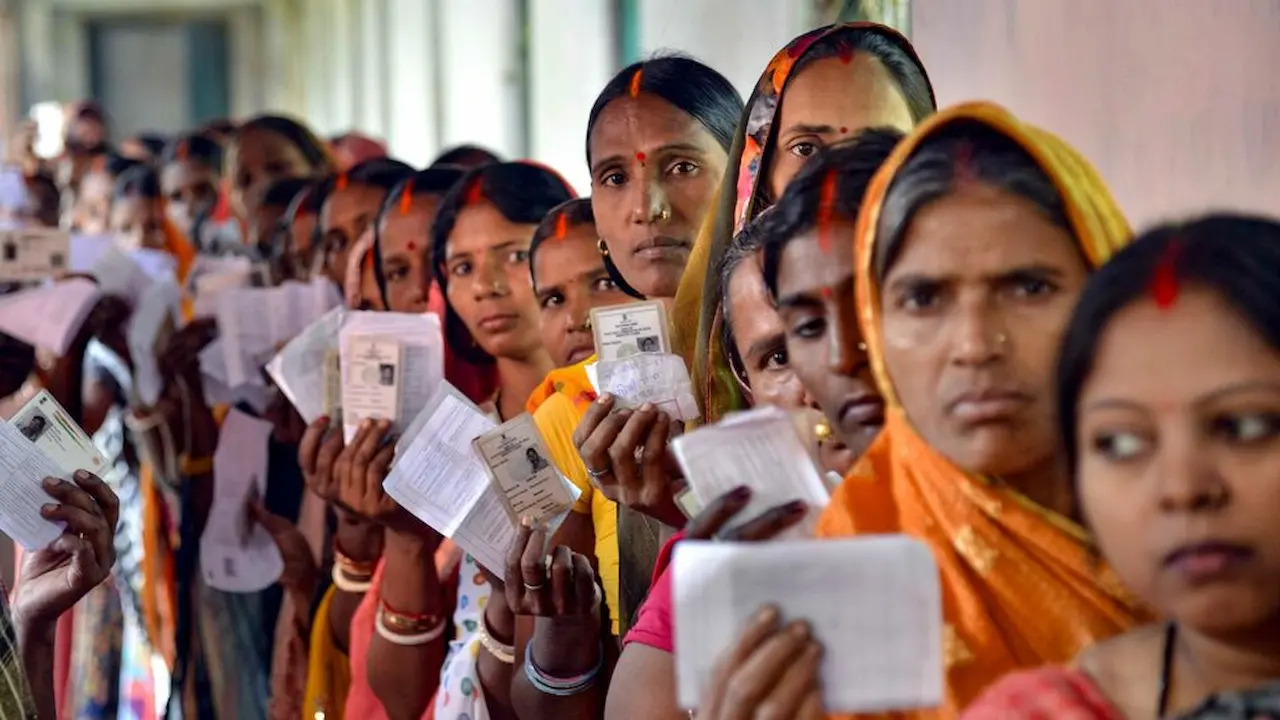
The Trinamool Congress (TMC) and the Bharatiya Janata Party (BJP) are locked in a direct contest to woo the same voter base—women, youth and welfare scheme beneficiaries—through competing promises in their manifestos for the West Bengal Assembly elections.
While Chief Minister Mamata Banerjee is banking on her established social coalition of women, minorities and SC/ST voters, the BJP is attempting to break into this base with a mix of welfare assurances, identity-driven politics and promises of economic support.
The TMC has doubled down on its welfare-centric approach, proposing an increase in financial assistance under schemes like Lakshmir Bhandar, aiming to further consolidate women voters who have played a decisive role in past elections. The party has also emphasised outreach to minorities and backward communities to retain its traditional support base.
In contrast, the BJP has countered with aggressive promises, including higher direct cash transfers for women, free public transport, job reservations and enhanced security measures. The party is also focusing on issues of law and order, attempting to capitalise on public concerns over safety and governance.
Beyond welfare, the BJP has sharpened its ideological pitch, promising implementation of the Uniform Civil Code, stricter action against illegal immigration and measures framed around cultural and national identity. At the same time, it has sought to position itself closer to regional sentiments by invoking Bengali pride and cultural heritage.
The TMC, on the other hand, has framed the election as a fight to preserve social harmony, highlighting its inclusive policies and warning against divisive politics. It has also focused on schemes for minorities, education and skill development in a bid to retain its broad voter coalition.
Meanwhile, the Left Front and Congress are attempting to regain relevance in a largely bipolar contest by shifting focus towards employment, industrial growth and anti-incumbency issues, rather than identity politics.
As the election approaches, both the TMC and BJP are crafting targeted appeals to key voter groups, making welfare schemes, identity narratives and economic promises central to their campaign strategies.