Suspended cop Vaze seeks to become approver against Anil Deshmukh in graft case 2
Dismissed Mumbai Police officer Sachin Vaze on Wednesday filed an application in the Special Central Bureau of Investigation (CBI) court to become an approver against other accused including former Maharashtra Home Minister Anil Deshmukh in an alleged corruption case. Vaze has sought to become an approver in the corruption case and has requested to be pardoned and made an approver. CBI has given its nod to his application with conditions.
The CBI Court will hear on May 30. Both Deshmukh and Vaze are in judicial custody in separate cases by the National Investigation Agency (NIA) and the Enforcement Directorate (ED), respectively.
NIA arrested Vaze in March in connection with the investigation into the recovery of explosives from a car parked near Mukesh Ambani’s house in Mumbai. Vaze is the prime accused of placing an explosives-laden vehicle near Reliance Industries Chairman Mukesh Ambani’s house Antilia in Mumbai on February 25. Meanwhile, Deshmukh was arrested on November 1 in connection with extortion and money laundering allegations levelled against him by the former Mumbai Police Commissioner Param Bir Singh.
In a letter to CM Thackeray in March last year, Singh had alleged that Deshmukh was involved in several wrongdoings, including asking Sachin Vaze to collect Rs 100 crore from bars and restaurants in Mumbai.
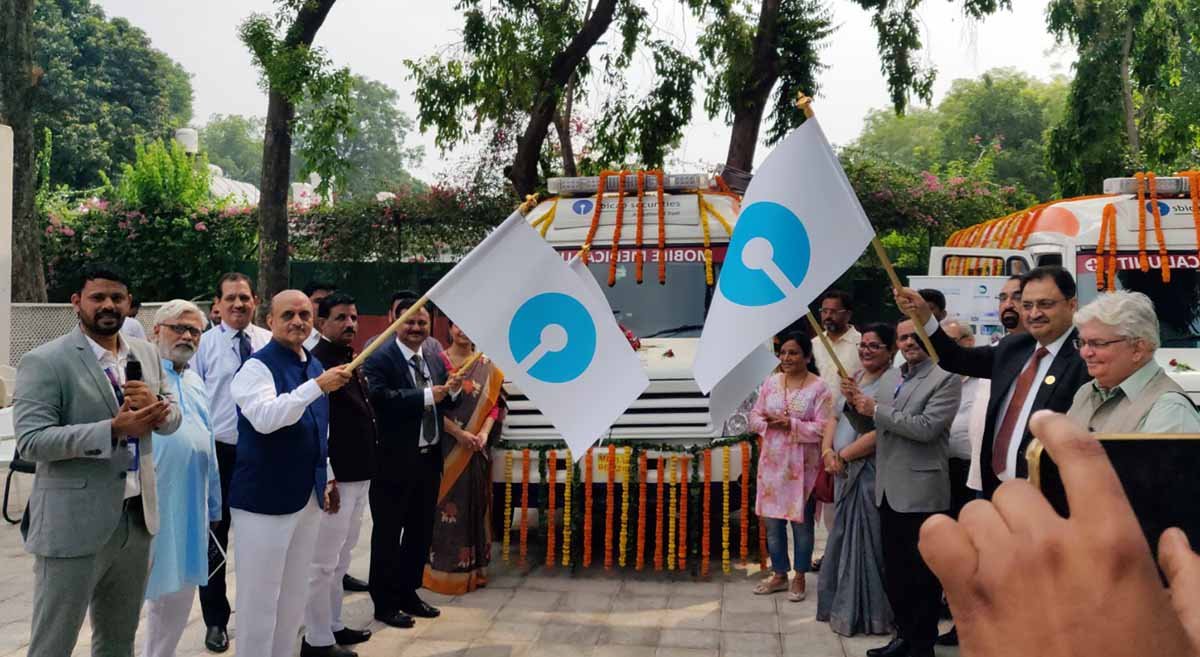
Union Minister Dr Bhagwat Karad flags off 'Clinic on Wheels' for Borderless World Foundation 4
Union Minister of State for Finance Dr Bhagwat Karad on Wednesday flagged off ‘Clinic on Wheels’ ambulance for Borderless World Foundation (BWF) donated by SBI Foundation.
BWF team has been working at ground level in the health care sector for many years now, with today’s flagging-off ceremony two more such ambulances are now added to their service.
The State bank of India’s top management reaches the top from the grassroots. With the same bottom-up approach, through this Clinic on Wheels Sanjeevani project, SBI is again focussing on the grassroots of the community, especially in rural and remote India.
Borderless World Foundation working to tackle the challenges at LoC and the interior of deep valleys of Kashmir but also remove the mental borders among the people which is a hindrance to humanity. They are nurturing the wounded minds who lost their dear ones in extremist activities, especially a girl child who by creating a national feeling and belonging to our nation goes back to the same community as a peace agent. We make sure that her next generation would be on the right path.
To date, Adhik Kadam nurtured more than 700 angels who are establishing peace in the valley. Some are also taking a higher education and serving as doctors, paramedics, lawyers and even sarpanch.
While Adhik Kadam was working in the valley, he realised that health care in the LoC area needs deep interventions. He created the concept of J&K lifeline which till today they have given 21 ambulances to the army and the BSF. The prime purpose is to improve health care and access to it but more than that it is a tool to develop the Army and community bonds which were badly affected.
Due to the SBI foundation initiative, they could pledge to transform the health care delivery at the remotest of remote places in Kargil and Gurez. Healthcare is an important indicator of development… feeling of being cared for and belongingness would transform the region in these 5 years. Indeed, this is an apt and well-thought activity for the sustainable and long-term development of our rural India real India. Such projects are needed in the LoC area for deeper and deeper impact and reach masses.
Through this program, Borderless World Foundation has developed a comprehensive Primary Healthcare delivery model. They have also integrated specialised camps such as eye care including diabetic retinopathy, cancer detection, paediatric diabetes woman health and hygiene, oral health and many more.
Dr Bhagwat Karad said, “I appreciate the efforts of humanity made by the Borderless World Foundation and it’s team, health is wealth. Due to lack of medical facilities there are many casualties and by addressing this core issue they are doing great service to the nation. I also appreciate SBI for their valuable contribution towards such a cause. It’s my pleasure that I am flagging off these clinics on wheels.”
The trustee of BWF Advocate Narsing Lagad said, “We assure that with this event we are making ourselves more responsible and accountable in delivering the results of our sadhana at the last mile. We assure the leadership and dignitaries for the same in these 5 years as we shall work for sustainable impact through this project.”
Dr Virendra Shah said, “We are ready for scaling up this initiative with our technical and ground teams across the LoC and extreme and affected areas across the country.”
Dr Manisha thanked Minister Dr Bhagvat Karad for encouragement and the constant guidance in their initiatives.
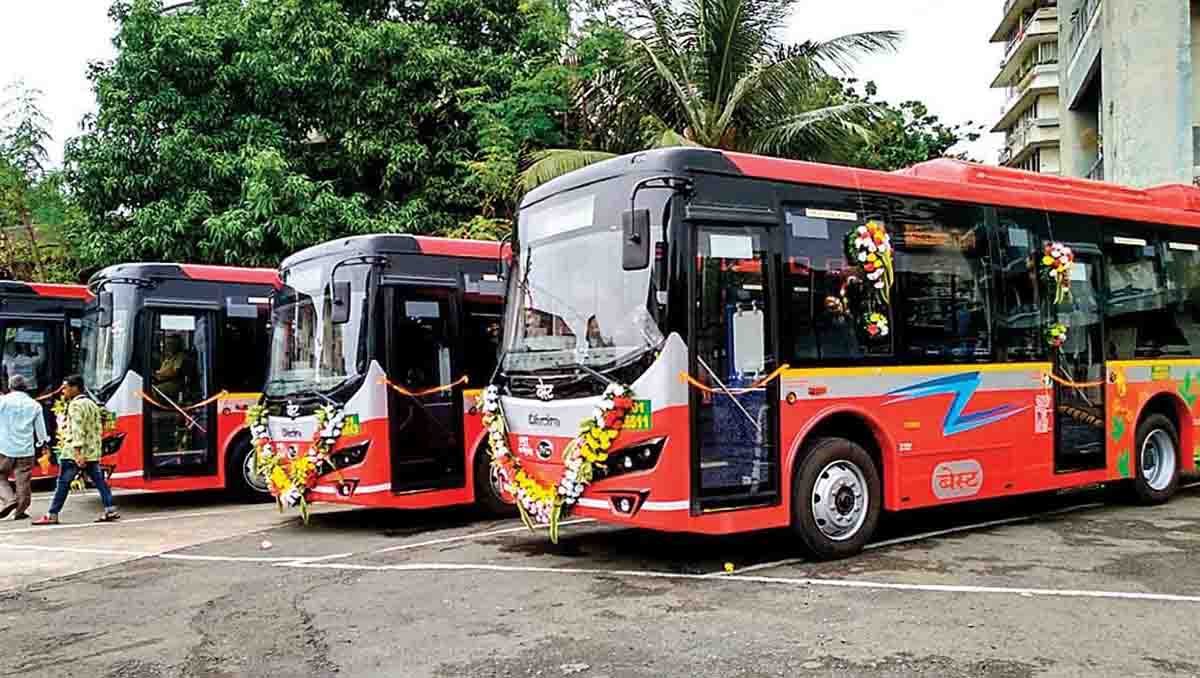
BEST aims to make its fleet 50% electric by the end of 2023 6
In a major push for green motion, the BEST undertaking has confirmed bids of Olectra green tech to supply 2,100 electric buses over a period of 12 months. BEST aims to make its fleet 50% electric by the end of 2023–which means over 2,000 electric buses, including 900 AC electric double-deckers. It is targeted to have an almost 100% electric fleet before the end of 2027.
The value of this order is Rs.3675 crores, which is the biggest order (Letter of Award) in Indian Electric mobility history to date. Olectra shall also undertake maintenance of these buses during the Contract Period. These buses can run almost 200 km on a single charge, thus helping reduce the turnaround time.
EVEY, a subsidiary of Olectra green tech, shall procure either directly by itself or through its special purpose vehicle these 2 100 electric buses. Chairman and managing director, Olectra Greentech Limited KV Pradeep, “We will deliver the buses as per the schedule and will give the best commuting experience to the citizens of Mumbai.”
Did you know that an insurance policy purchased by you can be fake? Yes, there are chances when you do not research well or take enough safety while buying an insurance policy. Sadly, many policyholders realize that they have a fake insurance policy only when they make a claim. After all, what is an insurance policy till you make a claim? It is just a piece of paper with a seal and a signature. The growing number of insurance fraud cases has become a worry for insurance companies and policyholders in India. According to the Indian Forensic Centre for Studies report, the losses caused to the insurance industry due to fraud are estimated to be over Rs. 30,000 crore every year. While one may think that insurance frauds are generally committed by making false claims, fake insurance policies are one of the leading types of insurance fraud in India.
If currency notes can be duplicated in India, anything is possible. Anyone with a basic printer at home can print out a fake insurance agreement. Every year, there are thousands of policyholders who fall for this scam. Fake insurance policies are those policies that are sold by unauthorized insurance companies with the intention to make money without providing insurance coverage. It is nothing but a fake insurance policy from a deceitful company which does not even exist. If policyholders research well before applying for insurance, they won’t fall for fake insurance policies.
Owning a fake insurance policy can give you the shock of your life when your car is damaged and you need to make a big claim. The situation can get worse if you have large third-party liabilities to pay. You need to be extremely careful to avoid such a dreadful situation. Even otherwise lakhs of people pay yearly car insurance and hardly anyone meets with an accident, the percentage of accidents against the number of policyholders is negligible numbers. Where does all this money go? Every year you have thousands of rupees as insurance for allegedly assumed insurance. There is no accountability for this money.
These other comments are arguments where under certain circumstances it’s beneficial to SOME people. But the chances are it is not beneficial to _you_. This is why insurance can function as a for-profit business that is one of the most profitable businesses in the world and indeed how one of the richest men in the world Warren Buffet made most of his money. It is a guaranteed private tax on public citizens and mathematically as long as these businesses survive it will always benefit fewer people than it helps. In fact, the only people who probably have a net gain from insurance are people who have gamed the system in some way. For the rest of us, it is simple math to add up your premium payments over the years and compare it to what you have been paid, which in most cases is nothing.
The brainwashed jesters here will tell you that it is worth it because it’s easy to defend the status quo, but if we got rid of mandatory insurance there would be more money for everyone outside of the insurance industry. It is estimated that on average, in one hour, around 55 road accidents occur in our country. This is where car insurance comes into the picture. Those who have a valid insurance policy can approach their insurer. The insurer will pay for the damage. However, no one will cover the people who do not buy insurance. And if they cause an accident, they will have to bear the cost from their pocket.
This is exactly why it is a law in India to buy Car Insurance. Under Chapter 11 (Section 145 to 164) of The Motor Vehicles Act, 1988, it is compulsory to buy at least a Third-party Car Insurance Policy in India. Buying insurance is parallel to saving money to cover yourself financially in case of an accident. But the scope of these savings increases to a great extent when you have an insurance company to back you. The government has made it mandatory to buy car insurance because no person should suffer a financial loss from an accident. If they do, they should be compensated fairly. But 90 per cent of the population spent their hard-earned money just assuming an accident but they pay money for years but such things happen. If a person pays for more than five long years and no casualty happens in that case the policyholder should get some concessions or benefits.
If you are looking for Skin nourishment and strengthening the joints, muscles and soft tissue while providing relief from pain, then Navara Kizhi is the best treatment.
Modern lifestyle, prolonged medication and above all body aliments need some strength to body and also skin. Kizhi means bandage in Malayalam. In Sanskrit, it is known as Pinda Sweda. There are many variations of Kizhi in Ayurveda and the name is given based on the ingredients tied within the potli.
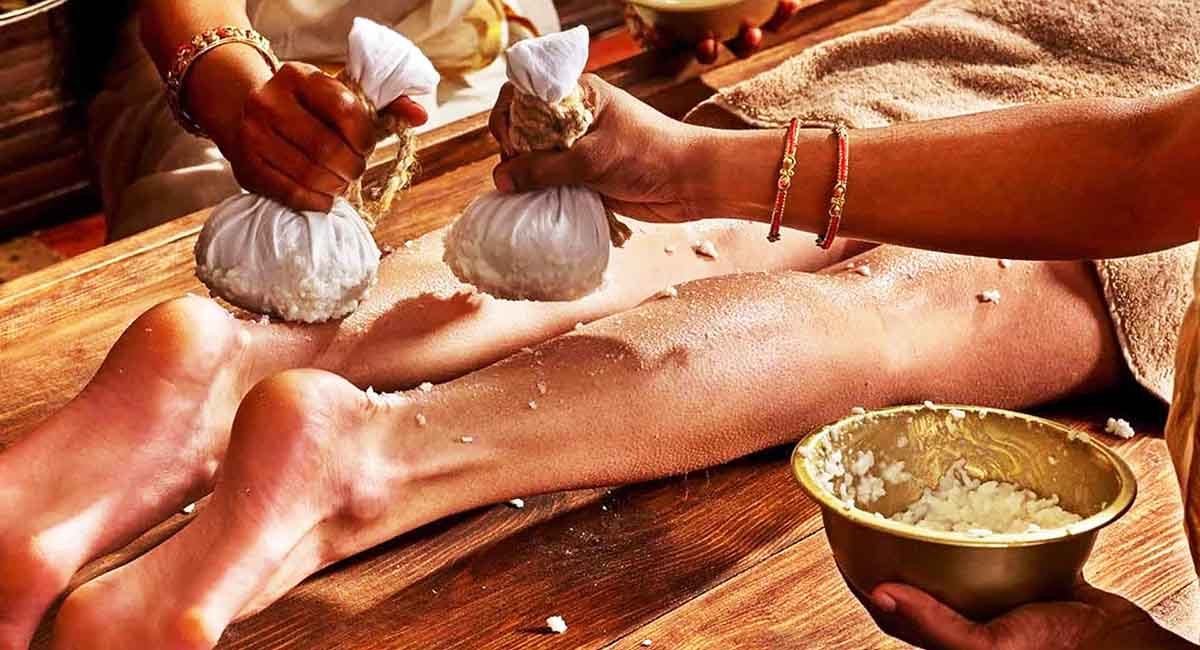
The main ingredient in this Kizhi is Navara rice. Navara is a medicinal variety of rice from Kerala which is harvested in 60 days and is used exclusively for treatments in Ayurveda. The Navara rice is cooked in a mixture of cow’s milk and herbal decoctions. While doing treatment pure cow milk is used as the spread on the body, these days most of the centres are commercial so they use buffalo milk and that too diluted form to cut their cost but, in a way, your treatments can also be compromised. You may not receive desired results; this is the reason choose professionals who understand the importance of such treatments.
Milk is a well-known nutrient to us, and so is rice. They form a part of our daily diet. But these 2 food products are used for treatment purposes, not when taken internally but when applied externally. The treatment is a special gift from Ayurveda to the ailing world and is called Shashtika Shali Pinda Sweda in Sanskrit and Njavarakizhi in Kerala Ayurvedic practice.
Swedana or fomentation (sudation, sweat-inducing treatments, steaming treatment) is a specialized treatment of Ayurveda which helps in providing unparalleled relief in pain, swelling and stiffness associated with many systemic diseases, especially in rheumatological conditions like Amavata vis-à-vis Rheumatoid arthritis, Sandhigata Vata (Osteoarthritis), Kati Shula (Low back pain), Mamsagata Vata (Myalgia), Fibromyalgia etc. It is a strengthening therapy. It gives nutrition to the tissues which are undergoing depletion and degeneration. It is a time-tested treatment administered to those ailing from musculoskeletal and neuromuscular diseases.
This treatment begins by massaging warm herbalized oils on your body to prepare and soften the tissue ready for the Navara Kizhi application. The Navara Kizhi is massaged over the whole body as required. The poultice is dipped into warm milk and herbal decoctions throughout the treatment. This is a gentle massage and the Kizhis are applied in circular and long strokes on the body. Ayurvedic herbal medicine and dietary restrictions may also be prescribed if necessary.
Navara Kizhi treatment benefits:
Shashtika Shali Pinda Sweda is used mainly to provide strength and rejuvenate the tissues and also to provide relief from pain, inflammation, and stiffness (catch) associated with bone, joint, neuromuscular and or musculoskeletal pains. Many times, it also acts as a disease-modifier wherein it provides a substantial relief of more than 90% and a long-standing one too. It is more effective when combined skilfully with Abhyanga (massage with herbal oils), Kati Vasti (oil pooling for low back pains), Greeva Vasti (oil pooling for neck pains) etc treatments. Shashtika Sweda can be done in a later period of these treatments to strengthen the nerves, joints and soft tissues and enhance blood flow to the affected area.
Navara Kizhi procedure:
There are three stages – Pre-treatment, treatment and post-treatment stage.
Preparation for the treatment:
Materials needed for the treatment are collected beforehand. They are:
Shashtika Shali – A special type of rice harvested in 60 days and Milk
Balamula – Roots of Sida Cordifolia
Water
Big vessels – to prepare Kashayam and to cook rice in processed milk
Sterile clothes to tie the boluses
Thicker threads to tie the cloth into bolus after placing leaves in it
Sterile napkins or tissue papers for wiping
For Abhyanga (massage) – Taila (medicated oil), Ghee (medicated ghee) or both suitable to the disease and diseased are collected and stored beforehand.
This is one of the most ancient and authentic treatments one must try for healthy living.
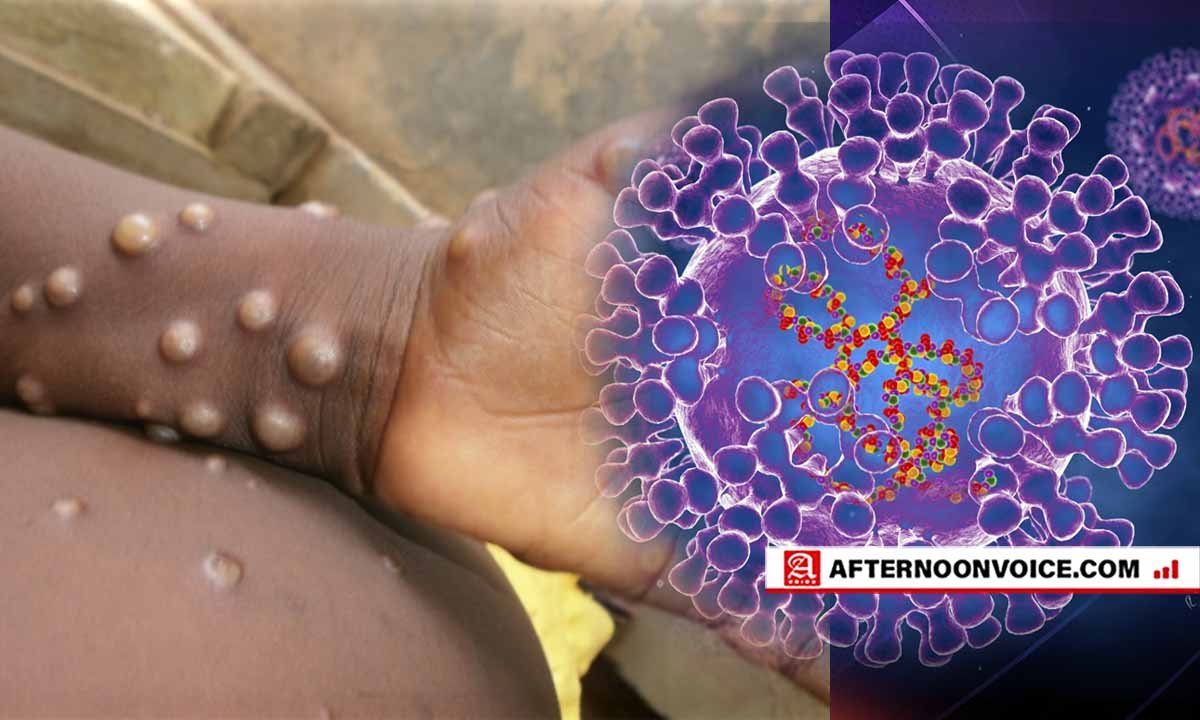
Monkeypox — a sporadic disease usually not found in India 12
Monkeypox the name may look scary and those pictures spread in the news reports look horrible but don’t worry it will not be as dangerous as COVID if you take adequate precautions. Moreover, this is not a common Indian ailment. Unlike COVID-19, which is highly contagious, monkeypox doesn’t usually spread easily among people. Monkeypox spreads via large respirational dews when people are in close contact; direct contact with skin lesions or bodily fluids; or indirect contact via contaminated clothing or bedding.
Monkeypox is a rare smallpox-like disease that occurs primarily in the rainforest countries of central and west Africa. The disease was discovered in laboratory monkeys in 1958. Studies of animals in Africa later found evidence of orthopoxvirus infection in a number of African rodents. The virus has been isolated from an African tree squirrel, which may be the natural host. Laboratory studies showed that monkeypox also could infect mice, rats, and rabbits.
In 1970, monkeypox was reported in humans for the first time. In June 2003, monkeypox was reported in prairie dogs and humans in the United States. Monkeypox is caused by the Monkeypox virus, which belongs to the orthopoxvirus group of viruses. Other members of this group of viruses that cause infections in humans include variola (smallpox), vaccinia (used for smallpox vaccine), and cowpox viruses. As of Saturday, 92 confirmed cases and 28 suspected cases of monkeypox have been reported from 12 member states that are not endemic to the virus, according to the World Health Organization (WHO).
The UN agency said it expects to identify more cases of monkeypox as it expands surveillance in countries where the disease is not typically found and will provide further guidance and recommendations in the coming days for countries on how to mitigate the spread of monkeypox. Most of the cases reported so far have been detected in the UK, Spain and Portugal. There have also been cases in Canada and Australia, and a single case of monkeypox was confirmed in Boston, with public health officials saying more cases are likely to turn up in the United States.
WHO officials have expressed concern that more infections could arise as people gather for festivals, parties and holidays during the coming summer months in Europe and elsewhere. The UK has begun to inoculate healthcare workers who may be at risk while caring for patients with the smallpox vaccine, which can also protect against monkeypox. The US government says it has enough smallpox vaccine stored in its Strategic National Stockpile (SNS) to vaccinate the entire US population.
There are antiviral drugs for smallpox that could also be used to treat monkeypox under certain circumstances, a spokesperson for the US Department of Health and Human Services said in a statement. More broadly, health officials say that people should avoid close personal contact with someone who has a rash illness or who is otherwise unwell. People who suspect they have monkeypox should be isolated and seek medical care.
In humans, monkeypox is similar to smallpox, except that enlargement of lymph nodes (lymphadenopathy) is associated with monkeypox. About 12 days after exposure, the illness begins with fever, headache, muscle aches, backache, swollen lymph nodes, a general feeling of discomfort, and exhaustion. Within 1 to 3 days (sometimes longer) after the appearance of fever, the patient develops a popular rash (i.e., raised bumps), often first on the face but sometimes initially on other parts of the body. The lesions usually develop through several stages before crusting and falling off.
found in Central and West Africa and those who have travelled there — has been detected in the US, Australia and a number of European countries in recent days in what has been described as an “unusual” spread.
Most people that catch monkeypox have mild flu-like symptoms, such as fever and backache, and a rash that clears by itself within two to four weeks. The rash starts on the face and then spreads to other parts of the body, including the genitalia. The rash features boils that fill with pus and ultimately crust over and fall off. The proportion of those with monkeypox that die from it ranges from 1% to 10% depending on the strain, according to the WHO. It can be hard to tell between monkeypox and other common rashes such as chickenpox. Swollen lymph nodes are a hallmark feature of monkeypox, according to the World Health Organization.
The first known case of the current monkeypox outbreak was announced in the UK on May 7 in an individual who had travelled to Nigeria. Later cases had no link to the first case and had not travelled to where monkeypox is endemic. The total number of cases on Friday was 20 the UK Health Security Agency said. On Friday morning, German and Australian officials were the latest to confirm cases, Reuters reported.
Those came after New York City health officials said they were investigating a “possible” monkeypox case on Thursday — the second infection in as many days after the first US case of 2022 was confirmed on Wednesday.
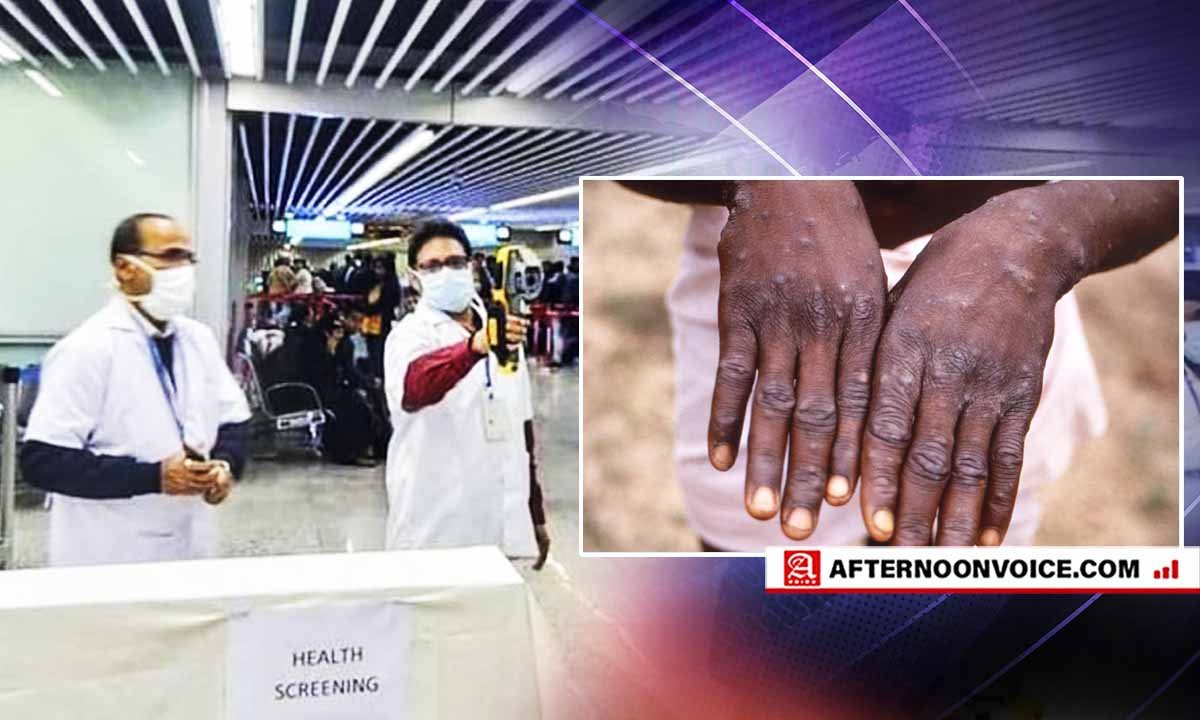
Monkeypox hit nations fliers need to go through screening at Mumbai airport 14
Maharashtra on Sunday reported 326 Covid-19 cases, taking the state’s tally to 78,82,802, while the toll remained at 1,47,856 with no fresh deaths reported, an official said. A release from the state health department said 251 patients were discharged during the day, taking the total number of recoveries to 77,33,043 and leaving the state with 1,903 active cases.
Belgium become the first country to introduce compulsory monkeypox quarantine
Government puts ports and airports on alert over rising cases of monkeypox
ICMR, NCDC put on alert as WHO confirms 80 monkeypox cases in 11 countries
Global health officials have sounded the alarm over rising cases in Europe and elsewhere of monkeypox, a type of viral infection more common in the west and central Africa. World Health Organization (WHO) said that at least 92 monkeypox virus cases have been confirmed in 12 countries, including the US, Canada, Australia, UK, Spain, Portugal, Germany, Belgium, France, the Netherlands, Italy and Sweden. While so far, no deaths have been reported, about 28 cases in these countries are potential cases. The global health agency also warned that the infection is likely to spread to more nations even as it expands surveillance.
Union Health Minister Mansukh Mandaviya recently directed the National Centre for Disease Control and the ICMR to keep a close watch on the situation, PTI reported quoting official sources on Friday. The Union health ministry has also directed airport and port health officers to be vigilant, they said.
“The Union Health Minister on Thursday directed the National Centre for Disease Control and the ICMR to keep a close watch and monitor the situation in India,” the official added.
“They have been instructed that any sick passenger with a travel history to Monkeypox-affected countries be isolated and samples sent to the BSL4 facility of the National Institute of Virology in Pune for an investigation,” an official source said.
How dangerous is it?
The risk to the general public is low at this time, a U.S. public health official told reporters at a briefing on Friday.
Monkeypox is a virus that can cause symptoms including fever, and aches and presents with a distinctive bumpy rash.
It is related to smallpox, but is usually milder, particularly the West African strain of the virus that was identified in a U.S. case, which has a fatality rate of around 1%. Most people fully recover in two to four weeks, the official said.
The virus is not as easily transmitted as the SARS-CoV-2 virus that spurred the global COVID-19 pandemic.
Experts believe the current monkeypox outbreak is being spread through close, intimate skin on skin contact with someone who has an active rash. That should make its spread easier to contain once infections are identified, experts said.
“COVID is spread by the respiratory route and is highly infectious. This doesn’t appear to be the case with the monkeypox,” said Dr Martin Hirsch of Massachusetts General Hospital. Many – but not all – of the people who have been diagnosed in the current monkeypox outbreak are men who have sex with men, including cases in Spain linked to a sauna in the Madrid region.
Maharashtra, Rajasthan and Kerala have decreased VAT on petrol and diesel after Finance Minister Nirmala Sitharaman’s call to provide further relief to consumers following a cut in excise duty by the Centre, though some other states appeared reluctant citing their inability to take more strain on revenue.
Senior Congress leader P Chidambaram on Sunday wondered whether the states can afford to give up revenue from the Value Added Tax (VAT) on petrol and diesel unless the Centre devolves more funds or gives them more grants, likening their situation to being between “the devil and the deep sea”.
The Shiv Sena-led Maharashtra government slashed the VAT on petrol by Rs 2.08 per litre and diesel by Rs 1.44 per litre. A statement issued by the government said the state exchequer will have to bear an annual loss of Rs 2,500 crore as a result of this decision. However, the DMK-led government in Tamil Nadu said that it is neither fair nor reasonable to expect states to reduce their taxes.
State Finance Minister Palanivel Thiaga Rajan said the central government had never consulted states when it increased the taxes and Tamil Nadu was already incurring a loss of over Rs 1,000 crore due to the earlier tax cut announced by the union government in November 2021.
Despite the tax reduction announced by the Centre on Saturday, the rates were still high compared to 2014, he pointed out.
”The Union Government’s levies on petrol have gone up substantially in the past seven years. Though the revenue to the Union Government has increased manifold, there has not been a matching increase in the revenues to states. ”This is because the Union Government has increased the cess and surcharge on petrol and diesel while reducing the basic excise duty that is shareable with the states,” he averred.
Post the November 2021 reduction in excise duty on petrol by Rs 5 per litre and that on diesel by Rs 10 a litre, 25 states and UTs had cut VAT to give further reprieve to consumers battered by record-high retail prices. States ruled by non-NDA parties like Maharashtra, Andhra Pradesh and West Bengal did not do so. Responding to the minister’s remarks that states were not consulted by the Centre before increasing fuel prices, BJP Tamil Nadu president K Annamalai wondered if such a practice was followed during the earlier UPA regime, in which the DMK was a key constituent.
Speaking to reporters, he gave a ”72-hour” ultimatum to the ruling DMK to implement its poll promise on fuel price cuts. Tamil Nadu’s main Opposition AIADMK also urged the ruling DMK to implement its poll promise of reducing prices of petroleum products.
However, the Left Democratic Front government in Kerala had on Saturday promptly announced a cut in the state tax on the prices of petrol and diesel by Rs 2.41 and Rs 1.36 per litre respectively, following the reduction in fuel prices by the Centre.
Rajasthan Chief Minister Ashok Gehlot also said the state government will reduce VAT by Rs 2.48 per liter on petrol and Rs 1.16 per liter on diesel. In Madhya Pradesh, Congress leader Kamal Nath demanded that the BJP government reduce VAT on petroleum products to further bring down the rates. Bahujan Samaj Party chief Mayawati said it was the duty of not only Uttar Pradesh but also of other states to immediately announce a cut in VAT on fuel.
In BJP-ruled Karnataka, Chief Minister Basavaraj Bommai said his government will consider a further cut in fuel tax.
”The decision (Centre’s) has come on Saturday night, let’s see, we will consider it,” Bommai told reporters here in response to a query.
Bommai was last month non-committal on any further cut in fuel tax by the state government and had maintained that any decision in this regard will be taken after looking at the economy of the state.
A source in the Goa government said the Pramod Sawant-led dispensation will not further reduce the VAT on petrol and diesel as it “might hurt the economy”.
Goa levies 26 per cent VAT on petrol and 22 per cent on diesel.
The ruling Trinamool Congress in West Bengal said the state will cut taxes once it lifts the ”economic blockade” and releases the funds due to the state.
TMC national spokesperson Sukhendu Sekhar Ray said on Saturday that West Bengal will slash fuel prices once the Centre cleared its dues amounting to Rs 97,000 crore.
Last month, West Bengal Chief Minister Mamata Banerjee said that she will reduce the tax on petroleum products in the state once the central government cleared all the pending dues it owed to the state.
The price of petrol on Sunday was slashed by Rs 8.69 a litre and that of diesel by Rs 7.05 per litre following the government decision to cut excise duty on auto fuels.
Former finance minister Chidambaram said the states are getting very little by way of sharing of duties on petrol and diesel.
”I wonder if they can afford to give up that revenue unless the Centre devolved more funds or gave them more grants,” Chidambaram said.
The situation is like being between “the devil and the deep sea”, he said in a series of tweets.
Announcing the duty cut through tweets, Finance Minister Sitharaman exhorted all state governments to also cut local sales tax or VAT.
”I wish to exhort all state governments, especially the states where the reduction wasn’t done during the last round (November 2021), to also implement a similar cut and give relief to the common man,” she said.
Welcoming the move, Oil Minister Hardeep Singh Puri said, ”I want to highlight the fact despite this second reduction in central excise, price of petrol & diesel in states like Maharashtra, Rajasthan, West Bengal, Tamil Nadu, Andhra Pradesh, Jharkhand & Kerala remain around Rs 10-15 higher than in BJP-ruled states.” Rates differ from state to state depending on the incidence of local taxes such as VAT. Andhra Pradesh has the highest VAT on petrol and diesel in the country, followed by Rajasthan and BJP-ruled Madhya Pradesh. ”This (high prices in non-BJP ruled states) is due to the refusal of their respective state governments to reduce VAT. It is time for these states to wake up & reduce VAT to provide relief to their consumers,” Puri said.
The Congress government in Rajasthan had cut VAT following the November 2021 decision. Punjab, which was ruled by the party then, had seen the biggest reduction due to a cut in VAT rates.
Uniform civil code can usher in truly secular India 17
Raj Thackeray held a rally in Pune amongst heavy deployment of police force at Ganesh Kala Krida Manch of the city to maintain the law-and-order situation. The rally was peaceful and the first time for a change even the media was not over reactive. He looked tired and unwell but his attack was powerful. While speaking he urged Prime Minister Narendra Modi to bring the Uniform Civil Code at the earliest and also to bring a law on population control. This is not the first time that the MNS chief voiced his support for the Uniform Civil Code, but his appeal to PM Modi comes at a time he is at the centre of the Hanuman Chalisa controversy following his threat to play Hanuman Chalisa at mosques if illegal loudspeakers are not taken down. He also said Aurangabad should be renamed Sambhaji Nagar after Maratha ruler Sambhaji.
Well, if we speak about uniform civil code, as a civilisation, we have evolved & progressed into a modern society. And modern society needs to treat every individual the same irrespective of personal laws or religious laws. Bringing everyone under one & the same law is very important. A true secular nation is when people irrespective of religion, caste, and tribe follow one law. Almost all countries have had a Uniform Civil code for ages but with different names. This also means an end of religion-based laws to govern people
For a large part of India’s history post-independence, due to the existence of several religions, there was often unwillingness to approach a common law for the entire nation. However, when it came to matters for Hindu faith, laws which didn’t allow equal inheritance by sons and daughters, or matters of divorce (considered back then as taboo), a law was enacted called Hindu Marriage Act, 1955. This to a huge extent settled all discrimination faced by Hindu women.
Now fast forward to days of 1985, there was this Shah Bano case, where a Muslim lady of 62 years was divorced by saying the word “talaq” (meaning: divorce) three times, a practice common in some Muslim societies. This matter went up to the Supreme Court, which declared this wrong and unjust. But then, there was a backlash from the Muslim community, led by All India Muslim Personal Law Board (AIMPLB), who saw this as an “attack on their faith”, resulting in the then Prime Minister Rajiv Gandhi to pass an ordinance to overrule Supreme court’s judgement. This action was something seen by many as a clear case of appeasement politics in India, something which plagues Indian politics even to this date. Now under BJP rule, The Muslim Women (Protection of Rights on Marriage) Act, 2019 declares the instant divorce granted by pronouncement of talaq three times as void and illegal. It provides for imprisonment for a term up to 3 years and fine to the husband who practiced instant Triple Talaq. With time the amendments are taking place.
Article 44 of the Constitution of India writes, ’The State shall endeavour to secure for the citizens a uniform civil code throughout the territory of India.’ A civil code refers to laws that deal with civil matters like marriage, divorce, adoption, succession and inheritance. Presently such matters are generally governed by personal laws in India which has multiplicity of such laws (Some of the important personal laws practised in India include, the Hindu Marriage Act, 1955, Indian Divorce Act, 1869, Christian Marriage Act, 1872, Indian Succession Act, 1925, Parsi Marriage and Divorce Act, 1936 etc.).The issue of uniform civil code had become debatable in the Constituent Assembly itself and amendments were moved to protect personal law of any group, community or section of the people. There was an objection that such a code would infringe the right to freedom of religion as enshrined in article 25 of the Constitution. Further, it might amount to tyranny to the Minorities.
The basic idea of proposing a Uniform Civil Code was to detach religion from personal laws and also from social relations or, from rights of parties as regards inheritance or succession. Thus, the proposed code believes in unifying and consolidating the nation by every means without interfering with religious practices. Moreover, a common code will help the cause of national assimilation by removing the paradoxes based on ideologies.
Whatever can be the arguments but there is no denial that only Uniform Civil Code can lead us towards real secular India. Muslims of India must wake up and see the reality of narrow-minded religious zealots of their own faith and help in providing justice to the victimized women of their religion. In India criminal code applies equally to all citizens irrespective of their identity. You murder someone, you go to jail. Even civil matters in the public domain that relate to contracts, copyright, torts apply equally to everyone, irrespective of their beliefs, caste or religion. Citizens of one country cannot and should not be guided by differing laws. The protection and due process of law is the birth right of every citizen without distinction and its limited application in any sphere is not only legally untenable but also against the spirit of a nation and equality of its citizens. This situation of having differing Laws based on identity is a doctrinal aberration and should be dispensed immediately.
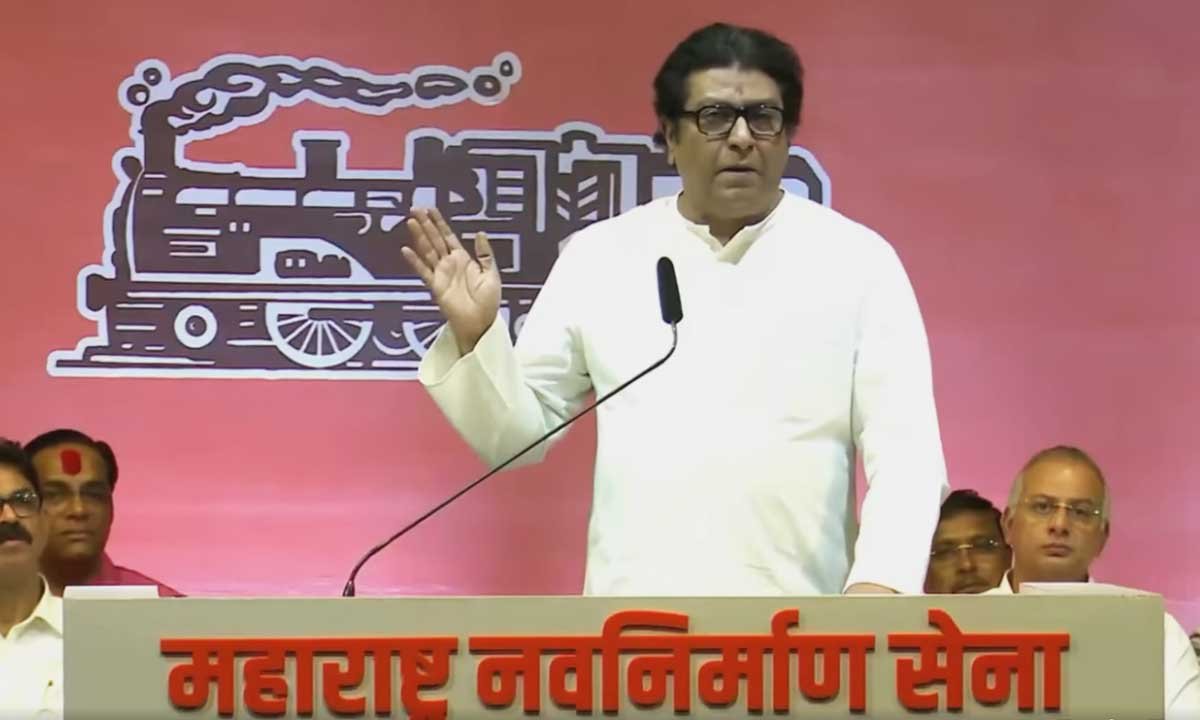
Raj Thackeray once again echoed demand for uniform civil code 19
Maharashtra Navnirman Sena (MNS) chief Raj Thackeray addressed a rally in Pune day after he all of sudden cancelled his visit to Ayodhya. He echoed his demand for uniform civil code and also launched a scornful attack on chief minister and Shiv Sena chief Uddhav Thackeray over ‘our hindutva real-their hindutva fake’ remark.
Speaking about cancelling his June 5 visit to Ayodhya, Raj Thackeray said that he had announced the date of Ayodhya but he got to know about Opposition to his visit and he understood it was a trap, therefore he decided not to fall into this controversy. Earlier, Uttar Pradesh Bharatiya Janata Party MP Brijbhushan Sharan Singh had openly swore to block Raj Thackeray’s entry in the state till he apologised for the treatment meted out to North Indians in 2008.
The MNS chief also took a jibe at Shiv Sena after party leader and Rajya Sabha MP Sanjay Raut was seen having lunch together with Ravi Rana who wanted to recite Hanuman Chalisa outside Matoshree along with his MP wife Navneet Rana. Further, Raj Thackeray also slammed Uddhav Thackeray over – ‘our hindutva, your hindutva’ remark and asked if they were selling washing powder.
Maharashtra Navnirman Sena (MNS) chief Raj Thackeray said, “I request the prime minister to bring Uniform Civil Code at the earliest, also bring a law on population control and change the name of Aurangabad to Sambhajinagar. I shall be undergoing hip bone surgery on June 1… I have been in pain for some time in the legs and now also in the back.” Maharashtra Navnirman Sena (MNS) chief Raj Thackeray on Sunday reiterated his demand to bring uniform civil code and rename Aurangabad as Sambhaji Nagar. He also took a swipe at Maharashtra chief minister and Shiv Sena chief Uddhav Thackeray for continuously raking ‘our hindutva, your hindutva remark’, asking if they were selling washing powder. Meanwhile, Thackeray said he would undergo a surgery for knee and back problems on June 1. Raj Thackeray criticises political parties for accusing him of leaving protests mid-way. He spoke about the success of removing the toll plaza.
The MNS chief said that protests against loudspeakers are not for a single day, but if it is not followed, volume will again start increasing. Meanwhile, Raj Thackeray informed party workers that he will be giving them a letter in the next 2-4 days and asked them to ensure that it reaches each and every house. He also told party members that protests will keep on happening and they should not worry as the legal team is ready for them.
“I had asked to play Hanuman Chalisa on loudspeaker if speakers from mosques are not removed. Later, the Rana couple wanted to go to Matoshree and recite Hanuman Chalisa? Is Matoshree a mosque? Recently, the same couple was seen eating together in Ladakh,” said Raj Thackeray.