Home Blog Page 101

Faith Betrayed: The Failure of Saints and the State at Maha Kumbh 2025

mahakumbh, maha kumbh, stampede, reuters, 2025, mahakumbh 2025, faith
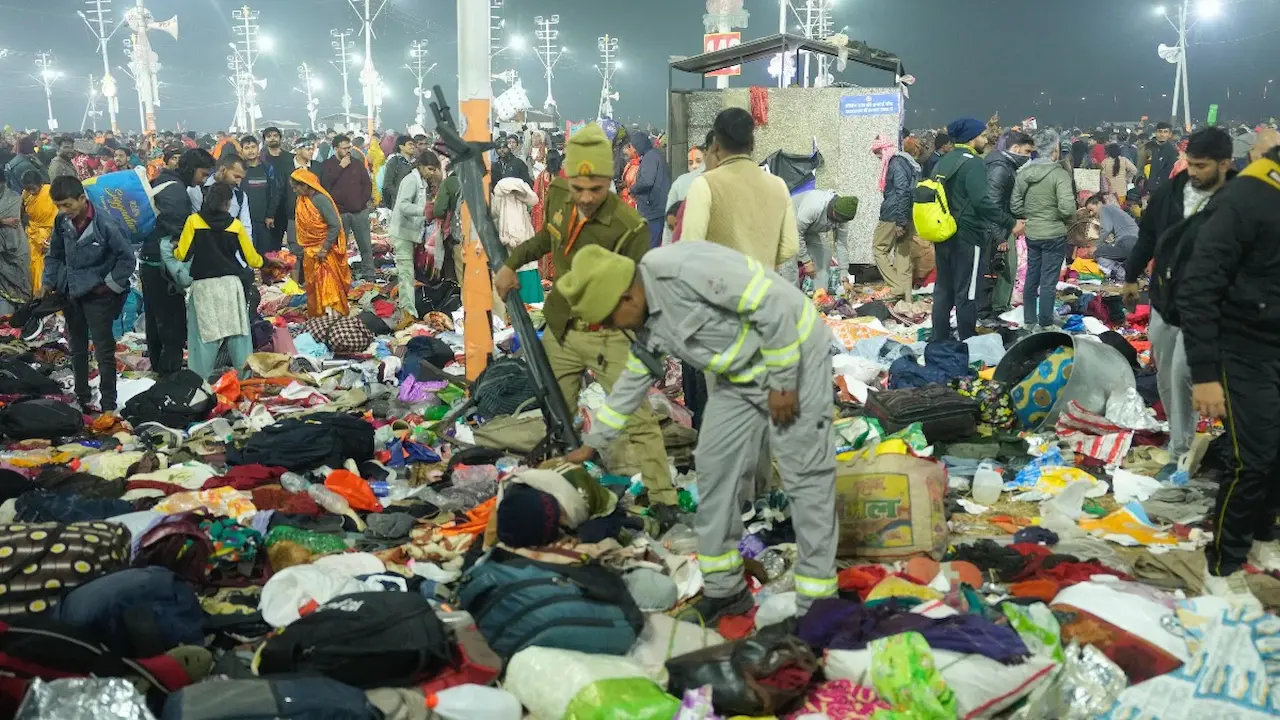
Image: Reuters/Sharafat Ali

The words of my Guru Maharaj echo a profound truth—“If the Bhajans of saints cannot bring welfare to the people, then what is the use of those Bhajans?” This statement compels us to reflect on the recent tragic events at the Maha Kumbh Mela, where lakhs of saints, Mahatmas, Mahamandaleshwars, and revered spiritual leaders congregated, embodying divinity in the eyes of the masses. Devotees bowed before them, placing their unwavering faith in their spiritual presence, believing that their mere existence was a shield of divine protection. Yet, despite their collective prayers, Sadhana, and spiritual authority, they could not prevent the merciless crushing of innocent lives in a devastating stampede.

If their spiritual energy, their Bhajans, and their immense power could not avert such a catastrophe, then what role did they truly serve during this horrifying incident? Was their presence merely symbolic, an ornamental display of spiritual leadership that failed when the people needed them the most? If they are indeed just ordinary human beings, then why are they exalted and glorified to such an extent? And if they are truly divine figures, then where was their divine intervention when chaos engulfed the sacred grounds?

It is convenient to dismiss this tragedy as “the result of karma” or “the law of destiny,” absolving all responsibility in the name of fate. But is that the true essence of sainthood? Is the role of saints confined to rituals within the boundaries of their ashrams and akhadas, while the suffering of the common man remains an external matter? Shouldn’t those who are regarded as supreme spiritual figures step forward, console the grieving, and offer tangible support to the affected families instead of leaving them at the mercy of an inefficient administration? The very presence of these saints should have been a beacon of solace and guidance in the wake of such an ordeal, yet their inaction raises unsettling questions about the true meaning of their spiritual leadership. Instead, it was the nameless monks, those without grand titles or exalted positions, who tore their own robes and shared their meager food with the afflicted. These monks demonstrated a spirit of selflessness that put the so-called supreme saints to shame.

However, the burden of responsibility does not rest solely on the shoulders of the saints. The government, which had months to prepare for this colossal gathering, failed miserably in executing an efficient crowd management plan. Indian authorities have now ordered a probe into the stampede at the Maha Kumbh Mela, which claimed dozens of lives on Mauni Amavasya as millions of devotees converged for a “holy dip” in the sacred waters. The disaster unfolded in the pre-dawn hours, with an overwhelming surge of pilgrims eager to bathe at the auspicious hour. The magnitude of the gathering was evident from the fact that by 2 AM, the Sangam nose was teeming with people to the point where there was no space for those who had already completed their rituals to exit.

Despite a well-documented history of stampedes at major religious gatherings, the authorities once again proved their inefficiency. The tragic stampede occurred precisely when the religious fervor was at its peak, between 2 AM and 2:30 AM, as an unprecedented number of devotees pushed forward in an attempt to reach the water. The administration, unprepared for such an overwhelming crowd, failed to implement a controlled, phased entry and exit system. Ambulances were hurriedly dispatched, ferrying the injured and deceased to the Central Hospital at Mahakumbh Nagar. According to eyewitnesses, one of the primary causes of the disaster was the failure of barricades, which were meant to regulate the crowd but collapsed under pressure. The tragic irony is that while arrangements were in place to facilitate VIP movement, no robust measures were prioritised to protect the common devotees.

The response from the Yogi-led Uttar Pradesh government has been lackluster at best. After facing massive backlash, the administration belatedly announced restrictions on VIP movement during major bathing days. Moving forward, VIPs and VVIPs visiting Prayagraj for significant occasions such as Vasant Panchami, Magh Purnima, and Mahashivratri would no longer receive special privileges. While this reactionary measure might seem like a corrective step, it does nothing to address the fundamental issue of administrative negligence that led to the deaths of innocent pilgrims.

As if one tragedy was not enough, another disaster followed. In a separate incident, at least 15 tents were reduced to ashes in a fire that broke out near Chamanganj Chowki outside Sector 22 in the Maha Kumbh Mela area. Officials have claimed that there were no casualties, but this marks the third fire-related incident in the span of a few weeks. The first occurred on January 19 near a railway bridge in Sector 19, and the second on January 20 at a tent in Sector 5. The sheer frequency of such accidents at an event of this magnitude is alarming and raises questions about fire safety measures, emergency preparedness, and the overall governance of the festival.

In an attempt to pacify public outrage, the Uttar Pradesh government announced a financial compensation of ₹25 lakh for the families of the deceased. Chief Minister Yogi Adityanath also ordered a judicial inquiry, promising that a committee would submit a report within a stipulated time frame. However, the reality is that such inquiries are often nothing more than bureaucratic exercises aimed at damage control. The government, instead of taking full accountability for the lapses in crowd management, fire safety, and medical preparedness, has sought to wash its hands of the incident by offering financial compensation and forming committees that rarely result in real reform.

The Maha Kumbh Mela is not merely a festival; it is a confluence of faith, a sacred occasion where millions seek divine blessings. But when faith turns into tragedy due to mismanagement, negligence, and misplaced priorities, both spiritual and governmental authorities must be held accountable. Saints cannot hide behind the veil of divinity without stepping up when their devotees are in distress. Likewise, the government cannot continue to prioritize optics over safety while innocent lives are lost in the chaos. If we do not demand accountability now, then how many more tragedies will it take before real action is taken?
Tragic Crash in Punjab: 8 Killed, Several Injured as Pick-Up Van Collides with Truck

tragic, road accident, Guruharsahai, punjab, pick-up van
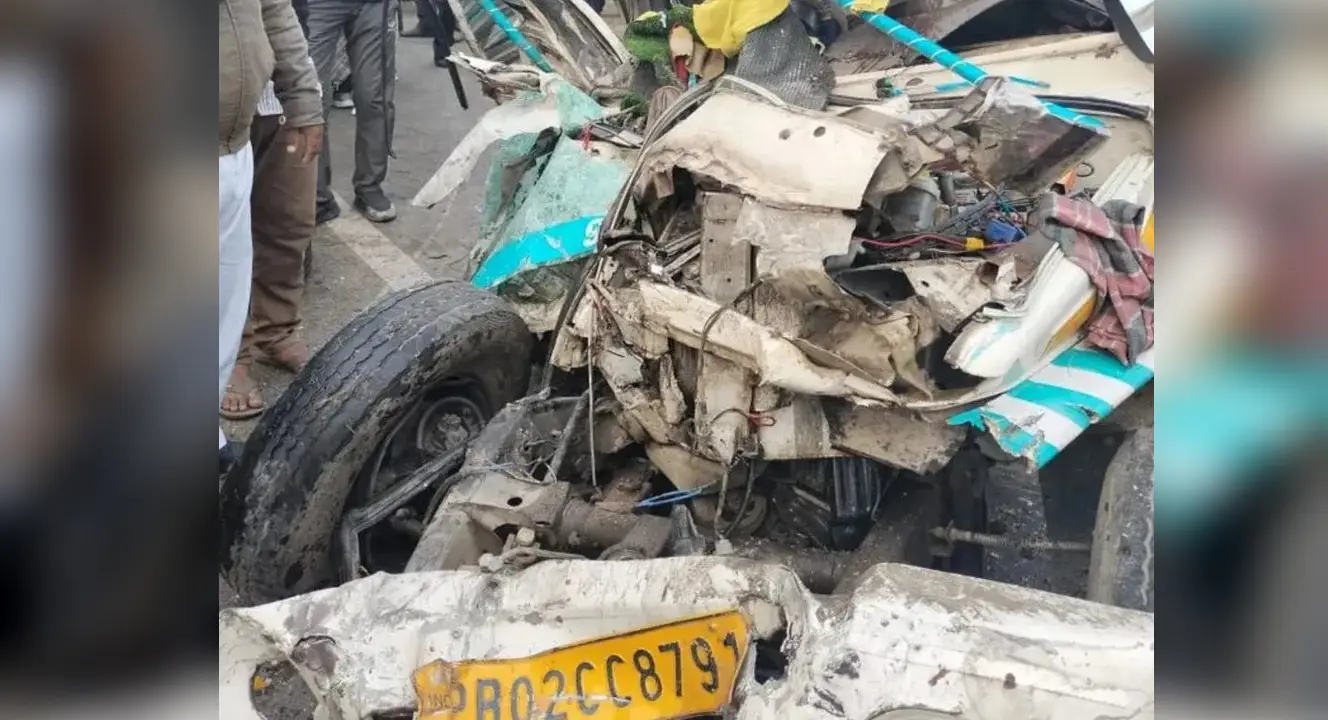
Tragic Crash in Punjab: 8 Killed, Several Injured as Pick-Up Van Collides with Truck 3

A devastating road accident in Punjab’s Guruharsahai on Friday claimed the lives of eight people and left several others injured when a pickup van collided with a canter truck, police confirmed.

The accident occurred near Golu ka Mour village in the Guruharsahai sub-division. Deputy Superintendent of Police Satnam Singh stated that as soon as the incident was reported, teams from the Sadak Suraksha Force (SSF) were deployed for a rescue operation.

The injured were immediately transported to nearby hospitals in Guruharsahai and Jalalabad, while those in critical condition were referred to Guru Gobind Singh Medical College in Faridkot for advanced medical care.

Authorities are investigating the cause of the crash as the state continues to witness rising road accidents due to speeding and reckless driving.

PM Modi’s Dig at Opposition: No Foreign Interference Before Parliament Session for the First Time Since 2014

pm modi, modi, budget session, parliament, parliament session
PM Modi's Dig at Opposition: No Foreign Interference Before Parliament Session for the First Time Since 2014 5

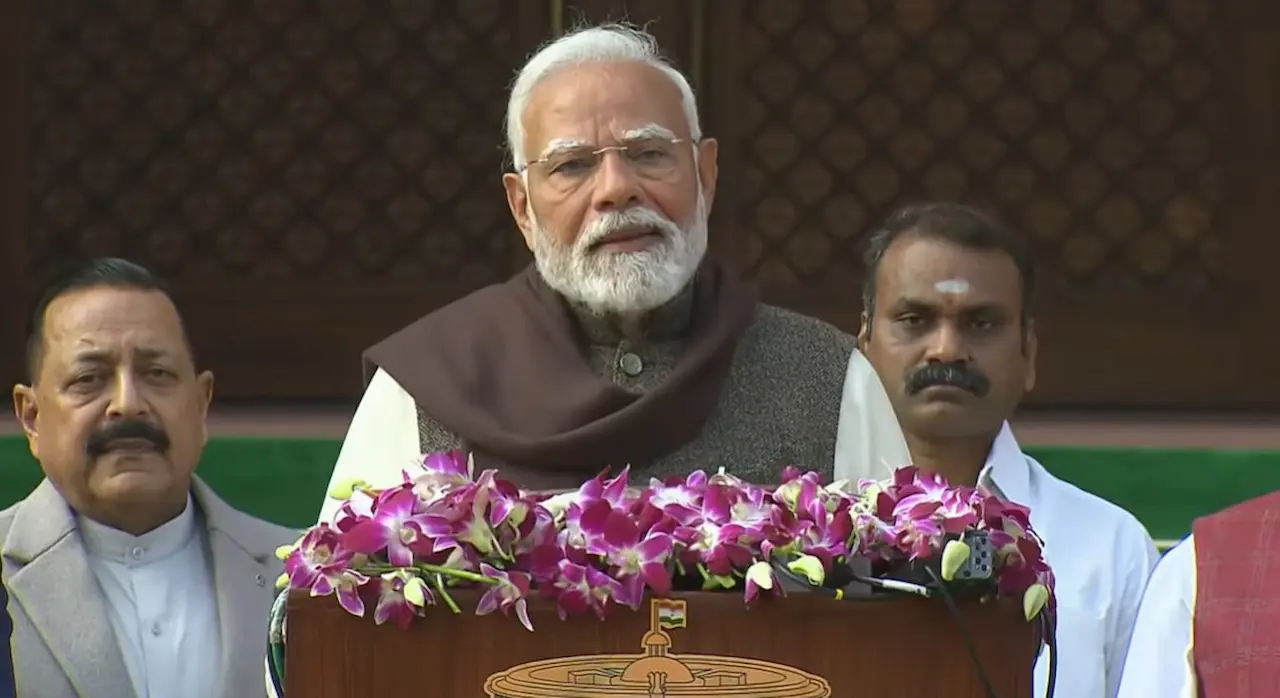
Ahead of the Parliament Budget session, Prime Minister Narendra Modi on Friday claimed that, for the first time since 2014, there has been no foreign attempt to incite unrest in India before a parliamentary session.

“This is probably the first Parliament session since 2014 when attempts to stoke fire from abroad have not been made. Since 2014, I have observed that just before every session, efforts were made to create trouble. And there is no shortage of people here who are willing to fuel such mischief,” Modi said, in an apparent attack on opposition parties.

With his government set to present its first full-fledged Budget in its third term on Saturday, Modi said he prayed to Goddess Lakshmi to bless the poor and middle class. He expressed confidence that this session will inject new energy and confidence into achieving the goal of ‘Viksit Bharat’ by 2047.

Highlighting his government’s approach, Modi emphasized that its third term is focused on mission-mode development, driven by innovation, inclusion, and investment. He added that the session will witness key decisions aimed at empowering women, ensuring equal rights, and eliminating sectarian or faith-based discrimination.

PM Modi also urged all MPs, especially the young legislators, to contribute actively to discussions, reinforcing the vision of a developed India.

Guillain-Barre Syndrome Cases Surge in Maharashtra; Two Suspected Deaths, Govt on Alert

Guillain Barre Syndrome, outbreak, dieases, maharashtra, maharashtra outbreak
Guillain-Barre Syndrome Cases Surge in Maharashtra; Two Suspected Deaths, Govt on Alert 7

The number of suspected cases of Guillain-Barre Syndrome (GBS), a rare but serious nerve disorder, has risen to 130 in Pune and other districts of Maharashtra, health department officials confirmed. So far, two suspected deaths have been reported—a 56-year-old woman from Pune and a man from Solapur district.

Authorities reported three new suspected infections on Wednesday, further raising concerns about the outbreak. Of the 130 suspected cases, 73 have been confirmed as GBS. Among them, 25 patients are from Pune Municipal Corporation (PMC) areas, 74 from newly-added villages under PMC, 13 from Pimpri-Chinchwad, and nine each from Pune rural and other districts.

Taking stock of the situation, Deputy Chief Minister Ajit Pawar, who also serves as Pune district guardian minister, held a District Planning Committee meeting on Thursday. He directed civic and health officials to take strict action against hospitals that are overcharging GBS patients. Pawar also emphasized the urgent need for an adequate supply of essential drugs to treat the condition, which causes sudden numbness, muscle weakness, and severe limb fatigue.

Preliminary investigations suggest the GBS outbreak in Pune and surrounding areas is likely linked to contaminated water sources. Health experts suspect that Campylobacter jejuni, a bacterium commonly found in contaminated food and water, could be responsible for the sharp rise in cases. The government has urged residents to take precautionary measures, including drinking boiled or purified water and maintaining strict hygiene practices to curb the spread of the disease.

Maratha Agitation Intensifies: Jarange Ends Fast, Warns of Mumbai Shutdown if Demands Are Ignored

manoj jarange, jarange, maratha agitation, maratha, fast ends, fast
Maratha Agitation Intensifies: Jarange Ends Fast, Warns of Mumbai Shutdown if Demands Are Ignored 9

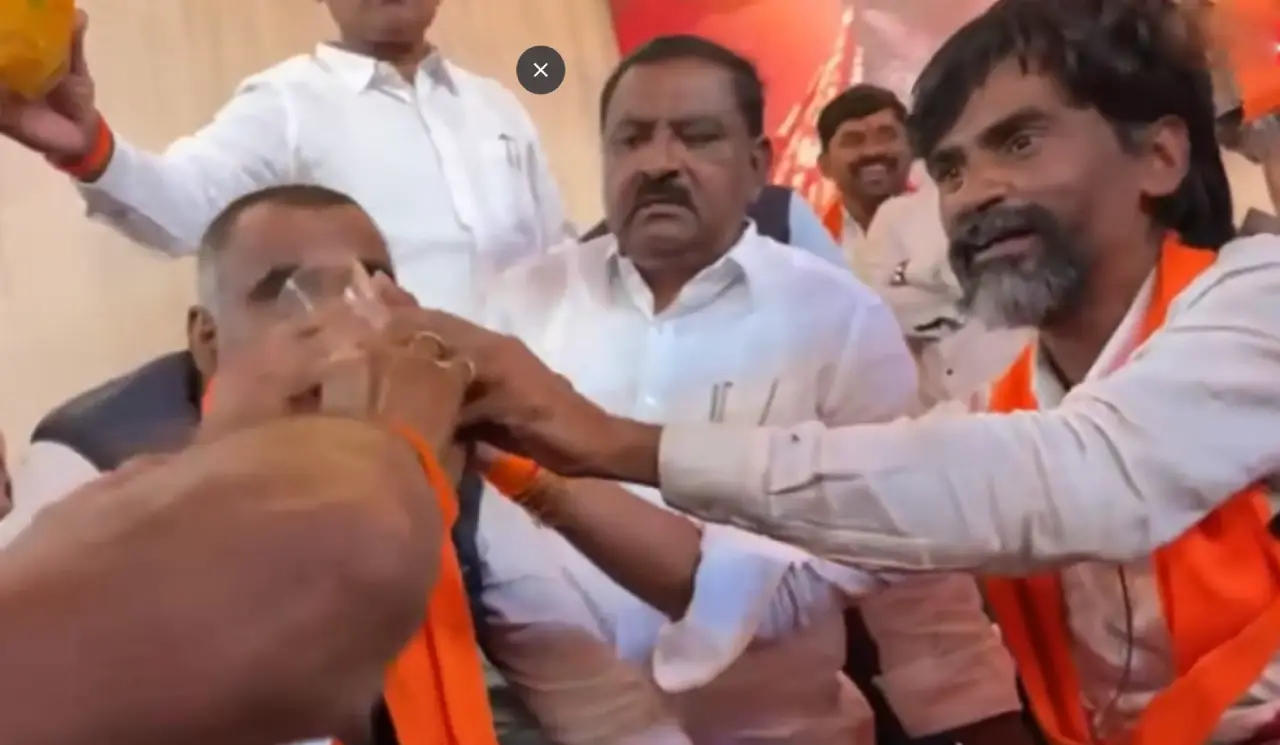
Maratha activist Manoj Jarange on Thursday ended his five-day indefinite fast, claiming that the Maharashtra government has agreed to fulfill several of his demands. However, he issued a stern warning that if promises are not met, thousands from the Maratha community will march to Mumbai, potentially bringing the city to a standstill.

Jarange, who has been leading the Maratha reservation movement, broke his hunger strike at Antarwali Sarati village in Jalna district in the presence of BJP MLA Suresh Dhas and District Collector Dr. Shrikrishna Panchal. He stated that government representatives had assured him of key concessions, including the reactivation of the Shinde Committee, which is tasked with facilitating OBC (Kunbi) certificates for Marathas.

According to Jarange, the government has also promised to:
✅ Withdraw all cases filed against Maratha protesters.
✅ Set up separate sections to issue ‘Kunbi’ caste certificates to eligible Marathas.
✅ Implement Economically Backward Section (EWS) benefits for the community.
✅ Provide compensation to families of those who lost their lives during the quota agitation.

However, he noted that the government has sought additional time to implement the draft notification recognizing Kunbis as ‘sage soyare’ (blood relatives) of Marathas, a move crucial for granting them reservation under the OBC category.

The Shinde Committee, established on September 7, 2023, is responsible for determining a framework to issue OBC certificates to Marathas and collecting historical evidence linking them to the Kunbi caste.

Throughout the five-day protest, hundreds of Maratha supporters joined Jarange in fasting, with several requiring hospitalization due to deteriorating health. Even Jarange himself had to be administered intravenous fluids on Wednesday at the request of MLA Dhas.

Despite ending his fast, Jarange made it clear that the struggle is far from over. “I have only paused my hunger strike, not our movement. If our demands are not met, we will march to Mumbai, and the city will come to a standstill—but without any violence,” he declared.

In a direct message to Deputy Chief Minister Devendra Fadnavis, Jarange urged the government to honor its commitments. “Don’t deceive the Marathas, or we will head to Mumbai,” he warned.

This marks Jarange’s seventh indefinite fast since September 1, 2023, when police used lathi-charge on protesters in Antarwali Sarati.

Meanwhile, the Maharashtra legislature had unanimously passed a bill in February 2024, granting 10% reservation for Marathas in education and government jobs under a separate category. However, activists argue that full implementation of their demands is still pending.

Maha Kumbh Tragedy Sparks Crackdown: Yogi Govt Cancels VVIP Passes, Declares No-Vehicle Zone

maha kumbh, mahakumbh, horse police, yogi government, yogi
Maha Kumbh Tragedy Sparks Crackdown: Yogi Govt Cancels VVIP Passes, Declares No-Vehicle Zone 11

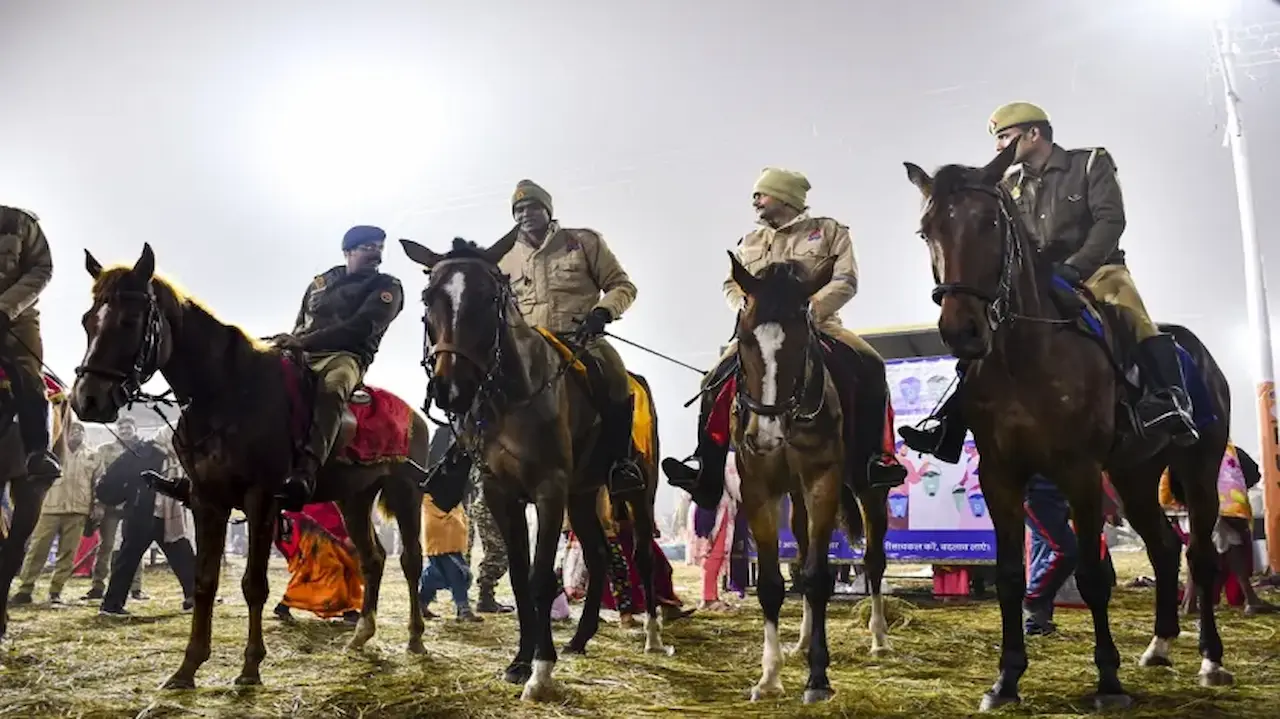
In response to the devastating stampede at the Sangam during Maha Kumbh, which claimed 30 lives and left over 60 injured, the Yogi Adityanath government has implemented stringent measures to prevent further chaos. The entire Maha Kumbh Mela area has now been declared a No-Vehicle Zone, with VVIP passes revoked to control the surging crowds ahead of the next major snan on Basant Panchami, February 3rd.

The tragic incident occurred in the early hours of Wednesday, when an overwhelming rush of pilgrims broke through barricades to take a holy dip on Mauni Amavasya, one of the most sacred days of the Kumbh Mela. In an emergency meeting, CM Yogi directed officials to enhance crowd control, regulate traffic, and improve inter-department coordination. To reinforce the arrangements, the administration has reinstated senior officers Ashish Goyal and Bhanu Goswami, both of whom played key roles in managing Kumbh 2019.

Five Major Changes Implemented:

  • No-Vehicle Zone: All vehicles are strictly prohibited inside the Maha Kumbh area to prevent overcrowding.
  • No VVIP Passes: The government has cancelled all VVIP privileges, ensuring no special vehicle access inside the fairgrounds.
  • One-Way Traffic System: A strict one-way traffic system has been enforced to streamline crowd movement and avoid stampedes.
  • Vehicles Stopped at Prayagraj Borders: Four-wheelers from neighboring districts are being halted at city borders to reduce congestion.
  • Deployment of Kumbh 2019 Experts: Experienced officers Ashish Goyal and Bhanu Goswami have been brought in to strengthen on-ground management.

To maintain order, four-wheelers have been completely banned from entering Prayagraj until further notice.

High-Level Review Ordered

CM Yogi has directed the Chief Secretary and DGP to conduct a comprehensive review of the Maha Kumbh arrangements on Thursday. The ADG and Prayagraj District Magistrate have been tasked with ensuring a smooth and safe exit for devotees from the mela grounds. Additionally, five Special Secretary-level officers have been appointed to monitor operations round-the-clock.

Government’s Appeal to Devotees

The Yogi government has urged pilgrims to follow administrative guidelines to ensure a safe and hassle-free Maha Kumbh. With millions of devotees still arriving, authorities remain on high alert to prevent any further tragedies.

The Corruption of Renunciation: Mamta Kulkarni’s Dubious Transformation

mamta kulkarni, maha kumbh, kumbh, mahamandleshwar, mamata kulkarni
The Corruption of Renunciation: Mamta Kulkarni's Dubious Transformation 13

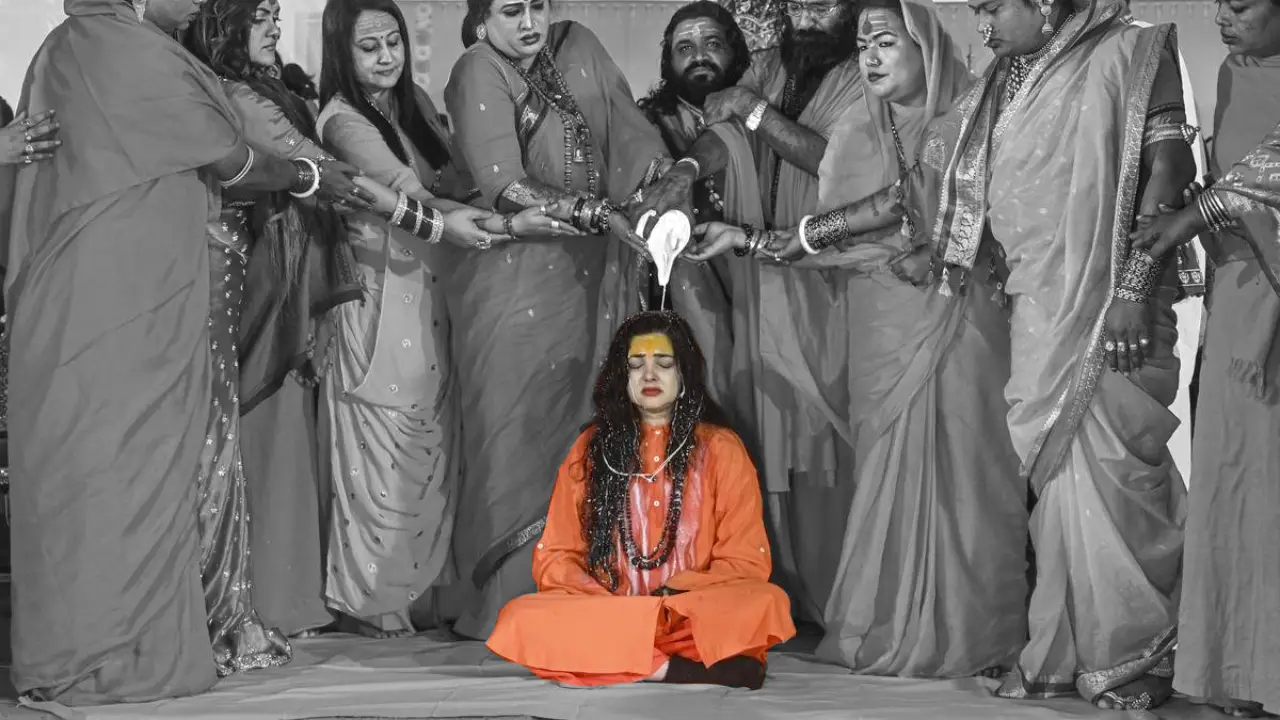
The spiritual fabric of Sanatana Dharma, steeped in rigorous discipline, unwavering commitment, and profound renunciation, faces yet another challenge as commercial theatrics masquerade as asceticism. The recent anointment of Mamta Kulkarni—once a Bollywood starlet entangled in underworld associations and drug syndicates—as a Mahamandaleshwar of the Kinnar Akhada is nothing short of an affront to the sacred traditions of renunciation. Mamta Kulkarni, whose notoriety far outweighs any credible spiritual contributions, abruptly declared her sanyasa at the Maha Kumbh 2025, performing her own Pind Daan and proclaiming herself a renunciate. The glaring question that arises is—can one truly become a monk overnight? The essence of monastic life is not an impulsive refuge but a deliberate, lifelong journey rooted in deep study, rigorous discipline, and selfless service.

The credibility of Kulkarni’s renunciation is questionable at best. Here is a woman who, for decades, epitomised material excess, controversy, and illicit ties. Her alleged romantic involvement with underworld don Chhota Rajan and her later association with Vicky Goswami—a convicted drug kingpin—paint a picture far removed from the moral integrity expected of a saintly figure. The 2016 Rs 2000 crore drug scandal, in which Kulkarni was named a fugitive, casts an indelible stain on her credibility. In 1998, her purported relationship with Chhota Rajan stirred intense media scrutiny, culminating in threats against filmmakers and an alleged forced reinstatement in Rajkumar Santoshi’s China Gate. Her downward spiral led her deeper into the abyss of crime, culminating in her alleged role in Goswami’s narcotics empire. Such a past, riddled with questionable associations and illicit dealings, raises significant doubts about her recent claims of spiritual awakening.

Self-realisation and liberation are fundamental rights, but the abuse of asceticism for personal refuge is a mockery of Sanatana Dharma. True renunciation demands the abandonment of material attachments, rigorous adherence to scriptural wisdom, and unwavering devotion to selfless service. Kulkarni, by all accounts, lacks the foundational knowledge of Hindu scriptures, the discipline of Vedic studies, and the lived experience of a true monk. Her saffron robes, rather than signifying a sacred vow, seem to be a calculated escape from the shadows of her past. What is even more disheartening is the dubious legitimacy of her initiation. The very individual who bestowed her sanyasa, Laxmi Narayan Tripathi, continues to lead a life steeped in worldly engagements, luxury, and public spectacles. The glaring inconsistency of this act further diminishes the sanctity of the path of renunciation. If the guru has not relinquished materialism, how can the disciple be expected to embody true detachment?

Yoga Guru Baba Ramdev was among the few vocal critics, condemning Kulkarni’s instant anointment as Mahamandaleshwar. He rightfully emphasised that sainthood is not a title to be acquired overnight but a station reached through decades of unwavering discipline and sacrifice. His concerns extend beyond Kulkarni’s case; they address a growing, disturbing trend—the dilution of the sacred into mere theatrics. The instant elevation of individuals with checkered pasts into revered monastic positions erodes the spiritual and moral fabric of the ascetic tradition. The dangers of such unwarranted sainthood are manifold. Firstly, it discredits the genuine monks and saints who have dedicated their lives to the arduous path of self-realisation. Secondly, it sends a misleading message to society, where renunciation becomes a spectacle rather than a sacred pursuit. Lastly, it opens doors for individuals to misuse religious institutions as safe havens for personal interests rather than as centres of spiritual enlightenment.

Sanatana Dharma is not a costume to be donned at convenience, nor is it a refuge for those seeking an escape from their past misdeeds. The path of renunciation is not a means of evasion but an act of utmost self-discipline, requiring one to transcend worldly attachments and not merely hide behind them. The case of Mamta Kulkarni is a stark reminder of the urgent need for stricter adherence to monastic traditions, ensuring that ascetic titles remain reserved for those who have genuinely walked the path of spiritual realisation. It is imperative that Hindu religious institutions exercise greater vigilance and accountability in their appointments. Saffron robes must be worn with reverence, not as a disguise. Let us not allow the sacred traditions of Sanatana Dharma to be reduced to a farcical charade of opportunism. The time has come for introspection and corrective action to preserve the integrity of spiritual renunciation.

Waqf Amendment Bill Sparks Uproar: BJP Pushes Reform, Opposition Cries Foul

waqf, waqf amendment bill, jpc, bill approved
Waqf Amendment Bill Sparks Uproar: BJP Pushes Reform, Opposition Cries Foul 15

A parliamentary panel on Wednesday approved the Waqf (Amendment) Bill, 2024, by a 15-11 majority vote, incorporating changes proposed by ruling BJP members. The move has triggered fierce opposition, with critics alleging an attempt to weaken Waqf boards and interfere in the religious affairs of the Muslim community.

Chaired by BJP MP Jagdambika Pal, the Joint Committee of Parliament (JPC) finalized the report, dismissing amendments suggested by Congress, DMK, TMC, AAP, Shiv Sena-UBT, and AIMIM members. The opposition has submitted dissent notes, condemning the bill as a direct assault on the constitutional rights of Muslims.

BJP members defended the bill, arguing it promotes modernity, transparency, and accountability in managing Waqf properties. However, opposition leaders, including Congress MP Imran Masood and AIMIM leader Asaduddin Owaisi, slammed the provision allowing non-Muslims to be appointed to Waqf boards, calling it a violation of Article 26, which guarantees religious institutions the right to self-governance.

“This is a clear attempt to dismantle Waqf boards. Hindu, Sikh, and Christian religious boards do not have members from other communities, so why impose this rule only on Muslims?” Masood questioned. Owaisi further warned that the amendment could lead to government takeovers of evacuee properties and endanger Muslim religious sites.

The committee adopted 14 amendments, all proposed by BJP members. Among the key provisions, the revised bill mandates Muslim OBC representation in state Waqf boards and allows for separate boards for Aghakhani and Bohra communities. It also includes provisions to safeguard women’s inheritance rights in Waqf Alal Aulad and directs income from such Waqfs toward widows, divorced women, and orphans if specified by the waqif (creator of the Waqf).

Trinamool Congress MP Kalyan Banerjee called the committee’s recommendations “wholly perverse,” while DMK’s A Raja criticized the rushed circulation of the draft report, giving members little time for review.

The bill eliminates the “Waqf by user” clause from the 1995 Act but states that past cases will not be reopened unless the properties are in dispute or belong to the government. It also strips district collectors of the authority to investigate disputes involving Waqf properties, instead granting that power to senior state-appointed officers.

Following 38 meetings and consultations across multiple states, the committee is set to submit its report to Lok Sabha Speaker Om Birla before tabling it in Parliament during the upcoming Budget Session. With the government determined to push through the reforms and the opposition ready for a showdown, the bill is expected to trigger intense debates in both Houses.

Three Held With Rs 5.9 Lakh Ganja in Thane

handcuffed, supreme court, sc, american man, rs 25 lakh fine, contumacious conduct
Three Held With Rs 5.9 Lakh Ganja in Thane 17

Police have seized nearly 30 kg of ganja valued at Rs 5.97 lakh during a special drive against the drug menace in Maharashtra’s Thane district and arrested three persons in this connection, officials said.

On Monday, the police spotted a person hiding near the railway tracks at Ayregaon in Kalyan town.

During checking, 7.06 kg of ganja valued at Rs 1.4 lakh was recovered from his possession, Deputy Commissioner of Police (Zone III Kalyan) Atul Zende told reporters on Tuesday.

The police subsequently arrested the man, identified as Kiran Shah (42), a driver by profession, he said.

On Tuesday, a police team again spotted two persons moving in a suspicious manner near a temple at Chole Gaon and seized from them 22.88 kg of ganja valued at Rs 4.57 lakh, the official said.

The two persons, identified as Sachin More (21) and Sanju Luhar (24), both hailing from Rajasthan, were arrested, he said.

The three accused have been booked under provisions of the Narcotic Drugs and Psychotropic Substances (NDPS) Act, the official said.  

Minor Girl Found Alone at Ghansoli Railway Station in Navi Mumbai; Probe Indicates Rape

crime, rape, harassment, women, ballia, uttar pradesh
Minor Girl Found Alone at Ghansoli Railway Station in Navi Mumbai; Probe Indicates Rape 19

A 12-year-old girl was found abandoned at a railway station in Maharashtra’s Navi Mumbai township and a probe later indicated that she was raped, police said on Wednesday.

The Vashi Government Railway Police (GRP) have registered a case in this connection and search is on for the culprits and her family, they said. The girl was found alone on a platform at Ghansoli railway station in Navi Mumbai on Monday.

The police personnel on patrolling duty enquired with her, but she could not tell her name or give any other information about herself or her family, senior police inspector Rajesh Shinde told PTI.

The girl was then taken for a medical test which indicated she had been raped, he said, adding the minor could not provide any information about the offence.

A case has been registered against unidentified persons under sections 65(1) (rape), 115(2) (voluntarily causing hurt) and 3(5) (criminal act done by several persons in furtherance of common intention of all).

Efforts were on to identify the victim, her family and to nab the culprits, the official said.