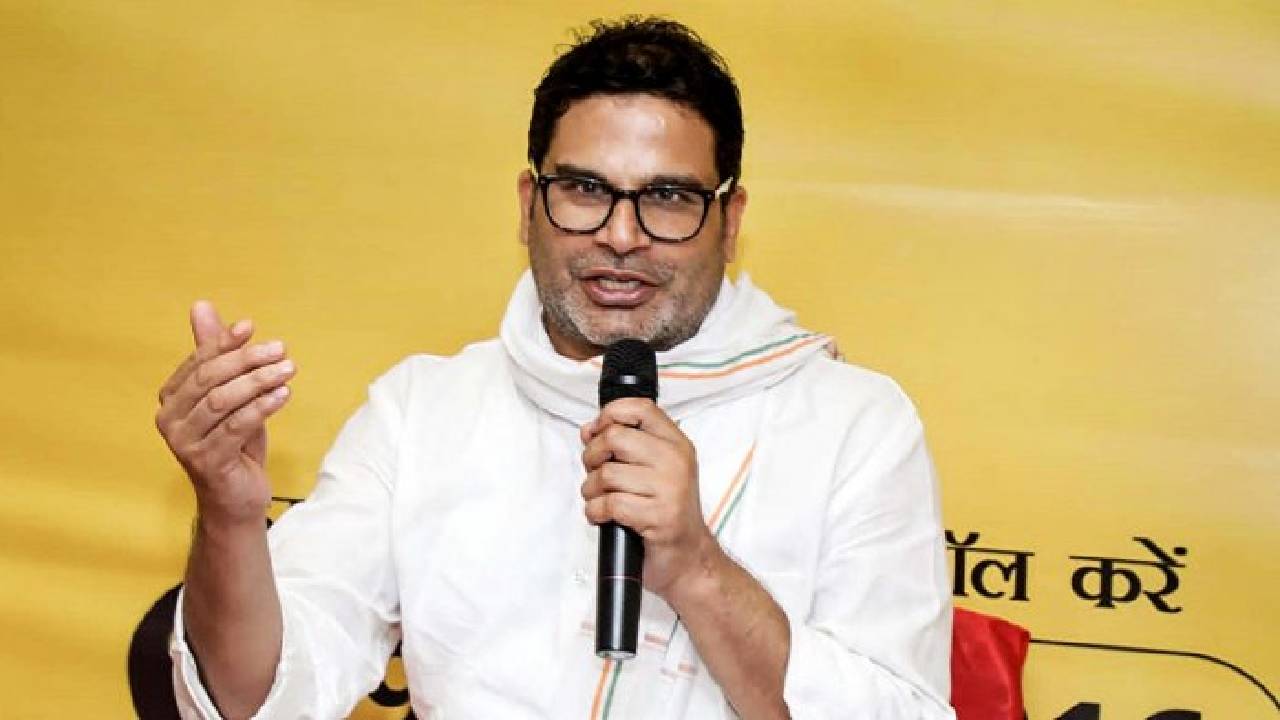
Jan Suraaj Party founder Prashant Kishor on Friday met the family of an 18-year-old NEET aspirant who died in Patna earlier this week and demanded a re-investigation into the circumstances surrounding her death, questioning the initial police findings.
Hours after Kishor raised concerns, Bihar Director General of Police Vinay Kumar ordered the formation of a Special Investigation Team (SIT) to probe the case.
After meeting the bereaved family, Kishor said the police appeared to have acted in haste by initially declaring the death a suicide. “The police first rushed to label it as suicide. Now they are saying sexual assault cannot be ruled out. This case must be re-investigated so that the family gets justice,” he told reporters. He also demanded that the role of officers who prematurely concluded it was a suicide be examined and strict action taken if lapses were found.
The student, who was preparing for the National Eligibility cum Entrance Test (NEET), was found unconscious in her hostel room in Patna’s Chitragupt Nagar earlier this month, where she was staying to attend coaching classes. She died at a private hospital on January 11 after remaining in a coma for several days. Her family has alleged that she was sexually assaulted and accused authorities of attempting a cover-up.
The death triggered large-scale protests in Patna, following which police arrested the owner of the girls’ hostel. A post-mortem report later stated that the student died after consuming a large quantity of sleeping pills and that she was also suffering from typhoid. After the report went viral on social media, protests intensified, with critics pointing to alleged contradictions in medical findings.
Kishor further claimed that the family told him an investigating officer had suggested they “strike a deal” and let the matter go. “This is highly objectionable. I will help the family approach senior officers and ensure the culprits are brought to book,” he said.
Later in the evening, the DGP announced that the SIT would be headed by the Patna SP (City) and would include women deputy superintendents of police and inspectors. The Inspector General of Police of the Central Zone has been directed to supervise the probe on a daily basis.
Earlier, Patna SSP Kartikeya Sharma said the scope of the investigation had been widened. He acknowledged contradictions between the post-mortem findings and earlier medical reports and said all documents had been referred to AIIMS Patna for expert opinion. “The investigation is being carried out based on the latest post-mortem report, and all those involved will be arrested soon,” he said.
BJP Sweeps Pune, Pimpri-Chinchwad Civic Polls, Holds Ground Against United NCP 3
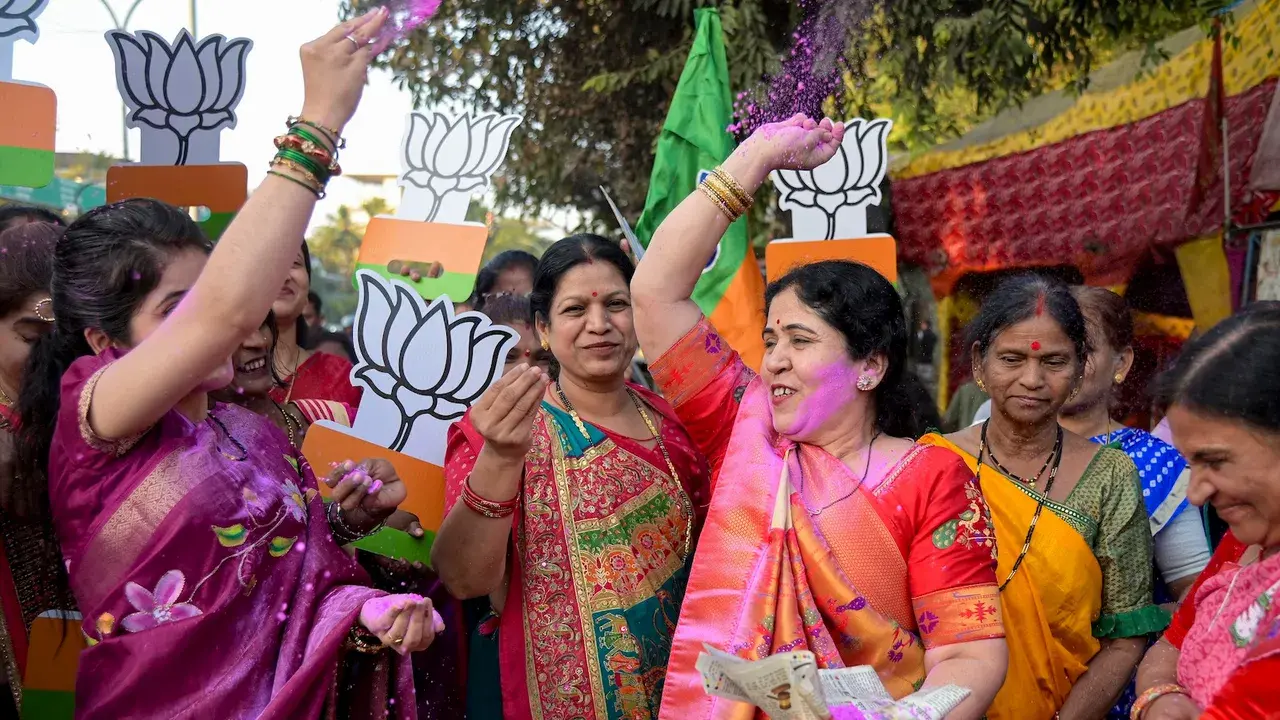
The Bharatiya Janata Party on Friday retained power in the Pune and Pimpri-Chinchwad municipal corporations, defeating a united challenge from the Ajit Pawar-led Nationalist Congress Party and the Nationalist Congress Party (Sharad Pawar) in a decisive outcome in the civic polls.
The BJP also registered victories across western Maharashtra, including Kolhapur, Sangli, Solapur and Satara districts, consolidating its urban footprint in the region.
In Pune, results for 135 of the 165 seats were declared by late evening. The BJP secured a commanding 95 seats, while the Indian National Congress won 15, the Ajit Pawar-led NCP 20, and the NCP (SP) two seats. In the neighbouring industrial hub of Pimpri-Chinchwad, the BJP retained control by winning 84 of the 127 seats, with the Ajit Pawar-led NCP finishing second with 36.
During the campaign, Ajit Pawar mounted a sharp attack on his state-level ally, the BJP, accusing its local leadership of stalled development and corruption in both civic bodies over the past nine years. His party’s reduced strength in Pune is expected to weaken his leverage within the BJP-led Mahayuti alliance.
Seeking to counter the BJP’s growing dominance, Ajit Pawar had aligned with the NCP (SP), more than two years after splitting from his uncle Sharad Pawar. In Pune, he directly targeted Union Minister and city MP Murlidhar Mohol, while in Pimpri-Chinchwad he accused BJP MLA Mahesh Landge of corruption in the civic administration.
Reacting to the results, Mohol said the BJP fought the elections on a development agenda and thanked voters for renewing their trust in the party. Ajit Pawar, in a post on X, said he accepted the verdict with humility, adding that the people’s mandate was supreme.
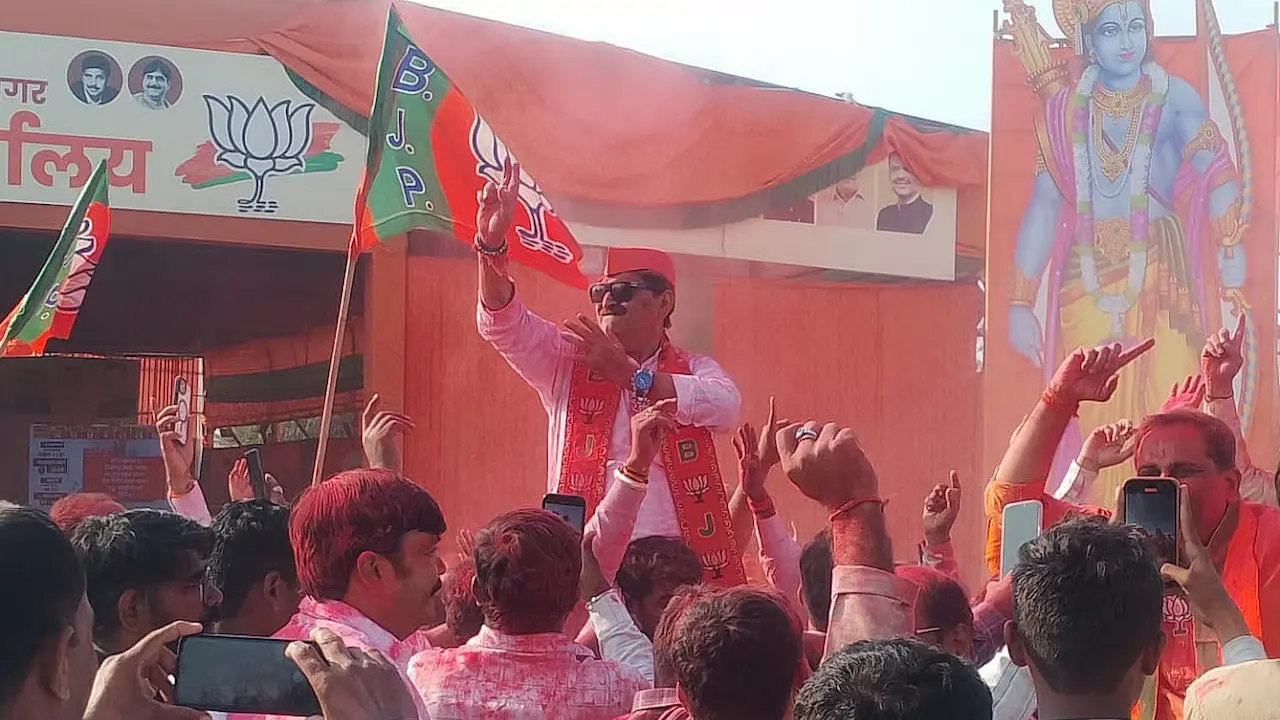
The Bharatiya Janata Party emerged as the single largest party in the Chhatrapati Sambhajinagar Municipal Corporation elections on Friday, winning 57 of the 115 seats in the civic body.
The All India Majlis-e-Ittehadul Muslimeen finished second with 33 seats, consolidating its position as a major force in the city’s municipal politics.
The BJP secured 57 victories from the 93 seats it contested. Its Mahayuti ally, the Shiv Sena, contested 96 seats but managed to win only 13. The two allies chose to contest the elections independently.
The Shiv Sena (UBT) won six seats, while the Vanchit Bahujan Aghadi secured four. The Indian National Congress and the Nationalist Congress Party (Sharad Pawar) managed to win one seat each.
The results mark a significant shift from the 2015 civic elections, when the undivided Shiv Sena had won 29 of the 113 seats and the BJP had secured 22. The AIMIM, which had won 25 seats in the previous election, improved its tally this time.
The outcome underscores the BJP’s growing dominance in Chhatrapati Sambhajinagar while highlighting AIMIM’s expanding footprint in the city’s local governance landscape.
Iran Protest Crackdown Death Toll Crosses 2,500, Rights Group Reports 7
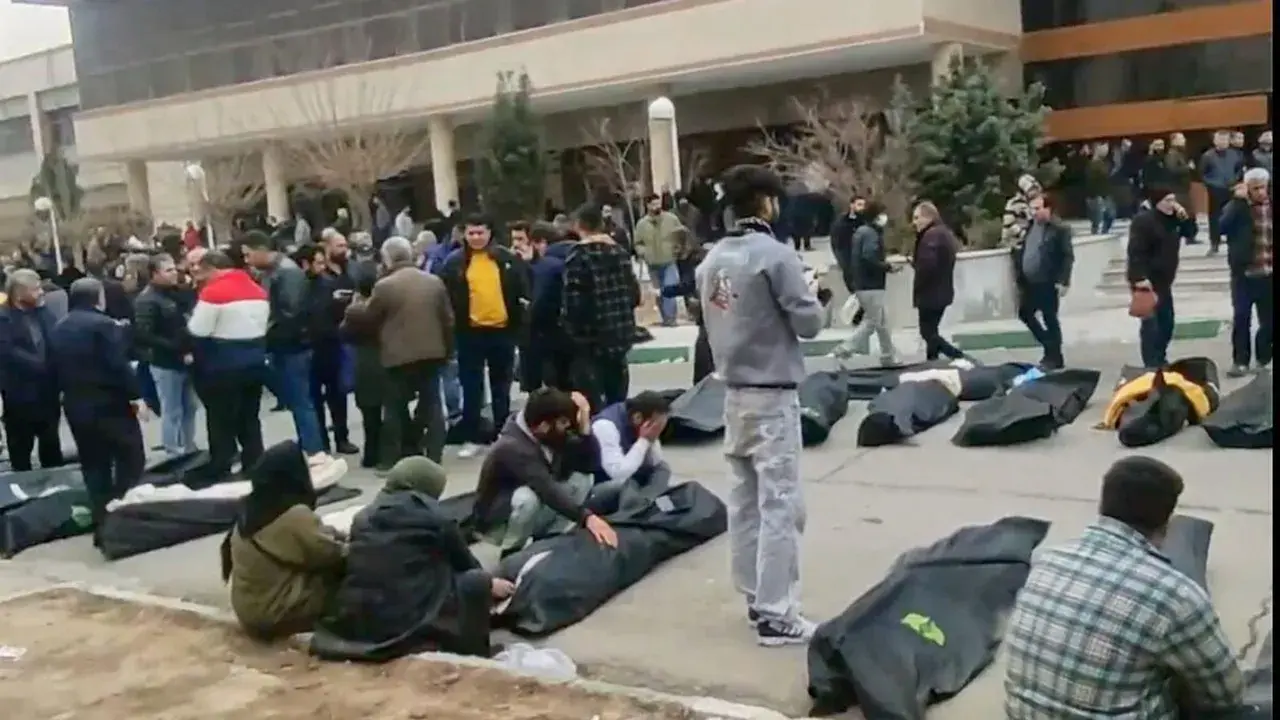
The death toll from Iran’s ongoing crackdown on anti-government protests has risen to at least 2,571, according to figures released early Wednesday by the US-based Human Rights Activists News Agency.
The rights group said that of the total deaths recorded so far, 2,403 were protesters, while 147 were government-affiliated individuals. The toll also includes 12 children and nine civilians who were reportedly not participating in the demonstrations. More than 18,100 people have been detained since the unrest began, the group added.
With internet services largely shut down across Iran, verifying developments on the ground has become increasingly difficult. International media outlets, including the Associated Press, said they have been unable to independently confirm the figures. Iranian authorities have not released any comprehensive data on casualties linked to the protests.
Activists said the scale of the deaths far exceeds that of any previous wave of unrest in Iran in recent decades, drawing comparisons with the turmoil surrounding the 1979 Islamic Revolution. Protests have continued despite the crackdown, even as access to information remains restricted and uncertainty surrounds the true extent of the violence.
Indore Water Crisis: Audit Flags 15 Deaths Linked to Diarrhoea Outbreak in Bhagirathpura 9
An audit report submitted to the district administration has indicated that at least 15 of the 21 deaths recorded in Bhagirathpura may be linked to the recent outbreak of vomiting and diarrhoea caused by contaminated drinking water in Indore, sources said on Tuesday.
Fresh cases continue to surface in the locality, with five new diarrhoea patients detected on Tuesday. A Madhya Pradesh health department official said all five patients reported to outpatient departments at local health centres and were treated.
Indore Chief Medical and Health Officer Dr Madhav Prasad Hasani said the outbreak, which began after contaminated water was supplied to the area on December 29, has so far led to the hospitalisation of 436 patients. Of these, 403 have been discharged after recovery, while 33 remain admitted, including eight patients undergoing treatment in intensive care units.
The local administration has officially confirmed six deaths due to vomiting and diarrhoea linked to contaminated water. However, residents of Bhagirathpura have claimed that the toll is much higher, alleging that at least 23 people, including a six-month-old child, have died since the outbreak.
The audit report was prepared by a committee of senior doctors from the government-run Mahatma Gandhi Memorial Medical College and submitted to the administration earlier this week. District Magistrate Shivam Verma confirmed the submission of the report but did not disclose detailed findings.
“Some deaths in Bhagirathpura appear to be linked to vomiting and diarrhoea caused by unclean drinking water, while others are not connected to the outbreak,” Verma said, adding that the committee could not determine the exact cause of death in certain cases.
He said the district administration has so far provided financial assistance of ₹2 lakh each to 18 affected families. “All the deaths in Bhagirathpura are tragic, irrespective of the cause. We are consoling the families and extending financial help,” Verma added.
The situation has put the spotlight on water safety in Indore, often cited as the country’s cleanest city, as authorities continue to monitor the health situation and work to prevent further contamination.
Elections to 12 Zilla Parishads and 125 Panchayat Samitis in Maharashtra will be held on February 5, with counting of votes scheduled for February 7, the State Election Commission announced on Tuesday.
The poll schedule was declared a day after the Supreme Court of India extended the January 31 deadline for completing the local body election process by two weeks. With the announcement, the Model Code of Conduct has come into force across the concerned districts.
Addressing a press conference, State Election Commission of Maharashtra Commissioner Dinesh Waghmare said polling would be conducted in 12 districts, covering their respective Zilla Parishads and 125 Panchayat Samitis, through around 25,482 polling stations. Voting will take place from 7.30 am to 5.30 pm on February 5.
The nomination process will begin on January 16, with papers being accepted till January 18. Scrutiny of nominations will be conducted on January 19, while January 21 has been fixed as the last date for withdrawal. Election symbols will be allotted on January 22, and the final list of candidates will be published the same day.
Waghmare said the voter list prepared by the Election Commission of India as on July 1, 2025, will be used for the elections. As per rules, voter lists have already been bifurcated for Zilla Parishad and Panchayat Samiti constituencies, and no additions or deletions can be made at this stage.
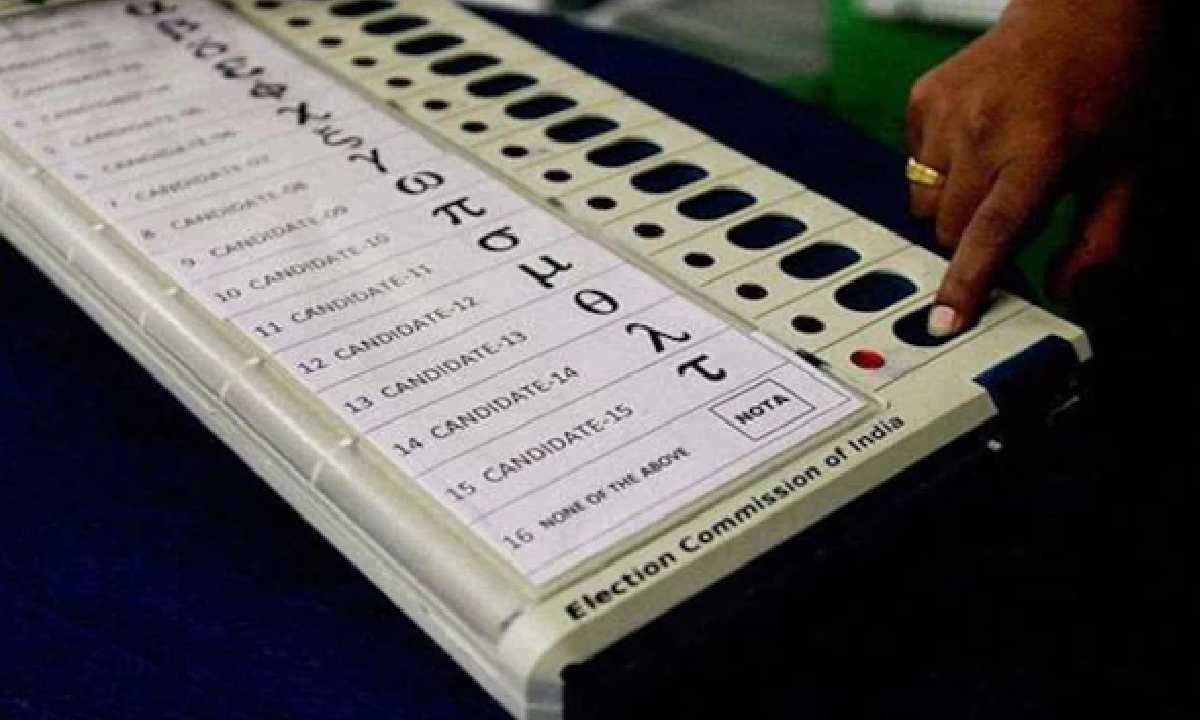
Electronic Voting Machines, including ballot units and control units, will be deployed extensively to ensure the smooth conduct of polling. The commission has also made special arrangements at polling stations for senior citizens, persons with disabilities, pregnant women and voters with infants, including ramps, wheelchairs, drinking water and toilet facilities.
In areas with a high concentration of women voters, all-women polling stations will be set up wherever feasible, the commissioner said. Thousands of election officers and staff have been appointed as part of the administrative arrangements.
The State Election Commission has also specified expenditure limits for candidates contesting Zilla Parishad and Panchayat Samiti elections, based on the size of the electoral divisions. Waghmare warned that strict action would be taken against any violation of the Model Code of Conduct and said campaigning would end 48 hours before polling begins.
BJP-Sena Certain to Win Nagpur Civic Polls, Opposition Has Nothing to Offer: Fadnavis 12
Maharashtra Chief Minister Devendra Fadnavis on Tuesday expressed confidence that the BJP–Shiv Sena alliance will secure a decisive victory in the Nagpur Municipal Corporation elections, asserting that the Opposition lacks both vision and credibility to govern the city.
Fadnavis led a motorcycle roadshow from Bharat Mata Chowk to Chhatrapati Shivaji Maharaj Chowk in Nagpur’s Mahal area on the final day of campaigning for the civic polls. Addressing supporters along the route, he said the public response reflected strong faith in the ruling alliance.
“Looking at the overwhelming response from the people, I have no doubt that under the leadership of Union Minister Nitin Gadkari, the BJP–Shiv Sena alliance will break its previous records and hoist the saffron flag at the Nagpur Municipal Corporation, as well as in Mumbai and other civic bodies across Maharashtra,” Fadnavis said.
He claimed that residents of Nagpur have witnessed tangible development under BJP rule and contrasted this with what he described as the Opposition’s reliance on “empty talk” without concrete proposals for the city.
The 151-member Nagpur Municipal Corporation will go to the polls on January 15. The Bharatiya Janata Party is contesting 143 seats, while its ally Shiv Sena has fielded candidates in eight wards. The Indian National Congress is contesting independently in all 151 seats.
BJP Flags 'Illegal' Hoardings in Pune, Complains to Election Commission Against NCP, Others 14
The Bharatiya Janata Party has lodged a complaint with the Election Commission of India against its Mahayuti ally, the Nationalist Congress Party, and other political outfits over the alleged installation of illegal hoardings and flex banners across Pune ahead of the civic body elections.
Maharashtra BJP general secretary Rajesh Pande said the unauthorised hoardings violate the Model Code of Conduct and have been put up across several parts of the city in the run-up to the polls scheduled for January 15. “We have complained to the Election Commission regarding these illegal flex banners put up by the NCP and other parties,” he said.
Speaking on the issue on Sunday, Chief Minister and senior BJP leader Devendra Fadnavis said he has instructed party workers to strictly avoid putting up illegal hoardings, flex or banners, stressing that such displays deface the city’s appearance.
Reiterating its stand, the Pune BJP unit on Monday vowed to make the city flex-free. Pande said clear and strict directions have been issued to party workers to refrain from installing hoardings of any kind during the election period.
Elections to 29 municipal corporations across Maharashtra, including Pune, will be held on January 15.
BMC Gears Up for 2026 Civic Polls, Over 1 Crore Voters Expected to Cast Ballots 16
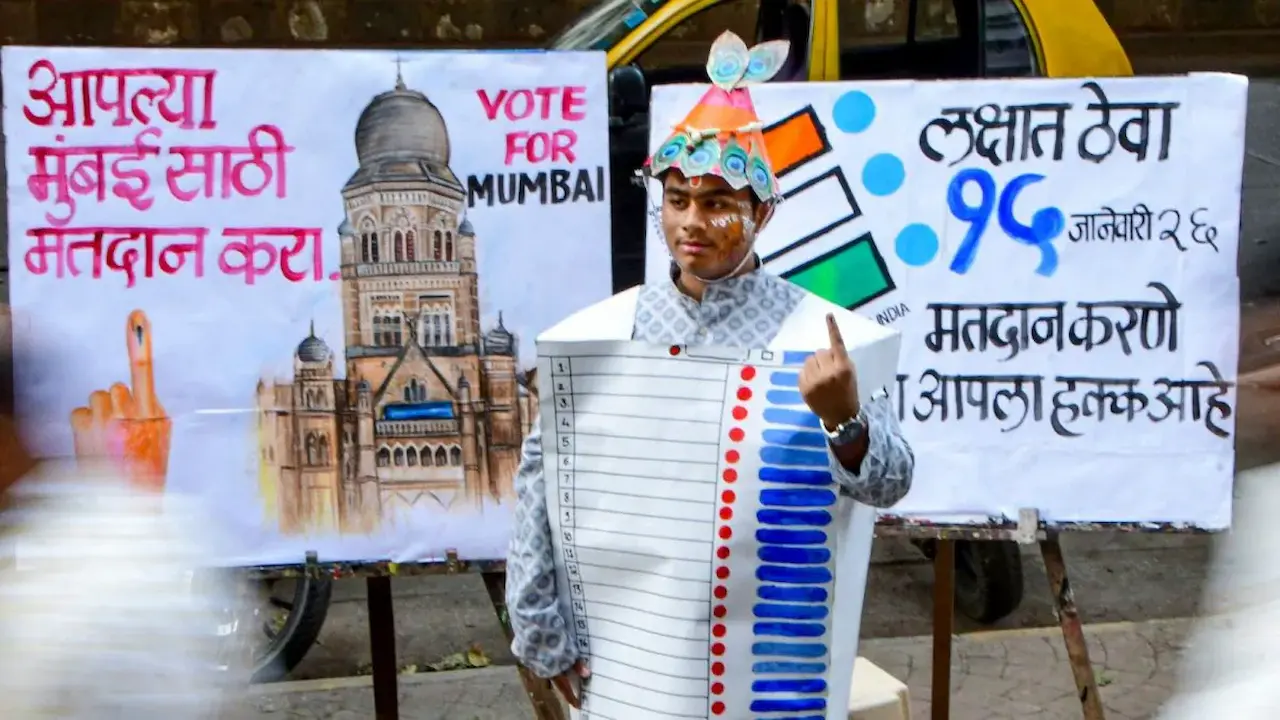
The Brihanmumbai Municipal Corporation has said it is fully prepared to conduct the 2026 civic body elections, with arrangements in place to ensure a smooth and orderly polling process across Mumbai.
According to an official statement, more than one crore voters are expected to exercise their franchise in the elections. Around 1,700 candidates are contesting the polls, with women candidates outnumbering their male counterparts, reflecting a growing participation of women in local governance.
To facilitate the electoral process, the civic body has deployed nearly 13,000 presiding and polling officers across polling stations, supported by an equal number of assistant presiding officers. In addition, about 13,000 security personnel, including support staff, have been engaged to maintain law and order during polling and on the counting day.
The BMC said all logistical and administrative preparations have been completed, underscoring its readiness to conduct the elections efficiently and ensure a safe voting environment for citizens.
Maharashtra Bhavan in Kashmir: When a State Builds a Bridge, Not Just a Building 18
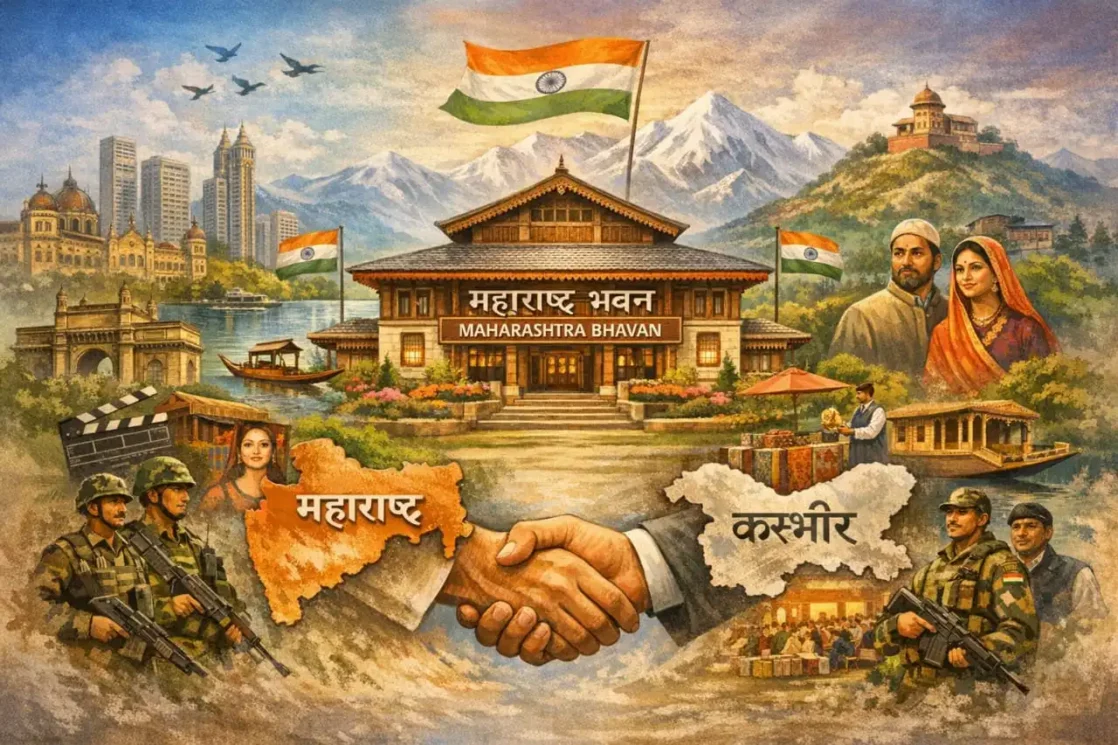
In the noise of daily politics, it is easy to miss the quiet moments when history shifts its tone. Maharashtra Deputy Chief Minister Eknath Shinde’s announcement of building a Maharashtra Bhavan in Kashmir is one such moment. On the surface, it may appear to be a routine administrative decision—a state guest house, an official facility, another government project. But in truth, it carries within it something far deeper: a recognition of an emotional, cultural, and human bond that already exists between Maharashtra and Kashmir, waiting only to be acknowledged and strengthened.
Kashmir has never been a distant land for Maharashtra. Nor has Maharashtra been a stranger to Kashmir’s pain, resilience, and beauty. The two are bound not just by geography within the Indian Union, but by shared lives, shared sacrifices, and shared cultural journeys that few people stop to reflect upon.
Mumbai, the heart of Maharashtra, became a refuge for thousands of Kashmiri Pandits when terror uprooted them from their ancestral homes in the Valley. They arrived carrying grief, trauma and uncertainty—but they also carried education, creativity, and an unbreakable commitment to rebuilding their lives with dignity. Over time, they did more than just settle in Mumbai; they became an inseparable part of the city’s intellectual, artistic, and cultural bloodstream.
Some of the most respected writers, filmmakers, journalists, actors, lyricists, and thinkers in Bollywood and Indian media come from Kashmiri Pandit families. They helped shape modern Hindi cinema, television, literature, and public discourse. Their stories, their aesthetics, and their cultural depth blended naturally into Mumbai’s cosmopolitan identity. In return, Mumbai gave them space, opportunity, and the freedom to become who they truly were. The city absorbed Kashmir into its soul.
This cultural and human integration happened organically, without government programs or political slogans. It happened because both societies recognized something familiar in each other—a love for language, art, resilience, and dignity.
At the same time, thousands of Maharashtrians have served Kashmir in silence and sacrifice. Maharashtra-cadre IAS and IPS officers, army officers, soldiers, CRPF personnel, doctors, engineers, teachers, and administrators have spent years working in Jammu & Kashmir. They have governed towns, protected civilians, treated patients, built infrastructure, and defended borders. Many have lived far from their families in difficult conditions. Some never returned.
For these men and women, Kashmir was not a posting—it was a responsibility, a moral duty, and often a deeply emotional experience. They came to know the Valley not through television debates, but through human faces: shopkeepers, students, children, colleagues, and neighbors. When they returned to Maharashtra, they brought back stories not of abstractions but of people—of warmth, struggle, hope, and resilience.
This is the invisible human corridor between Maharashtra and Kashmir that already exists.
The announcement of Maharashtra Bhavan in Kashmir gives institutional recognition to this corridor.
A Bhavan is not just a building. In Indian political culture, it is a home. A place where people from a state feel protected, welcomed, and rooted. By placing such a home in Kashmir, Maharashtra is telling every Maharashtrian serving or travelling there: You belong here too.
It also tells every Kashmiri: Maharashtra is not a distant power. It is a partner, a friend, a fellow traveler in the Indian journey.
The Bhavan will provide practical support—accommodation for officials, space for delegations, and facilities for tourists, journalists, scholars, and families of personnel posted there. But its real value lies beyond logistics. It will be a living space of dialogue, exchange, and mutual presence.
One can imagine literary evenings where Kashmiri poets read alongside Marathi writers. Cultural festivals where Lavani meets Sufiana Kalam. Film screenings, art exhibitions, academic discussions, and youth exchanges. These are not luxuries—they are the soft tissue that binds nations and regions together.
In a place that has suffered from alienation, suspicion, and violence, such spaces quietly heal what politics often wounds.
What gives this initiative even greater depth is the personal clarity behind it.
My own interaction with Chief Minister Eknath Shinde on this development was nothing short of mesmerizing. It was not a routine political conversation. What stood out was his remarkably clear vision: he does not see Maharashtra Bhavan merely as an administrative asset but as a cultural and emotional bridge.
He spoke with sincerity about preserving Kashmiriyat in the hearts of Maharashtrians who serve and reside in Kashmir—and about ensuring that Kashmir continues to feel emotionally connected to Maharashtra. For him, the officers, soldiers, doctors, and teachers posted there are not just employees of the state; they are carriers of mutual trust. They absorb the valley’s spirit and carry it back to Maharashtra. They take Maharashtra’s pluralism and warmth into Kashmir.
This two-way flow, he believes, is how harmony is built—not through declarations, but through lived human experience.
He was clear that the Bhavan must not become a closed bureaucratic enclave. It must be open, welcoming, alive—a place where Kashmiris feel just as comfortable walking in as Maharashtrians. A place that reflects hospitality, not hierarchy.
That clarity of purpose is rare in public life. It transforms what could have been a symbolic gesture into a meaningful institution.
From a broader national perspective, this initiative also quietly changes the narrative around Kashmir. For decades, Kashmir has been spoken about only in terms of security, conflict, and control. What Maharashtra Bhavan represents is something different: everyday civic normalcy.
It says that Kashmir is not a periphery that needs to be managed but a part of India’s shared civic space where every state can plant roots. Just as Delhi has its Bhavans across the country, Maharashtra is now placing its presence in the Valley—not to dominate, but to belong.
For Kashmir, this brings something valuable: consistent engagement from one of India’s most powerful economic and cultural states. Tourism from Maharashtra is already a major contributor to Kashmir’s economy. With a state-level institutional base, this flow will grow more organised, safer and more confident. Business delegations, cultural groups, film units and investors will have a trusted base, encouraging deeper engagement.
For young Kashmiris, this opens new windows — to Maharashtra’s universities, industries, media and creative world. For Maharashtrian youth, it opens a more nuanced, human understanding of Kashmir beyond headlines.
In a fractured world, such bridges matter.
Eknath Shinde’s Maharashtra Bhavan is therefore not just a structure of stone and steel. It is an architecture of trust. It acknowledges the pain of Kashmiri Pandits who found a second home in Maharashtra. It honors the sacrifice of Maharashtrians who have served Kashmir. It creates a space where culture, memory, administration, and belonging can coexist.
In a time when integration is often shouted from podiums, this is integration quietly built—brick by brick, relationship by relationship.
And sometimes, it is these quiet acts that shape the future far more powerfully than any speech ever could.