CEC Orders Immediate Arrests Over Post-Poll Violence in Bengal After BJP’s Massive Victory 2
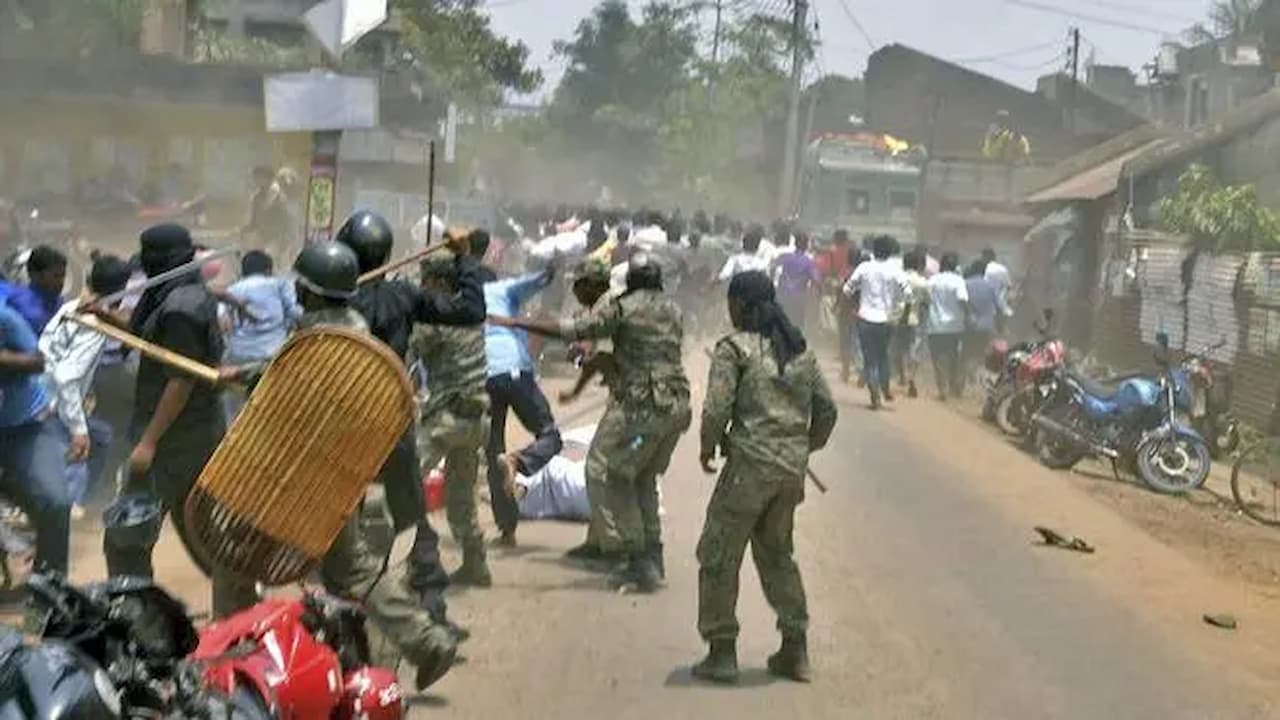
Chief Election Commissioner Gyanesh Kumar on Wednesday directed authorities to immediately arrest those involved in post-poll violence and vandalism in West Bengal following reports of deadly clashes after the Assembly election results.
According to an official, the Election Commission issued the directive after two people were killed in alleged incidents of post-poll violence on Tuesday, while several party offices across the state were vandalised.
The CEC instructed the West Bengal chief secretary, director general of police, Kolkata police commissioner, district magistrates, superintendents of police and officials of central armed police forces to maintain continuous patrolling in sensitive areas.
“Those responsible for inciting violence and carrying out acts of vandalism must be arrested immediately,” the official said, quoting the CEC’s instructions.
The Election Commission also emphasised the need for strict and swift enforcement of law and order to prevent further unrest.
The directive comes amid rising concerns over violence in several parts of the state after the declaration of results. A senior police officer said authorities have been placed on high alert and instructed to deal firmly with any attempt to disturb peace.
Security arrangements have been intensified across districts, with state police and central forces carrying out coordinated patrolling and monitoring operations to prevent any escalation.
The Assembly elections in West Bengal were held in two phases on April 23 and April 29, while counting took place on May 4.
The Bharatiya Janata Party (BJP) registered a landslide victory by winning 207 seats in the 294-member Assembly, ending the All India Trinamool Congress (TMC)’s uninterrupted 15-year rule in the state.
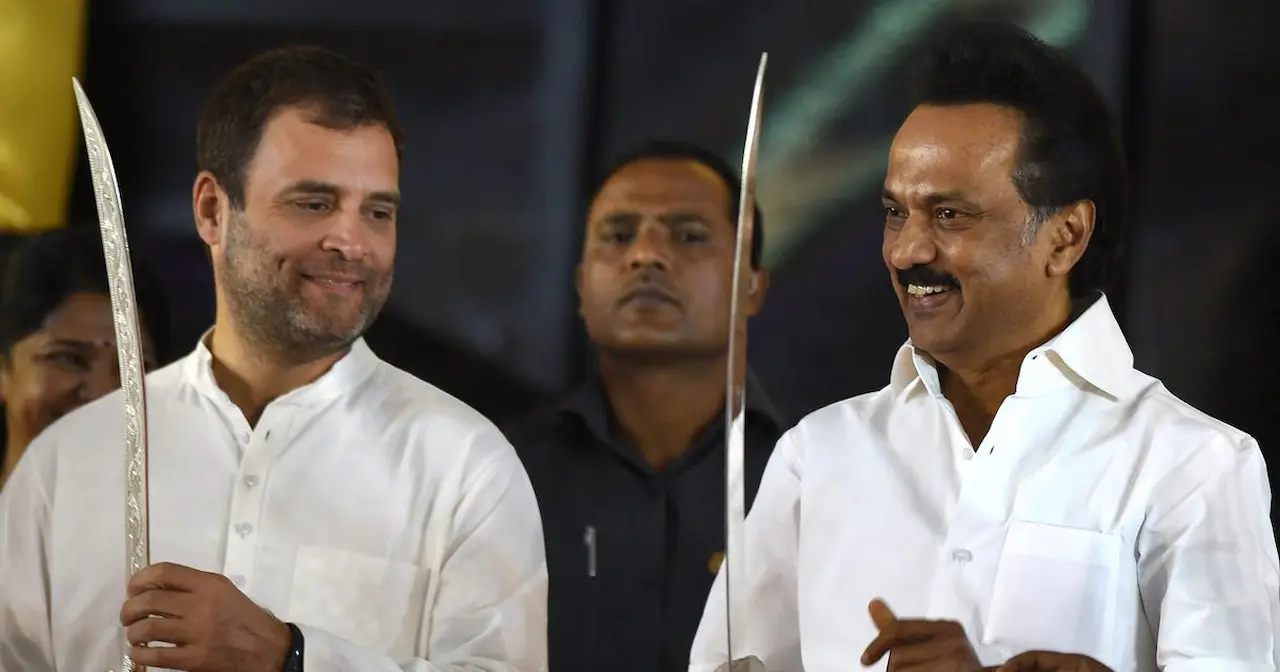
DMK Slams Congress for Backing Vijay's TVK, Calls Move a 'Backstab' to Tamil Nadu Mandate 4
The Dravida Munnetra Kazhagam (DMK) on Wednesday strongly criticised the Indian National Congress for extending support to actor-turned-politician Vijay’s Tamilaga Vettri Kazhagam (TVK), describing the move as a “backstab” by a long-time ally.
Speaking to PTI Videos, DMK spokesperson Saravanan Annadurai said the Congress had betrayed both the people of Tamil Nadu and the mandate delivered in the Assembly elections.
“The Congress party has decided to ally with the TVK, pledging their support to the party. I think they have backstabbed the people of Tamil Nadu. They have backstabbed the mandate given by the people,” he said.
Annadurai expressed surprise over the speed at which the political realignment took place, saying the alliance discussions had begun even before the election process was formally completed.
“Even before the ink on the returning officer’s signature on the victory certificate dried up, they’ve chosen to go ahead with an alliance,” he remarked.
The DMK leader also highlighted his party’s long-standing support to the Congress at the national level and recalled that Tamil Nadu Chief Minister M. K. Stalin had projected Congress leader Rahul Gandhi as the Opposition’s prime ministerial face.
Questioning the viability of the TVK-led government, Annadurai argued that Vijay’s party lacked adequate numbers to remain stable in power.
“They need at least 11 to 12 MLAs to stay afloat, and Congress has only five MLAs. What difference will they make?” he asked.
He further claimed that the Congress was “self-destructing” in pursuit of a few cabinet positions, while also pointing out that the All India Anna Dravida Munnetra Kazhagam (AIADMK) had extended support to the TVK.
“So whose support will the TVK take — five MLAs or 47 MLAs?” he asked.
Annadurai also alleged that Vijay failed to properly acknowledge the voters after the election results and instead first thanked Prime Minister Narendra Modi.
The TVK has emerged as the single-largest party in Tamil Nadu, delivering a major setback to the ruling DMK and pushing the AIADMK to a distant third position in a dramatic electoral shift.
Punjab on High Alert After Twin Blasts Near BSF Headquarters and Army Cantonment 6
Punjab was placed on high alert after two explosions occurred within hours near key security installations in Jalandhar and Amritsar late Tuesday night, prompting an intensified investigation by police and security agencies.
According to officials, no injuries were reported in either incident, but both blasts triggered panic and raised concerns over security and intelligence failures in the state.
The first explosion took place around 8 pm outside the headquarters of the Border Security Force’s Punjab Frontier in Jalandhar. Around three hours later, another blast occurred near the army cantonment area in Khasa, Amritsar.
Amritsar (Rural) Senior Superintendent of Police Suhail Mir Qasim said police received information about a loud explosion around 11 pm on a road in Khasa and teams immediately rushed to the spot.
Preliminary investigations indicated that an explosive device may have been hurled towards the boundary wall, causing the blast. Police said a section of the tin sheet covering the wall was damaged in the explosion.
Forensic experts and bomb disposal teams later collected samples from the site, while army officials also visited the area before it was cordoned off for investigation.
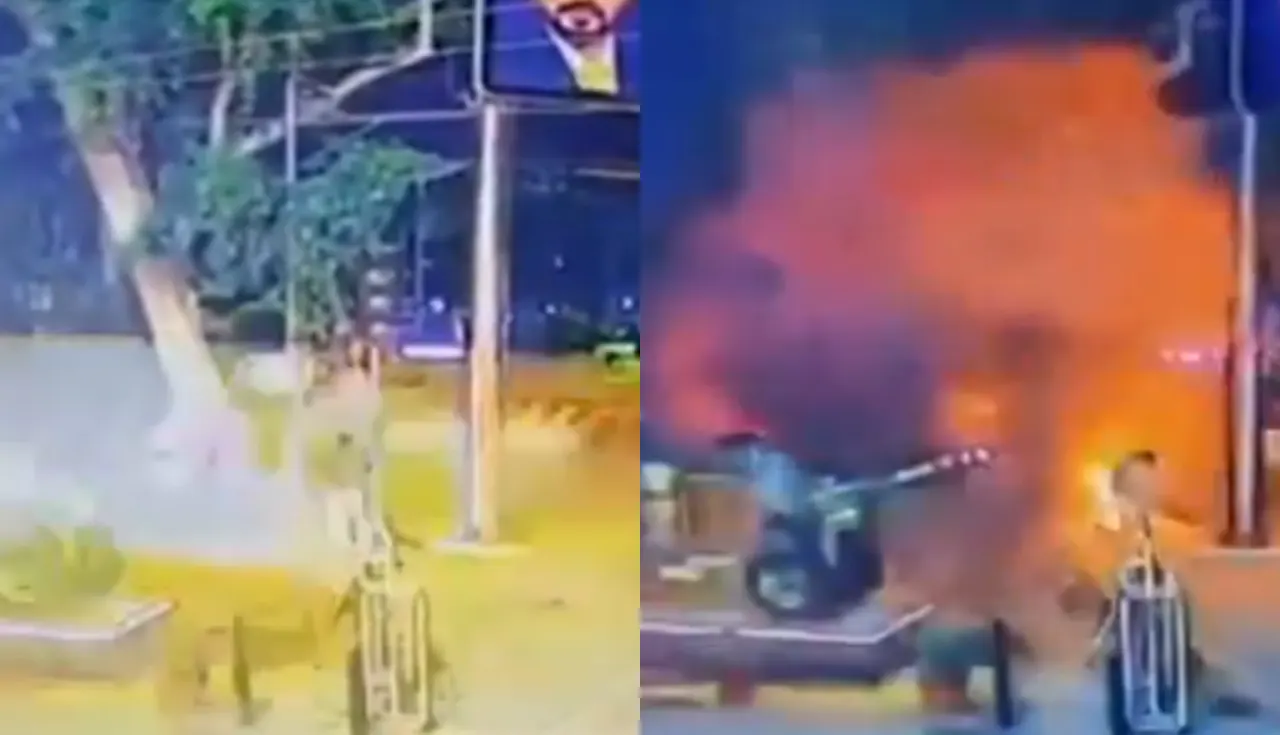
CCTV footage from the vicinity reportedly captured the moment of the explosion. Residents said they were awakened by the loud sound and rushed outside to see what had happened.
Earlier in the evening, a blast outside the BSF headquarters in Jalandhar damaged a scooter, shattered nearby shop windowpanes and affected a traffic signal pole. CCTV visuals showed smoke billowing from the area as an unidentified man was seen running away after the explosion.
The damaged scooter reportedly belonged to Gurpreet Singh, a parcel delivery worker who regularly visited the area. His relatives said the scooter caught fire moments before he reached it.
Jalandhar Police Commissioner Dhanpreet Kaur said the Activa scooter parked near the BSF gate suddenly caught fire and added that Gurpreet Singh was cooperating fully with investigators.
The incidents come days after an explosion on a freight corridor railway track in Shambhu in Patiala district on April 27. Police had then arrested four alleged members of a Pakistan ISI-backed pro-Khalistan terror module in connection with the case.
The back-to-back explosions sparked sharp political reactions, with opposition parties attacking the Aam Aadmi Party government over the deteriorating law-and-order situation.
Sukhbir Singh Badal, president of the Shiromani Akali Dal, criticised Chief Minister Bhagwant Mann and alleged repeated intelligence failures.
Punjab Congress chief Amrinder Singh Raja Warring also questioned the state and central governments, saying repeated security lapses pointed to a serious breakdown in intelligence mechanisms.
Rahul Gandhi Alleges 'Vote Chori', Says Every Sixth BJP MP Won Through Manipulated Mandate 8
Congress leader Rahul Gandhi on Wednesday launched a sharp attack on the Bharatiya Janata Party (BJP), alleging that every sixth BJP MP in the Lok Sabha won through “vote chori” and questioning whether they should be called “ghuspethiya” in the party’s own terminology.
The Leader of Opposition in the Lok Sabha also claimed that the BJP would fail to secure even 140 seats in the Lok Sabha if elections were held fairly today.
In a post in Hindi on X, Gandhi alleged that electoral manipulation was being used to capture both individual seats and entire governments. “Through vote theft, sometimes individual seats are stolen, and at other times, an entire government. Of the 240 BJP MPs in the Lok Sabha, roughly every sixth MP secured the seat through vote chori,” he said.
वोट चोरी से कभी सीटें चुराई जाती हैं, कभी पूरी सरकार।
लोकसभा के 240 BJP सांसदों में से, मोटे तौर पर हर छठा सांसद वोट चोरी से जीता है। पहचानना मुश्किल नहीं – क्या उन्हें BJP की भाषा में “घुसपैठिए” कहें?
He further targeted the BJP over the political situation in Haryana, alleging that the entire state government was formed through manipulated means. Gandhi claimed institutions responsible for handling voter lists and the electoral process were being controlled remotely by the ruling party.
“Their real fear is the truth. If fair elections were held, they would not be able to win even 140 seats today,” he asserted.
A day earlier, Gandhi had described the BJP’s victories in the Assembly elections in West Bengal and Assam as a “theft” of the public mandate and termed it a major step in what he called the saffron party’s mission to weaken Indian democracy.
Backing the defeated All India Trinamool Congress (TMC), Gandhi urged political parties not to indulge in “petty politics” over the electoral outcome. “This is not about one party or another. This is about India,” he had said in another post on X.
The BJP recently ended the TMC’s long rule in West Bengal and also retained power in Assam for a third consecutive term in the Assembly elections.
'Will of the People Supreme': Mahua Moitra Reacts as BJP Sweeps Bengal, Ends TMC's 15-Year Rule 10
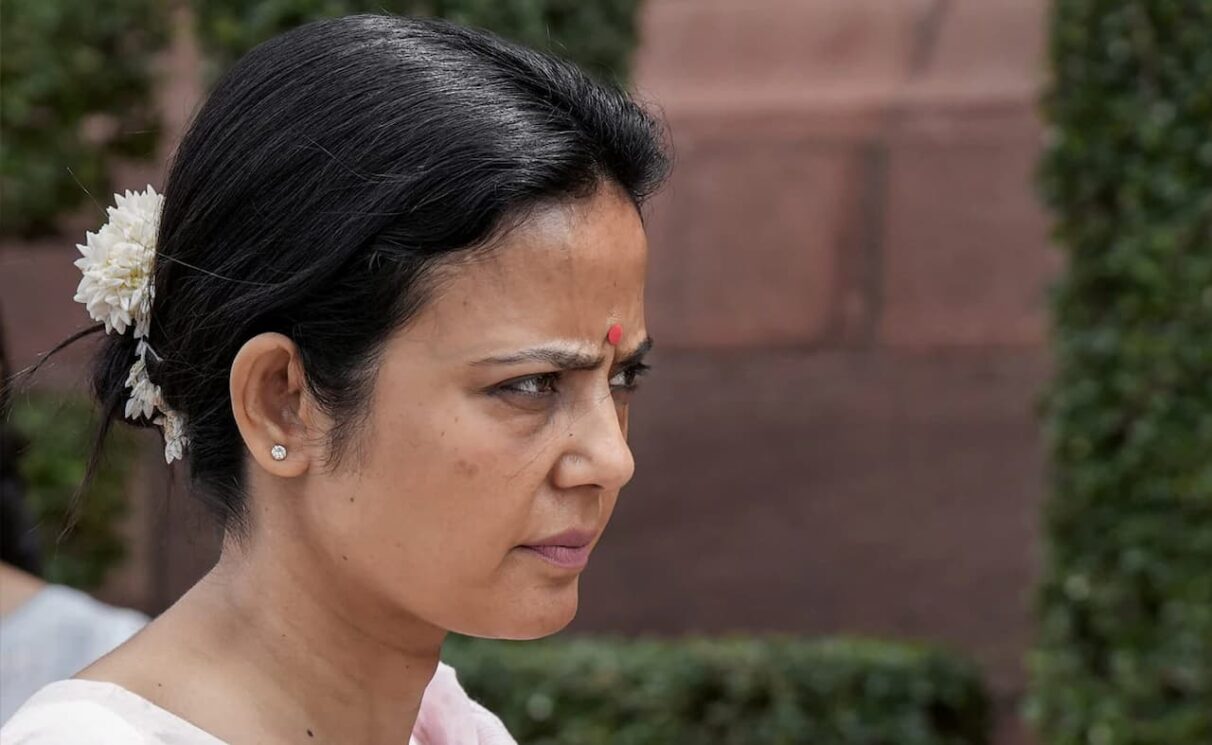
A day after the Bharatiya Janata Party (BJP) secured a sweeping victory in the West Bengal Assembly elections, Trinamool Congress MP Mahua Moitra on Tuesday said her party respects the verdict, asserting that the will of the people remains paramount.
In a post on X, Moitra said, “The will of the people is supreme. If Bengal wanted BJP, then Bengal has got BJP. We respect that.”
The BJP scripted history by winning 206 seats, crossing the two-thirds majority mark and bringing an end to the All India Trinamool Congress (TMC)’s 15-year rule in the state.
Reflecting on the outcome, Moitra said the party had fought under challenging circumstances. “We fought the good fight against unimaginable odds on an uneven pitch, and for that I am proud of my leader and my party,” she said.
She added that despite the electoral setback, the TMC would continue to uphold its ideological stand. “We will continue to stand and fight for a secular country where the Constitution, and not brute majoritarianism, is the last word,” Moitra said.
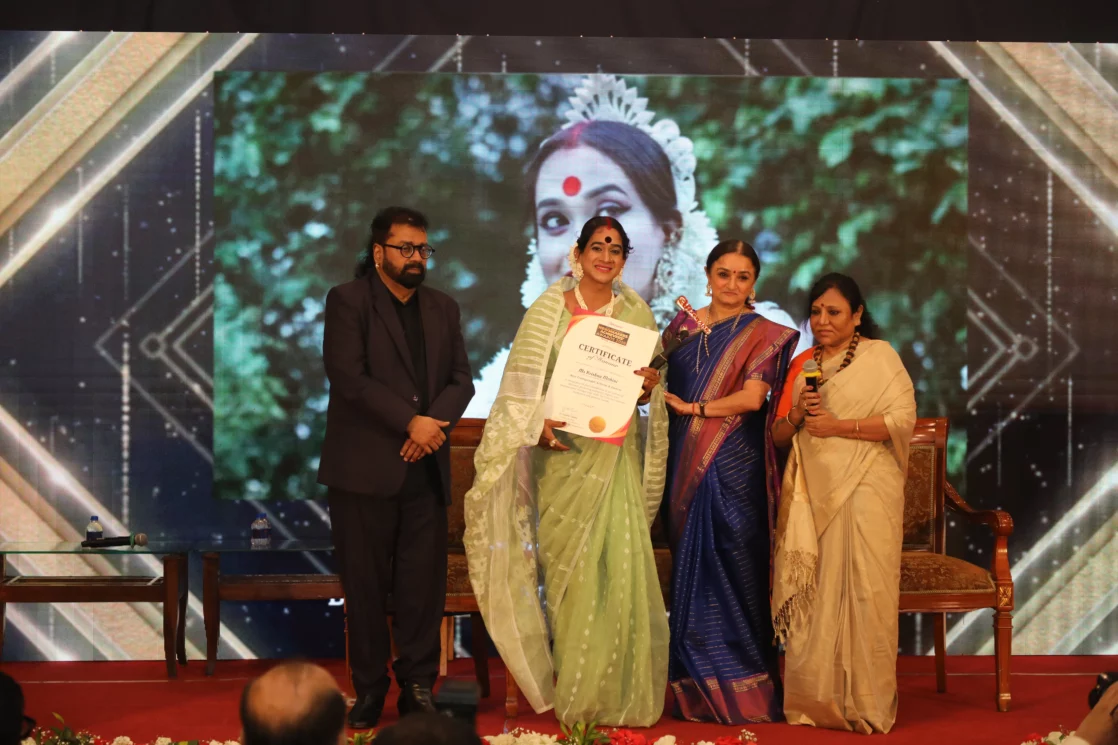
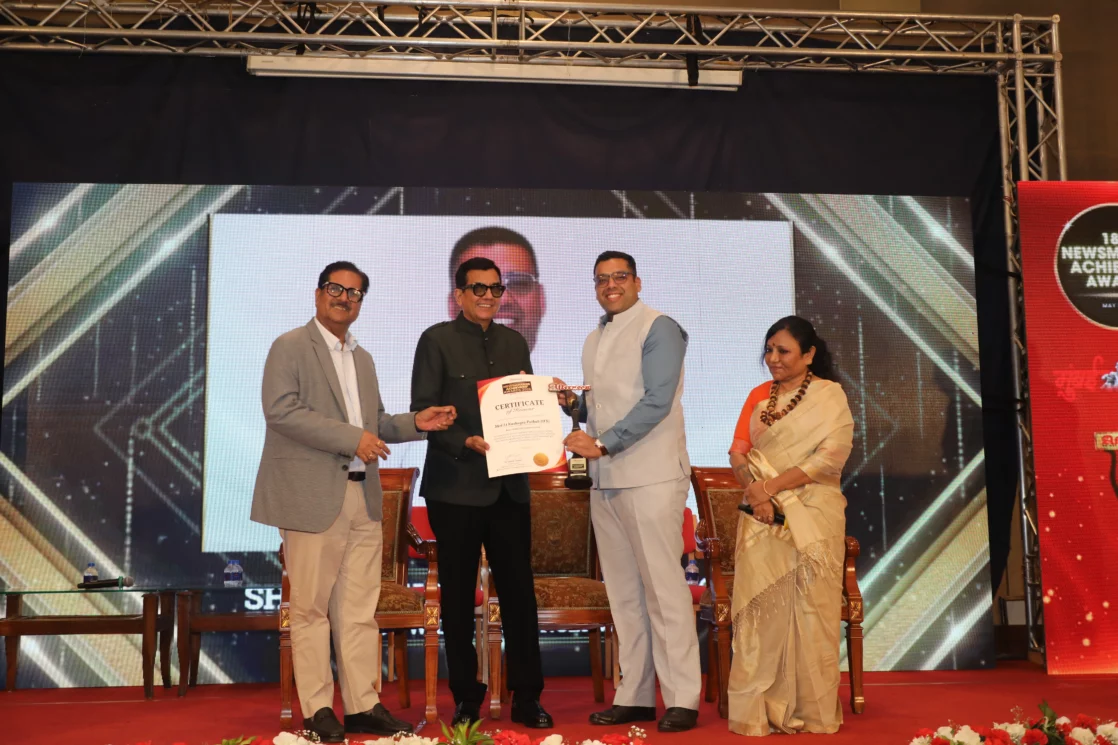
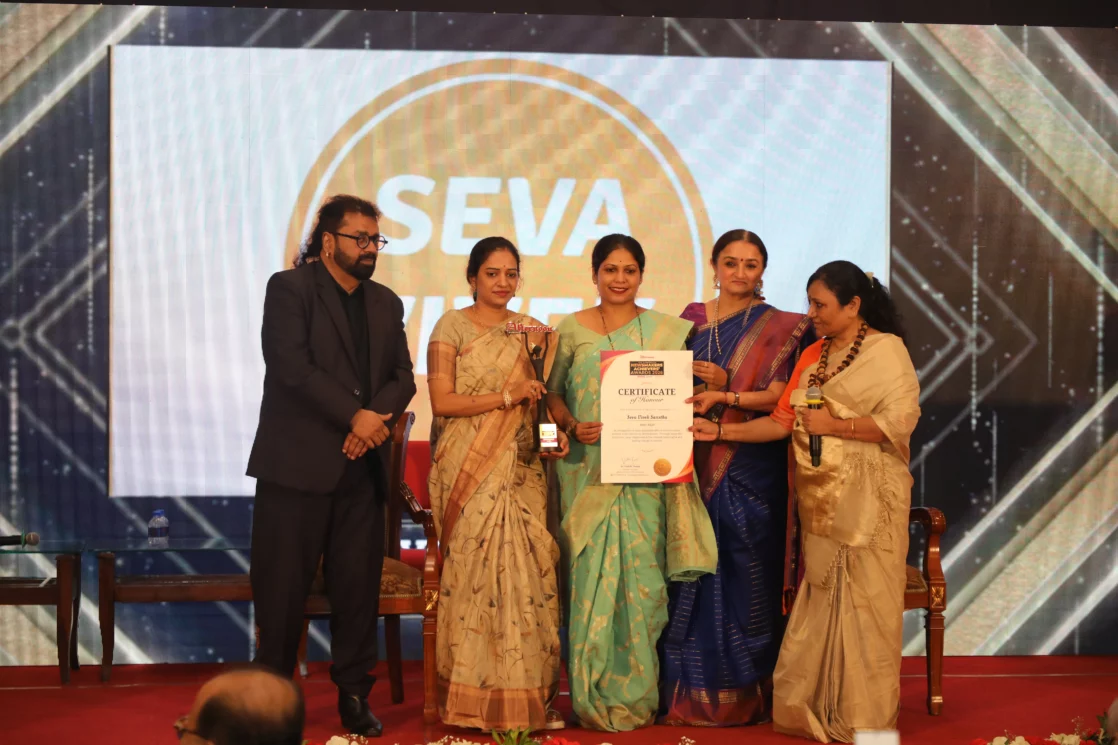
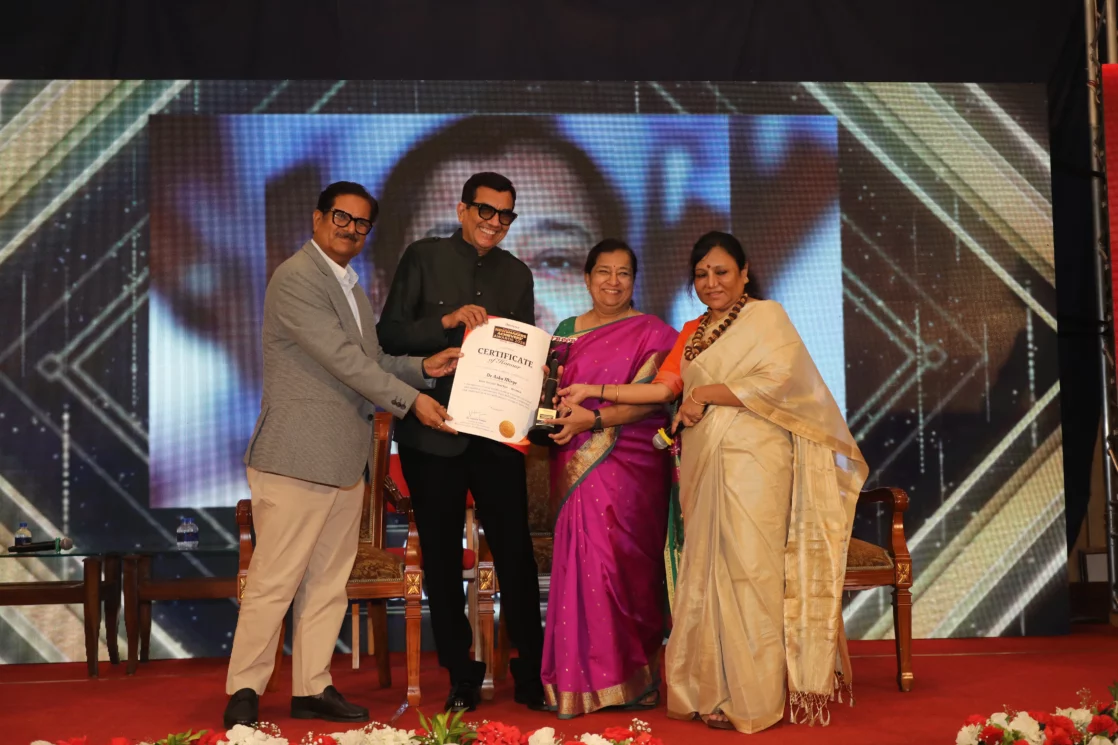
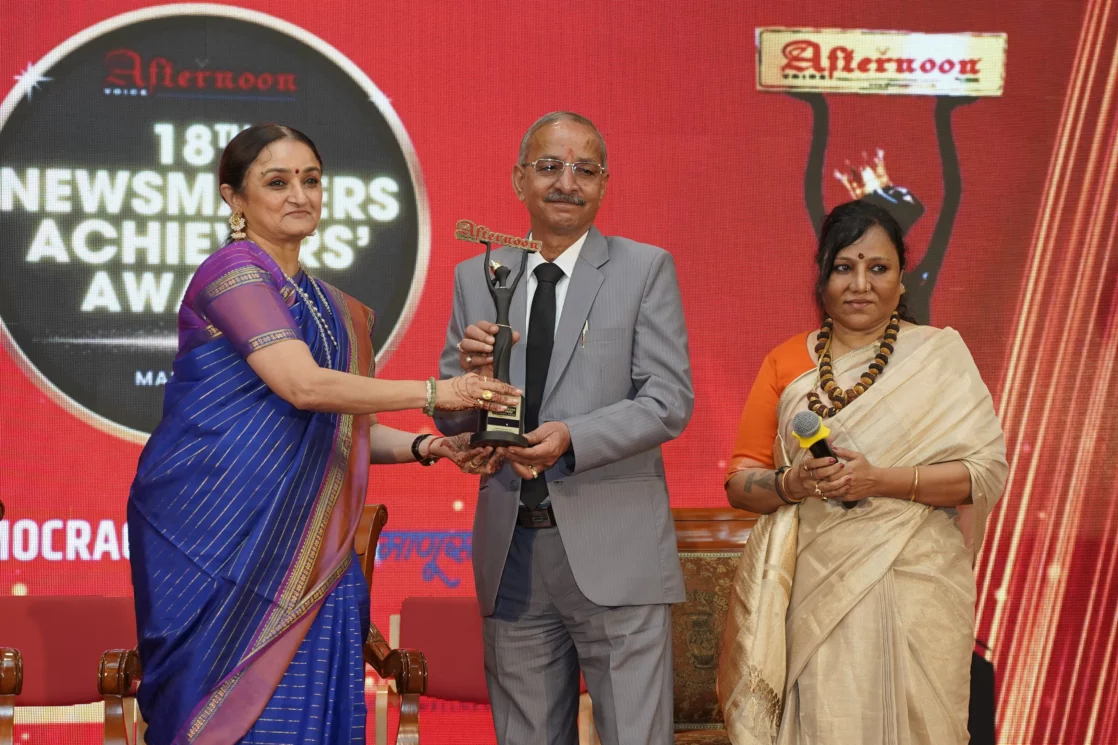
From Usha Mangeshkar to Grassroots Heroes: Newsmakers Achievers Awards 2026 in Mumbai 37
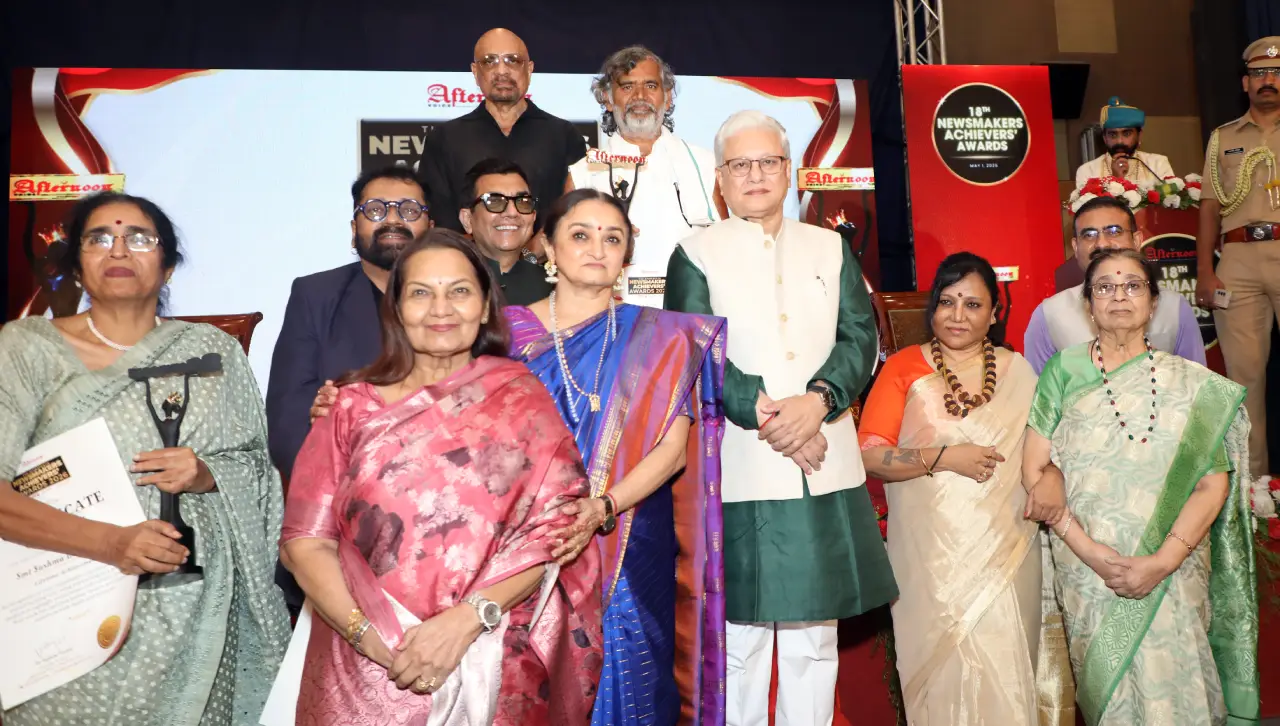
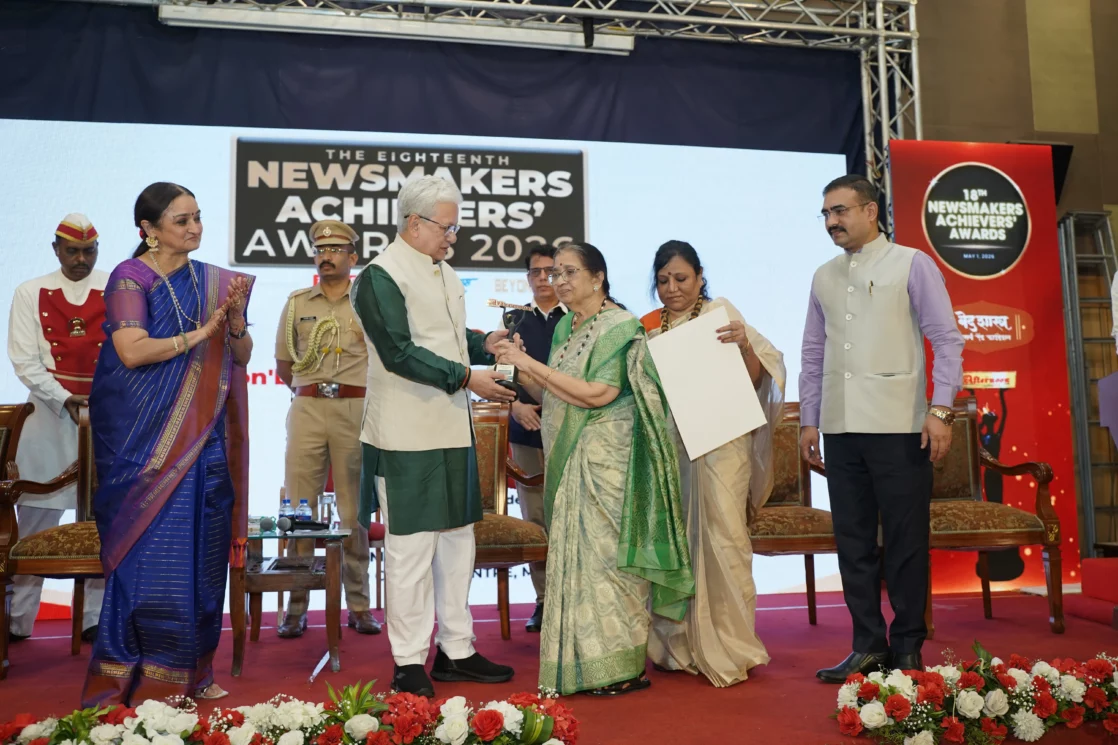
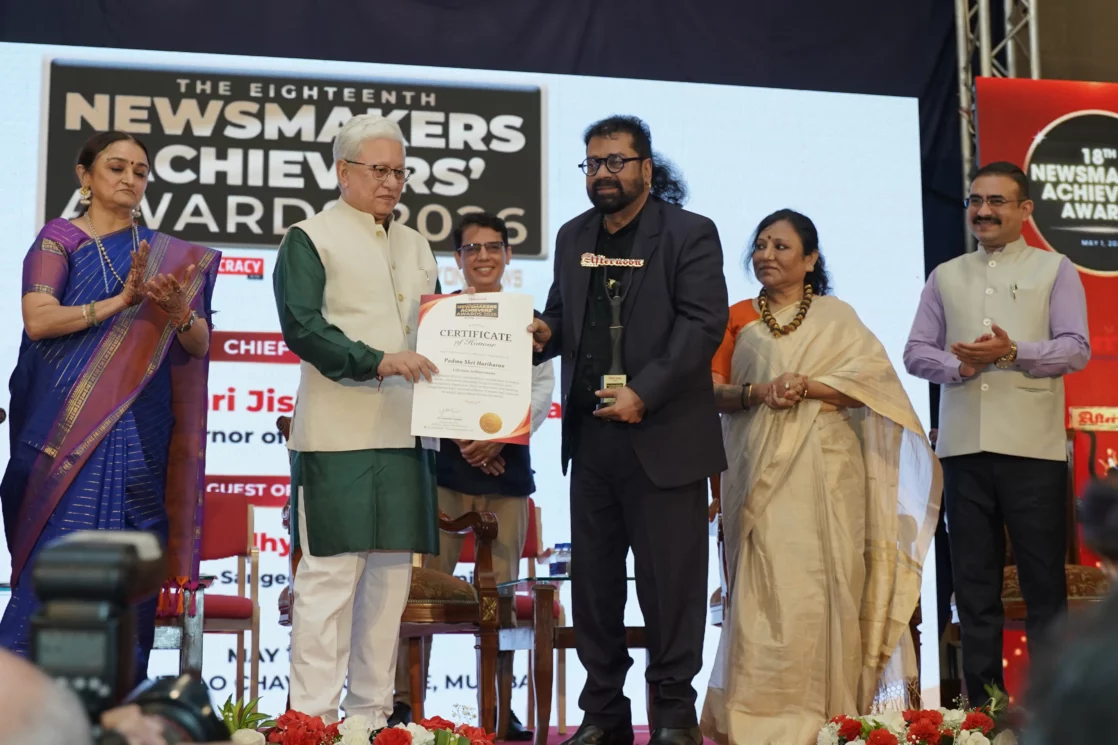
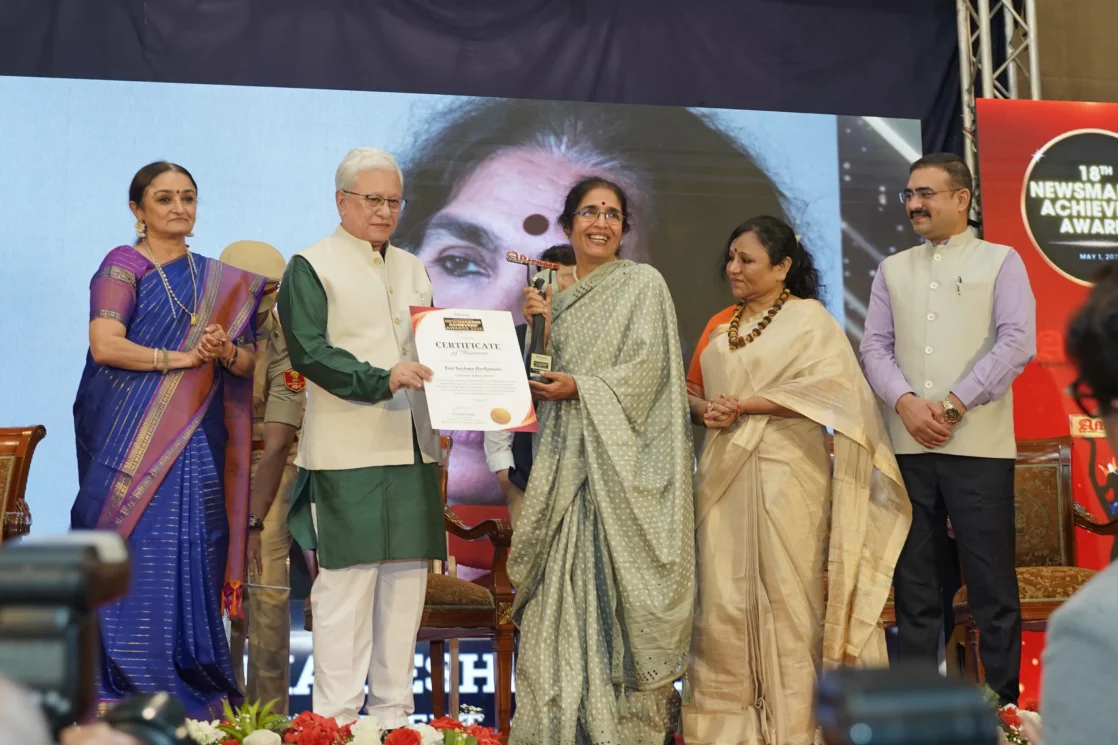
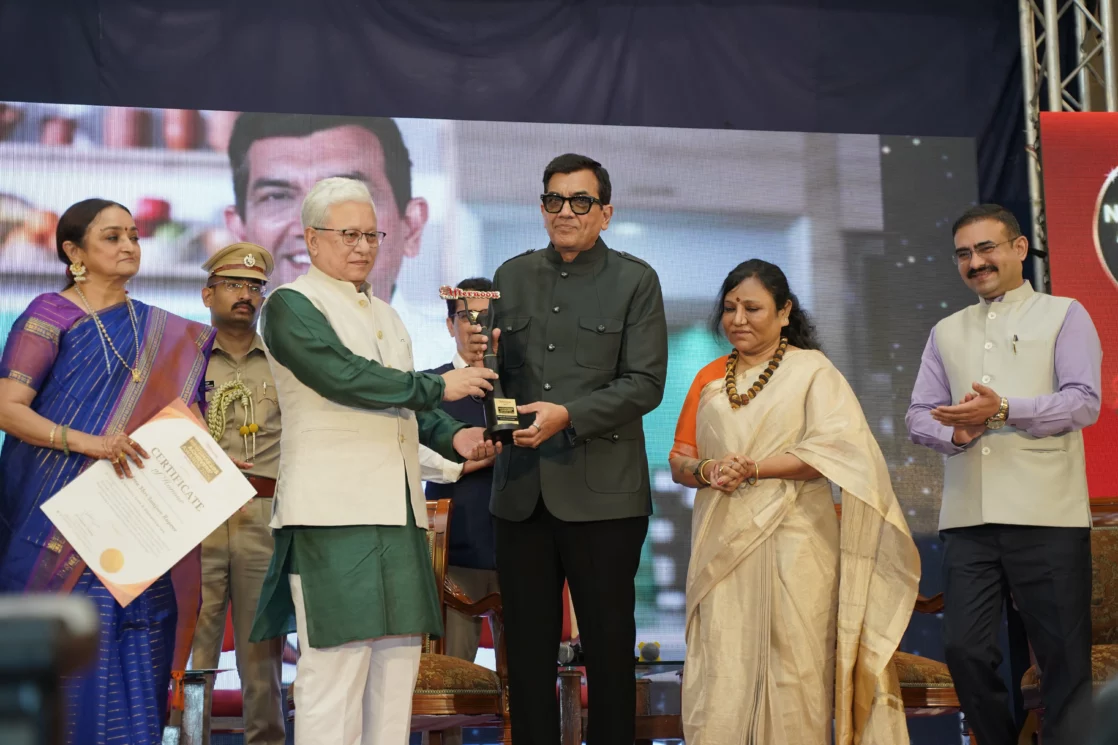
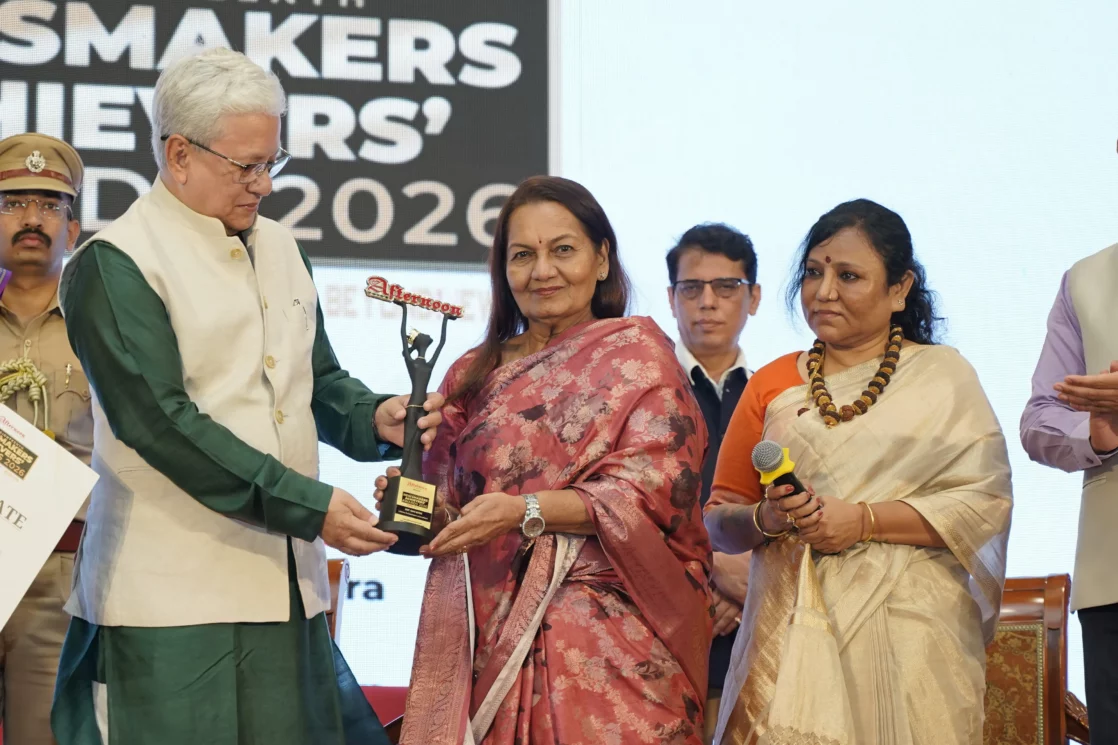
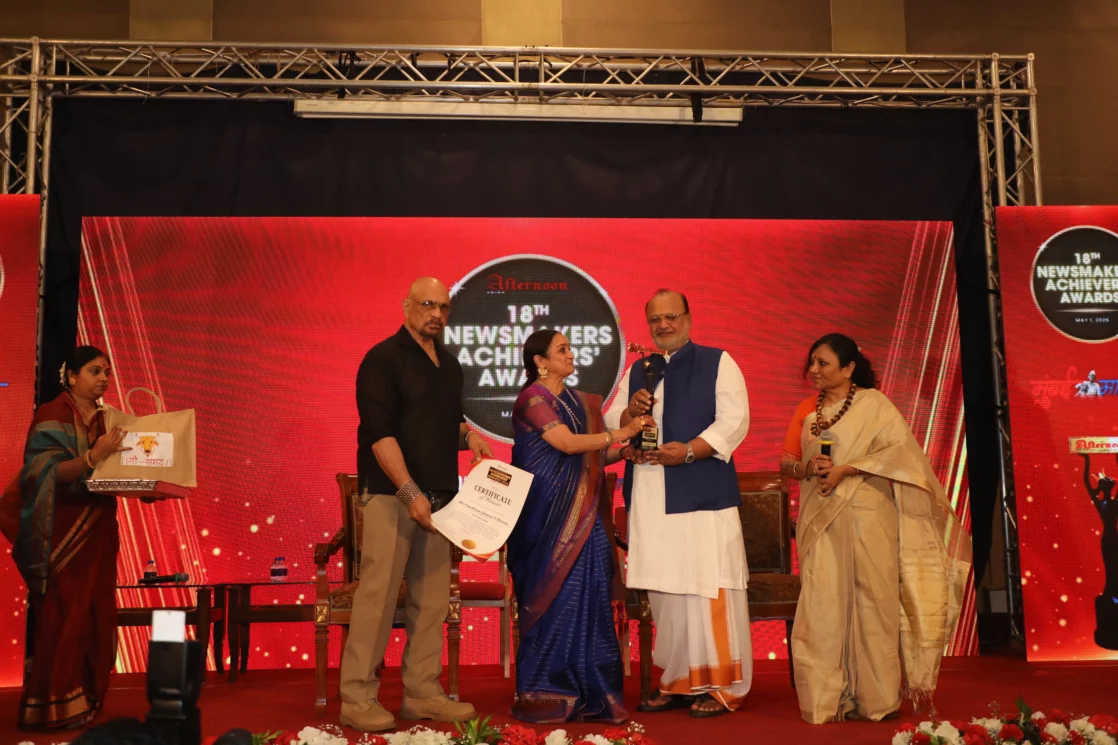
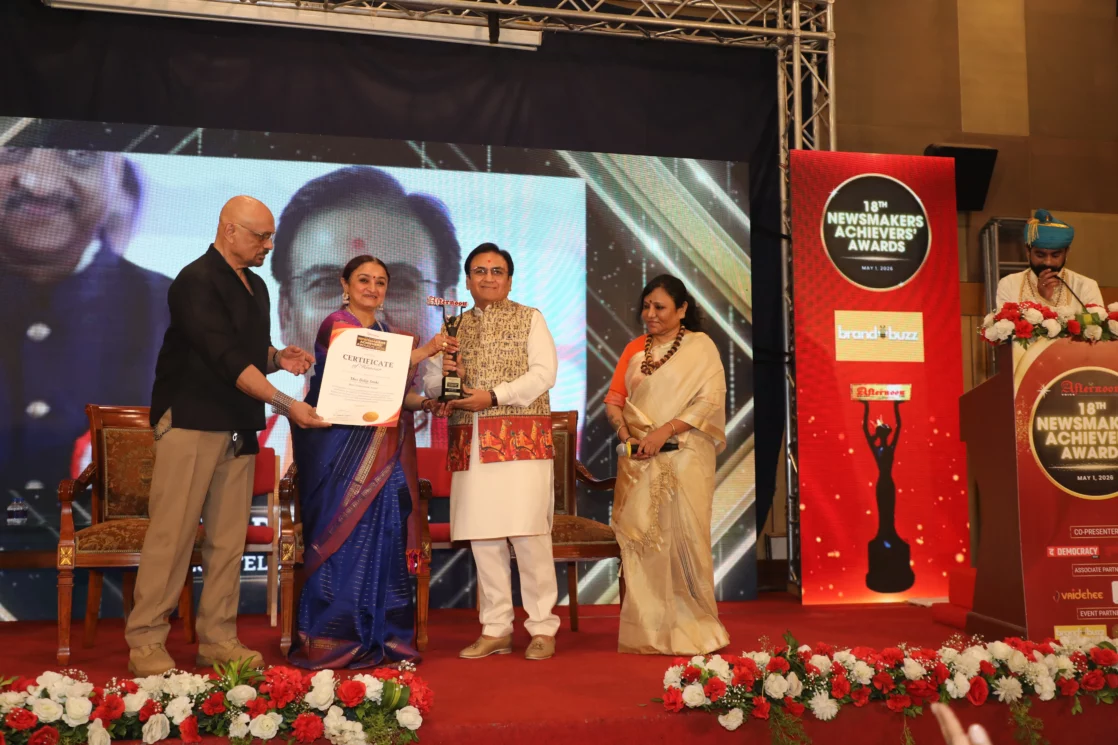
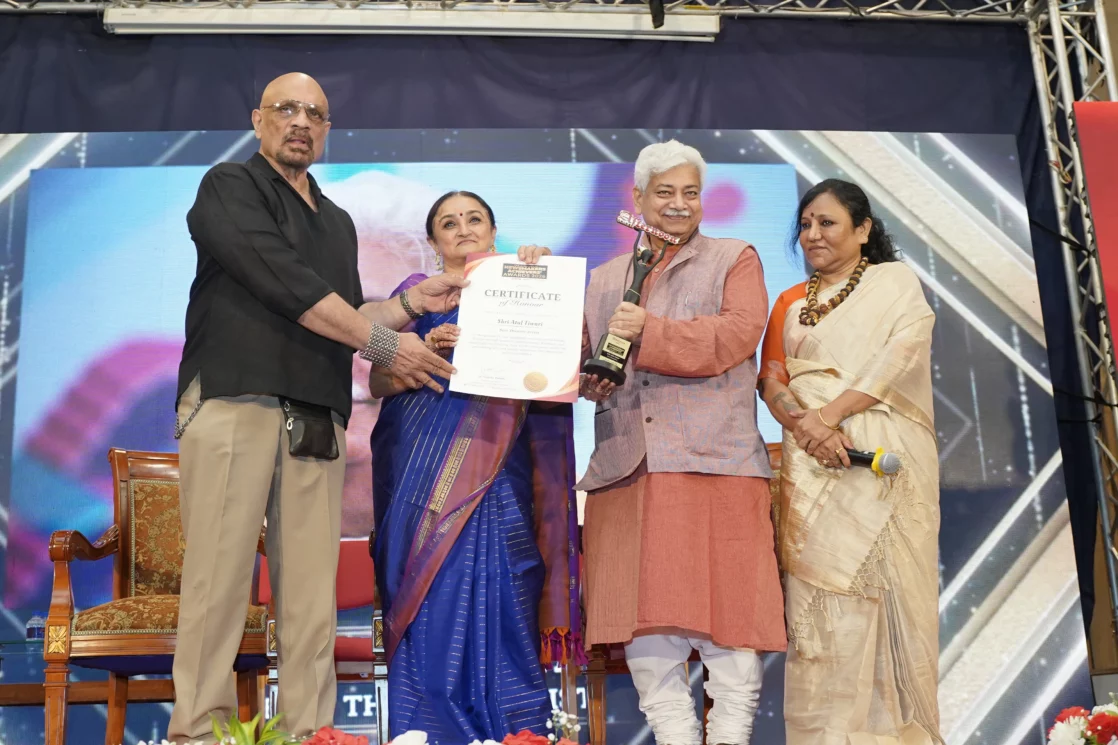
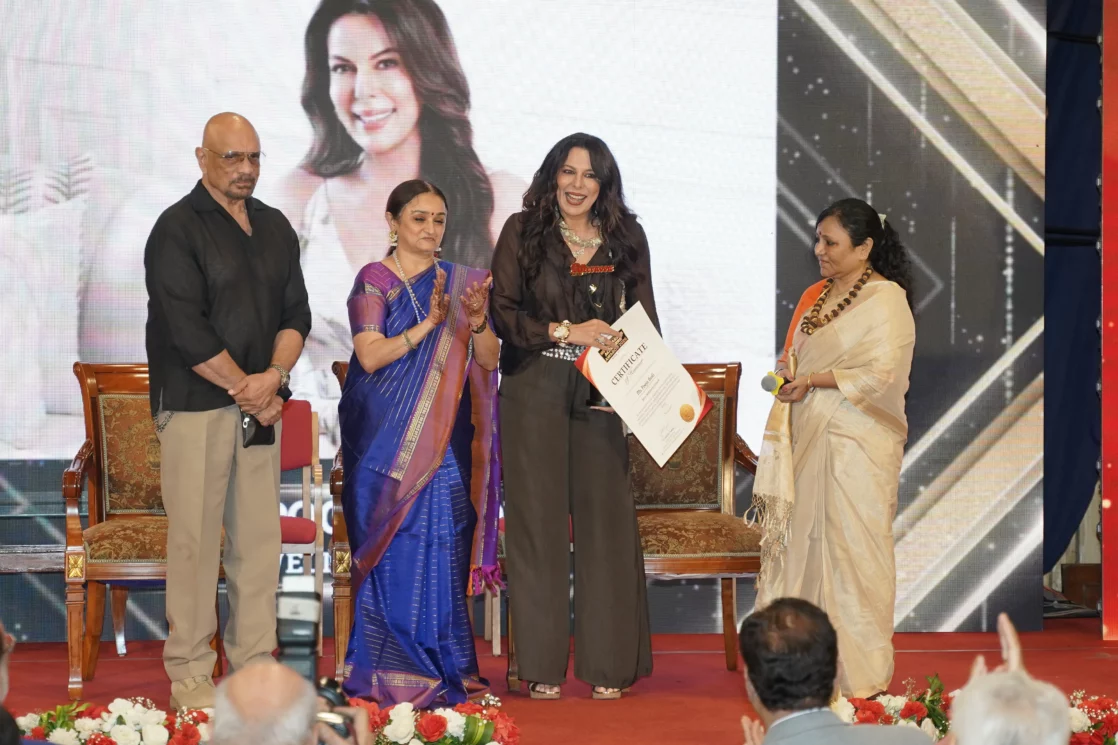
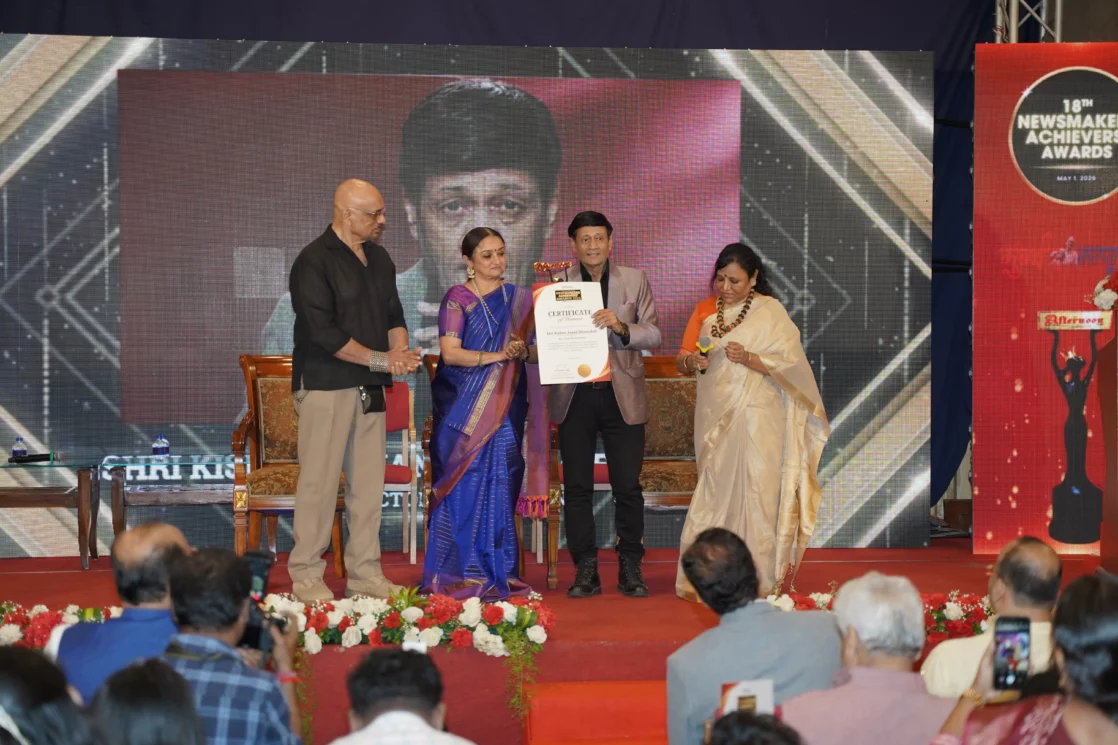
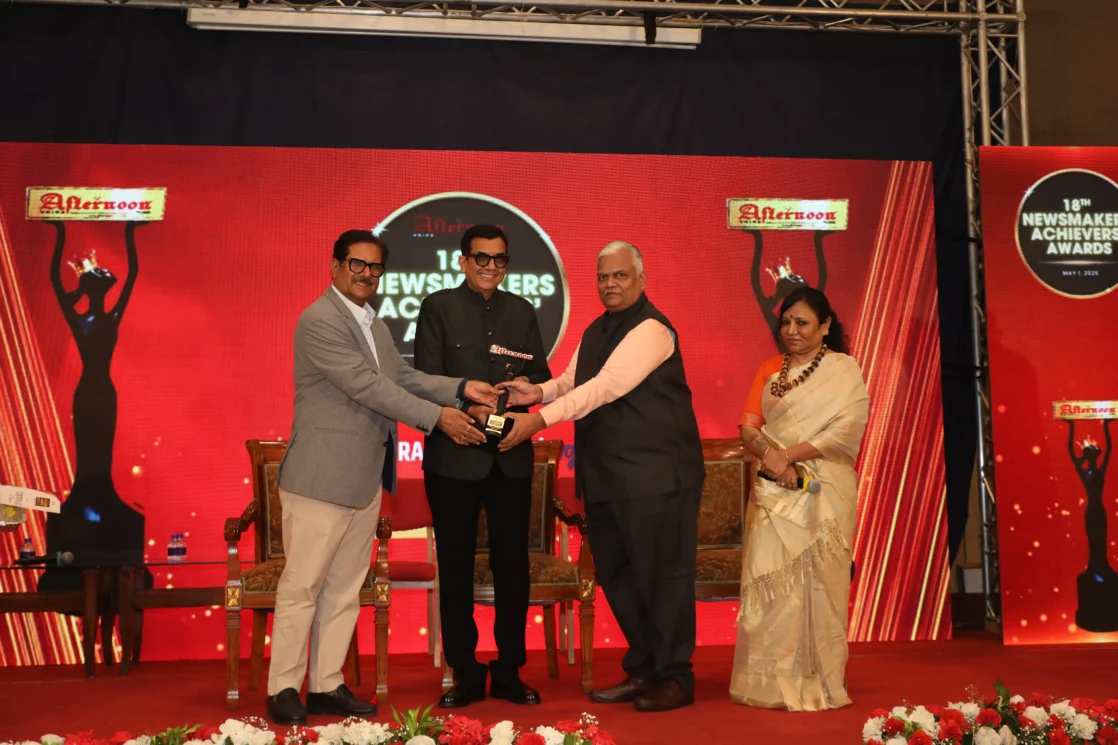
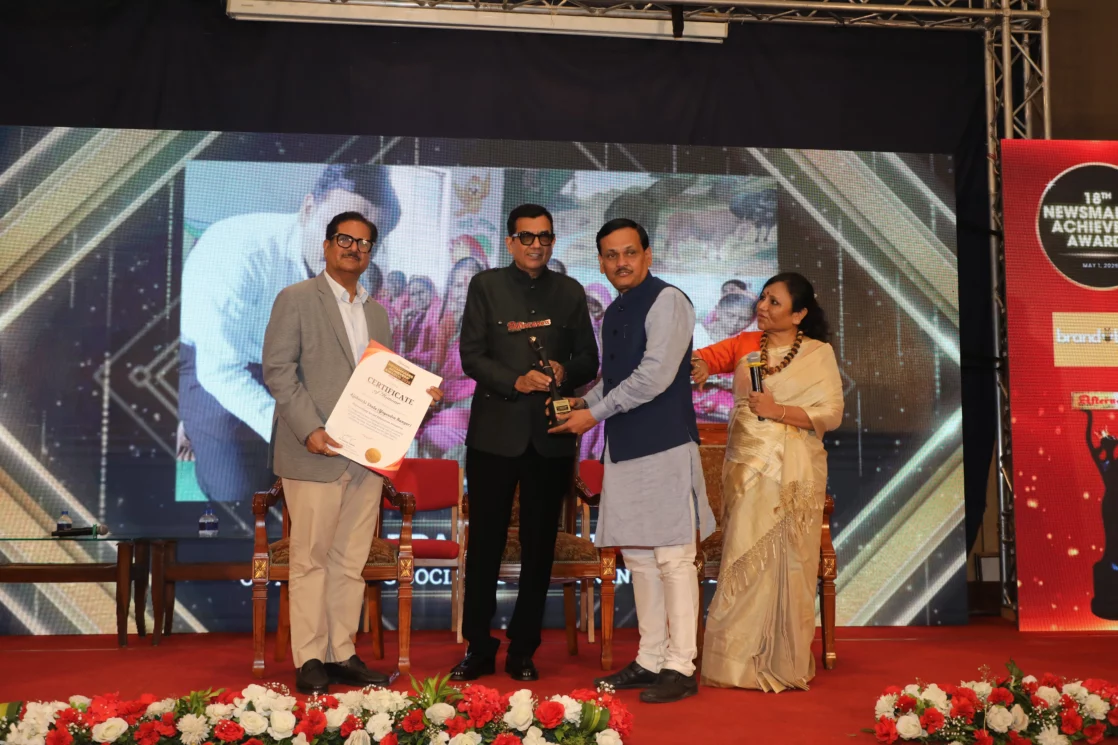
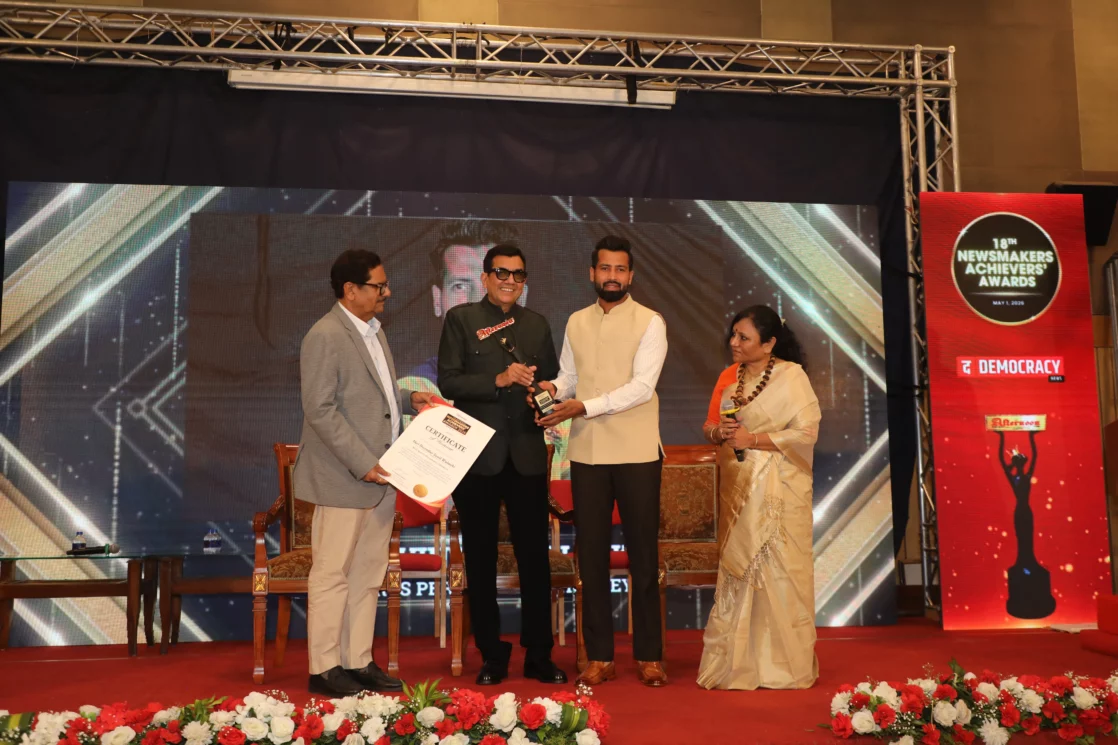
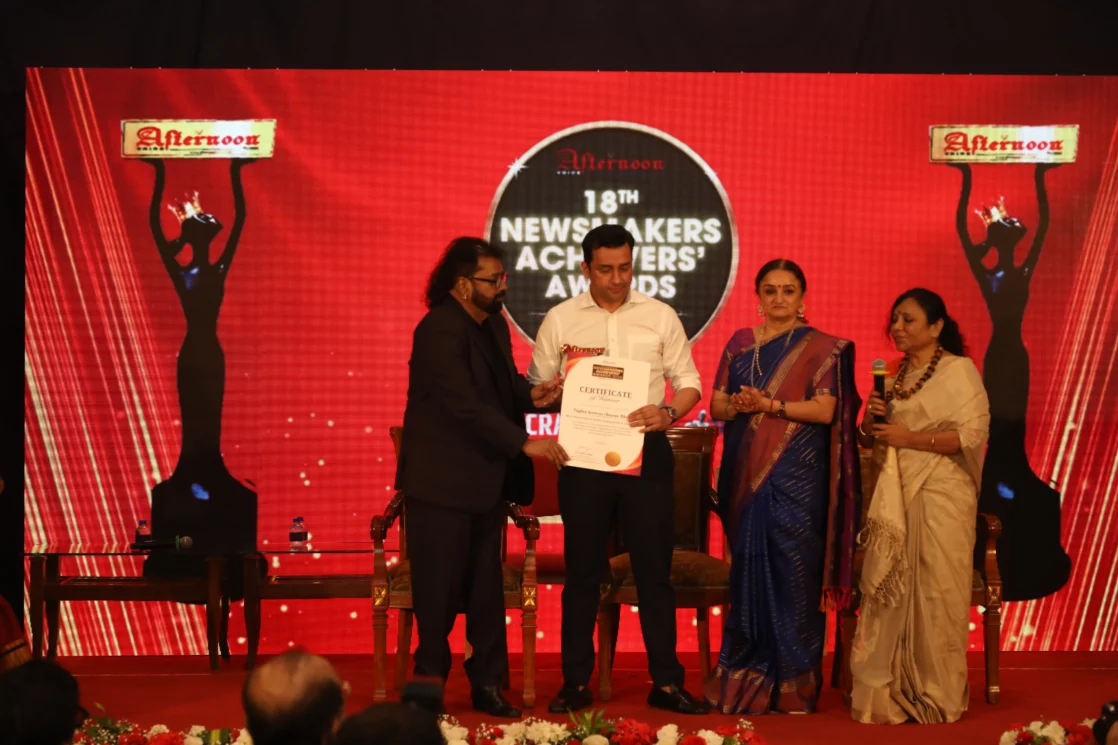
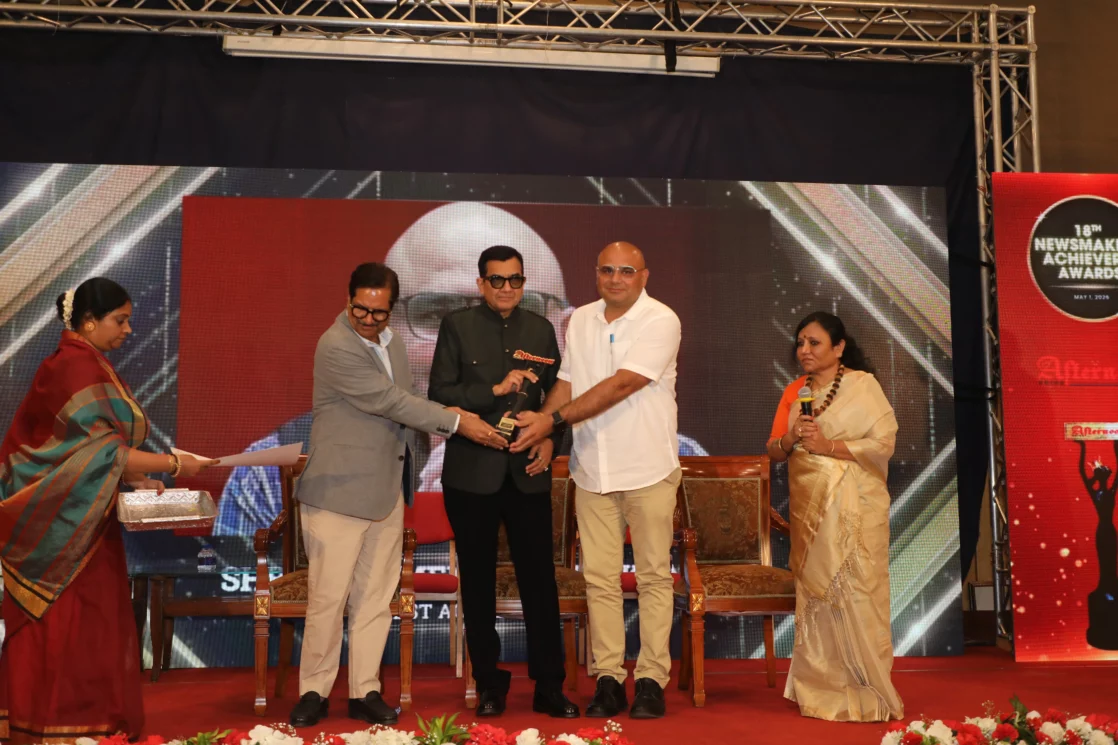
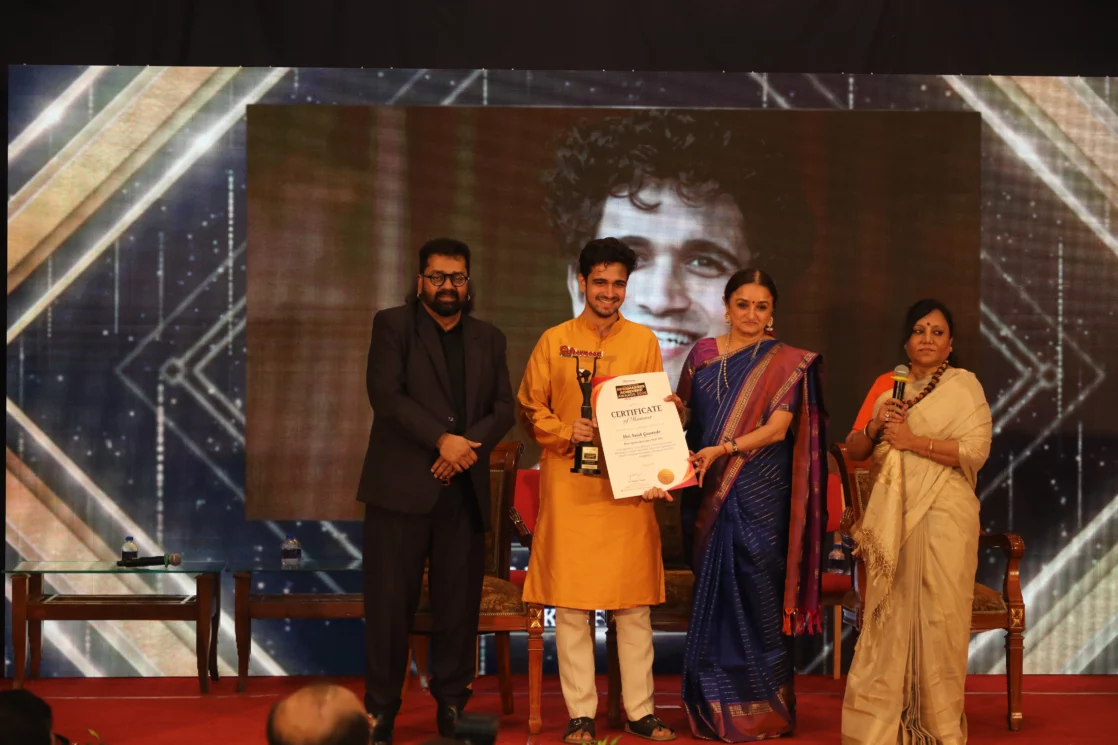
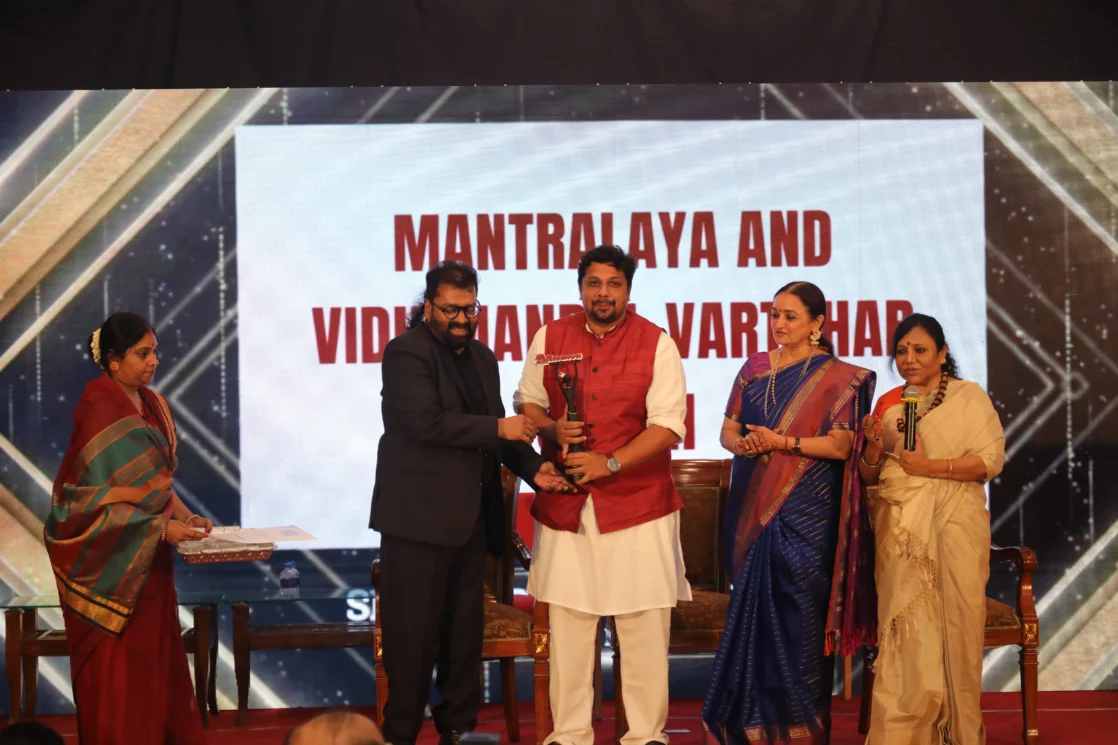
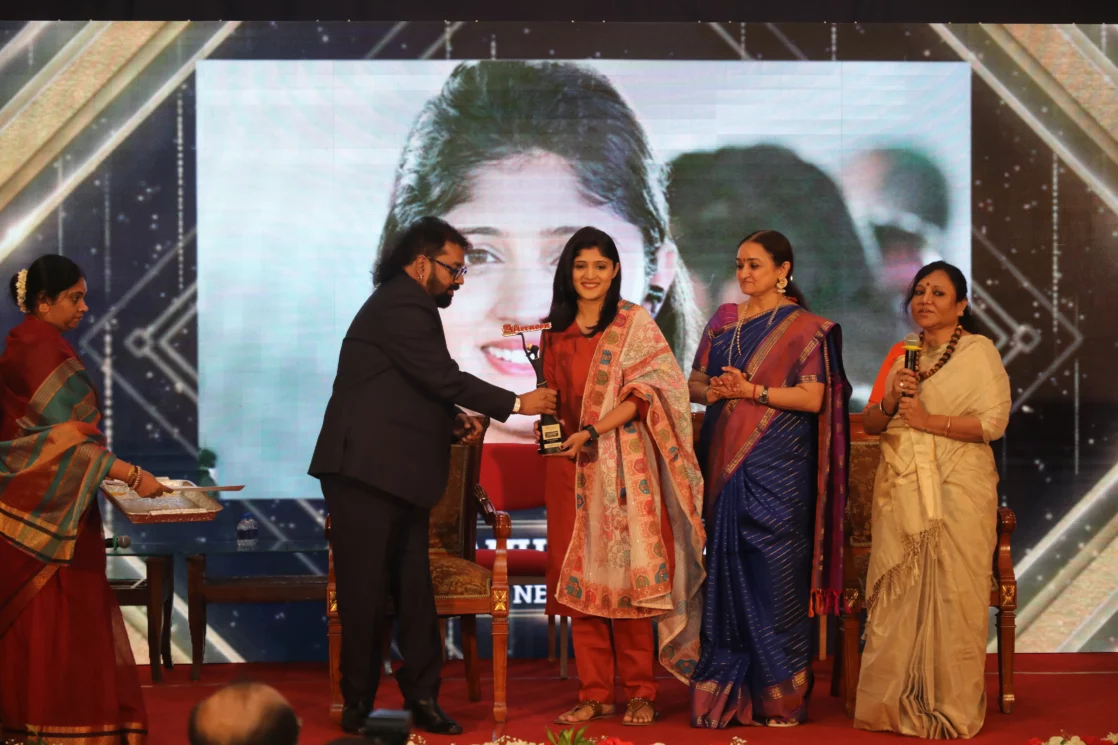
The 18th edition of the Newsmakers Achievers Awards was held in Mumbai, bringing together individuals from diverse fields including music, arts, governance, journalism, social work, sports, and public life. The event recognised contributions that have made a meaningful impact across sectors.
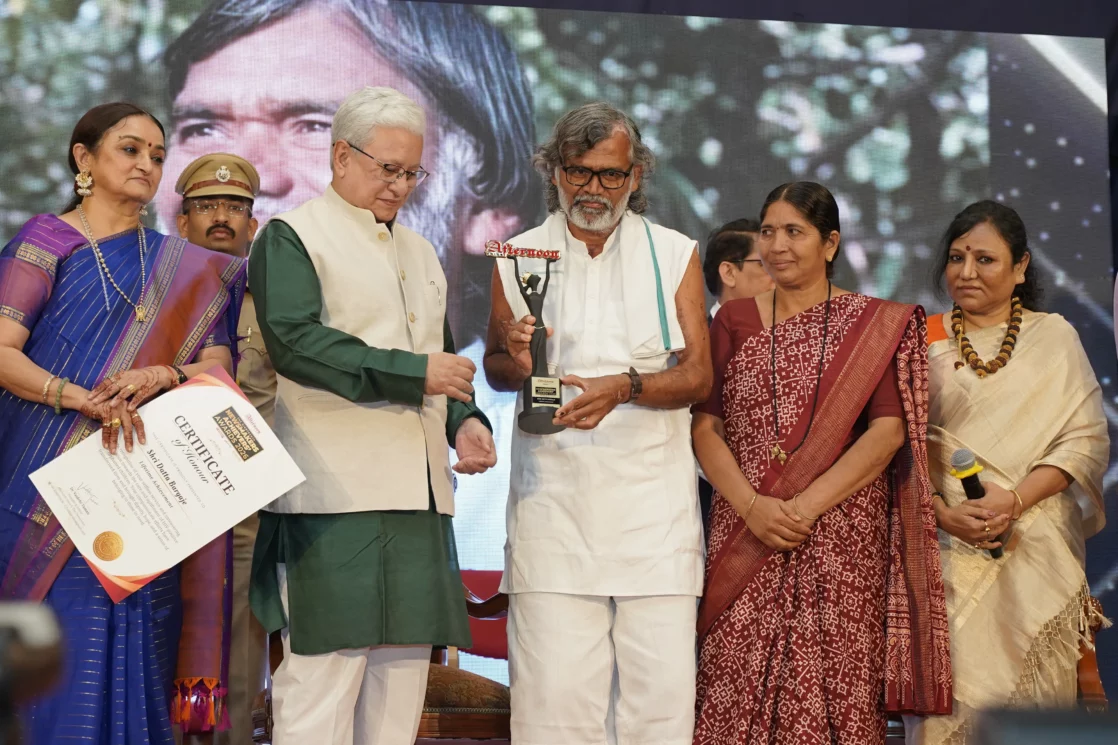
The ceremony was attended by the Hon’ble Governor of Maharashtra, Shri Jishnu Dev Varma, who addressed the gathering and presented awards to select awardees. In his remarks, he emphasised the importance of commitment, integrity, and public service in shaping society, noting that such platforms help acknowledge contributions that often go beyond visibility.
Guests of Honour at the event included Dr Sandhya Purecha, Bharat Dabholkar, and Justice Madan Gosavi (Retd.), along with representatives from media, arts, administration, and civil society.
Among those recognised during the Governor’s segment were Usha Mangeshkar Ji, Padma Shri Hariharan, Padma Shri Chef Sanjeev Kapoor, Smt Rahi Bhide, Smt Sushma Deshpande, and Shri Datta Bargaje, each acknowledged for their longstanding contributions in their respective fields.
The awards covered a wide spectrum of areas, including performing arts, wellness, sports, governance, education, environmental conservation, innovation, and journalism. Recipients included personalities such as Shri Dilip Joshi, Shri Atul Tiwari, Ms Pooja Bedi, Shri Devinder Walmiki, Shri Vijay Kumbhar, Ms Anuja Dhakras, Ajjibaichi Shala, and Shri Lt Kushagra Pathak (IFS), among others.
The event reflected a cross-section of contributions ranging from cultural preservation and artistic expression to governance, grassroots initiatives, and public communication. Several awardees represented efforts that operate beyond mainstream visibility but have demonstrated sustained impact over time.
The gathering also provided a platform for interaction among individuals from different domains, highlighting the interconnected nature of public service, creativity, and social responsibility.
Complete List of Awardees – Newsmakers Achievers Awards 2026
The 18th Newsmakers Achievers Awards recognised the following individuals and organisations:
Spiritual & Lifetime Honours
Dr Shri Vagishkumar Goswami Ji Maharaj – Spiritual Guide
Usha Mangeshkar Ji – Lifetime Achievement Award
Padma Shri Hariharan – Lifetime Achievement Award
Smt Rahi Bhide – Lifetime Achievement Award (Journalism)
Smt Sushma Deshpande – Lifetime Achievement Award
Shri Datta Bargaje – Lifetime Achievement Award
Arts, Entertainment & Lifestyle
Shri Chef Sanjeev Kapoor – Culinary Icon & Humanitarian
Shri Dilip Joshi – Best Television Actor
Shri Atul Tiwari – Best Theatre Artist
Ms Pooja Bedi – Best Wellness Coach
Shri Kishore Anand Bhanushali – Best Actor & Comedian
Shri Aryan Pasha – Best Model & Bodybuilder
Ms Krishna Mohini – Best Transgender Activist & Dancer
Public Service & Administration
Shri Lt Kushagra Pathak (IFS) – Best Wildlife Conservator
Social Impact & Community Leadership
Seva Vivek Sanstha – Best NGO
Smt Asha Mirge – Best Social Worker – Women
Shri Vijay Kumbhar – Best RTI Activist
Shri Bharat Bhushan (Gobar Man) – Best Social Worker
Ajjibaichi Shala (Yogendra Bangar) – Outstanding Social Education Initiative
Sports
Shri Devinder Sunil Walmiki – Best Sports Personality (Hockey)
Innovation & Technology
Tagbin Services (Saurav Bhaik) – Best Innovation in Public Engagement & Technology
Public Life & Media
Shri Anish Gawande – Best Spokesperson
Shri Ruben Mascarenhas – Best Working Politician
Ms Anuja Dhakras – Best Reporter
From Usha Mangeshkar to Grassroots Heroes: Newsmakers Achievers Awards 2026 in Mumbai 38From Usha Mangeshkar to Grassroots Heroes: Newsmakers Achievers Awards 2026 in Mumbai 39From Usha Mangeshkar to Grassroots Heroes: Newsmakers Achievers Awards 2026 in Mumbai 40From Usha Mangeshkar to Grassroots Heroes: Newsmakers Achievers Awards 2026 in Mumbai 41From Usha Mangeshkar to Grassroots Heroes: Newsmakers Achievers Awards 2026 in Mumbai 42From Usha Mangeshkar to Grassroots Heroes: Newsmakers Achievers Awards 2026 in Mumbai 43From Usha Mangeshkar to Grassroots Heroes: Newsmakers Achievers Awards 2026 in Mumbai 44From Usha Mangeshkar to Grassroots Heroes: Newsmakers Achievers Awards 2026 in Mumbai 45From Usha Mangeshkar to Grassroots Heroes: Newsmakers Achievers Awards 2026 in Mumbai 46From Usha Mangeshkar to Grassroots Heroes: Newsmakers Achievers Awards 2026 in Mumbai 47From Usha Mangeshkar to Grassroots Heroes: Newsmakers Achievers Awards 2026 in Mumbai 48From Usha Mangeshkar to Grassroots Heroes: Newsmakers Achievers Awards 2026 in Mumbai 49From Usha Mangeshkar to Grassroots Heroes: Newsmakers Achievers Awards 2026 in Mumbai 50From Usha Mangeshkar to Grassroots Heroes: Newsmakers Achievers Awards 2026 in Mumbai 51From Usha Mangeshkar to Grassroots Heroes: Newsmakers Achievers Awards 2026 in Mumbai 52From Usha Mangeshkar to Grassroots Heroes: Newsmakers Achievers Awards 2026 in Mumbai 53From Usha Mangeshkar to Grassroots Heroes: Newsmakers Achievers Awards 2026 in Mumbai 54From Usha Mangeshkar to Grassroots Heroes: Newsmakers Achievers Awards 2026 in Mumbai 55From Usha Mangeshkar to Grassroots Heroes: Newsmakers Achievers Awards 2026 in Mumbai 56From Usha Mangeshkar to Grassroots Heroes: Newsmakers Achievers Awards 2026 in Mumbai 57From Usha Mangeshkar to Grassroots Heroes: Newsmakers Achievers Awards 2026 in Mumbai 58From Usha Mangeshkar to Grassroots Heroes: Newsmakers Achievers Awards 2026 in Mumbai 59From Usha Mangeshkar to Grassroots Heroes: Newsmakers Achievers Awards 2026 in Mumbai 60From Usha Mangeshkar to Grassroots Heroes: Newsmakers Achievers Awards 2026 in Mumbai 61From Usha Mangeshkar to Grassroots Heroes: Newsmakers Achievers Awards 2026 in Mumbai 62
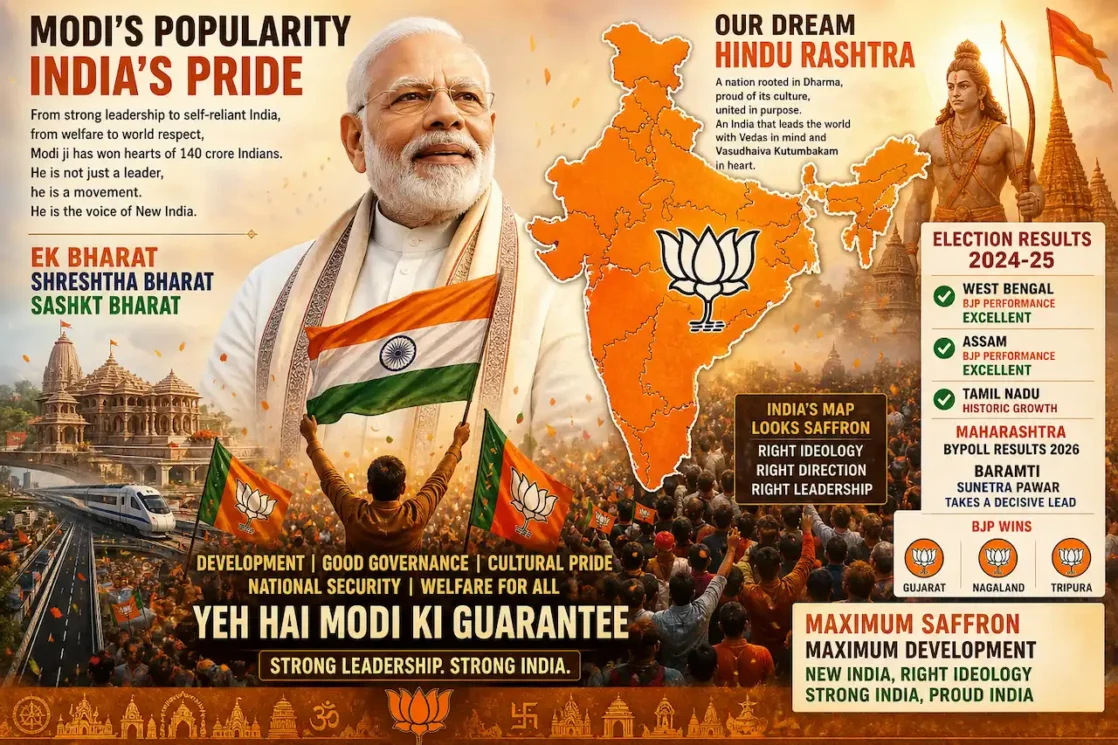
Modi Magic and the Expanding Saffron Horizon: How BJP Is Redefining India’s Political Map 64
The current political climate in India reflects not just a series of electoral victories but a deeper, more structural transformation led by the Bharatiya Janata Party under the leadership of Narendra Modi, whose influence continues to shape voter behavior across regions, classes, and generations. What sets this phase apart from earlier political waves is the BJP’s refusal to remain confined to traditional strongholds; instead, it has adopted an aggressive, calculated approach to expand into territories that were once considered politically inaccessible, and this shift is not accidental but the result of meticulous planning, ideological clarity, and organizational discipline. Modi’s popularity remains the central pillar of this expansion, functioning almost as a unifying force in a country otherwise defined by diversity and fragmentation, because for a large section of voters he represents decisiveness, national pride, and a sense of cultural reclamation that resonates beyond routine governance, and unlike many leaders who fade with time, Modi has managed to retain both relevance and emotional connection with the electorate, which is no small feat in a democracy as complex as India.
The BJP’s strategy has been to combine strong grassroots organization with a powerful national narrative, ensuring that even in regions where it lacked historical presence, it steadily built a cadre, absorbed local leadership, and created an alternative political imagination for voters seeking change, and this is particularly evident in states like West Bengal, where the party has made remarkable inroads despite decades of dominance by regional forces led by Mamata Banerjee, because what changed in Bengal was not overnight sentiment but a gradual accumulation of factors, including fatigue with prolonged rule; rising aspirations among youth; concerns around identity and governance; and the BJP’s ability to position itself as a credible challenger that could break the status quo. The narrative around border security, illegal immigration, and cultural identity found resonance among sections of the population, while the central government’s welfare schemes created a direct connection between beneficiaries and Modi, often bypassing local political structures, and this combination of emotional, ideological, and practical appeal allowed the BJP to carve out space in a state that once seemed impenetrable.
At the same time, the party’s success in Assam and its expanding footprint in Tamil Nadu reflect a broader pattern where regional complexities are not ignored but strategically engaged with, as the BJP aligns local aspirations with a national vision, carefully balancing cultural sensitivity with ideological messaging, and while Tamil Nadu remains a challenging terrain due to its entrenched Dravidian political culture, the incremental gains indicate a long-term strategy rather than immediate electoral impatience, which again highlights the party’s willingness to invest time and resources in reshaping political narratives rather than relying on short-term calculations. Across the Northeast, the BJP has demonstrated an ability to integrate regional identities into a larger developmental framework, emphasizing connectivity, infrastructure, and inclusion, thereby turning what was once a peripheral political zone into a significant contributor to its national strength.
What makes the current moment particularly striking is the visual and symbolic reality of India’s political map increasingly reflecting saffron dominance, which is not merely about electoral wins but about the consolidation of a right-leaning ideological space that emphasizes cultural pride, national security, and centralized leadership, and while critics may debate the implications of this shift, there is no denying that it has found acceptance among a substantial section of the electorate, especially younger voters who are engaging with questions of identity and nationhood with renewed intensity. The idea of India moving toward a more culturally assertive framework, often articulated in discussions around a Hindu Rashtra, has moved from the margins to the mainstream, not necessarily as a policy blueprint but as a sentiment that influences political choices, and this reflects a broader rethinking of what Indian secularism and identity should look like in the 21st century.
However, it would be simplistic to attribute the BJP’s rise solely to ideology, because governance delivery, welfare outreach, and electoral machinery play an equally critical role, and the party has excelled in combining data-driven campaigning with emotional storytelling, ensuring that its message reaches voters consistently and effectively, while the opposition continues to struggle with coherence, leadership, and narrative clarity, often appearing reactive rather than visionary, which further strengthens the BJP’s position as the dominant political force. Yet, Indian politics has always been dynamic, and while the current momentum clearly favors Modi and the BJP, the real test will lie in sustaining this expansion while addressing the diverse expectations of a vast and complex electorate, because winning elections is one challenge, but governing varied regions with distinct identities and aspirations requires a different level of adaptability and foresight.
For now, though, the picture is unmistakable: the BJP is not just contesting elections but actively reshaping India’s political and ideological landscape, and as long as Modi’s leadership continues to inspire confidence and connect with the masses, this saffron surge is likely to persist, redefining the contours of Indian democracy in ways that will be studied and debated for years to come.
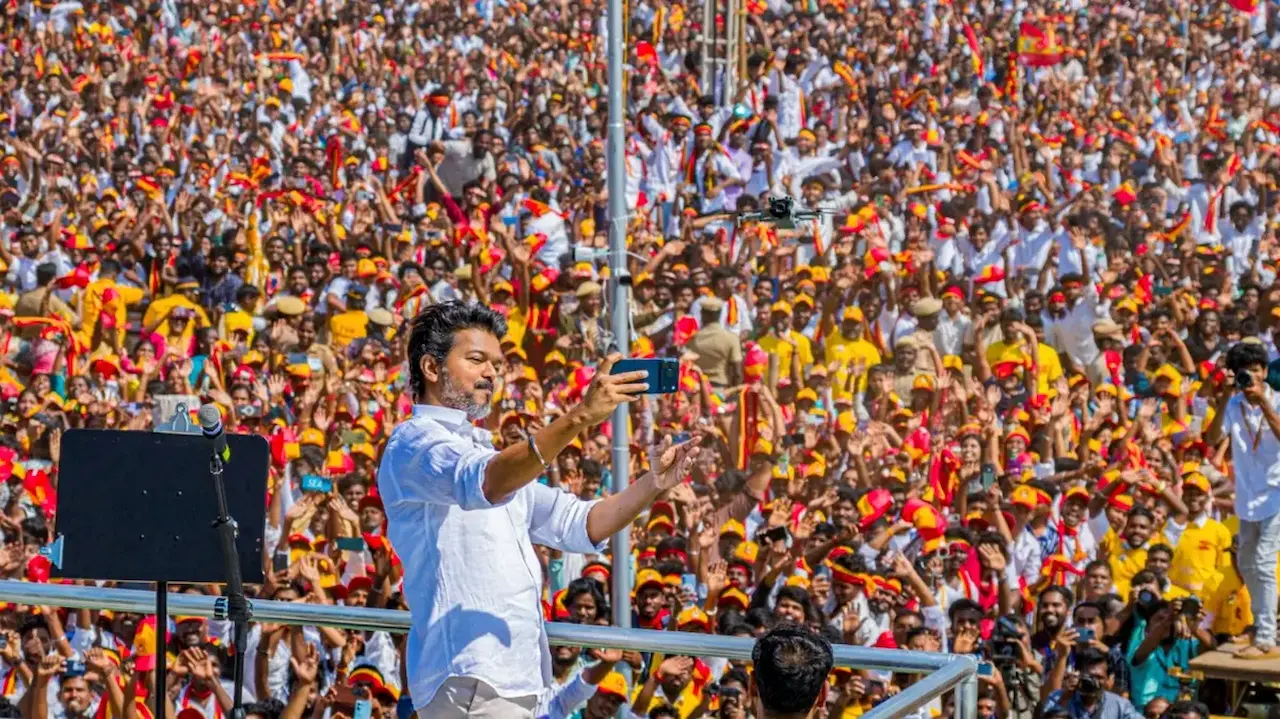
Vijay's TVK Emerges as Political 'Unicorn', Redefines Tamil Nadu's Electoral Landscape 66
Actor-turned-politician Vijay has pulled off a stunning electoral debut, with his party Tamilaga Vettri Kazhagam (TVK) emerging as a front-runner to form the government in Tamil Nadu, drawing comparisons to rare political “startups” that achieved instant success.
TVK’s rapid rise places it alongside a select group of parties such as the Aam Aadmi Party (AAP), Asom Gana Parishad (AGP), and Telugu Desam Party (TDP), all of which formed governments soon after their electoral debut. While AAP formed a government in Delhi in 2013 with outside support, AGP came to power in Assam in 1985, and TDP swept Andhra Pradesh in 1983 under the leadership of N. T. Rama Rao.
According to early Election Commission trends, TVK was leading in over 100 seats in the 234-member Assembly, well within striking distance of the majority mark of 118. In contrast, the Dravida Munnetra Kazhagam (DMK) and All India Anna Dravida Munnetra Kazhagam (AIADMK)—the two dominant Dravidian parties—were trailing significantly, marking a potential political upheaval in the state.
TVK’s meteoric rise stands out in a political landscape where many new parties fail to sustain momentum. Recent examples include Jan Suraaj Party, which generated significant buzz but failed to win seats, and Makkal Needhi Maiam, which did not make an electoral breakthrough in 2021.
Across India, several smaller parties continue to operate with limited regional influence, including outfits like the Hindustani Awam Morcha and Rashtriya Lok Morcha in Bihar, or Apna Dal (Sonelal) and Suheldev Bharatiya Samaj Party in Uttar Pradesh. However, few have managed to translate initial hype into decisive electoral victories.
Historically, successful parties have either emerged from strong ideological movements, mass agitations or charismatic leadership. The Indian National Congress traces its roots to the freedom movement, while the Bharatiya Janata Party rose through ideological mobilisation. Regional powerhouses such as the Trinamool Congress and Biju Janata Dal grew from established political figures breaking away from parent parties.
In this context, TVK’s performance stands out as a rare phenomenon—a political “startup” turning into a “unicorn” almost instantly. If current trends hold, it could not only end decades of DMK-AIADMK dominance but also inspire a new wave of political entrants looking to replicate its success.
No Victory Rallies Today: Bengal CEO Issues Strict Order Amid Vote Counting 68
West Bengal Chief Electoral Officer Manoj Agarwal on Monday announced that no victory rallies will be permitted across the state as counting of votes for 293 Assembly seats is underway.
He said the counting process is progressing smoothly and no incidents of violence have been reported so far. To maintain law and order, district magistrates have been directed not to allow any celebratory processions on the day results are declared.
“We have instructed all DMs not to allow any victory rallies today. These processions can take place from tomorrow. We want to ensure there is no post-poll violence and appeal to everyone to remain calm and maintain peace,” Agarwal said.
He added that political parties must obtain prior permission from local police stations before organising any rallies.
Reiterating that the situation remains under control, Agarwal said no poll-related deaths or violent incidents have been reported from any part of the state.
Earlier in the day, special observer Subrata Gupta said the Election Commission was examining complaints that agents of certain political parties were unable to reach counting centres.
Authorities have stepped up vigilance across the state to ensure a peaceful counting process and to prevent any potential unrest following the announcement of results.
Vijay's TVK Heads for Historic Breakthrough in Tamil Nadu, Nears Majority Mark 70
Actor-politician Vijay is on the brink of scripting political history in Tamil Nadu, with his party Tamilaga Vettri Kazhagam (TVK) emerging as a dominant force in early counting trends of the Assembly elections.
As vote counting progressed for the April 23 polls, TVK was leading in 109 of the 234 constituencies, closing in on the majority mark of 118 seats. The Dravida Munnetra Kazhagam (DMK) was trailing significantly, while the All India Anna Dravida Munnetra Kazhagam (AIADMK) was ahead in 63 seats and DMK in 40, according to Election Commission data.
In a major upset, Chief Minister M. K. Stalin was trailing in his Kolathur constituency, while Deputy Chief Minister Udhayanidhi Stalin was also behind in Chepauk-Thiruvallikeni. Several senior ministers, including Duraimurugan and Thangam Thennarasu, were trailing, indicating a strong anti-incumbency wave.
Vijay himself was leading in Tiruchirappalli East and Perambur, while senior party leader Aadhav Arjuna was ahead in Villivakkam. TVK’s surge was visible across regions, including the western Kongu belt, traditionally considered a stronghold of the AIADMK-BJP alliance.
If the trends hold and TVK crosses the majority mark, it would mark an unprecedented political shift. No party in Tamil Nadu’s history has come to power within just two years of its formation. Even M. G. Ramachandran, who founded the AIADMK in 1972, became Chief Minister only in 1977 after years in the DMK.
The results signal a potential end to decades of dominance by the two Dravidian giants—DMK and AIADMK—who have alternated power in the state since 1967, beginning with C. N. Annadurai forming the first non-Congress government.
TVK’s strong performance has also defied most exit poll predictions that had given an edge to the DMK based on its welfare-driven governance model. If the current trend translates into a final result, it could mark one of the biggest political upsets in the state’s history, reshaping Tamil Nadu’s electoral landscape.