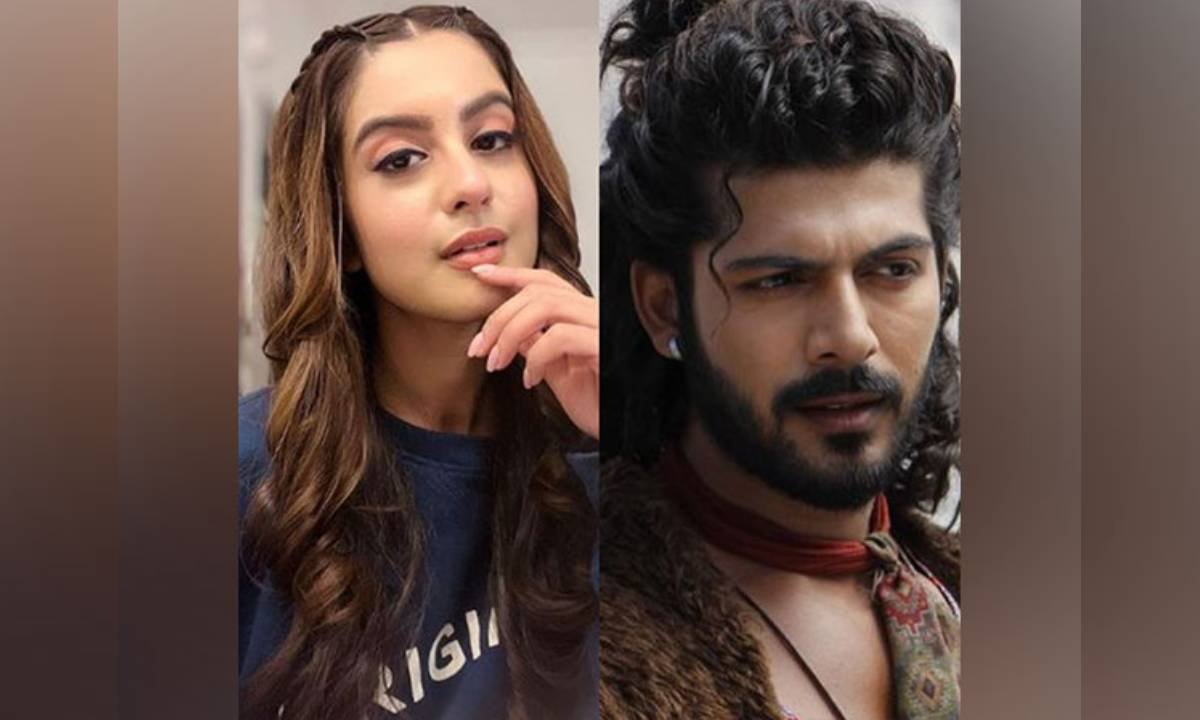
Late actor Tunisha Sharma’s mother blamed her co-actor Sheezan Khan of cheating on her daughter.
“First, he had a relationship with her saying that he will marry her and later broke up with her. He already was involved with another woman inspite of which he got involved with Tunisha and used her for three to four months. He should be punished for that, I have lost my daughter.” she said.
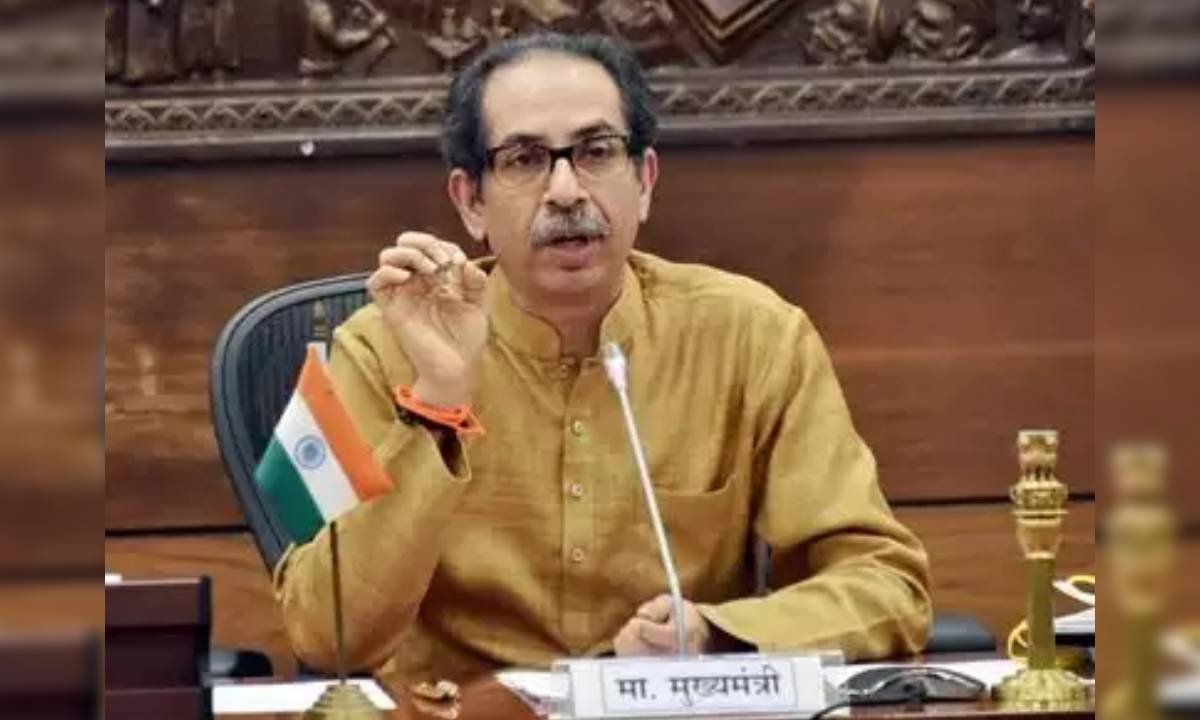
“The opposition party has presented a proposal regarding the border dispute. Everyone in the House is in agreement on this matter, said Thackeray while attending the Maharashtra Assembly on Monday.
“This fight has been going on for almost 56 years. The Marathi language has been rooted in the border since the time when the states were formed based on regional languages. Citizens living there for many years speak the Marathi language,” he continued.
“This fight is not political. I will give a pen drive. In the 1970s, a film was made about the citizens of the border area. How that proper Marathi was used in the 18th century. It is portrayed in that film. Show this film to the members of both Houses,” he said.
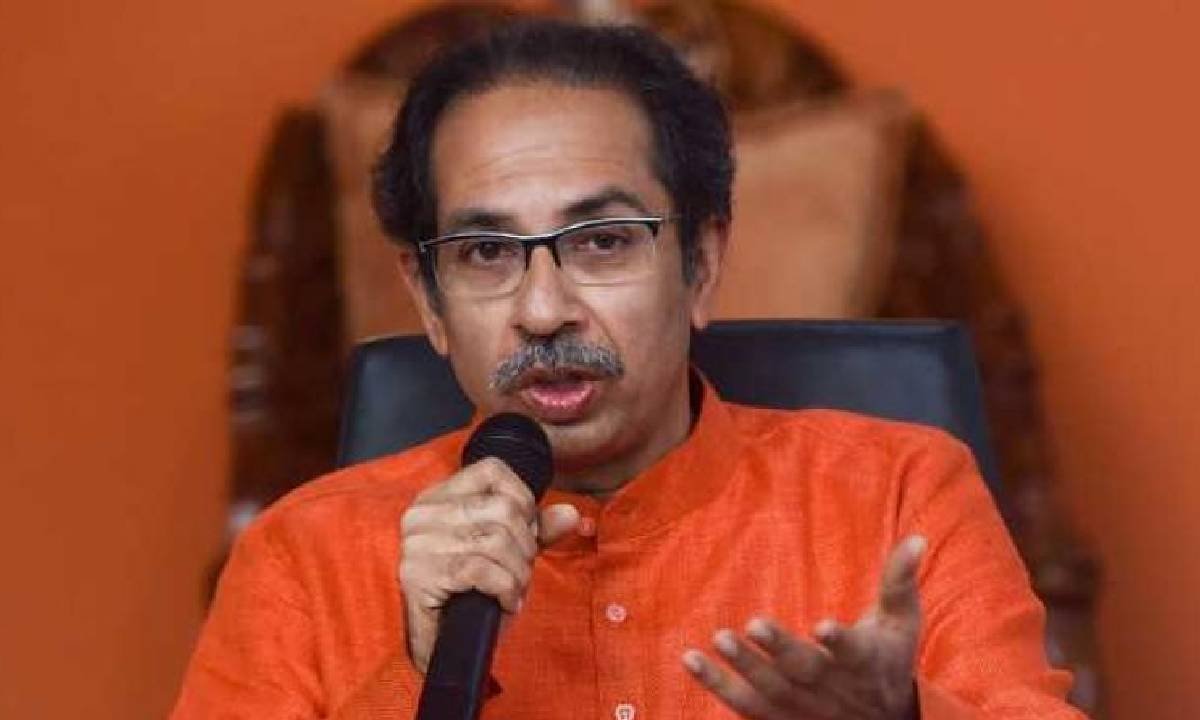
Shiv Sena President Uddhav Thackeray on Monday arrived at the Legislative council to speak on the Karnataka Border issue. Uddhav is attending the council for the first time after stepping down as CM in June this year.
The Leader of Opposition Ambadas Danve presented a resolution on the Maharashtra-Karanataka border row. “This is an important issue. I am glad that ruling and opposition both have come together on this issue,” Thackeray said.
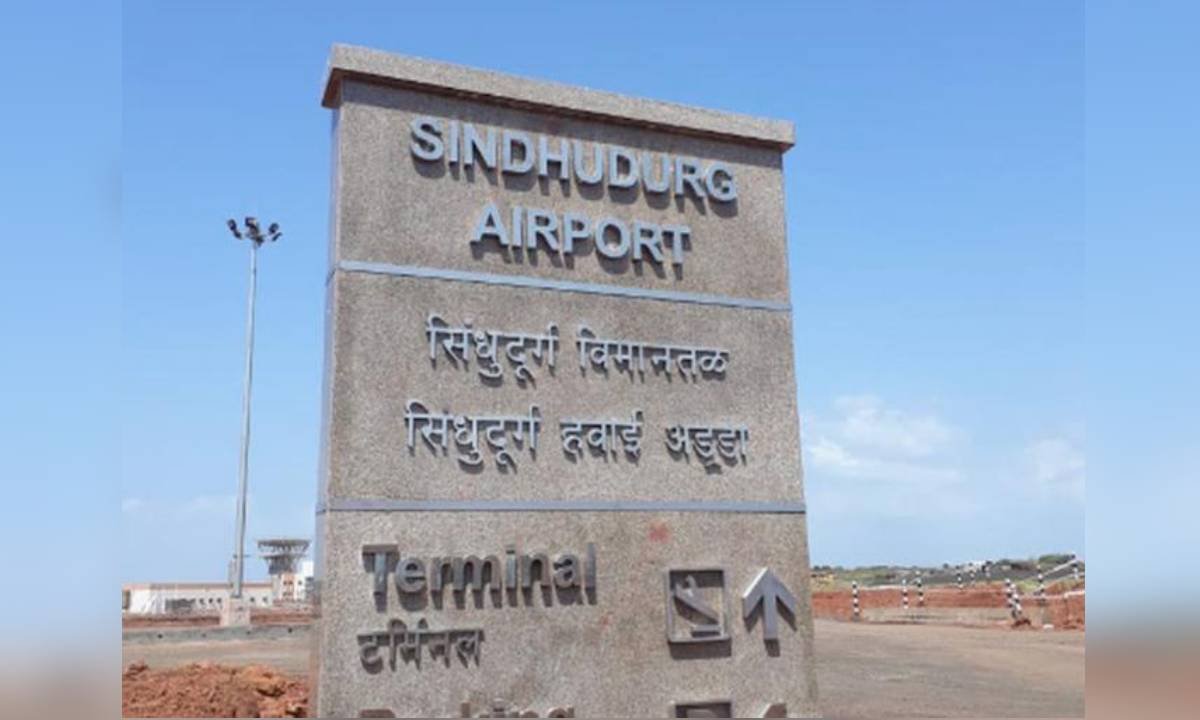
Maharashtra Assembly passed the resolution to recommend to the Centre to name the new Sindhudurg aiport after socialist leader Barrister Nath Pai. Pai was a member of parliament from Rajapur LS constituency in Konkan thrice in the 1960s. Known as one of the most influential leaders from Konkan, Pai was also one of the first leaders to propose the Konkan Railway project.
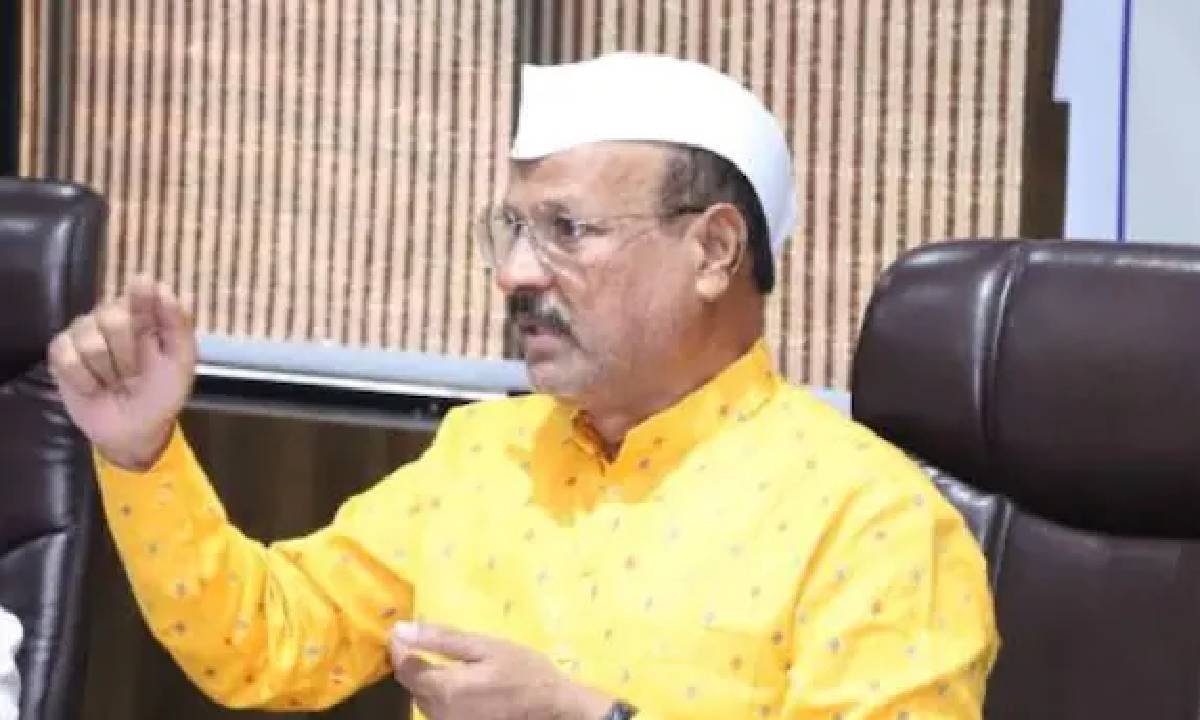
The Maharashtra Assembly was adjourned for the day on Monday after the opposition stalled the proceedings over the demand for Agriculture Minister Abdul Sattar’s resignation over a land ‘regularisation’ order passed by him when he was a minister in the previous state government.
Members of the opposition parties trooped into the Well of the House, raised slogans, disrupted the proceedings and sought Sattar’s resignation alleging irregularities in ordering ‘regularisation’ of the possession of land reserved for grazing in favour of a private person.
Sattar had passed the order in June 2022 when he was the Minister of State for Revenue in the previous Uddhav Thackeray-led Maha Vikas Aghadi (MVA) government.
Leader of Opposition in the Assembly Ajit Pawar alleged there were irregularities worth Rs 150 crore and Sattar’s land regularisation order was in clear violation of a court order.
“The minister misused the post. He should immediately resign. If he doesn’t resign, then he should be sacked,” Pawar said.
The House was adjourned twice over the issue after an uproar from the opposition members. Finally, at around 2 pm, the House was adjourned for the day.
The Nagpur bench of the Bombay High Court last week issued a notice to Sattar for ordering ‘regularisation’ of the possession of land reserved for public ‘gairan’ (grazing) in favour of a private person in the face of a civil court order.
As per the petition filed by social activist Shyam Deole and another person, a public utility land meant for grazing measuring 37 acres was ‘regularised’ in favour of a private person. This was done even after the claim of this private person had been rejected by the civil appellate court, said the petitioner.
The HC held that prima facie (on the face of it) Sattar passed the order with knowledge that additional district judge, Washim, had disallowed the claim of the private person for continuation of his possession over gairan land.
The Washim court had even passed stinging remarks that said private person was certainly out to usurp the government land, the HC noted. The high court will hear the matter further on January 11, 2023.
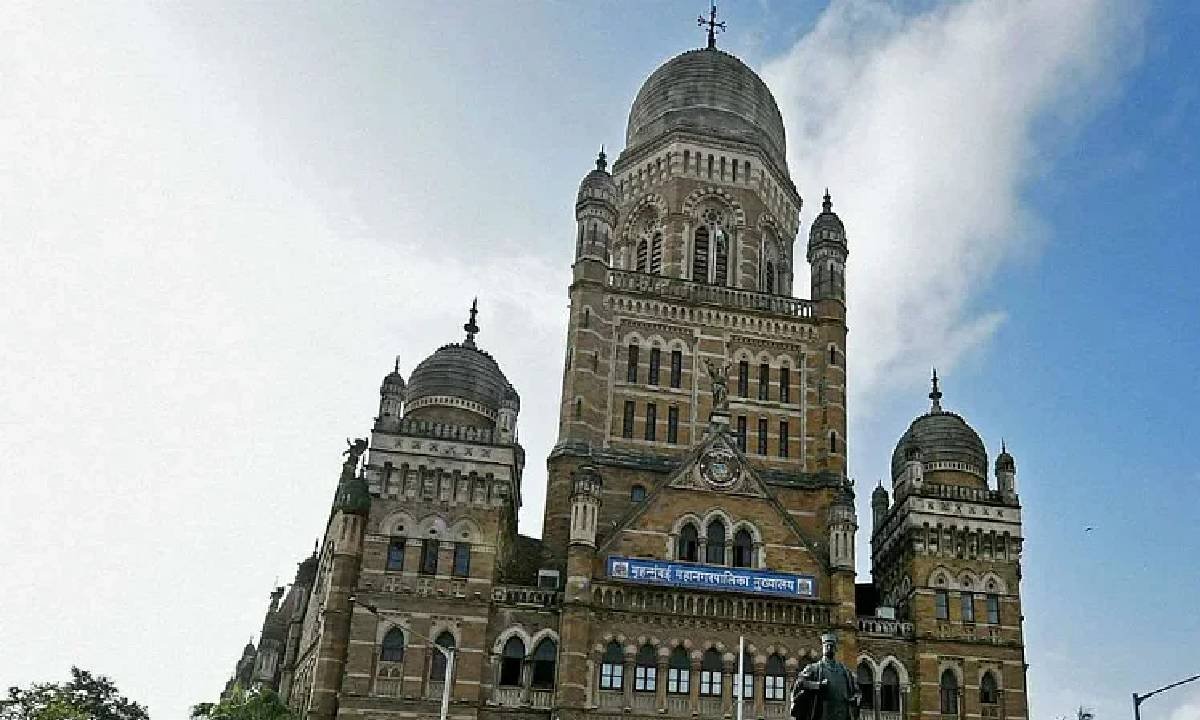
A Bharatiya Janata Party (BJP) MLA has written to the Maharashtra government alleging that the Brihanmumbai Municipal Corporation (BMC) spent around Rs 35 crore on five-star hotel stays for its officials during the COVID-19 lockdown.
In a letter to Deputy Chief Minister Devendra Fadnavis, BJP MLA Mihir Kotecha demanded a probe by the Anti-Corruption Bureau (ACB) against civic officials who allegedly spent around Rs 35 crore in 2020 and 2021. “Such behaviour throws light on the BMC caring little about lives of the common people, but keeping its officers in five-star hotels,” Kotecha wrote, claiming that the expenditure was to the tune of Rs 34.6 crore. (PTI)
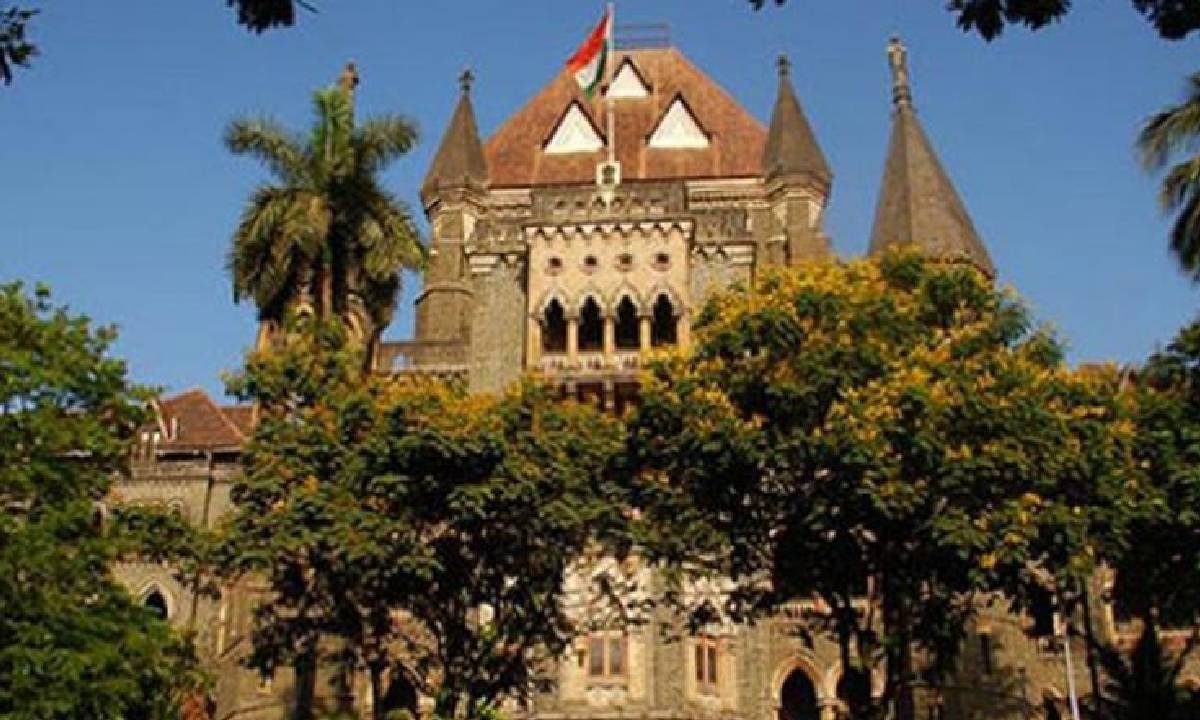
Bombay High Court directed the Maharashtra state director general of police (DGP) to appoint a senior IPS rank officer to carry out investigations into an alleged gang rape case in Solapur after the rape survivor approached the Court with her plea to transfer her case, accusing the present investigation team of protecting the accused.
The alleged gangrape took place on October 31, 2021, in Maharashtra’s Solapur area. Police recorded the victim’s statement in January 2022 and filed the chargesheet in February 2022.
The victim in her plea submitted on May 9 stated that police sidelined the statement of the victim recorded under Section 164 of the Code of Criminal Procedure (CrPC) and relied on an alibi of the accused while filing the chargesheet.
The HC bench has asked the magistrate court not to take any step on the chargesheet filed till further orders and has also directed DGO to conduct an inquiry against the investigating officer (IO) of the Solapur police.
The HC has also directed its registry to hand deliver a copy of the order to the Home Minister, Law minister of Maharashtra and State women’s commission for their information and record.
While passing the order on December 21, Bombay HC has observed that it is very unhappy over repeated cases of such nature where the police is allegedly involved in protecting the rape accused.
“It clearly appears to us that, the Investigating Officer with a view to protecting both the accused persons from the crime of higher degree has indulged into the said act. It further appears that he is interested in protecting the accused in such an offence of serious nature. The facts as unfurled are not only astonishing but flabbergasting and shake the consciousness of this court.
“In the circumstances, we hereby direct the Director General of Police, Maharashtra to personally peruse the record of the investigation and transfer the investigation of the present crime to a Senior Officer of the IPS Cadre to further investigate the present crime. The DGP is also directed to instruct the concerned Officer not to relegate his powers further to any subordinate officer, taking into consideration the serious nature of the case”
Court further said, “It is to be noted here that, we have come across at least three such cases in last three weeks wherein the statement of the prosecution has been totally disbelieved in the grave and a serious offense under Section 376 of the IPC by not following the law enunciated by the Hon’ble Supreme Court in its catena of decisions. This week itself, this is the second case we have come across, wherein Police did not adhere to basic principles of investigation”.
“In view of the above, we direct the Registrar General, High Court Bombay to communicate this Order to the Hon’ble Home Minister, Government of Maharashtra, the Hon’ble Law Minister, Government of Maharashtra, the Hon’ble Chairperson, Maharashtra State Commission For Women by hand delivery for their information and record”.
In a major reveal by the main accused in TV actor Tunisha Sharma’s death case, her former boyfriend Sheezan Khan reportedly told police that he was “so disturbed by the atmosphere in the country that emerged after the gruesome murder of Shraddha Walkar” allegedly by her live-in partner, that Khan decided to end their relationship, sources said on Monday.
During his first day in police custody, Sheezan told Waliv police that he ended the relationship with Tunisha after seeing repercussions emerging from the Shraddha Walker case and told his former paramour that belonging to a different community stands in their way as did their age gap.
During interrogation, Sheezan further revealed that Tunisha had earlier also attempted suicide after they broke up.
“Tunisha had recently tried to commit suicide a few days before her death, but at that time I saved her and told Tunisha’s mother to take special care of her,” police sources quoted Sheezan as saying.
Tunisha and Sheezan broke up a fortnight before she was found dead inside a toilet in a TV shoot set on December 24.
On Sunday, a court in Vasai, Maharashtra, sent actor Sheezan Khan to police custody for four days in connection with Tunisha Sharma’s alleged suicide case. Waliv police produced Khan in the court after his arrest in the case for abetment to suicide.
The case was registered against him under Section 306 of the Indian Penal Code. Tunisha was found dead on the sets of a TV serial on December 24, according to Waliv Police. They received information that after a tea break, the actress went to the toilet and when she did not come back, the police broke the door open and found her hanging. No suicide note was recovered at the spot by police.
The police have said the reason behind Tunisha’s alleged extreme step that ended her life could be her breakup with Sheezan over a fortnight back. The First Information Report, or FIR, of the case, revealed that the two actors were in a relationship, and had broken up 15 days ago. Tunisha Sharma was reportedly under stress, and it is suspected that’s what drove her to the edge, said the Mumbai police.
The police have sent the mobile phones of both Tunisha and Sheezan to the forensic lab, so that the calls and chats between the two can be retrieved to understand what happened between the duo and what drove Tunisha to death after 15 days of breakup,” police sources said.
According to the initial probe, Tunisha had left her house happily on Saturday morning to go to the serial set. After the first shift shoot was over, Sheejan Khan and Tunisha were in the make-up room, both of them went to lunch as usual, the police said.
However, Tunisha did not have lunch on the day of her demise and after Sheejan finished lunch, both of them started their work, Sheezan went to shoot on the set and Tunisha went to the makeup room. When Tunisha Sharma did not come back after her tea break, then people started looking for her. The police are now probing the reason behind her alleged suicide.
Notably, police have recorded statements from Tunisha’s mother Vanita Sharma, and her maternal uncle. “Family members are in shock after this incident. Tunisha used to live with her mother in the Indraprastha building on Meera Road. She used to bear all the expenses of the family, but now she is no more. Whoever is the accused should be punished,” Tunisha’s uncle said.
The Bombay high court warned it will initiate contempt proceedings against two porn websites if they do not remove obscene videos of a minor. Justices Ramesh Dhanuka and Milind Sathaye made it clear to the websites after they were informed by the Centre’s advocate that officers of the department of telecommunication (DoT) tried to block six links operated by them but while doing so more links were generated, reports Rosy Sequeira.
The court heard a petition by the girl that obscene videos of her were uploaded onto 19 porn websites. No sooner had she learnt of them, a complaint was filed with cyber police on September 15. Following legal notices by the girl’s lawyers, 13 out of 19 links were removed. The girl urged direction against the two websites that were still operating six links. The judges on Wednesday said the respondent websites “have prima facie violated various provisions” of Information
Technology Act, 2000, and rules under it. They issued notices to the websites and directed DoT to block the links. On Friday, Centre’s advocate Uma Kshirsagar-Wagle urged for more time, saying “appropriate procedure” will have to be followed to block the links completely. The judges directed the Centre to communicate the orders to the two websites for “information and compliance”. They directed these websites “to remove the offending links” within 24 hours.
The judges said in the communication, it shall be made clear that if the orders of HC is not complied with “this court would follow the appropriate procedure under the provisions of the Contempt of Courts Act, 1971 against them”. They directed DoT to take “all possible technical assistance” to comply with HC’s orders and file an affidavit in case of any difficulty. Granting the Centre more time they adjourned the hearing to January 16, to know steps taken by DoT.
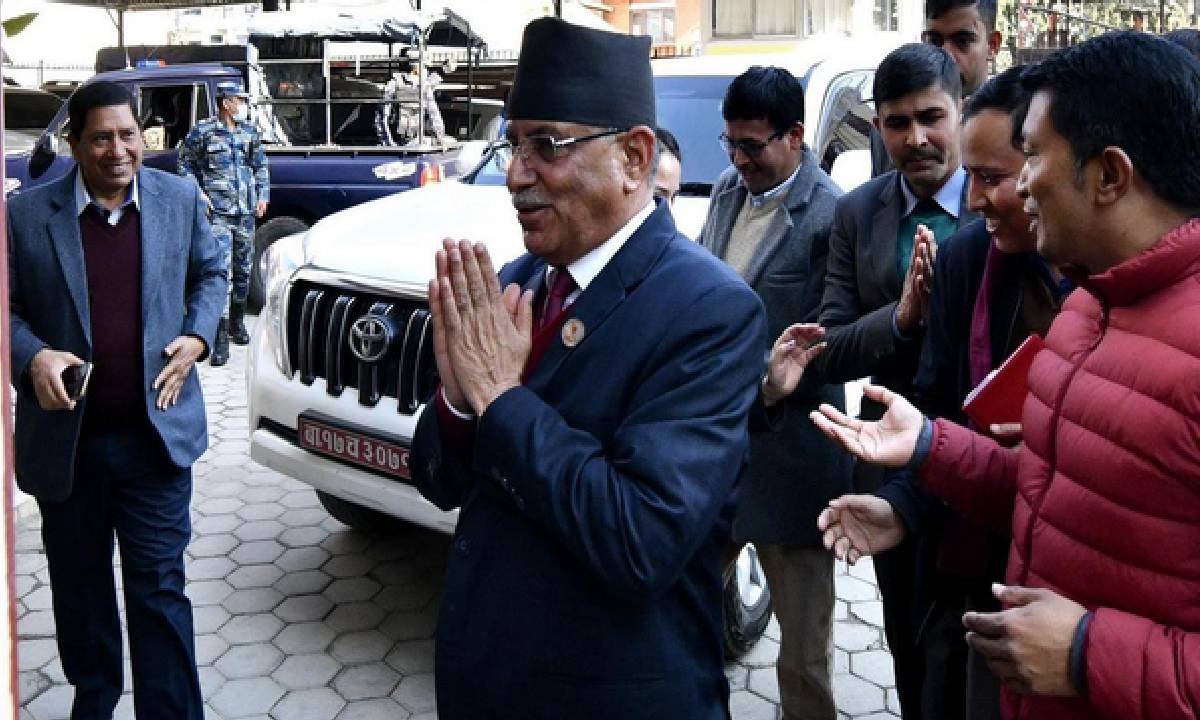
Pushpa Kamal Dahal “Prachanda” will be sworn in for the third time as the Prime Minister of Nepal on Monday, a day after President Bidya Devi Bhandari appointed him as the new premier and ended the protracted political uncertainty in the Himalayan nation.
President Bhandari on Sunday appointed 68-year-old Prachanda as the country’s new prime minister as per Article 76 (2) of the Constitution after receiving the CPN-Maoist Centre chairman’s claim to the seat, backed by as many as 169 Members of the House of Representatives.
The former guerrilla leader will take charge as the prime minister after taking the oath of office and secrecy from President Bhandari at an official ceremony at Shital Niwas on Monday afternoon.
Despite getting appointed prime minister with an overwhelming majority, Prachanda will now have to win a vote of trust from the lower house within 30 days as per Article 76 (4) of the Constitution.
“The prime minister of a coalition government must prove that he has the confidence of the House,” Mohan Acharya, a constitutional lawyer, told the Kathmandu Post newspaper. If he fails to win the confidence of the House, then a new process for government formation will begin.
The surprise development of Prachanda becoming the new premier may not bode well for India-Nepal ties as he and his main backer and former premier K P Sharma Oli have had some run-ins with New Delhi previously over territorial issues.
Oli on Sunday outfoxed his bete noire and ex-prime minister Sher Bahadur Deuba, a veteran of maneuvering hung parliaments to his advantage.
Prachanda, who is being appointed as the Prime Minister of Nepal for the third time, is seen as pro-China. He has in the past said a new understanding with India needed to be developed on the basis of a “changed scenario” in Nepal and after addressing all outstanding issues, like revision of the 1950 Friendship Treaty and resolving Kalapani and Susta border disputes.
The India-Nepal Treaty of Peace and Friendship of 1950 forms the bedrock of the special relations between the two countries. In recent years, Prachanda, however, has said India and Nepal need to address diplomatically some of the issues “left by history” to realise the full potential of the bilateral cooperation. His main backer Oli is also known for his pro-China stance.
As the prime minister, Oli last year claimed that efforts were being made to oust him after his government redrew Nepal’s political map by incorporating three strategically key Indian territories, a move that strained ties between the two countries. India had termed as “untenable” the “artificial enlargement” of the territorial claims by Nepal after its Parliament unanimously in 2020 approved the new political map of the country featuring Lipulekh, Kalapani and Limpiyadhura areas which India maintains belong to it.
The country shares a border of over 1,850-km with five Indian states – Sikkim, West Bengal, Bihar, Uttar Pradesh and Uttarakhand. Land-locked Nepal relies heavily on India for the transportation of goods and services. Nepal’s access to the sea is through India, and it imports a predominant proportion of its requirements from and through India.
Born in Dhikurpokhari of Kaski district near Pokhara on December 11, 1954, Prachanda remained underground for almost 13 years. He joined mainstream politics when the CPN-Maoist adopted peaceful politics, ending a decade-long armed insurgency. He led the decade-long armed struggle from 1996 to 2006 that ultimately ended with the signing of the Comprehensive Peace Agreement in November 2006.
Earlier, a crucial meeting was held at former prime minister Oli’s residence where the CPN-Maoist Centre and other smaller parties agreed to form a government under the leadership of ‘Prachanda’.
There has been an understanding between Prachanda and Oli to lead the government on a rotation basis and Oli agreed to make Prachanda Prime Minister at the first chance as per his demand.
Earlier in the day, Prachanda walked out of the Nepali Congress-led five-party alliance after Nepali Congress president Deuba rejected his bid to become the Prime Minister in the first round. Deuba and Prachanda had earlier reached a tacit understanding to lead the new government on a rotational basis.
During talks with Prachanda on Sunday morning at the PM House, Nepali Congress had staked a claim for both the key posts of President and Prime Minister, which Prachanda had rejected, resulting in the failure of the talks, Maoist sources said.
After talks with Prime Minister Deuba failed, Prachanda reached the private residence of CPN-UML chairman Oli to seek his support to become the Prime Minister. Leaders of other smaller parties joined him. Not only did Oli succeed in getting Prachanda anointed as the prime minister, a move which weaned Prachanda away from the Congress-led alliance, but he also now gets to have his own candidate for the head of the state and the Speaker of the House of Representatives along with plum ministries and a majority of the provincial chief ministers.
The wheel turned full circle since Prachanda and Oli were allies till the former broke away last year and backed Deuba for the prime minister. Until Sunday afternoon, a Nepali Congress-led coalition led by Deuba was the favourite to form the next federal government.
The Oli masterstroke means that he will now get to pull the strings of power. “Until the last hour, the UML was not getting anything but now it will have the President and Speaker from the party, apart from the chief ministers of at least four provinces. It is a political triumph for Oli,” Jhalak Subedi, an analyst of left politics, told the Kathmandu Post.
“Even though Oli is not taking the helm of government, he will have the pole position in steering the government, checking the Dahal-led administration through the President and Speaker,” the analyst added.
The Deuba-led Nepali Congress is the largest party with 89 seats in the House of Representatives while CPN-UML and CPN-MC have 78 and 32 seats, respectively. No party in the 275-member House of Representatives has 138 seats required to form a government.
In the House, CPN (Unified Socialist) has 10 seats, Loktantrik Samajwadi Party (LSP) has four, and Rastriya Janamorcha and Nepal Workers and Peasants Party have one seat each. There are five independent members in the Lower House.
The new alliance of the seven parties seems to be headed to form governments in all seven provinces.