Home Blog Page 7

BJP Fields Ritu Tawde for Mumbai Mayor, Shiv Sena Names Sanjay Ghadi as Deputy Mayor Pick

sanjay ghadi, ritu tawde, mayor, mumbai mayor, bmc, bjp, shiv sena
BJP Fields Ritu Tawde for Mumbai Mayor, Shiv Sena Names Sanjay Ghadi as Deputy Mayor Pick 2

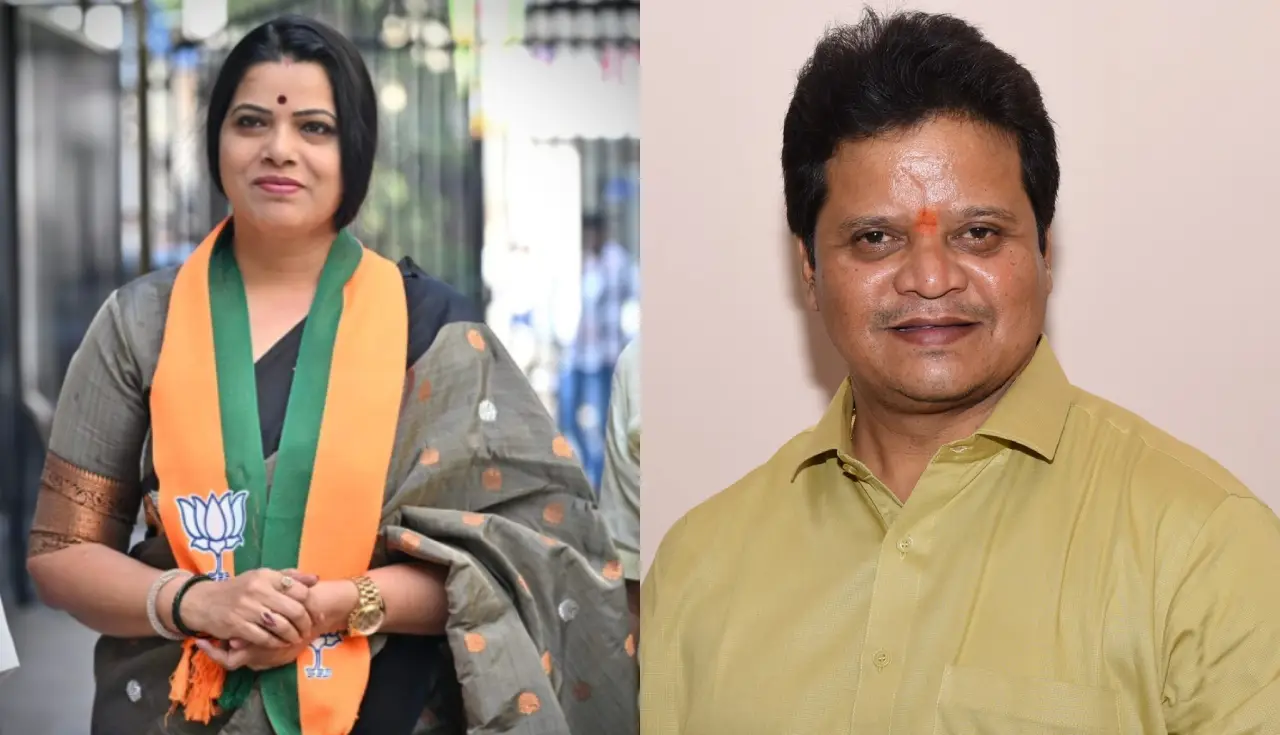
The Bharatiya Janata Party on Saturday named corporator Ritu Tawde as its candidate for the Mumbai mayoral election, while ally Shiv Sena announced Sanjay Ghadi as its nominee for the deputy mayor’s post, signalling a smooth power-sharing arrangement within the ruling alliance at the Brihanmumbai Municipal Corporation.

BJP leader Amit Satam declared Tawde’s candidature, while Shiv Sena leader Rahul Shewale announced Ghadi’s name at the Brihanmumbai Municipal Corporation headquarters. Tawde represents Ward 132, whereas Ghadi was elected from Ward 5 in the civic polls held on January 15.

According to a statement by Shiv Sena secretary Sanjay More, Ghadi will serve as deputy mayor for a 15-month term. A former Shiv Sena (UBT) corporator, Ghadi had earlier switched allegiance to the Eknath Shinde-led Shiv Sena. The party has decided to split the deputy mayor’s tenure to provide opportunities to four of its corporators.

In the elections to the 227-member BMC, the BJP emerged as the single largest party with 89 seats, while Shiv Sena secured 29. Together, the ruling alliance commands 118 corporators, comfortably crossing the majority mark of 114 and placing it in a strong position to clinch the mayor’s post.

The Shiv Sena (UBT), which controlled the civic body for 25 years since 1997, won 65 seats. Its allies, the Maharashtra Navnirman Sena and the Nationalist Congress Party (Sharad Pawar), secured six and one seat respectively. The Congress won 24 seats, AIMIM eight, the NCP (Ajit Pawar faction) three, and the Samajwadi Party two, while two independents also emerged victorious.

The civic polls were held after a nine-year gap, during which the BMC was run by an administrator appointed by the state government following the expiry of the previous term in March 2022. The BMC, the country’s richest civic body, has a budget of Rs 74,450 crore for 2025–26, exceeding that of several smaller states.

Revanth Reddy Dares BJP to Take Power in Telangana, Raps Amit Shah Over Minority Quota Remarks

revanth reddy, delimitation, south india, bias against south, telangana
Revanth Reddy Dares BJP to Take Power in Telangana, Raps Amit Shah Over Minority Quota Remarks 4

Telangana Chief Minister A Revanth Reddy on Thursday hit out at the BJP over its stand on minority reservations, challenging the saffron party to form a government in the state if it has the courage to act on its promises.

Addressing a consultative meeting of Jamiat Ulama Telangana in Hyderabad, Reddy referred to past remarks by Union Home Minister Amit Shah, who had said the BJP would scrap the four per cent minority quota if voted to power in Telangana.

Referring to BJP president Nitin Nabin addressing a public meeting at Mahabubnagar a day earlier, the chief minister said such statements exposed the party’s intentions. “Amit Shah has openly said the four per cent reservation for Muslims will be removed if the BJP comes to power. I am asking Prime Minister Narendra Modi and Amit Shah—if you have courage, form the government in Telangana,” Reddy said.

The chief minister alleged that the BJP’s recent electoral gains in the state were aided by vote transfers from the BRS at the cost of its own prospects. He said his government was committed to protecting constitutional guarantees for minorities and social harmony.

Reddy also announced that the state government is working on a comprehensive law against hate speech and hate crimes, which will be introduced in the upcoming budget session of the Assembly. He said he had requested former Supreme Court judge Justice Sudarshan Reddy to assist in drafting the proposed legislation, aimed at preventing divisive remarks and ensuring strict punishment for offenders.

Stressing unity, the chief minister said people from both majority and minority communities must work together to enable India to compete globally with nations such as the US, China and Japan. He added that the state’s caste survey had helped finalise data on the Muslim population, which would aid efforts to make the four per cent minority reservation permanent.

The chief minister said the reservation policy had enabled minority students to secure government jobs and improve their socio-economic standing. Meanwhile, BJP leaders have accused the Congress government of indulging in appeasement politics, with Nitin Nabin alleging that Revanth Reddy was undermining Telugu language and culture.

Rival Sena Factions Join Hands with Both NCPs in Barshi Ahead of Maharashtra ZP Polls

barshi, maharashtra, zp, maharashtra zp, elections, pollc, zp polls
Rival Sena Factions Join Hands with Both NCPs in Barshi Ahead of Maharashtra ZP Polls 6

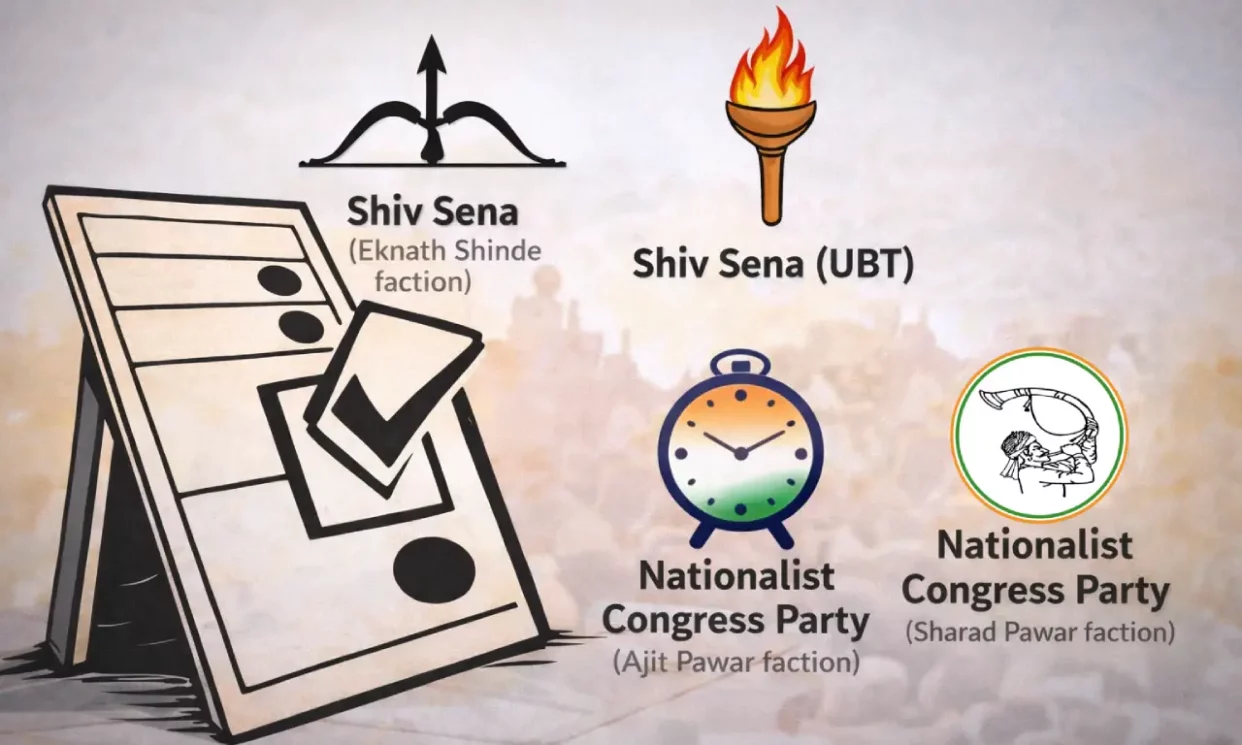
In a striking local-level political realignment, rival factions of the Shiv Sena—led by Eknath Shinde and Uddhav Thackeray—have come together to form a joint front in Barshi taluka of Solapur district, alongside both factions of the Nationalist Congress Party (NCP), ahead of the upcoming Zilla Parishad and Panchayat Samiti elections.

Elections to 12 Zilla Parishads and 125 Panchayat Samitis across Maharashtra are scheduled to be held on February 7. Despite being fierce rivals at the state level, the two Shiv Sena factions have aligned locally in Barshi, signalling the fluid nature of grassroots politics.

Deputy Chief Minister Eknath Shinde campaigned for the four-party front on Wednesday, addressing a rally at Vairag in Barshi taluka. Notably, Dilip Sopal, a Shiv Sena (UBT) MLA from the region, was present on the stage.

Speaking in a lighter tone, Shinde remarked that Sopal had “taken the wrong bus”, suggesting that had he aligned differently during the 2024 Assembly elections, he might have been part of the state cabinet. The comment drew attention to the shifting loyalties and tactical alliances shaping local contests.

A Shiv Sena (UBT) leader from Solapur, speaking on condition of anonymity, said the alliance was strictly limited to the Barshi taluka and aimed at countering the Bharatiya Janata Party at the local level. He clarified that the front covers 238 villages in the taluka and is relevant only for the Zilla Parishad and Panchayat Samiti polls.

The Sena (UBT) leadership has earlier maintained that it would not align with either the Shiv Sena led by Shinde or the NCP. However, similar local-level arrangements have surfaced in the past. In December’s municipal council elections, the two Sena factions had jointly backed a candidate in Kankavli taluka of Sindhudurg district, leading to a surprise victory.

The Shiv Sena split in June 2022 after Shinde rebelled against Thackeray with a majority of MLAs and later joined hands with the BJP to form the government. While Shinde’s faction is now part of the ruling Mahayuti alliance along with the NCP, Sena (UBT) remains a key constituent of the Opposition Maha Vikas Aghadi, making the Barshi tie-up an unusual but telling example of pragmatic local politics.

The Epstein Files: When Power Losses Its Soul and Society Pays the Price

The Epstein Files, Epstein, abuse of minors, abuse of minors, elite accountability
The Epstein Files: When Power Losses Its Soul and Society Pays the Price 8

There are moments when silence becomes complicity. The Epstein files mark one such moment.

The images and accounts emerging from these records are not merely disturbing—they are devastating. They inflict a moral shock because they force society to confront an ugly reality: extreme power, when unchecked, breeds extreme decay. Watching the stories of exploited minor girls is not voyeurism; it is an indictment of a system that repeatedly failed those who had no power at all.

What the Epstein disclosures have exposed is not isolated misconduct but a structural sickness—a world where influence cushions accountability and wealth negotiates consequences. Jeffrey Epstein did not operate in a vacuum. He thrived in proximity to power, prestige, and privilege, protected by a culture that valued reputation management over justice.

His 2008 conviction, followed by an inexplicably lenient plea deal, stands as a stain on institutional credibility. That arrangement was legal—but legality is not morality. It sent a chilling message: the law bends differently for those at the top.

The latest release—millions of pages of documents, images, and videos—has ignited political upheaval globally because it underscores how deeply embedded Epstein was across elite networks spanning politics, business, royalty, philanthropy, and media. These documents do not declare guilt. But they raise unavoidable questions about access, association, and prolonged silence in the face of known abuse allegations.

And this is where society must pause.

Being named in documents does not equal wrongdoing. But patterns of proximity to a convicted offender, coupled with institutional inaction, cannot be waved away as coincidence. When investigations stall, when accountability dissolves, when those with influence emerge untouched, public trust corrodes.

Equally troubling is the timing—and the distraction.

As these revelations send shockwaves across global institutions, public discourse is being diluted by spectacle, memes, and performative outrage. In India, attention is diverted, debates are trivialized, and algorithms reward mockery over moral reckoning. This is not civic engagement; it is anesthesia.

The danger is not outrage—it is normalization.

When revelations involving abuse of minors are reduced to background noise, society signals that character is optional if power is sufficient. That is how moral collapse becomes systemic.

The Epstein files are not a trial; they are a warning.
A warning that systems designed to protect the vulnerable have been repeatedly overridden by status and influence.
A warning that justice delayed for decades is justice denied.
A warning that image-building has replaced ethical responsibility.

History will not judge societies by how loudly they argued online, but by whether they demanded transparency, reform, and institutional accountability—without hysteria, without slander, and without fear.

Because the true threat is not what has already been revealed.
The true threat is what society chooses to ignore once the headlines fade.

And that choice will define the future far more than any individual name ever could.

Tender Row in Panvel: Irregularities Alleged in Kalamboli Gate Pump Project, HC Case Cited

panvel, Tender Row in Panvel, tender,
Tender Row in Panvel: Irregularities Alleged in Kalamboli Gate Pump Project, HC Case Cited 10

Serious irregularities have been alleged in the tender process floated by the Panvel Municipal Corporation for installing a gate pump system at Kalamboli Pond, raising concerns over cartelisation, abuse of authority and violations of procurement and vigilance norms.

The controversy has intensified as the matter is currently sub judice before the Bombay High Court, yet the civic body is accused of proceeding hastily towards awarding the contract. Stakeholders have flagged this move as undermining judicial oversight, particularly after objections were raised by established firms such as Welspun Michigan Adroit.

At the centre of the dispute is a mandatory Manufacturer’s Memorandum of Understanding (MoU) clause, which critics allege has been selectively enforced. According to the objections, several technically qualified bidders were denied MoUs without transparent or objective reasoning, while the condition allegedly favoured a specific contractor, Friends Electricals, effectively restricting competition and violating the principle of a level playing field.

The allegations are further compounded by claims of undue haste in finalising the tender, reportedly timed ahead of possible administrative reshuffles, fuelling suspicions of pre-determination and conflict of interest.

On the technical front, the tender specifications are alleged to promote smaller, foreign-made gate pump systems while sidelining larger, proven systems already in operation across India. Critics argue that factors such as lifecycle costs, maintainability, redundancy and Indian operating conditions have been overlooked, potentially exposing public infrastructure to operational risks.

The process is also accused of violating multiple directives of the Central Vigilance Commission, including guidelines on brand neutrality, functional specifications and avoidance of restrictive eligibility criteria. No clear justification or competent approval for these deviations has been made public, it is alleged.

Taken together, the alleged MoU manipulation, vendor-specific conditions, suppression of objections and rushed decision-making have sparked fears of misuse of public funds and erosion of trust in municipal governance. Critics warn that if the allegations are not independently examined, the case could set a troubling precedent for urban procurement practices across the country.

Vaidehi Taman to Speak at 14th Global Festival of Journalism & AVGC 2026 in Noida

Global Festival of Journalism 2026, Vaidehi Taman, AVGC Festival Noida, Afternoon Voice Editor-in-Chief
Vaidehi Taman to Speak at 14th Global Festival of Journalism & AVGC 2026 in Noida 12

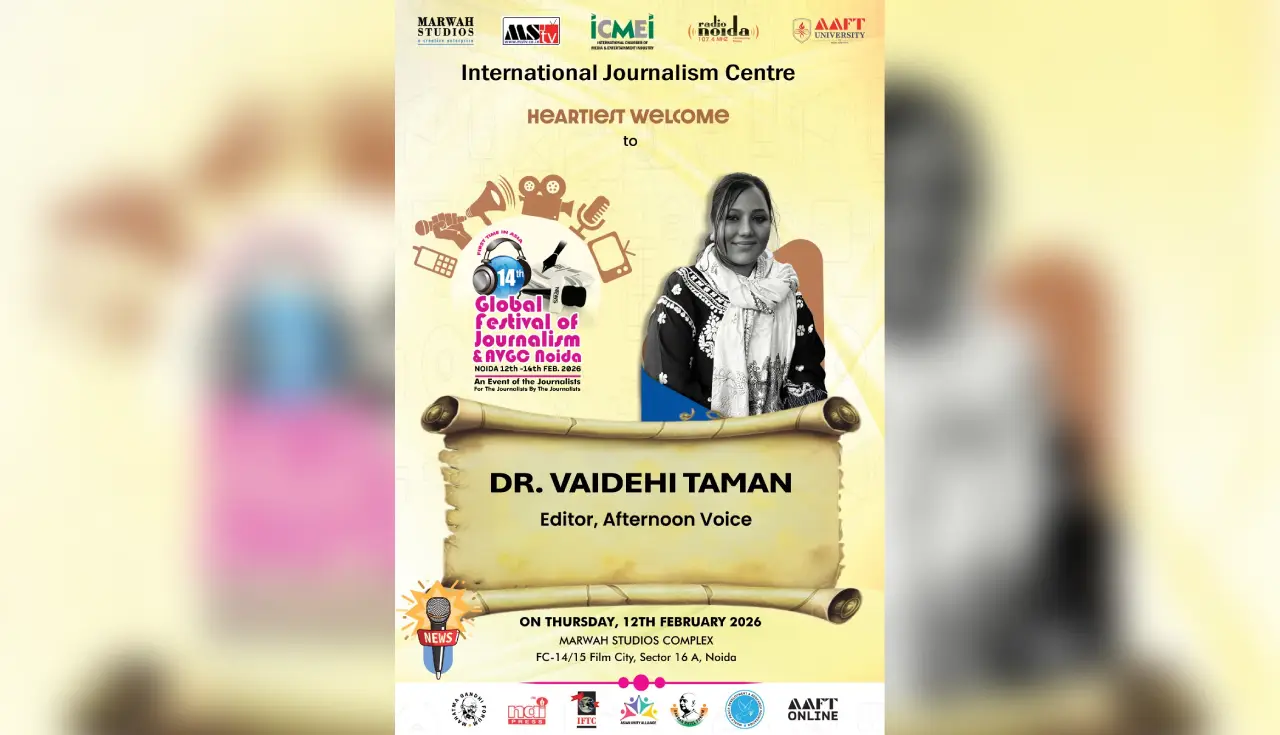
Noida is set to host the 14th Global Festival of Journalism & AVGC 2026 on February 12 and 13, bringing together journalists, filmmakers, academicians, media professionals, and students from India and across the globe for a two-day exchange of ideas, insights, and storytelling.

The festival will feature international documentary screenings, seminars on emerging challenges in media, and panel discussions on critical themes such as the role of artificial intelligence in newsrooms, journalism in conflict zones, social justice reporting, and climate journalism.

Day One of the festival will witness the grand inaugural ceremony, the opening of a still photography exhibition, and in-depth deliberations on the impact of artificial intelligence on journalism. Day Two will focus on media’s role in amplifying marginalised voices and strengthening environmental journalism, underscoring the press’s growing responsibility in shaping social and ecological consciousness.

Eminent journalist Dr Vaidehi Taman will be among the key speakers on Day Two. The Editor-in-Chief of Afternoon Voice, Dr Taman is widely respected for her incisive journalism, strong editorial leadership, and powerful oratory. Her address is expected to add depth and direction to discussions on ethical, inclusive, and impact-driven journalism.

The festival will also host the 9th Mahatma Gandhi National Award for Journalism and the Global Excellence Award, recognising outstanding contributions to the media profession. The programme will further include networking lunches and cultural exhibitions, offering participants a platform for professional engagement and cultural exchange.

Cyprus Marks EU Council Presidency Launch in New Delhi; MoS Kirti Vardhan Singh Attends Reception

Republic of Cyprus, Kirti Vardhan Singh, High Commission of the Republic
Cyprus Marks EU Council Presidency Launch in New Delhi; MoS Kirti Vardhan Singh Attends Reception 14

The High Commission of the Republic of Cyprus hosted a formal reception in New Delhi to mark the commencement of Cyprus’s Presidency of the Council of the European Union. The event, held at the Royal Ballroom of The Imperial Hotel, brought together senior government officials, diplomats, policymakers, and distinguished guests from India and abroad.

Union Minister of State for External Affairs Kirti Vardhan Singh attended the occasion as the Chief Guest. Welcoming the gathering, Cyprus High Commissioner to India Evagoras Vryonides expressed pride in Cyprus assuming the EU Council Presidency and outlined its core priorities, including economic growth, employment generation, innovation, defense cooperation, and strengthened transatlantic and global partnerships.

Highlighting historical ties, the High Commissioner recalled the longstanding relationship between India and Cyprus rooted in the Non-Aligned Movement, noting renewed momentum following recent interactions between Prime Minister Narendra Modi and the Cypriot leadership. He also announced a series of upcoming high-level visits, including Cyprus’s participation in the AI Summit, the Raisina Dialogue, and the President of Cyprus’s official visit to India in May 2026.

In his address, Shri Kirti Vardhan Singh congratulated Cyprus and emphasized the growing convergence between India’s Aatmanirbhar Bharat vision and the EU’s focus on strategic autonomy. He underlined expanding India–EU cooperation in digital transformation, clean energy, supply chains, and innovation, describing the partnership as a key pillar of global stability.

Annamalai Steps Down as BJP Election In-Charge, Cites Father’s Health

annamalai, bjp election in-charge, bjp, election, tamil nadu, chennai
Annamalai Steps Down as BJP Election In-Charge, Cites Father's Health 16

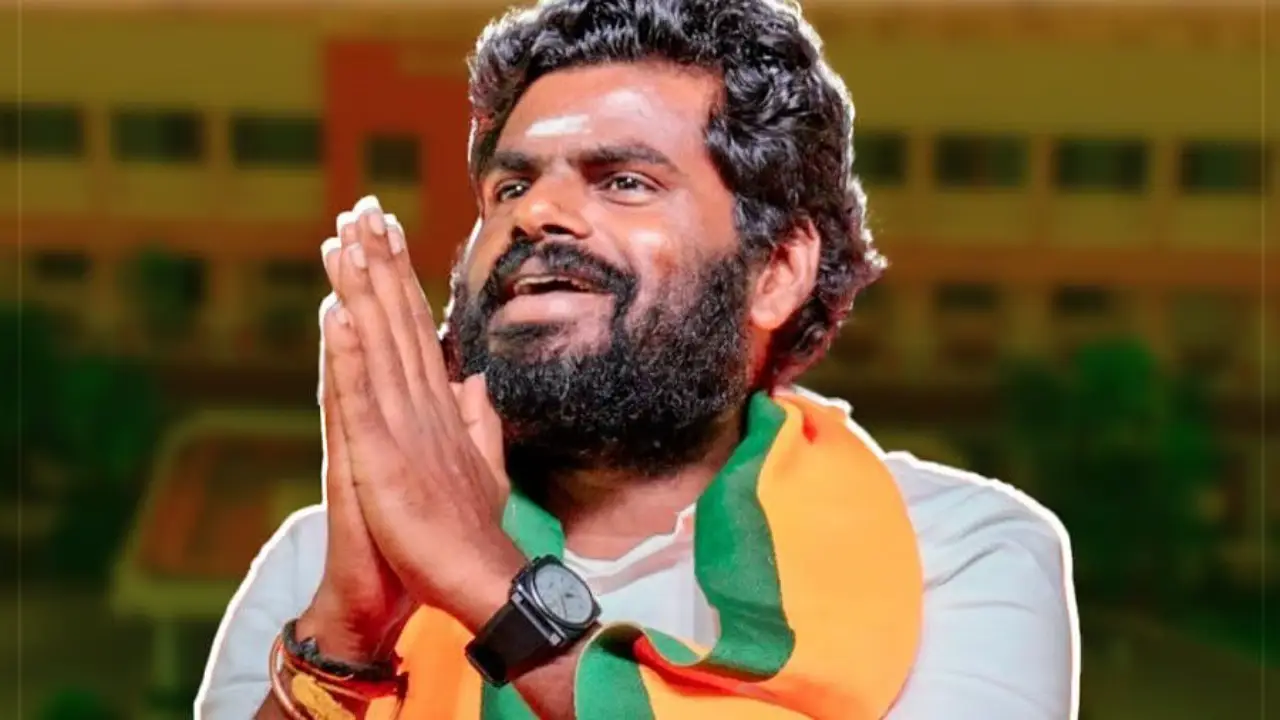
Former Tamil Nadu BJP president K Annamalai has decided to step down from his role as election in-charge for six Assembly constituencies in poll-bound Tamil Nadu, citing his father’s health condition.

Speaking to the media on February 3, Annamalai said he had informed the party’s state leadership of his decision and requested to be relieved of the responsibility.

“I have conveyed my inability to continue as I need to be with my father, who is undergoing dialysis. Taking care of him is my foremost duty,” he said, adding that he had requested the BJP leadership, including Tamil Nadu BJP president Nainar Nagendran, to reassign the constituencies entrusted to him.

Annamalai said his decision was driven purely by personal reasons and expressed hope that the party would understand his situation and make alternative arrangements.

He had been appointed as election in-charge for the Singanallur, Virugambakkam (Chennai), Karaikudi, Srivaikuntam, Madurai (South) and Padmanabhapuram (Kanniyakumari) Assembly constituencies as part of the Bharatiya Janata Party’s preparations for the upcoming elections in Tamil Nadu.

‘Fadnavis Had No Role, No Right to Comment’: Sharad Pawar on NCP Merger Talks

sharad pawar, pawar, us mediation, india pakistan tension, india pak, ncp (sp)
'Fadnavis Had No Role, No Right to Comment': Sharad Pawar on NCP Merger Talks 18

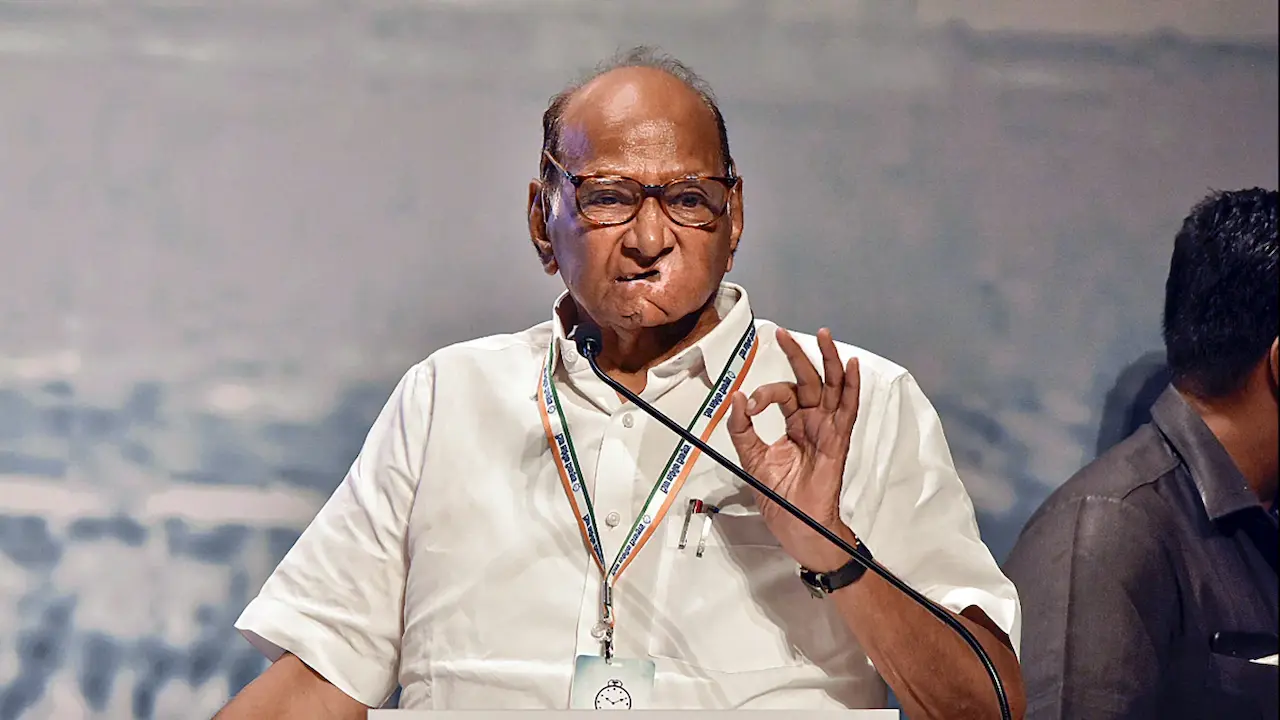
Nationalist Congress Party (SP) chief Sharad Pawar on Wednesday said Maharashtra Chief Minister Devendra Fadnavis was never part of the discussions on the merger of the two NCP factions and therefore had no right to comment on the issue.

Speaking to reporters in Baramati, Pawar said the merger talks were being led by NCP (SP) leader Jayant Patil and his nephew, NCP chief Ajit Pawar, who died in a plane crash in Pune district on January 28.

Following Ajit Pawar’s death, leaders of the Sharad Pawar-led party had claimed that reunification talks between the rival factions were at an advanced stage and that Ajit Pawar had finalised February 12 as the date to announce the merger. However, Chief Minister Fadnavis later said that if such talks were indeed underway, Ajit Pawar would have shared the details with him.

Reacting sharply to these remarks, Sharad Pawar said, “I do not understand what right he has to mention my name. As he was nowhere in the merger talks, he has no right to comment on it.” He reiterated that the discussions were handled exclusively by Jayant Patil and Ajit Pawar.

Asked whether the merger would still go ahead, Pawar said the immediate priority was to support each other in the aftermath of the tragedy, adding that no political discussions were currently being held. “As far as political talks are concerned, we are not speaking to anyone at the moment,” he said.

On the appointment of Ajit Pawar’s wife Sunetra Pawar as deputy chief minister after his demise, Sharad Pawar said it was a matter of happiness and satisfaction that she had received the opportunity to serve in the post.

He also said he was unaware of any plan to build a memorial for Ajit Pawar at the Vidya Pratishthan campus in Baramati. “I read about it in newspapers. There has been no discussion yet. We will sit together and decide,” he said, even as Ajit Pawar’s close aide Kiran Gujar recently claimed that a memorial was being planned at the site where his last rites were performed.

‘PM Surrendered to Appease Trump’: Congress Demands Parliament Debate on US, EU Trade Deals

jairam ramesh, ramesh, congress, press, CNLD Act
'PM Surrendered to Appease Trump': Congress Demands Parliament Debate on US, EU Trade Deals 20

The Congress on Tuesday stepped up its attack on the Modi government over the India–US trade deal, alleging that Prime Minister Narendra Modi has “completely surrendered” to appease US President Donald Trump at the cost of India’s farmers. The party demanded that the Centre place the full details of both the US and EU trade agreements before Parliament of India for discussion.

Congress general secretary (communications) Jairam Ramesh said India’s position had been weakened by the manner in which the trade deal was announced. He claimed that statements made by President Trump made it “abundantly clear” that the prime minister had given in under pressure, adding that “India stands diminished by this unfortunate sequence of events”.

Ramesh recalled that Prime Minister Modi had visited the White House nearly a year ago after Trump’s re-election, when negotiations for a trade deal began amid what he described as “huglomacy”. He alleged that matters worsened after Trump announced a halt to Operation Sindoor on May 10, 2025, and later publicly embraced Pakistan and its army chief, Field Marshal Asim Munir, which he said exposed the hollowness of India’s diplomatic outreach.

Pointing out that Parliament is currently in session, Ramesh said the texts of both the EU and US trade deals must be tabled and debated, especially in light of claims by US Agriculture Secretary Brooke Rollins that India has liberalised agricultural imports from the US.

The controversy spilled into Parliament, with members of several Opposition parties staging a walkout from the Rajya Sabha and later protesting in the Parliament complex. Opposition MPs, including Digvijaya Singh, Randeep Surjewala, AAP’s Sanjay Singh and RJD’s Manoj Jha, alleged that the government had compromised farmers’ interests.

Congress MP Shashi Tharoor said there was an urgent need for clarity as no official details had been shared beyond Trump’s social media posts and press statements. He questioned claims that India would purchase USD 500 billion worth of US goods and open its agricultural market, saying such assertions carry serious political implications for Indian farmers.

Former commerce minister Anand Sharma said while India and the US share a strategic partnership, any trade deal must be between sovereign equals and safeguard national interests in sensitive sectors such as agriculture, dairy and pharmaceuticals.

In response, Prime Minister Modi said he was pleased that tariffs on “Made in India” products would be reduced to 18 per cent. Trump earlier announced that India and the US had agreed to a trade deal. The debate comes days after India and the European Union sealed a landmark free trade agreement in January, billed as the “mother of all deals”.