Home Blog

Sevasadan: Forging Unbreakable Women, Shaping Bharat

Sevasadan, Nagpur, Ramabai Ranade, Kanchan Gadkari, Rashtriya Swayamsevak Sangh
Sevasadan: Forging Unbreakable Women, Shaping Bharat 2

Nagpur is not just a city for me; it is memory, grounding, and a quiet inheritance of values. It is my nanihal, where childhood was not merely spent but shaped. The lanes of Dhantoli, the steady rhythm of everyday discipline, and the unmistakable influence of Rashtriya Swayamsevak Sangh shakhas create an environment where identity is not confused, it is cultivated. Nagpur does not try to impress; it builds. It does not chase noise; it produces clarity. And somewhere within this ecosystem of संस्कार and structure stands an institution that embodies the very spirit of this city—Sevasadan.

To understand Sevasadan is to understand the difference between intent and impact. In 1927, when India was still navigating colonial constraints and social conservatism, Ramabai Ranade did not merely speak about women’s empowerment—she institutionalized it. At a time when educating women was seen as unnecessary, even disruptive, she created a space that quietly challenged that mindset. The Nagpur branch, inaugurated by S. B. Tambe in Dhantoli, began with limited means but unlimited conviction. It started in a rented space, offering sewing, nursing, English language, music, and adult education classes—not as token gestures, but as tools of self-reliance. The message was simple yet revolutionary: a woman is not dependent by default; she is made dependent by design, and that design can be changed.

What makes Sevasadan extraordinary is not just its origin, but its continuity. Many institutions begin with idealism and fade into irrelevance. Sevasadan did the opposite. It grew, adapted, and expanded without losing its foundational ethos. It became not just an educational institution, but a cornerstone of women’s empowerment in Nagpur and beyond. Thousands of women have passed through its corridors, not just acquiring skills, but reclaiming dignity. And that is where its true strength lies—it does not produce statistics; it produces transformation.

In today’s world, where empowerment is often reduced to slogans and campaigns, institutions like Sevasadan serve as a reality check. Empowerment is not a trend; it is a process. It is not loud; it is layered. Modern discourse often behaves as if women’s upliftment is a recent discovery, but the groundwork was laid long ago by individuals and institutions that chose action over applause. Sevasadan belongs to that legacy. It did not wait for validation. It built its own credibility, brick by brick, life by life.

Nagpur, as a city, reinforces this philosophy. It has always had a certain ideological clarity, a rootedness that refuses to be diluted. The influence of organizations like the Rashtriya Swayamsevak Sangh is not merely political; it is cultural. It instills discipline, a sense of belonging, and a deep connection to civilizational identity. Sevasadan operates within this broader framework, complementing it by focusing on women’s empowerment without disconnecting from cultural roots. It proves that progress and tradition are not adversaries; they are allies when approached with sincerity.

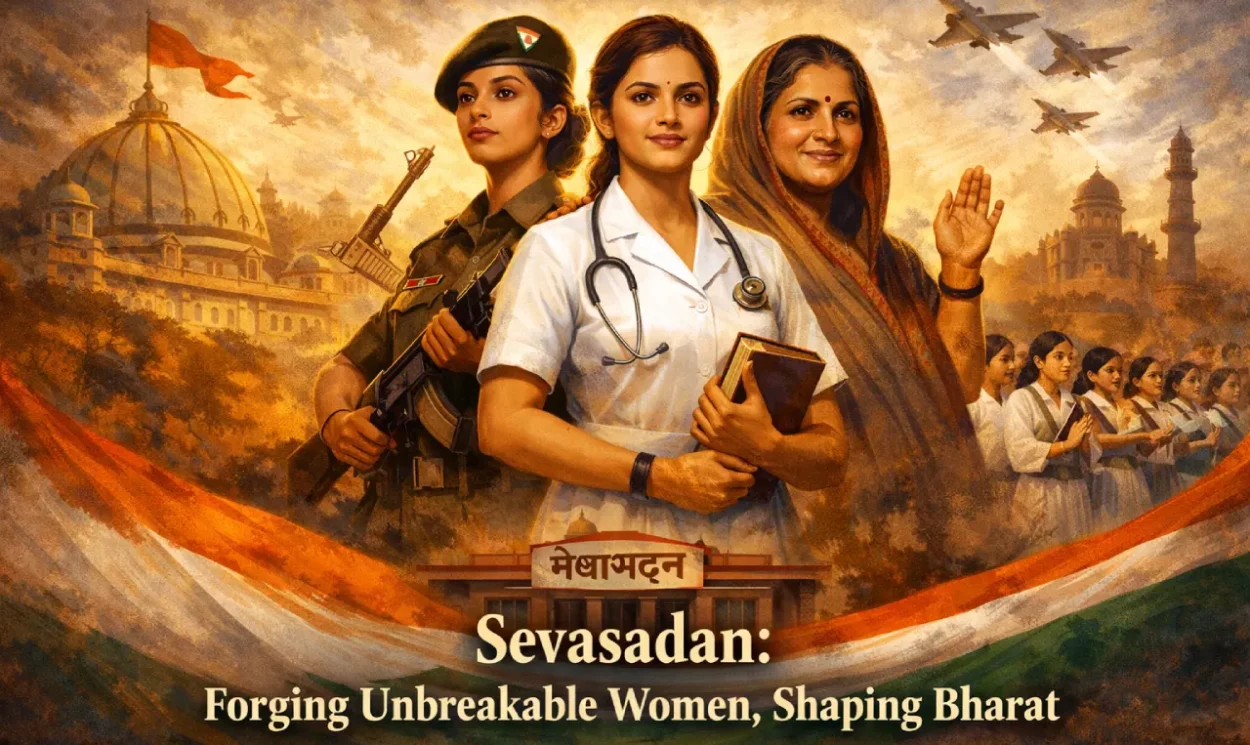
As the institution moves into its centenary phase, it is evident that it is not content with resting on its legacy. Under the leadership of Kanchan Gadkari, Sevasadan is expanding its vision in ways that are both ambitious and necessary. Plans for a dedicated military school for girls and a nursing school at Hingna reflect a forward-thinking approach that recognizes the evolving role of women in society. This is not symbolic expansion; it is strategic. A military school for girls is not just about education; it is about leadership, discipline, and preparedness. It signals a shift from empowerment as a concept to empowerment as capability.

At the same time, Sevasadan has not abandoned its cultural foundation. Initiatives like collective Bhagavad Gita chanting remind us that education is incomplete without values. In an age where knowledge is often divorced from wisdom, this balance becomes critical. The institution demonstrates that one can embrace modern education without discarding traditional grounding. It is not about choosing between the two; it is about integrating them meaningfully.

There is a larger lesson here, one that extends beyond Nagpur or Sevasadan. Societies do not weaken suddenly; they erode gradually when their institutions lose purpose and their education loses direction. When learning becomes purely transactional, when values are treated as optional, and when identity is seen as inconvenient, the consequences are inevitable. Institutions like Sevasadan act as stabilizers in such times. They remind us that real progress is not measured only in economic terms, but in the strength of individuals who can think, act, and stand with conviction.

For me, this is deeply personal. Nagpur is not just a place on the map; it is a part of who I am. Every memory from this city carries a lesson, whether it is the discipline of a morning routine, the cultural richness of its traditions, or the quiet strength of its people. Sevasadan is a reflection of all of this. It represents continuity in a world that is obsessed with change, substance in an era of superficiality, and commitment in a time of convenience.

As Sevasadan completes nearly a century of service and steps into its hundredth year, the real question is not about its relevance—it has already proven that. The question is whether we, as a society, recognize the value of such institutions. Because they cannot be replicated overnight. They are built through decades of effort, guided by clarity of purpose and sustained by integrity. If India genuinely seeks to empower its women, not just in numbers but in spirit, then the model offered by Sevasadan is not optional—it is essential.

Nagpur teaches you, in its own understated way, that strength does not need to announce itself. It is built quietly, consistently, and with intention. Sevasadan embodies that strength. It does not seek attention, yet it commands respect. It does not chase relevance, yet it remains indispensable. And perhaps that is its greatest achievement—it continues to shape lives without ever losing sight of why it began in the first place.
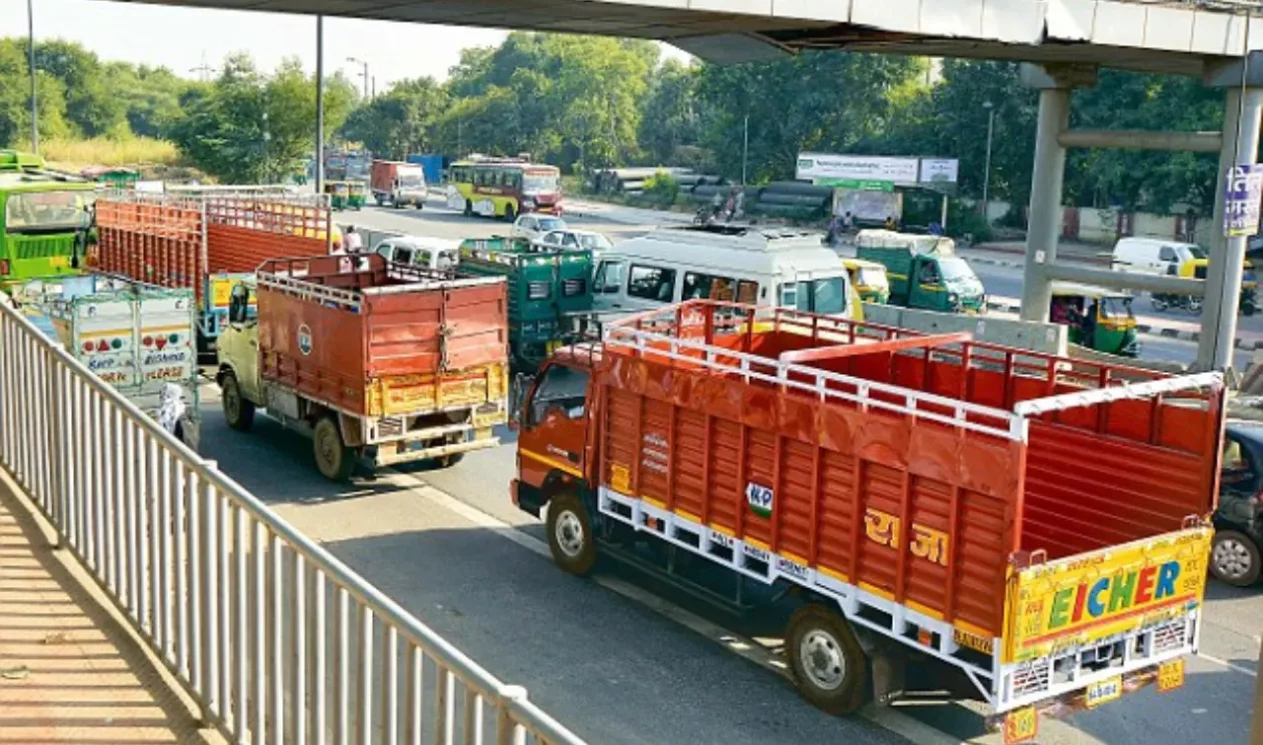
Delhi Hikes Entry Charges for Commercial Vehicles as MCD Enforces New Pollution Norms

mcd, commercial vehicle, toll tax, delhi
Delhi Hikes Entry Charges for Commercial Vehicles as MCD Enforces New Pollution Norms 4

The Municipal Corporation of Delhi (MCD) has announced the immediate implementation of revised environment compensation charges (ECC) for commercial vehicles entering the national capital, in line with a recent Supreme Court order aimed at curbing air pollution.

Officials said the revised rates mark a significant increase across vehicle categories and are intended to discourage the entry of highly polluting vehicles into Delhi. The move follows directions issued in the MC Mehta vs Union of India case, which called for stricter measures to tackle rising pollution levels.

Under the new structure, ECC for Category 2 vehicles (light commercial vehicles) and Category 3 vehicles (two-axle trucks) has been raised from Rs 1,400 to Rs 2,000. Heavier vehicles will face steeper hikes, with Category 4 (three-axle trucks) and Category 5 vehicles (four-axle trucks and above) now required to pay Rs 4,000, up from Rs 2,600.

The ECC is levied on all commercial vehicles entering Delhi and is charged in addition to existing toll fees. Authorities said the revised charges are designed to act as a deterrent, particularly for larger and more polluting vehicles.

With around 4,000 trucks entering Delhi ежедневно, officials believe the enhanced charges will play a crucial role in reducing vehicular emissions and improving air quality in the city.

The implementation signals a renewed push by authorities to enforce stricter environmental norms and address the capital’s persistent pollution challenges.

FIR Against Right-Wing Speaker in Goa Over Remarks on St Francis Xavier, Arrest Demands Grow

goa police, gautam khattar, khattar
FIR Against Right-Wing Speaker in Goa Over Remarks on St Francis Xavier, Arrest Demands Grow 6

Goa Police have registered an FIR against right-wing speaker Gautam Khattar for allegedly making objectionable remarks against St Francis Xavier, the patron saint of the state, triggering widespread outrage and political reactions.

The case was filed at Vasco police station following a complaint by Congress functionary Peter D’Souza, with police invoking provisions related to hurting religious sentiments and promoting enmity under the Bharatiya Nyaya Sanhita. Officials said further action will be taken in accordance with the law.

The controversy erupted after a video of Khattar, founder of the Sanatan Mahasangh, addressing a public event in Mormugao went viral. The programme was attended by several political figures, including state Transport Minister Mauvin Godinho and BJP MLAs.

According to the FIR, Khattar allegedly made “highly objectionable and insensitive” remarks about St Francis Xavier—revered locally as Goencho Saib—with the intent to outrage the religious sentiments of the Christian community and disturb communal harmony.

The relics of St Francis Xavier are housed at the Basilica of Bom Jesus in Old Goa, a major religious site that attracts devotees from across India and abroad.

The incident has drawn sharp criticism from opposition leaders. Congress MLA Altone D’Costa demanded Khattar’s immediate arrest, alleging that the remarks were an attempt to incite communal disharmony. Leader of Opposition Yuri Alemao and Goa Forward Party chief Vijai Sardesai also called for strict action, warning that such statements threaten Goa’s tradition of communal harmony.

Meanwhile, another complaint has been filed by South Goa District Congress president Assiz Noronha at Margao police station, though no FIR has been registered in that case so far.

The organisers of the event, Sanatan Dharma Raksha Samiti, have distanced themselves from Khattar’s remarks and issued a public apology to the Christian community, stating they did not anticipate such comments and had attempted to intervene during the speech.

The incident has intensified political tensions in the state, with demands for swift legal action and renewed focus on maintaining communal peace in Goa.

When Justice Appears Entangled: A Dangerous Moment for India’s Democracy

justice, democracy, kejriwal, arvind kejriwal, Justice Swarana Kanta Sharma
When Justice Appears Entangled: A Dangerous Moment for India's Democracy 8

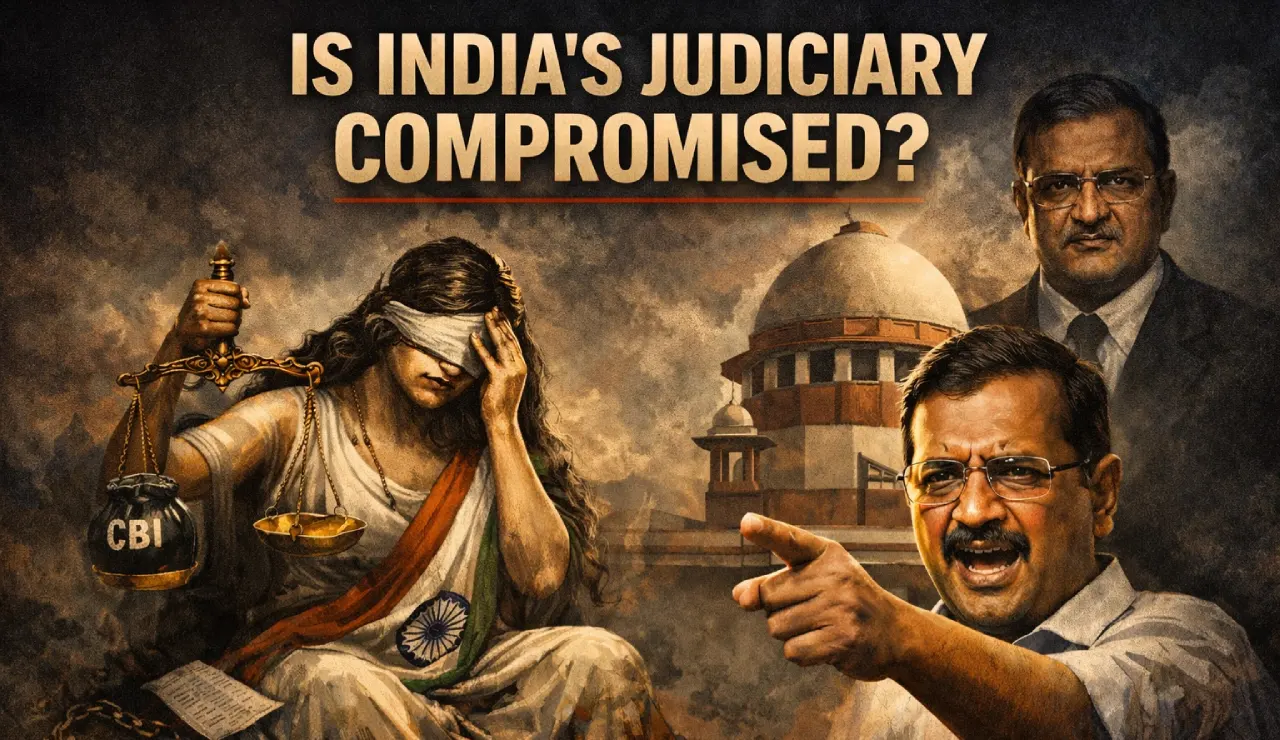
In any serious democracy, the judiciary is not just another pillar—it is the final line of defense. Strip away public trust in courts, and what remains is not order, but managed chaos. Today, India finds itself staring at an uncomfortable question: is the perception of judicial neutrality beginning to crack?

The recent affidavit filed by Arvind Kejriwal in the court of Justice Swarna Kanta Sharma has thrown this issue into sharp focus. Kejriwal has not minced words. His allegation is direct and explosive: that the judge’s children work under Tushar Mehta, who is representing the CBI in related proceedings. According to Kejriwal, this creates a situation where “a fair order against Tushar Mehta becomes difficult,” raising a serious question of conflict of interest.

This is not a routine legal argument. It is a frontal challenge to the idea of impartial justice.

To be fair, these remain allegations. No court has validated them. But here’s the uncomfortable truth—when such claims are made with specifics, they cannot simply be brushed aside as political theatrics. Because in matters of justice, perception is not a side issue; it is the foundation.

Kejriwal’s position is clear: he is questioning not just a decision, but the very environment in which that decision will be made. His argument, in essence, is simple—if professional relationships exist between key actors in a case, then even the possibility of bias must be addressed transparently.

Now, one may disagree with his tone, his timing, or even his intent. But dismissing the question itself would be a mistake.

India’s judiciary has historically stood above the fray. It has been the institution people turned to when everything else failed. From safeguarding constitutional values to checking executive overreach, courts have played a role that goes far beyond legal interpretation.

But institutions do not weaken overnight. They weaken when questions begin to linger unanswered.

And that is exactly what makes this moment dangerous.

Because once citizens start asking—“Is justice truly blind?”—the system has already taken a hit.

This is not about one judge. It is not about one affidavit. It is about a broader and growing unease that powerful networks—legal, political, and institutional—are becoming increasingly intertwined.

The judiciary must recognize that the bar for its credibility is not “absence of wrongdoing.” The bar is far higher—absence of even a shadow of doubt.

In such situations, the traditional wisdom has always been clear: when in doubt, step aside. Recusal is not an admission of guilt; it is an assertion of integrity. It sends a message that the institution values public trust more than individual authority.

Unfortunately, what we are witnessing today is not clarity, but confrontation.

Kejriwal’s affidavit has effectively put the judiciary in a position where silence will be interpreted as discomfort, and action will be interpreted as acknowledgment. It is a tightrope—and one that must be walked with extreme care.

Let us also be honest about the political context.

Kejriwal is not just any litigant. He is a sitting political leader, engaged in a direct battle with central agencies. His words carry weight, but they also carry strategy. This is as much a political move as it is a legal one. By raising the issue of conflict of interest, he is shifting the narrative—from allegations against him to questions about the system itself.

It is a clever move. But that does not automatically make it wrong.

Because sometimes, even politically motivated questions can expose genuine institutional discomfort.

The real issue, therefore, is not Kejriwal.

The real issue is whether the judiciary can respond in a way that strengthens confidence rather than weakens it.

India cannot afford a situation where every unfavorable verdict is dismissed as biased, and every favorable one is seen as influenced. That road leads to institutional collapse.

At the same time, the judiciary cannot expect blind faith. Respect must be reinforced through transparency, consistency, and visible independence.

The larger concern is this: if such allegations become frequent, and if they remain unresolved, they will normalize suspicion. And once suspicion becomes normal, trust becomes exceptional.

That is a dangerous inversion.

India’s strength has always been its institutions. Not perfect, not flawless—but resilient. The judiciary, in particular, has enjoyed a moral authority that few institutions globally can claim.

But moral authority is not inherited. It is maintained.

This moment calls for introspection, not defensiveness. For clarity, not silence. For institutional strength, not individual rigidity.

Because in the end, the question is not whether Arvind Kejriwal is right or wrong.

The question is whether the system is strong enough to ensure that such a question never even needs to be asked.

Justice must not only be done.

It must stand so tall that no allegation—however sharp—can cast a shadow on it.

Right now, that shadow exists.

And ignoring it will not make it disappear.

‘No Compromise on Workers’ Rights’: Yogi Adityanath Warns of Strict Action After Noida Unrest

yogi adityanath, noida, violence, noida violence
'No Compromise on Workers' Rights': Yogi Adityanath Warns of Strict Action After Noida Unrest 10

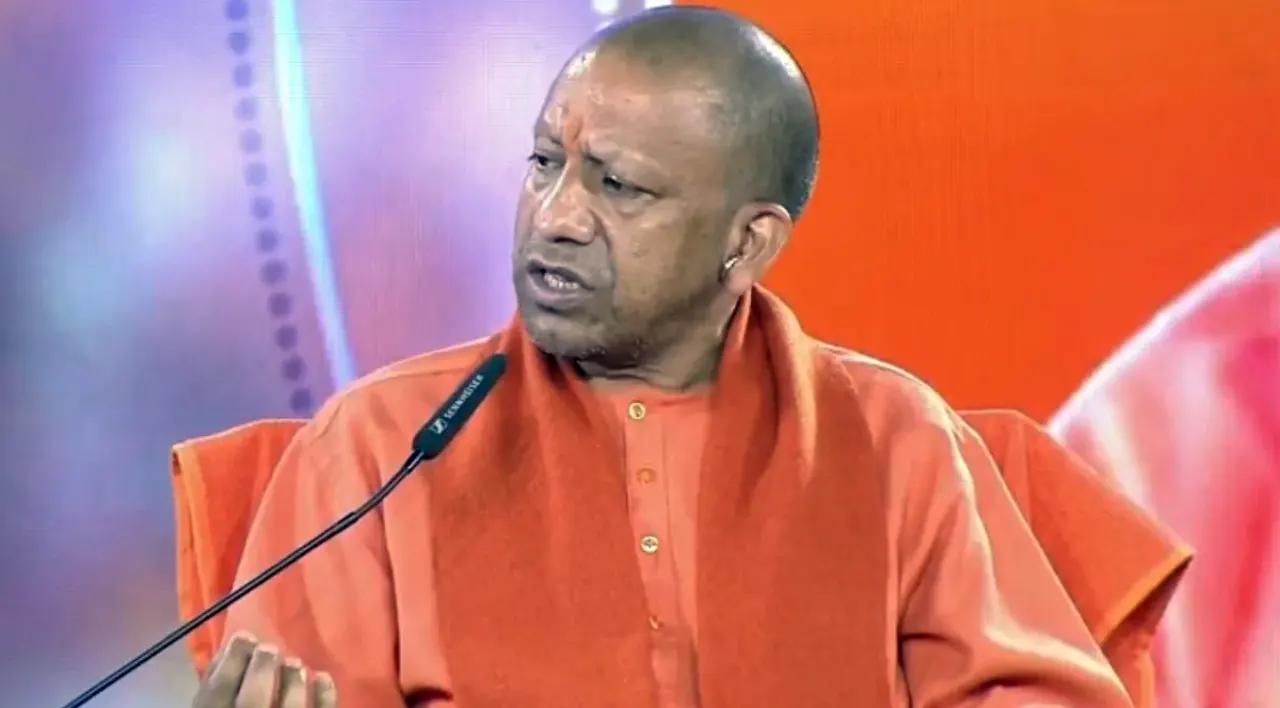
Uttar Pradesh Chief Minister Yogi Adityanath on Wednesday asserted that there will be no compromise on workers’ rights, dignity and social security, warning of strict legal action against any violations in the state.

Chairing a high-level review of the industrial situation via video conferencing, Adityanath directed officials to ensure dignified working conditions, timely payment of wages and access to all statutory benefits for workers, according to an official statement.

Taking serious note of the recent unrest in Gautam Buddh Nagar, the Chief Minister instructed authorities to identify and take stringent action against elements found instigating violence or disrupting industrial harmony. He emphasised a zero-tolerance policy against misinformation, rumour-mongering and attempts to incite workers, directing continuous monitoring of social media and swift legal action against offenders.

The remarks come in the backdrop of widespread protests in Noida earlier this week, during which incidents of arson, vandalism and stone-pelting were reported across industrial areas.

Adityanath also ordered a detailed probe into labour practices across industrial units in the state. The inquiry will examine worker strength, wage payments, compliance with labour laws, and provision of benefits such as ESI, insurance and other entitlements.

The Chief Minister directed both government and private industrial units to establish effective grievance redressal systems to ensure transparent and time-bound resolution of workers’ complaints. He also called for improved workplace facilities, including better food arrangements.

Highlighting the need for worker welfare, Adityanath asked authorities to prepare plans for dormitories and affordable housing in industrial zones. He stressed that development authorities must go beyond revenue generation and fulfil their social responsibilities.

He further directed coordination with banks to ensure insurance coverage for workers, particularly in cases of accidents or untimely deaths, and emphasised the importance of education and healthcare support for workers’ families.

Officials informed the meeting that the situation in Gautam Buddh Nagar has largely normalised following a post-protest wage hike. The Chief Minister instructed that revised wages, effective from April 1, must be paid without delay.

Senior administrative, police and industrial officials attended the review meeting.

Mumbai to Get Fresh Tree Count After 8 Years as BMC Launches Mega Census Drive

bmc, tree, census, mumbai, brihanmumbai municipal corporation
Mumbai to Get Fresh Tree Count After 8 Years as BMC Launches Mega Census Drive 12

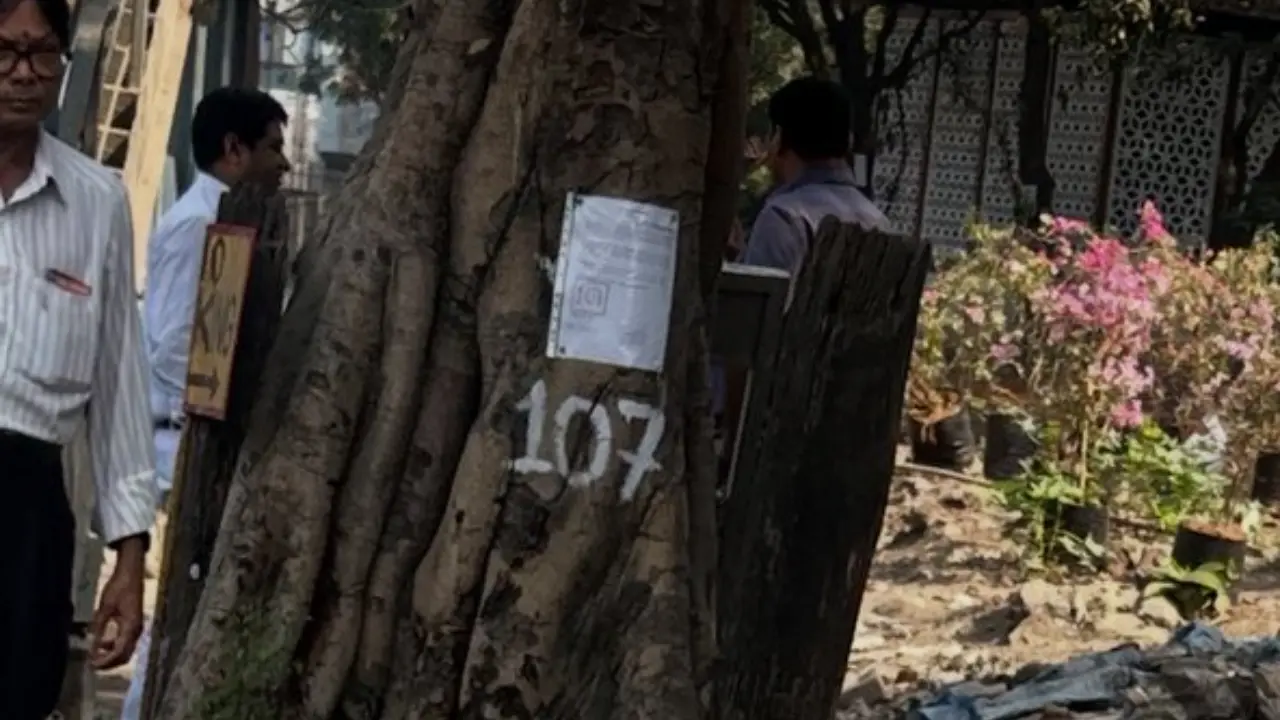
The Brihanmumbai Municipal Corporation (BMC) will begin a comprehensive tree census across Mumbai next week, marking the first such exercise in eight years.

According to officials, the citywide enumeration is expected to take around 1.5 years to complete. The last tree census was conducted in 2018, when approximately 33.7 lakh trees were recorded, including those in Aarey Colony.

The upcoming exercise will be carried out with the assistance of experts and modern technology to ensure greater accuracy and efficiency. In preparation, the BMC recently organised a day-long training workshop on scientific tree pruning and enumeration at the Veermata Jijabai Bhosale Botanical Garden and Zoo in Byculla.

Tree censuses in Mumbai are typically conducted every five years, but the latest round was delayed due to the COVID-19 pandemic, officials said.

Meanwhile, the civic body has also initiated pre-monsoon preparations, identifying over 45,000 trees for trimming and pruning to prevent potential hazards during heavy rains. The annual pruning drive aims to maintain environmental balance while ensuring public safety.

This year, the pre-monsoon activity will be integrated with the tree census, allowing the BMC to update its green cover data while carrying out essential maintenance work.

Stalin Burns Delimitation Bill Copy, Calls It ‘Black Law’ Amid Tamil Nadu-Wide Protest

stalin, mk stalin, delimitation, black law
Stalin Burns Delimitation Bill Copy, Calls It 'Black Law' Amid Tamil Nadu-Wide Protest 14

Tamil Nadu Chief Minister M K Stalin on Thursday intensified his opposition to the Centre’s proposed delimitation exercise by burning a copy of the bill and calling it a “black law”, alleging it would reduce Tamil Nadu’s political voice and marginalise its people.

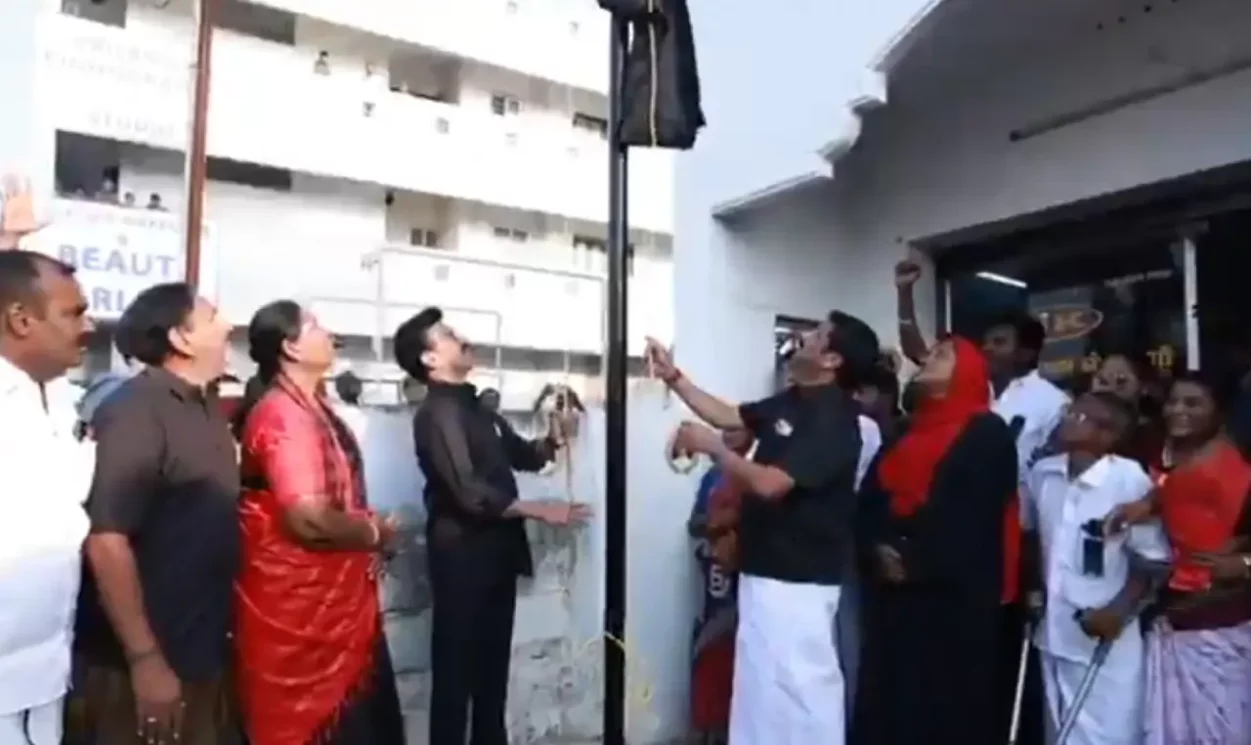
Stalin hoisted a black flag and set the bill copy ablaze in Namakkal district, where he is currently campaigning, just hours before a special session of Parliament. Raising slogans such as “Poradavom, Velvom Ondraga” (Let us struggle, win together), the Chief Minister accused the Union government of attempting to undermine the rights of Tamil people.

In a strongly worded statement, Stalin said the move could turn Tamils into “refugees in their own land” and urged widespread resistance across the state. Drawing parallels with the anti-Hindi agitations of the 1960s, he said Tamil Nadu had historically stood up to what he termed as imposition from the Centre and would do so again.

Following his call, black flags were hoisted across Tamil Nadu by DMK leaders, party workers and supporters at residences, party offices and public spaces. The protest also saw participation from allies, with black flags raised at prominent locations including the DMK headquarters ‘Anna Arivalayam’ in Chennai, as well as offices linked to allied parties such as Makkal Needhi Maiam and MDMK.

Black flags were also seen at the residence of the Chief Minister and at homes of several cabinet ministers, signalling a coordinated statewide protest against the proposed legislation.

A day earlier, Stalin had announced the agitation, alleging that the BJP-led NDA government’s delimitation plan would adversely impact Tamil Nadu’s representation and interests. The protest marks a sharp escalation in the political confrontation between the state government and the Centre over the issue.

‘No Quick Deal’: UN Chief Urges Continued Iran-US Talks, Stresses Ceasefire in West Asia

Antonio Guterres, Guterres, UN, United Nations, US, Iran-US, West Asia
'No Quick Deal': UN Chief Urges Continued Iran-US Talks, Stresses Ceasefire in West Asia 16

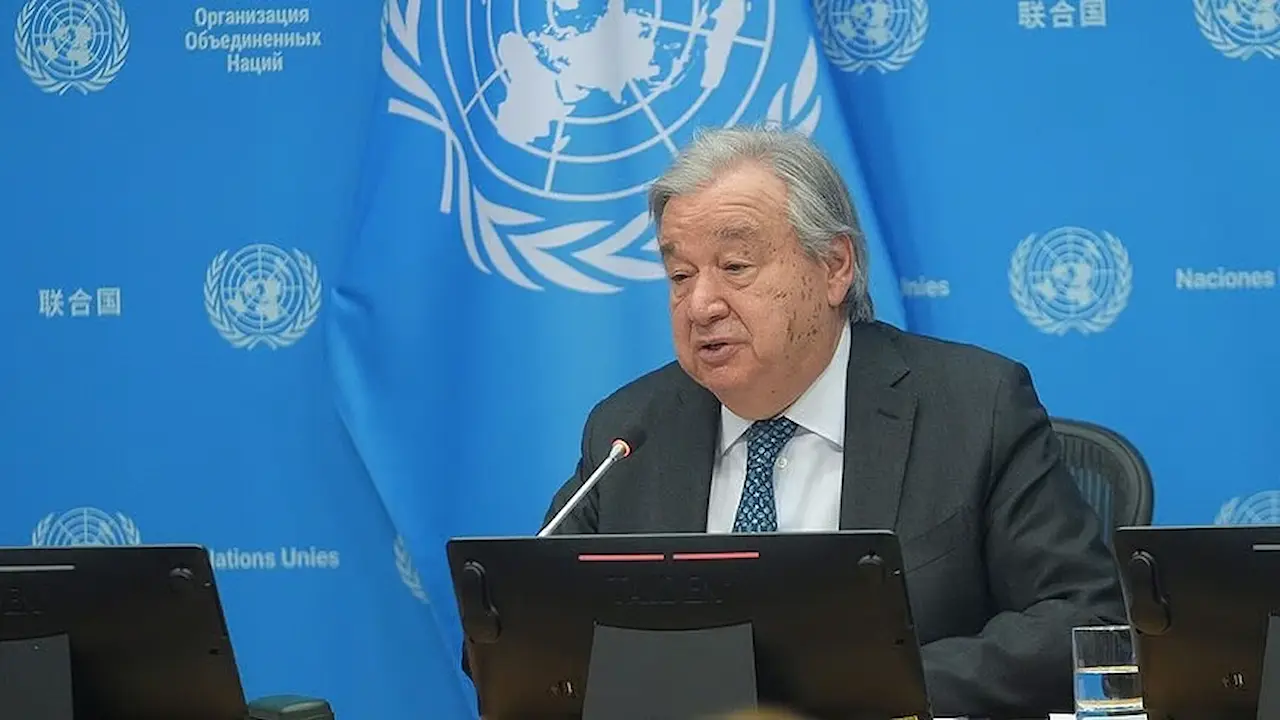
UN Secretary-General Antonio Guterres has called for sustained dialogue between Iran and the United States, stressing that a lasting agreement cannot be achieved overnight, even as recent talks ended without a breakthrough.

Negotiations between the two countries, held in Islamabad and led by US Vice President JD Vance, concluded after 21 hours without a deal to end the ongoing West Asia conflict.

In a statement, Guterres said that while no agreement was reached, the discussions reflected serious engagement and marked a meaningful step toward renewed dialogue.

He emphasised that given the deep-rooted differences between the two sides, continued constructive talks are essential to achieving a resolution. At the same time, he underlined that the ceasefire announced last week must be strictly maintained, warning that all violations must cease immediately.

The UN chief reiterated that there is no military solution to the crisis, which has already caused widespread destruction and distress across the region.

Guterres also highlighted the broader global impact of the conflict, particularly disruptions in maritime trade through the Strait of Hormuz. He noted that around 20,000 seafarers remain stranded due to the situation, facing growing hardships.

He warned that interruptions in shipping routes and supply chains are contributing to global economic instability, affecting fuel prices, transportation and food security, particularly through disruptions in fertiliser supply.

The UN chief thanked mediators including Pakistan, Saudi Arabia, Egypt and Türkiye for facilitating dialogue and urged the international community to support ongoing diplomatic efforts. He added that his envoy, Jean Arnault, continues to engage with stakeholders to push for a comprehensive and durable agreement.

Congress Slams Govt Over ‘Secret’ Constitution Bills, Calls It ‘Mockery of Democracy’

jairam ramesh, ramesh, congress, rajasthan,
Congress Slams Govt Over 'Secret' Constitution Bills, Calls It 'Mockery of Democracy' 18

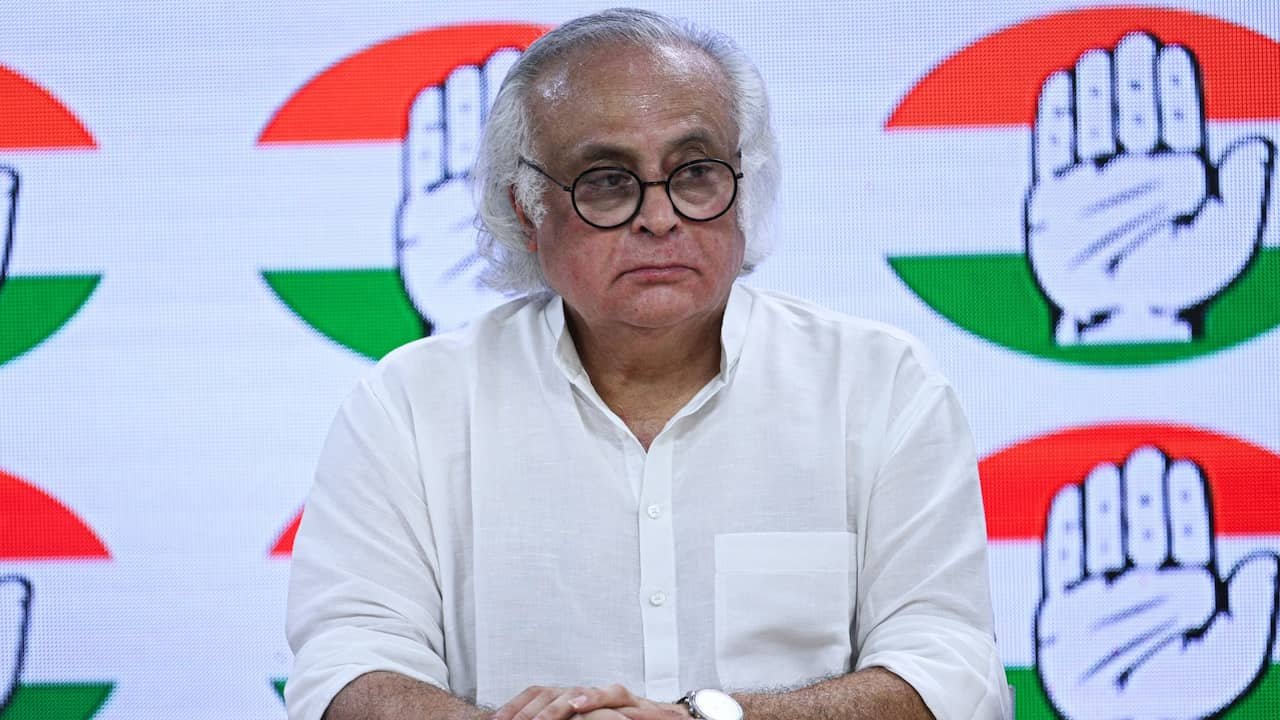
The Congress on Tuesday accused the Centre of making a “complete mockery of democracy” by failing to share proposed Constitution amendment bills with Members of Parliament ahead of the special session scheduled this week.

Congress general secretary Jairam Ramesh said that despite the session set to begin on April 16, MPs have not been provided with details of the bills they are expected to debate and vote on. He termed the move reflective of a “bulldozer mentality” by the government.

Ramesh also criticised the timing of the session, noting that it coincides with peak election campaigning in Tamil Nadu and West Bengal. He said the government had rejected the Opposition’s demand to hold an all-party meeting after the elections.

Echoing similar concerns, Congress Lok Sabha whip Manickam Tagore said rushing a special session without adequate consultation undermines democratic processes. He stressed that while the party supports women’s reservation, issues such as delimitation require broader discussion, transparency and consensus.

Tagore further argued that the current approach could deny representation to backward class women if proper data and due process are not followed, adding that Parliament should not be reduced to a “rubber stamp”.

The criticism comes amid reports that amendments to the Nari Shakti Vandan Adhiniyam, or Women’s Reservation Act, are likely to be introduced during the three-day session from April 16 to 18 to enable its implementation by 2029.

Congress Parliamentary Party chairperson Sonia Gandhi had earlier raised concerns over delimitation, calling it “extremely dangerous” and an “assault” on the Constitution. She also alleged that the government’s approach may delay the caste census and provide political advantage during ongoing elections.

The government has been urging Opposition parties to support the proposed amendments, even as Assembly elections continue in several states, including West Bengal and Tamil Nadu.

Women’s Quota in 2029 Will Make Indian Democracy Stronger: PM Modi

pm modi, modi, narendra modi, modi
Women's Quota in 2029 Will Make Indian Democracy Stronger: PM Modi 20

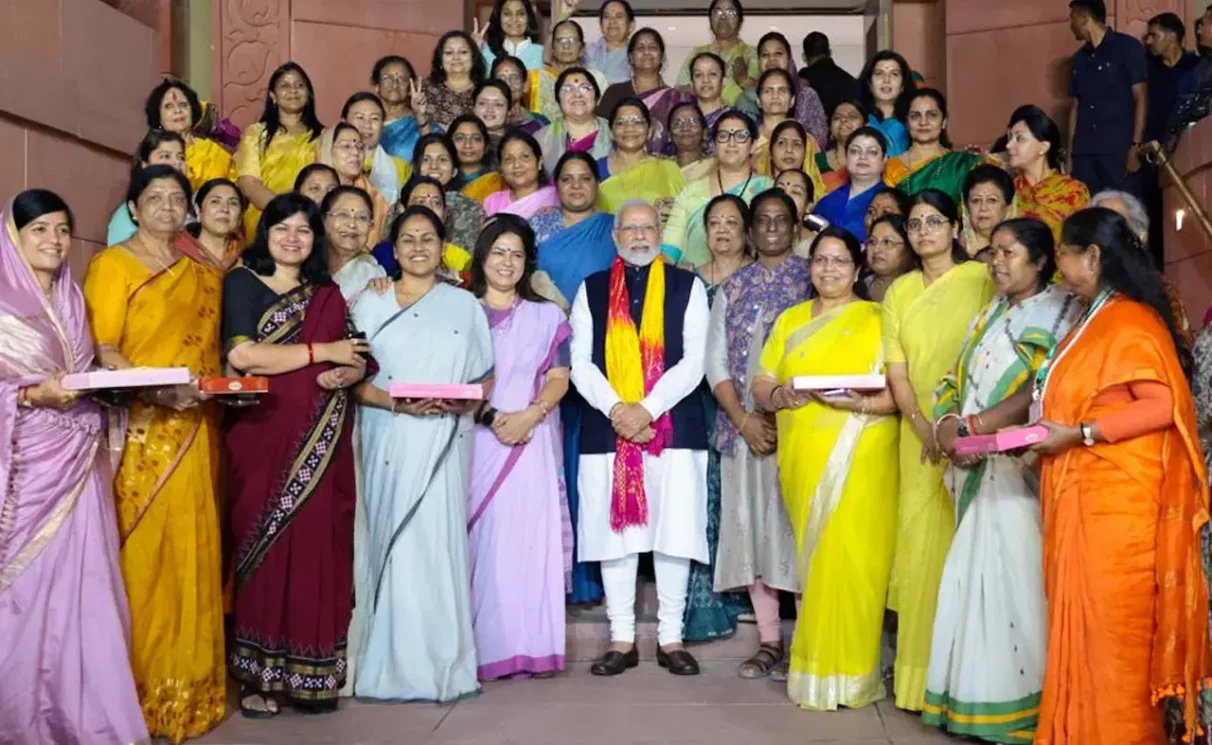
Prime Minister Narendra Modi on Tuesday said Indian democracy will become stronger and more vibrant if the 2029 Lok Sabha and Assembly elections are held with women’s reservation fully implemented.

In a letter addressed to women across the country, Modi emphasised that with women excelling in multiple fields, it is essential to enhance their representation in legislative bodies. He urged that amendments to the Nari Shakti Vandan Adhiniyam be passed during the upcoming three-day special session of Parliament beginning April 16.

“Our democracy will become stronger and more vibrant if the 2029 Lok Sabha elections and various Assembly elections that year are held with women’s reservation fully in place,” Modi said in the letter shared on social media.

Stressing urgency, the Prime Minister said any delay in implementing the law would be unjust to women, adding that they should not be made to wait indefinitely for their rightful share in governance.

“When the voice of women becomes stronger in our legislatures, the voice of democracy itself becomes stronger,” he said, while seeking public support for the passage of the amendment and urging citizens to encourage their MPs.

The Nari Shakti Vandan Adhiniyam, passed in September 2023, provides for 33 per cent reservation for women in the Lok Sabha and state Assemblies. However, its implementation was originally linked to the delimitation exercise following the 2027 Census, pushing enforcement to a later date.

The proposed amendments aim to enable the implementation of the quota by 2029. Once enacted, the total number of Lok Sabha seats is expected to increase to 816, with 273 seats reserved for women.

The government has convened a special Parliament session to fast-track the amendment and ensure timely implementation of the long-pending reform aimed at boosting women’s political participation.