India Now 'Naxal-Free', Amit Shah Declares in Parliament; Targets Congress Over Past Failures 2
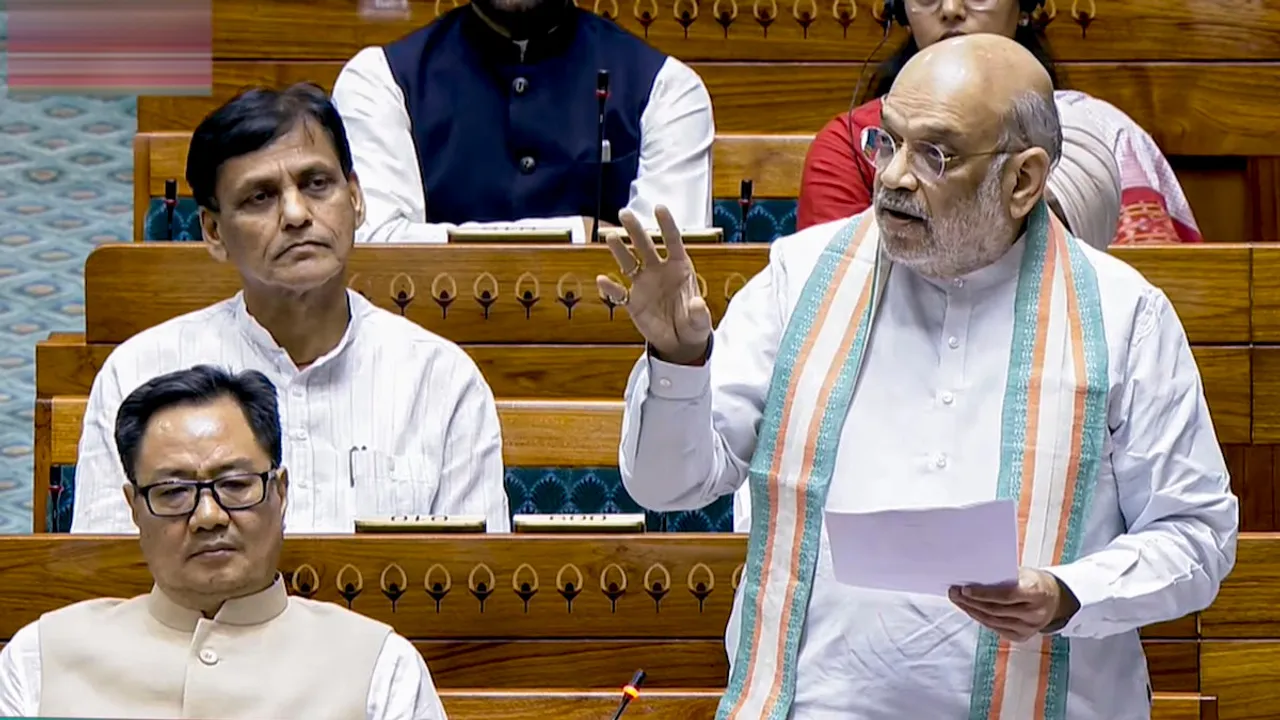
Union Home Minister Amit Shah on Monday declared in Parliament that India has effectively become free from Naxalism, stating that the Maoist leadership and central structure have been nearly dismantled.
Replying to a debate in the Lok Sabha on efforts to eliminate Left-Wing Extremism (LWE), Shah said the government’s target of making the country Naxal-free by March 31, 2026, has largely been achieved. He added that a formal announcement would follow once the process is fully completed.
“Their Politburo and central structure have been almost completely dismantled. I can say that we have become Naxal-free,” Shah told the House, highlighting major successes of security forces across affected states.
Detailing the progress, Shah said members of Maoist state committees in Madhya Pradesh, Maharashtra, and Chhattisgarh have surrendered, while most remaining cadres in Odisha and Telangana have either been neutralised or have laid down arms.
He credited the achievement to coordinated efforts by Central Armed Police Forces, state police units, specialised forces like CoBRA and DRG, and support from tribal communities in affected regions.
Targeting the Congress, Shah alleged that previous governments failed to tackle the decades-long insurgency and allowed the “Red Corridor” to expand across multiple states. He questioned why the issue remained unresolved for years despite Congress being in power for a significant period after independence.
The Home Minister also accused Congress leader Rahul Gandhi of showing sympathy towards Naxal-linked elements, citing past public appearances and social media activity.
Shah reiterated the government’s dual approach—rehabilitation for those who surrender and strict action against those who continue violence. “Talks are only with those who lay down arms; a bullet will be answered with a bullet,” he asserted.
Highlighting the human and economic cost of the insurgency, Shah said Naxal violence had claimed around 20,000 lives, including 5,000 security personnel, and kept nearly 12 crore people deprived of development across affected regions.
He added that areas like Bastar, once heavily affected by Maoist influence, are now witnessing development as the “shadow of red terror” recedes. Shah credited the Modi government’s welfare initiatives and infrastructure push for improving conditions in these regions.
Reaffirming the government’s stance, Shah said India will not tolerate any form of armed insurgency and emphasised that justice must be pursued through constitutional means, not violence.
The Marketplace of Blind Faith: When Consent, Power, and Superstition Collide 4
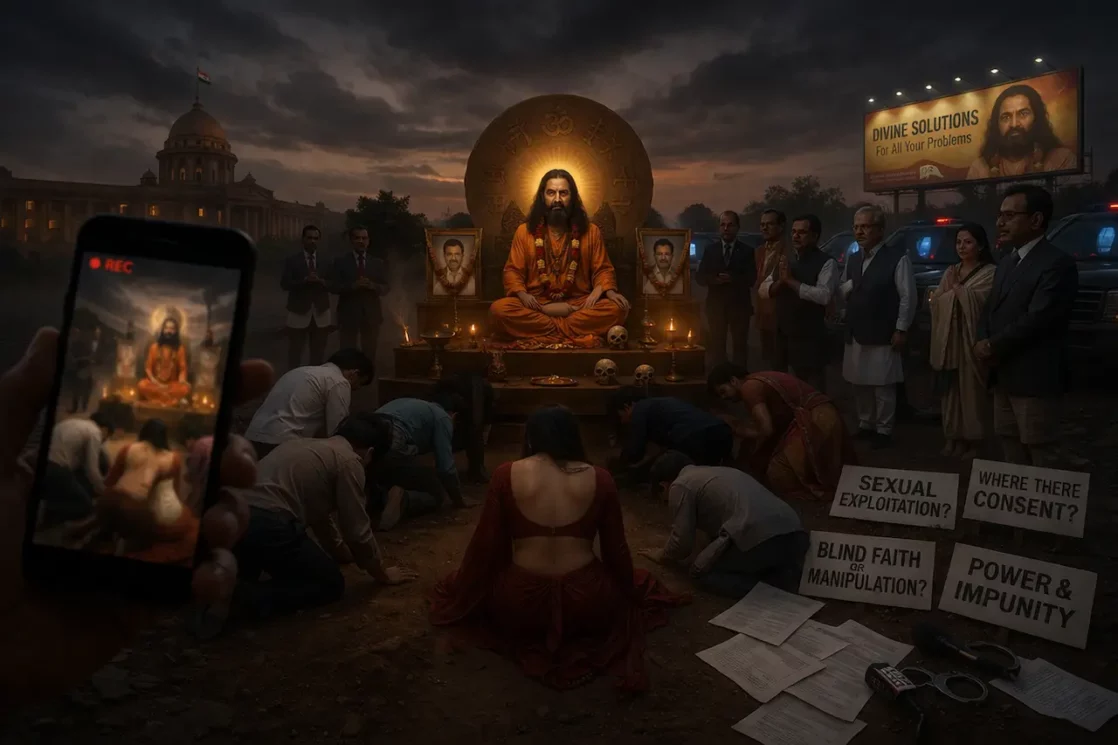
The Ashok Kharat episode is not merely about one controversial figure or a set of disturbing viral videos. It is a brutal mirror held up to society—reflecting uncomfortable truths about blind faith, moral ambiguity, selective outrage, and, most importantly, the unsettling role of willing participants in their own exploitation.
For days now, public discourse has been hijacked by two extreme narratives. One paints Kharat as a monstrous predator who manipulated and violated women. The other attempts to dismiss the entire episode as a conspiracy, a media trial fueled by selective leaks and moral panic. But both sides are conveniently avoiding the most disturbing question of all: what happens when people willingly walk into the trap?
The viral videos—disturbing as they are—do not present a straightforward story of visible force or resistance. What emerges instead is a deeply uncomfortable gray zone. The individuals involved appear conscious, aware, and, at least on the surface, compliant. The acts themselves are framed not as coercion, but as part of some ritualistic, quasi-religious process.
This is where the debate must shift. Because if this was not overt force, then what exactly are we looking at? Consent? Manipulation? Psychological conditioning? Or a dangerous cocktail of all three?
Let us be clear: consent under the influence of blind belief is not the same as free, informed choice. When individuals surrender agency to a self-proclaimed spiritual authority—believing that submission will bring divine reward, healing, or personal gain—the very idea of consent becomes distorted. It is no longer a decision made freely; it is one shaped by indoctrination, fear, and hope.
But here lies the uncomfortable counterpoint—one that society is reluctant to confront. At what stage does personal responsibility enter the equation?
Why do educated, socially aware individuals—many from influential backgrounds—fall at the feet of such figures? Why do they suspend logic, ignore red flags, and participate in acts that, in any other context, would be immediately recognized as exploitative or absurd?
This is not victim-blaming. It is a necessary examination of societal psychology.
Because the truth is, figures like Kharat do not operate in isolation. They thrive because there is demand. There is a market for miracles, shortcuts, and mystical solutions to real-world problems. People do not just stumble into these traps—they are often seeking them out.
In this ecosystem, the so-called “godman” is not just an individual. He is a product—manufactured by belief, validated by influence, and protected by power.
And that power is not abstract. It is very real.
When political leaders, bureaucrats, and celebrities openly associate with such individuals—calling them “family gurus” or seeking their blessings—they legitimize them. They create an aura of untouchability. A silent message is sent: this person is above scrutiny.
In such an environment, questioning becomes rebellion. Doubt becomes disrespect. And skepticism becomes a social risk.
It is within this carefully constructed bubble that exploitation flourishes.
Now consider the timeline of events. For years, there were no public complaints of sexual exploitation against Kharat. His influence grew. His following expanded. His access to powerful circles deepened. Then suddenly, videos surface—reportedly leaked by an insider—and the narrative explodes overnight.
Only after the exposure do complaints begin to emerge.
This sequence raises difficult questions. Were people silent out of fear? Or were they complicit until exposure made silence impossible? Were the relationships perceived as consensual until public shame reframed them as violations?
Again, the answers are not simple. But they cannot be ignored.
Equally troubling is the role of institutions. Authorities have claimed that women were drugged or hypnotized. Yet, the visual evidence—at least what is publicly available—does not clearly support such assertions. If these claims are exaggerated or unverified, then we are looking at a dangerous attempt to simplify a complex reality for public consumption.
Why? Because the truth is far more uncomfortable.
It is easier to say “they were drugged” than to confront the possibility that individuals willingly submitted under the influence of belief.
It is easier to construct a villain than to question the system that creates and sustains him.
It is easier to shout for punishment than to demand introspection.
And yet, introspection is exactly what this moment demands.
Because Kharat is not an anomaly. He is part of a larger pattern. Across regions, religions, and communities, similar figures continue to emerge—each exploiting faith, each building empires on belief, and each eventually exposed, only to be replaced by another.
This cycle persists because the underlying conditions remain unchanged.
Blind faith is not just tolerated—it is celebrated. Questioning is discouraged. Rationality is often dismissed as arrogance. And in this environment, superstition does not merely survive—it thrives.
Another dimension that cannot be ignored is the gendered aftermath of such scandals. While the central figure becomes a subject of debate—guilty or innocent—the women involved bear the brunt of social judgment.
Their identities are exposed. Their dignity is compromised. Their lives are permanently altered.
Society, in its hypocrisy, is quick to consume their images, circulate their videos, and pass judgment—while conveniently ignoring its own role in creating the conditions that led to their vulnerability.
If there is outrage, it must be directed not just at the individual, but at the ecosystem.
At the normalization of blind surrender to authority.
At the political patronage that shields questionable figures.
At the media sensationalism that prioritizes spectacle over substance.
And yes, at the societal tendency to seek miracles instead of solutions.
This is where the conversation must evolve.
Punishing one individual—if found guilty—will not dismantle the system. It will merely provide temporary satisfaction. The deeper problem will remain intact, waiting for the next figure to occupy the same space.
Real change requires something far more difficult: a shift in mindset.
It requires questioning authority, even when it is wrapped in religious legitimacy.
It requires educating individuals—not just academically, but psychologically—to recognize manipulation.
It requires dismantling the culture of unquestioned reverence.
And perhaps most importantly, it requires acknowledging that exploitation is not always imposed. Sometimes, it is enabled—through belief, through silence, and through the human tendency to seek certainty in uncertain times.
The Ashok Kharat episode, uncomfortable as it is, presents an opportunity.
An opportunity to ask hard questions.
An opportunity to confront inconvenient truths.
An opportunity to move beyond outrage and towards understanding.
Because unless we address the root cause—the willingness to believe without question—we will continue to produce both the exploiters and the exploited.
Adhikari Factor Dominates Bengal Poll Battle in Tamluk-Kanthi as BJP, TMC Clash 6
The influence of the Adhikari family has emerged as a decisive factor in three key assembly constituencies of West Bengal’s Purba Medinipur district, as the ruling Trinamool Congress (TMC) and the Bharatiya Janata Party (BJP) gear up for a fierce electoral battle.
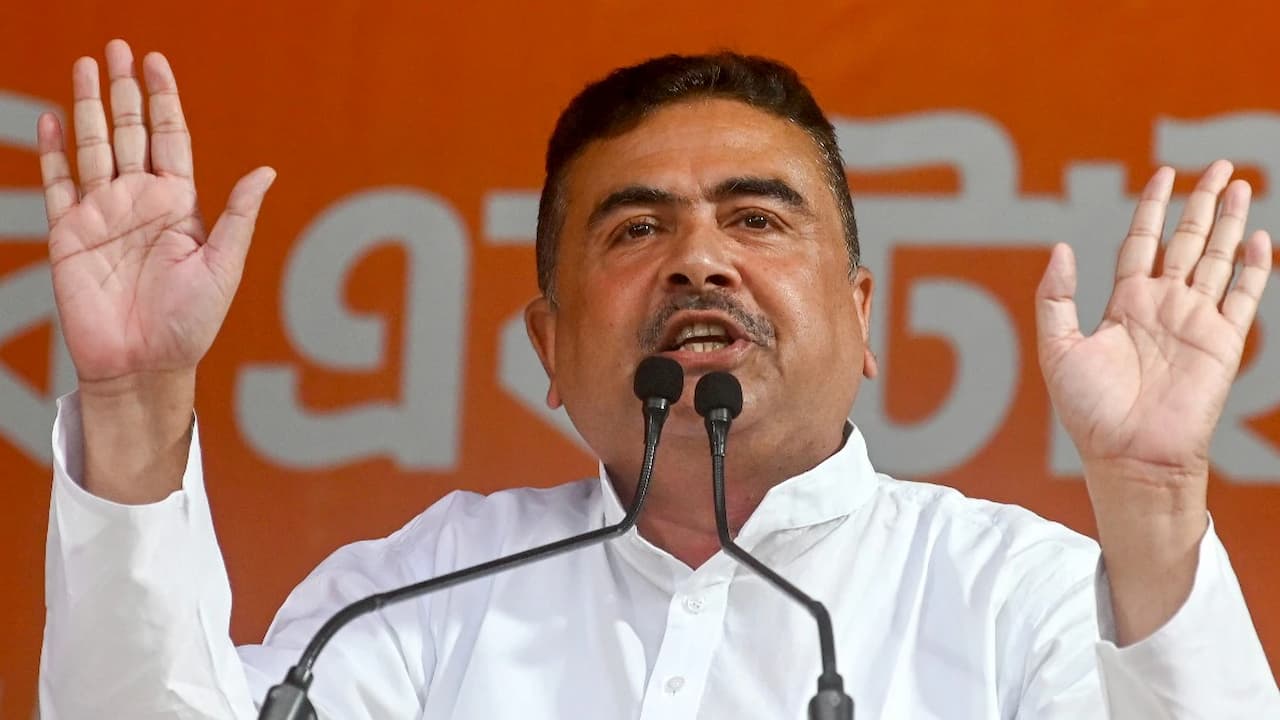
Once a dominant anti-Left force and later a pillar of the TMC, the Adhikari family—led by former Union minister Sisir Adhikari and including Suvendu Adhikari, the Leader of Opposition, along with Dibyendu and Soumendu—has now aligned with the BJP, significantly altering the political landscape in the region.
The constituencies of Tamluk, Kanthi (Uttar), and Kanthi (Dakshin), which witnessed closely contested elections in 2021, are again in focus due to shifting political loyalties and the enduring grassroots influence of the family.
Tamluk, in particular, has become a crucial swing seat after a razor-thin margin of just 793 votes decided the contest in the last assembly polls, with the TMC narrowly defeating the BJP. The constituency continues to reflect a bipolar contest, although the presence of Left and Congress candidates could impact vote division.
Kanthi subdivision remains the epicentre of the Adhikari family’s political network, where their long-standing local influence continues to shape voter behaviour. In Kanthi Uttar, the BJP secured victory in 2021 and has retained its candidate, while the TMC is attempting to regain lost ground by reorganising its cadre base.
Kanthi Dakshin, historically considered the family’s stronghold, also presents a tightly contested scenario. The BJP aims to retain its advantage, while the TMC is pushing for a comeback through renewed grassroots efforts.
At the centre of this political churn is Suvendu Adhikari, whose shift from being a key aide of Chief Minister Mamata Banerjee to the BJP’s principal face in Bengal has had far-reaching electoral consequences. His transition effectively transferred a well-established political network to the BJP, strengthening its position in the district.
As both parties intensify their campaigns, Purba Medinipur once again emerges as a politically crucial district that could influence the broader electoral outcome. While the BJP seeks to consolidate its gains with the backing of the Adhikari network, the TMC is working to rebuild its organisational strength and reclaim lost ground.
The Left and Congress, though not central to the main contest, could still play a significant role by influencing vote shares in closely fought constituencies. Voting for the 294-member West Bengal Assembly will be held in two phases on April 23 and 29, with counting scheduled for May 4.
DMK Announces Candidates for 164 Seats; Stalin to Recontest from Kolathur 8
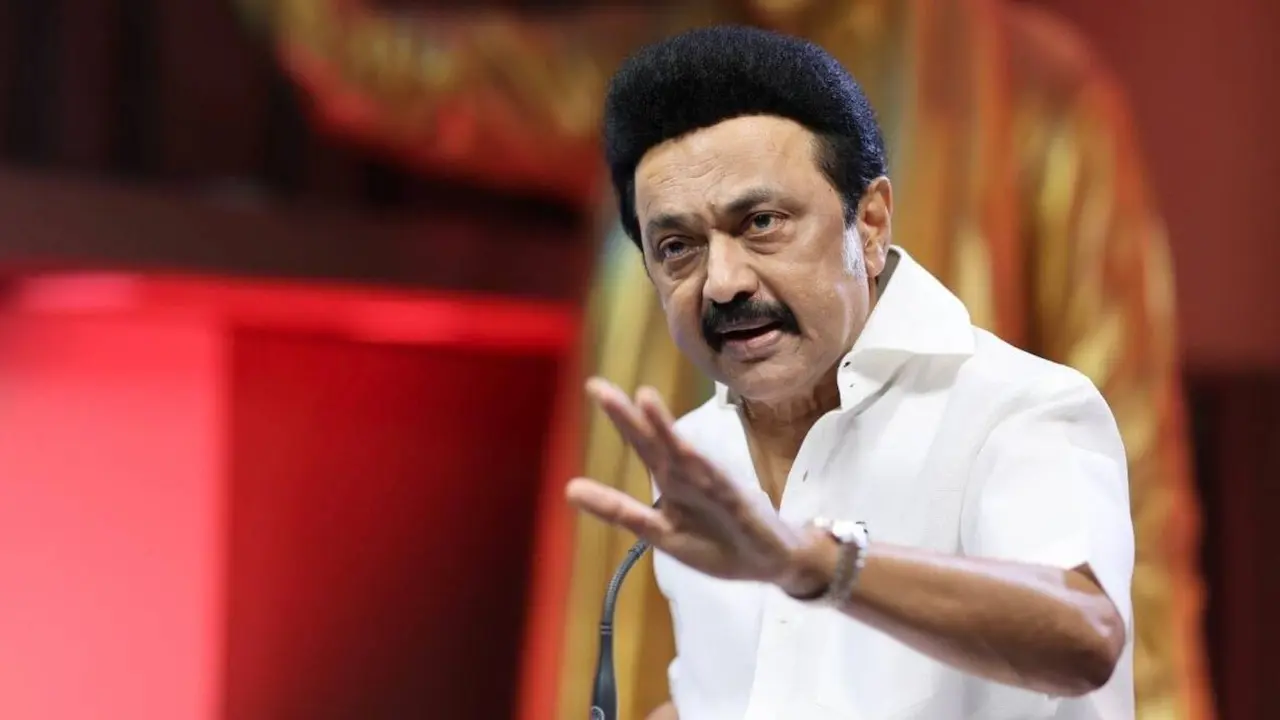
The ruling DMK on Saturday unveiled its list of candidates for 164 constituencies for the April 23 Tamil Nadu Assembly elections, with Chief Minister M.K. Stalin set to recontest from his Kolathur seat.
Announcing the list at the party headquarters, Anna Arivalayam, Stalin confirmed that his son and Deputy Chief Minister Udhayanidhi Stalin will once again contest from Chepauk-Triplicane. The party has largely retained its sitting ministers, MLAs, and senior leaders in a bid to maintain continuity.
Key leaders renominated include DMK general secretary Durai Murugan, K.N. Nehru, Anbil Mahesh Poyyamozhi, Thangam Thennarasu, Ma. Subramanian, and E.V. Velu.
In a significant political development, former AIADMK leader O. Panneerselvam, who recently joined the DMK, has been fielded from Bodinayakkanur, a constituency he represented earlier before resigning as MLA. His associates, Paul Manoj Pandian and R. Vaithilingam, who had joined the DMK earlier, have also been given tickets.
Former minister V. Senthil Balaji has been nominated from Coimbatore South.
Earlier in the day, the DMK concluded its seat-sharing arrangements with alliance partners under the Secular Progressive Alliance (SPA). The Congress has been allotted 28 seats, including key constituencies such as Ponneri, Erode East, Vilavankode, Sivakasi, and Karaikudi.
The DMDK, led by Premalatha Vijayakanth, will contest 10 seats, including Vriddhachalam and Pallavaram. The Viduthalai Chiruthaigal Katchi (VCK), led by Thol Thirumavalavan, has been allocated eight seats, including Kattumannarkoil, Panrutti, and Tindivanam.
The Left parties have also secured representation, with CPI(M) and CPI allotted five seats each. CPI(M) will contest from constituencies including Padmanabhapuram and Palani, while CPI will field candidates in Thalli and Bhavanisagar (SC), among others.
Additionally, the Vaiko-led MDMK has been given four seats, with some candidates contesting on the DMK’s ‘Rising Sun’ symbol. In total, 11 candidates from alliance parties will contest under the DMK symbol.
With the candidate list and alliances finalised, the DMK has signalled a strong and coordinated push for the upcoming Assembly elections.
Nepal Ex-PM KP Sharma Oli Arrested Over Deadly Gen Z Protest Crackdown 10
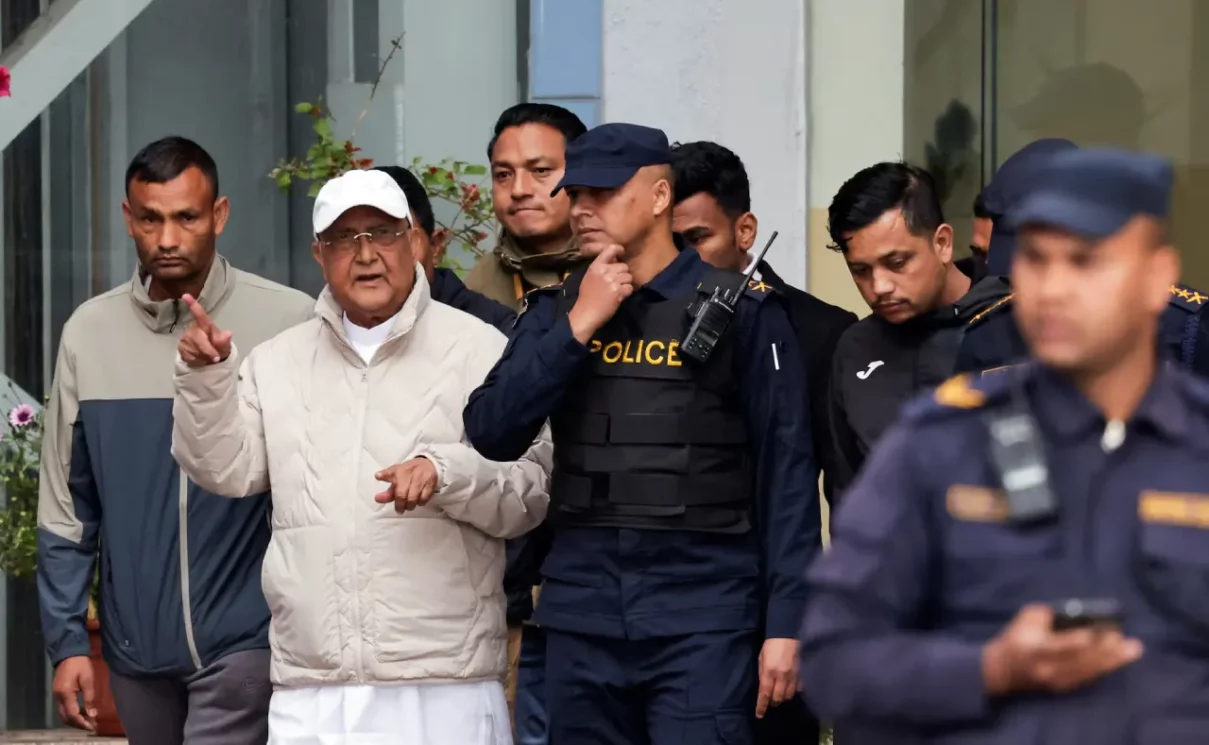
Nepal’s former Prime Minister K.P. Sharma Oli was arrested on Saturday in connection with last year’s violent crackdown on Gen Z protests, a day after the newly formed government led by Balendra Shah moved to implement the findings of a probe commission.
Oli, who also serves as the chairman of the CPN-UML, was taken into custody early Saturday morning from the Gundu area in Bhaktapur district, about 12 km east of Kathmandu, police confirmed.
Former Home Minister and Nepali Congress leader Ramesh Lekhak was also arrested from his residence in Katunje, Suryabinayak Municipality, in the same district.
Both leaders face charges related to their alleged role in suppressing the Gen Z protests held on September 8 and 9 last year, during which 76 people, including several youths, were killed. The probe commission that investigated the incident recommended criminal action against Oli, Lekhak, and others.
Acting swiftly, the Balendra Shah-led government approved the commission’s recommendations during its first cabinet meeting on Friday, paving the way for the arrests.
Home Minister Sudhan Gurung defended the move, stating that the action was part of a legal process and not driven by political vendetta. “Nobody is above the law. This is not revenge, but the beginning of justice,” he said in a social media post, adding that the country would now move in a new direction.
Police said both Oli and Lekhak have been lodged at the Kathmandu District Police Circle in Bhadrakali. They are expected to be produced before the Kathmandu District Court on Sunday, following which formal investigation proceedings will begin.
A senior police official indicated that the probe commission has recommended a prison term ranging from three to ten years if the आरोप are proven.
Shortly after his detention, Oli was taken to Tribhuvan University Teaching Hospital for a routine medical examination, officials said, describing the arrest as part of due legal procedure.
Meanwhile, the CPN-UML has convened an emergency meeting of its secretariat at its central office in Lalitpur to deliberate on the unfolding developments.
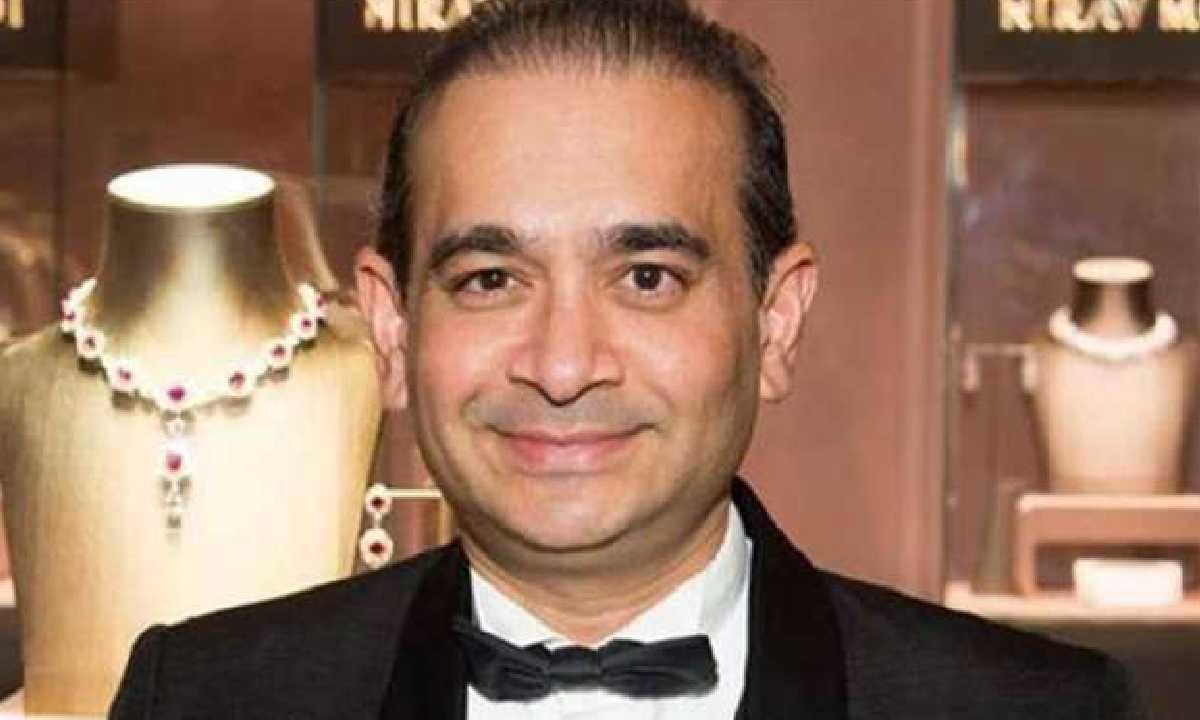
The London High Court has refused to reopen fugitive diamantaire Nirav Modi’s case against extradition to India, placing significant reliance on the “quality of assurances” provided by the Government of India.
Modi, wanted in India in connection with the ₹13,000-crore Punjab National Bank fraud, had sought to reopen his extradition case citing the recent ruling in the Sanjay Bhandari matter, where extradition was denied on human rights grounds, including concerns over possible torture.
However, the High Court of Justice, King’s Bench Division, comprising Lord Justice Stuart-Smith and Justice Jay, rejected his plea, emphasising that the assurances given by India through a formal note verbale were detailed, specific, and carried substantial diplomatic weight.
In its judgment, the court acknowledged that the Bhandari ruling had raised concerns about alleged treatment of detainees in India. It noted that, in the absence of fresh assurances from the Indian government between September 2025 and February 2026, it might have considered reopening the case under exceptional powers.
The Bench, however, concluded that the guarantees provided by India were sufficient to address these concerns. It rejected the argument that Modi would face a “real risk of torture or ill-treatment” during transit or while in custody.
The court highlighted that the assurances were not vague but clearly outlined the conditions under which Modi would be held, including arrangements for his stay at Mumbai’s Arthur Road prison, access to legal representation, and overall treatment during trial proceedings.
It further noted that these assurances were issued by a competent authority within India’s Ministry of Home Affairs and were binding on both the central and Maharashtra state authorities, as well as the investigating agencies involved.
While observing that India is not a signatory to the United Nations Convention Against Torture, the court stated it had no reason to doubt that torture is prohibited under Indian law. It also underscored that any breach of these assurances would seriously damage diplomatic trust between India and the United Kingdom.
The Crown Prosecution Service, supported by a Central Bureau of Investigation (CBI) team that travelled to London for the hearing, strongly opposed Modi’s petition. The CBI later said that coordinated efforts helped counter the legal challenge based on the Bhandari judgment.
Modi has been in a UK prison since his arrest on March 19, 2019. UK courts had earlier approved his extradition and dismissed multiple appeals, finding no legal barriers and accepting India’s assurances regarding his treatment.
According to officials, Modi is accused of siphoning off ₹6,498.20 crore from Punjab National Bank in collusion with his uncle Mehul Choksi, as part of one of India’s largest banking frauds.
Maharashtra Council Orders 5-Day Jail for Youth Over Fake News on MLC Amol Mitkari 13
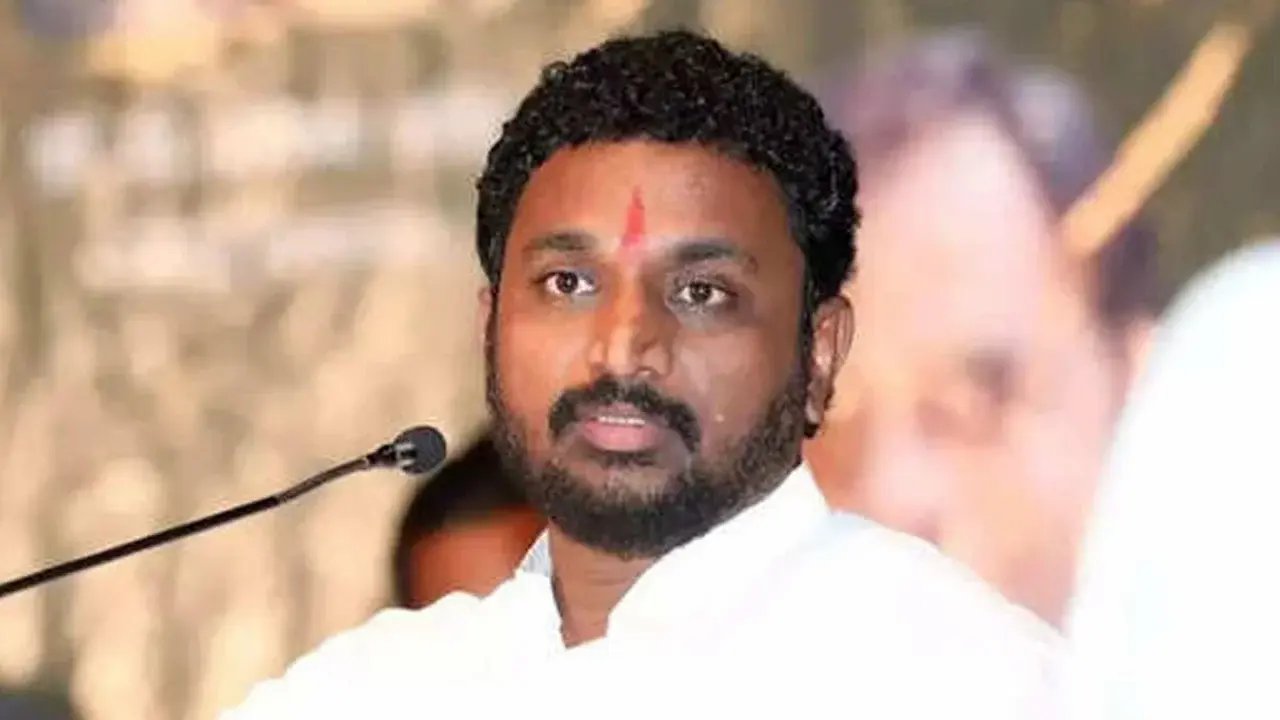
The Maharashtra Legislative Council has ordered the implementation of a five-day jail term for a youth from Akola for allegedly publishing fake news against NCP MLA Amol Mitkari on a YouTube channel.
The accused, Ankush Gawande, had been directed to appear before the House on Wednesday to tender an apology. However, he failed to comply with the order, prompting the Council to enforce the punishment recommended earlier.
Gawande, along with journalists Ganesh Sonawane, Harshada Sonawane, and Amol Nandurkar, had reportedly aired false information against Mitkari on the ‘Satya Ladha’ YouTube channel. While the three journalists appeared before the House, apologised for their actions, and were let off with a warning, Gawande’s absence led to stricter action.
Council Chairman Ram Shinde stated that since Gawande did not present himself despite clear directions, the House decided to proceed with the punishment. The Upper House had passed a motion on Tuesday recommending a five-day jail term in case of non-compliance with its directive.
In a separate development, the Council accepted an apology from NCP (SP) leader Suryakant More for making objectionable remarks against the Chairman and members of the House. A motion passed earlier had proposed a seven-day jail term for More.
The Council also granted an extension to its privilege committee to submit a report on Shiv Sena (UBT) leader Sushma Andhare and comedian Kunal Kamra over their alleged remarks mocking Deputy Chief Minister Eknath Shinde. The committee has now been given time until the last day of the next legislative session.
Prashant Kishor Slams Nitish Kumar Over Son's JD(U) Entry, Questions 'Moral High Ground' 15
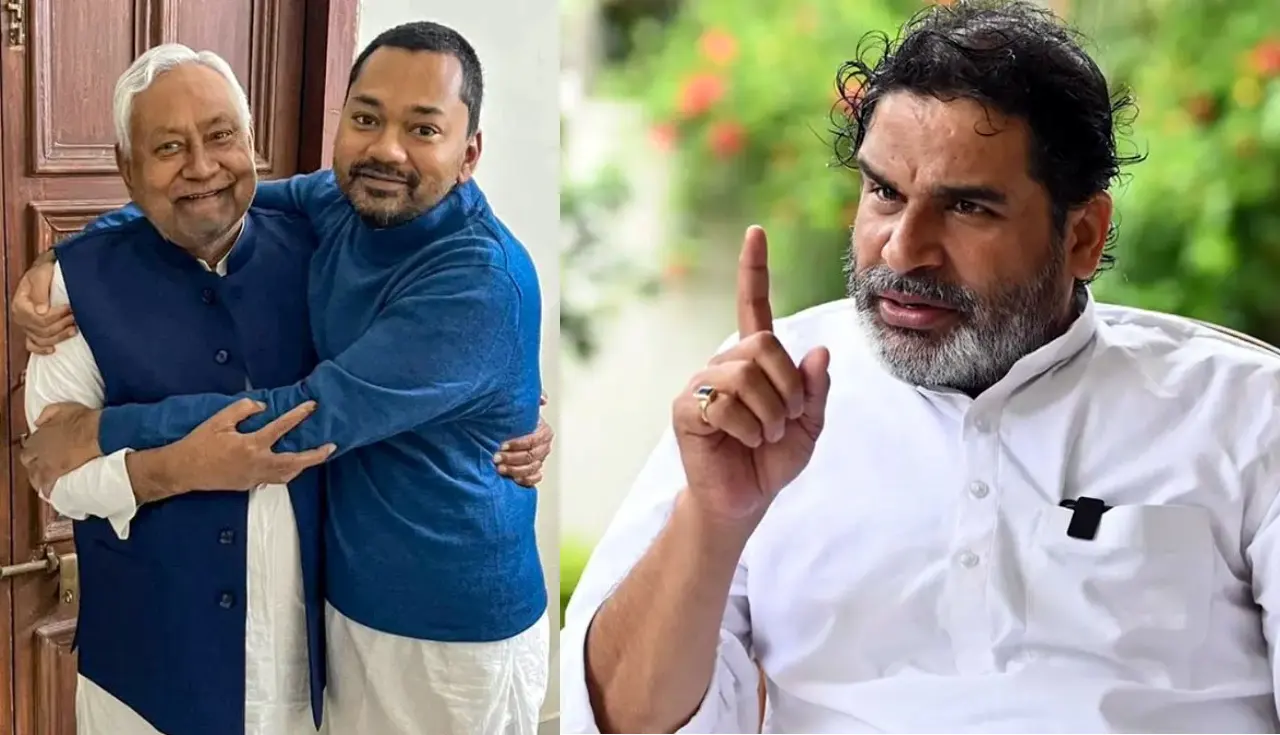
Jan Suraaj Party founder Prashant Kishor has launched a sharp attack on Bihar Chief Minister Nitish Kumar, alleging that his re-election as JD(U) national president and the induction of his son, Nishant Kumar, into the party mark a departure from the principles he upheld for decades.
Speaking in Munger district on Wednesday, Kishor said Nitish Kumar, who had long projected himself as a leader above nepotism, has now “stepped down from the pedestal” he occupied for the past 35 years. A former JD(U) national vice president, Kishor claimed that the developments indicate that Kumar is no different from leaders who treat political parties as personal fiefdoms to be passed on to their heirs.
“Nitish Kumar has always been the supreme leader of JD(U). His continuation as national president and the induction of his son show he is no different from those he once criticised,” Kishor said. He added that Kumar can no longer claim the moral high ground he once held while attacking dynastic politics and championing socialist ideals.
Kishor also commented on the anticipated leadership change in Bihar, as Nitish Kumar is expected to step down as chief minister following his election to the Rajya Sabha. He said the decision on the next chief minister rests with the NDA but alleged that the alliance’s electoral success was aided by what he described as “brazen voter inducements” ahead of the assembly elections.
Referring to welfare measures announced before the polls, including the Mukhyamantri Mahila Rojgar Yojana under which ₹10,000 was transferred to over one crore women, Kishor claimed such initiatives influenced voter turnout and contributed to the NDA’s sweeping victory.
Continuing his criticism, Kishor accused Prime Minister Narendra Modi and Union Home Minister Amit Shah of prioritising Gujarat over Bihar. In a sarcastic remark, he said that regardless of who leads the next government, it would function with Gujarat’s interests in mind.
Meanwhile, in Patna, Nishant Kumar visited the JD(U) office to celebrate his father’s re-election with party workers. The 44-year-old assured that he would work closely with grassroots workers and proposed distributing booklets across the state highlighting Nitish Kumar’s governance record over his long tenure as chief minister.
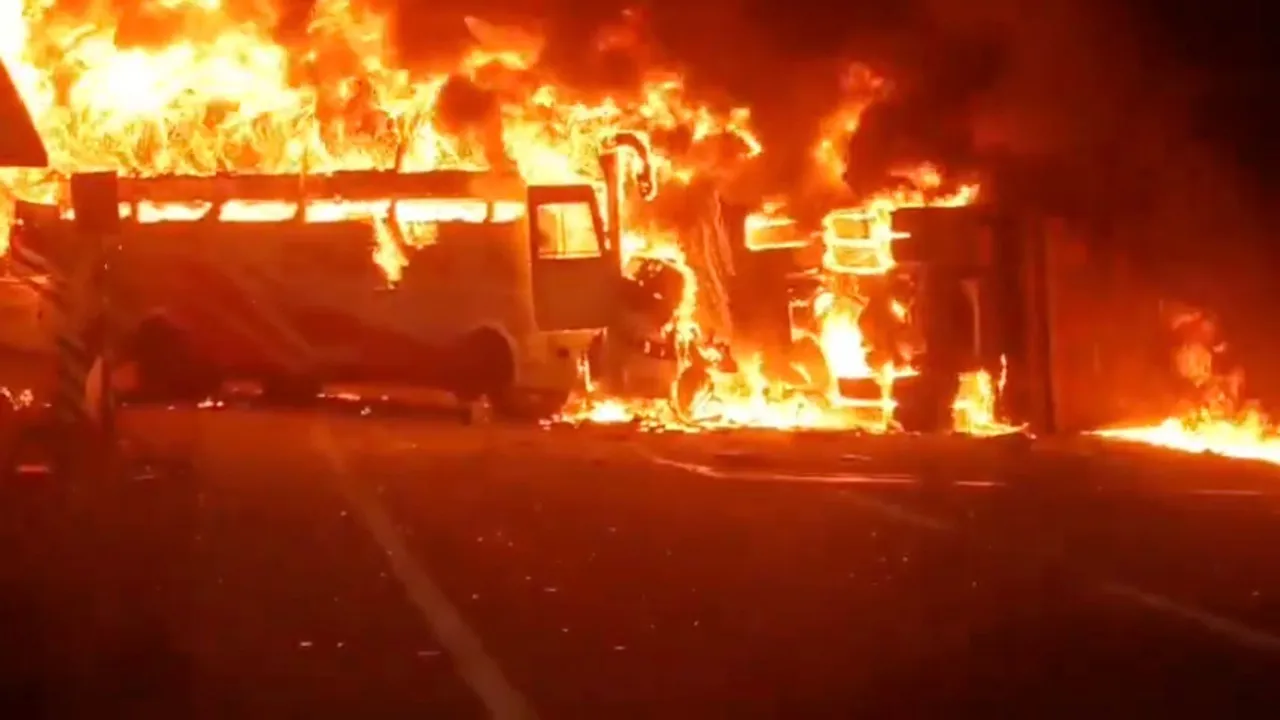
14 Killed, 23 Injured as Bus Catches Fire After Collision in Andhra’s Markapuram 17
At least 14 people were killed and 23 others injured after a private bus collided with a tipper lorry and caught fire in Andhra Pradesh’s Markapuram district on Thursday, police said.
The impact of the collision caused the bus to burst into flames, trapping several passengers inside the burning vehicle and leading to heavy casualties.
Markapuram Superintendent of Police V Harshavardhan Raju confirmed the toll, stating that 14 people lost their lives in the accident, while the injured, including the bus driver, have been shifted to nearby hospitals for treatment.
The bus was travelling from Jagityal in Telangana to Kaligiri in Nellore district with around 35 passengers on board when the incident occurred.
The driver of the tipper lorry also sustained injuries and has been hospitalised.
Andhra Pradesh Chief Minister N Chandrababu Naidu expressed deep shock and grief over the tragic loss of lives. He spoke to officials and directed them to ensure proper medical care for the injured.
The Chief Minister also ordered a comprehensive inquiry into the cause of the accident and asked authorities to submit a detailed report.
Rescue and relief operations were carried out at the site, while officials are working to ascertain further details of the incident.
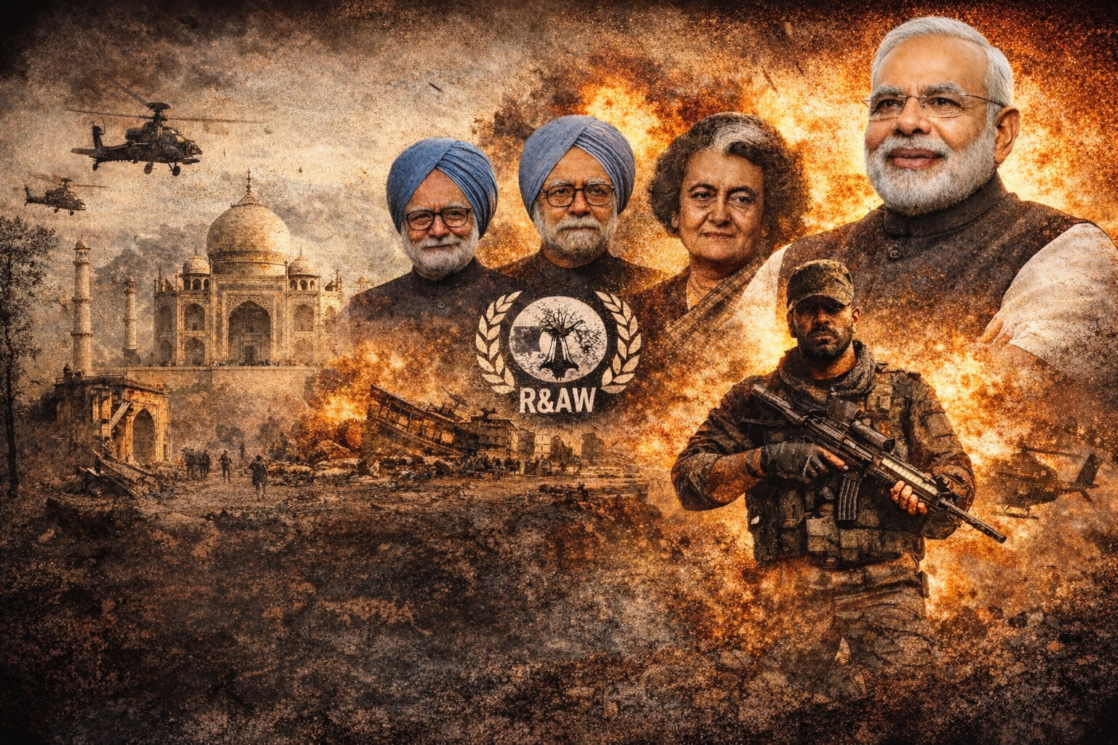
From Facts to Fiction: The Political Hijack of ‘Dhurandar’ 19
There was a time when cinema reflected society. Today, it engineers perception. What we are witnessing now is not filmmaking—it is narrative manufacturing. And Dhurandar stands as a glaring example of how history is not just being retold, but selectively edited, repackaged, and politically reassigned.
Let’s call it what it is: propaganda with a cinematic budget.
Because when a film takes real intelligence operations, real sacrifices, real blood spilled in silence—and then conveniently rewrites the credit line to suit a present-day political narrative, it stops being art. It becomes an agenda.
The entire storyline of Dhurandhar is drawn from events that occurred between 2004 and 2014. That is not my opinion. That is a record. And during this entire period, India was governed by the Indian National Congress under Prime Minister Manmohan Singh.
Not Narendra Modi. Not the BJP.
Yet somehow, by the time the credits roll, the audience is nudged—subtly, cleverly, repeatedly—into associating these operations with a leadership that had nothing to do with their execution.
That’s not storytelling. That’s intellectual dishonesty.
Let’s strip this down to bare facts—the kind that don’t bend to screenplay demands.
Hamza’s infiltration into Pakistan took place in 2004. Rehman Daiket was neutralized in 2009. Arshan Pappu was eliminated in 2013. Aslam Khan was killed on 9 January 2014. Every single one of these operations falls squarely within the Congress-led era.
And yet, the film behaves as if these were part of some post-2014 strategic doctrine.
Why?
Because perception today matters more than truth yesterday.
Even more telling is the case of long-term operations. Jamal Jamili was sent to Pakistan nearly four decades ago, during the time of Indira Gandhi. The intelligence groundwork that India benefits from today was not built overnight—it was laid brick by brick across decades, across governments, across ideologies.
But Dhurandar doesn’t have the patience for historical continuity. It has a political point to make.
Let’s talk about institutions.
The Research and Analysis Wing—India’s premier external intelligence agency—was established in 1968 under Indira Gandhi’s leadership. It was strengthened, structured, and strategically empowered during Congress regimes. The rank of Secretary (Research) was placed on par with the highest bureaucratic offices in the country, reflecting its importance.
Then came 1977.
The Janata Party government under Morarji Desaidowngraded this status, reducing its institutional weight. It took another Congress government under Rajiv Gandhi in 1986 to restore that stature.
This is not ideology. This is documented administrative history.
But does the film acknowledge any of this?
Of course not.
Because acknowledging it would complicate the narrative—and propaganda thrives on simplicity.
Now let’s address another convenient illusion: the idea that bold economic or strategic decisions began in recent years.
Demonetisation, often portrayed as a groundbreaking modern strike against black money, had already been implemented twice before—once in 1946 and again in 1978. The 1978 move, ironically, was carried out by the same Janata Party regime that weakened R&AW’s institutional standing.
History, it seems, is only remembered when it suits the script.
And then comes perhaps the most uncomfortable truth of all—the elimination of Ilyas Kashmiri in 2011. A high-value target, neutralized during a period when India’s intelligence cooperation and groundwork were at their peak under the Congress-led government.
But watch how such events are absorbed into a broader narrative that subtly shifts credit elsewhere.
It’s not accidental. It’s designed.
What Dhurandar does is take a decade of sustained intelligence effort, built on institutional continuity and strategic patience, and compress it into a single political personality. It erases the timeline, blurs accountability, and hands over a neatly wrapped narrative to the audience.
And the audience, unaware or unconcerned, consumes it.
Because cinema has one advantage over history—it doesn’t need footnotes.
But here’s the problem.
When films start rewriting recent history—history that is still within living memory—they don’t just distort facts, they distort public understanding. They create a generation that believes complex national security operations are the result of one leader, one ideology, one moment.
That is not just false. It is dangerous.
Because institutions matter more than individuals.
Governments change. Officers retire. Political narratives shift. But institutions like R&AW operate in the shadows, across decades, beyond headlines. Their successes are cumulative, not episodic.
And when you reduce that legacy to fit a political storyline, you don’t just disrespect history—you undermine the very idea of institutional integrity.
Let’s be blunt.
If Dhurandhar 2 wanted to be honest, it would have acknowledged that the operations it glorifies were conceived, executed, and completed during a time when the BJP was not even in power at the Centre. That Narendra Modi had no administrative role in these missions. That the credit, if it must be given politically, belongs to the Congress-led governments of that era.
But honesty doesn’t sell as well as hero worship.
So instead, we get a carefully curated illusion—one that aligns with current political sentiments, one that reinforces a pre-existing narrative, one that replaces complexity with convenience.
And that is the real tragedy.
Not that a film took creative liberties—but that it chose to do so at the cost of truth.
Because once cinema becomes a tool to rewrite recent history, it stops being entertainment. It becomes indoctrination.
And a society that consumes such narratives without questioning them slowly loses its ability to distinguish between fact and fiction.