Home Blog Page 100

Vivek Phansalkar: A Visionary Commissioner Transforming Mumbai’s Policing Landscape

vivek phansalkar, phansalkar, mumbai police, mumbai police commissioner, police commissioner, mumbai police, police, vivek, ips
Vivek Phansalkar: A Visionary Commissioner Transforming Mumbai's Policing Landscape 2

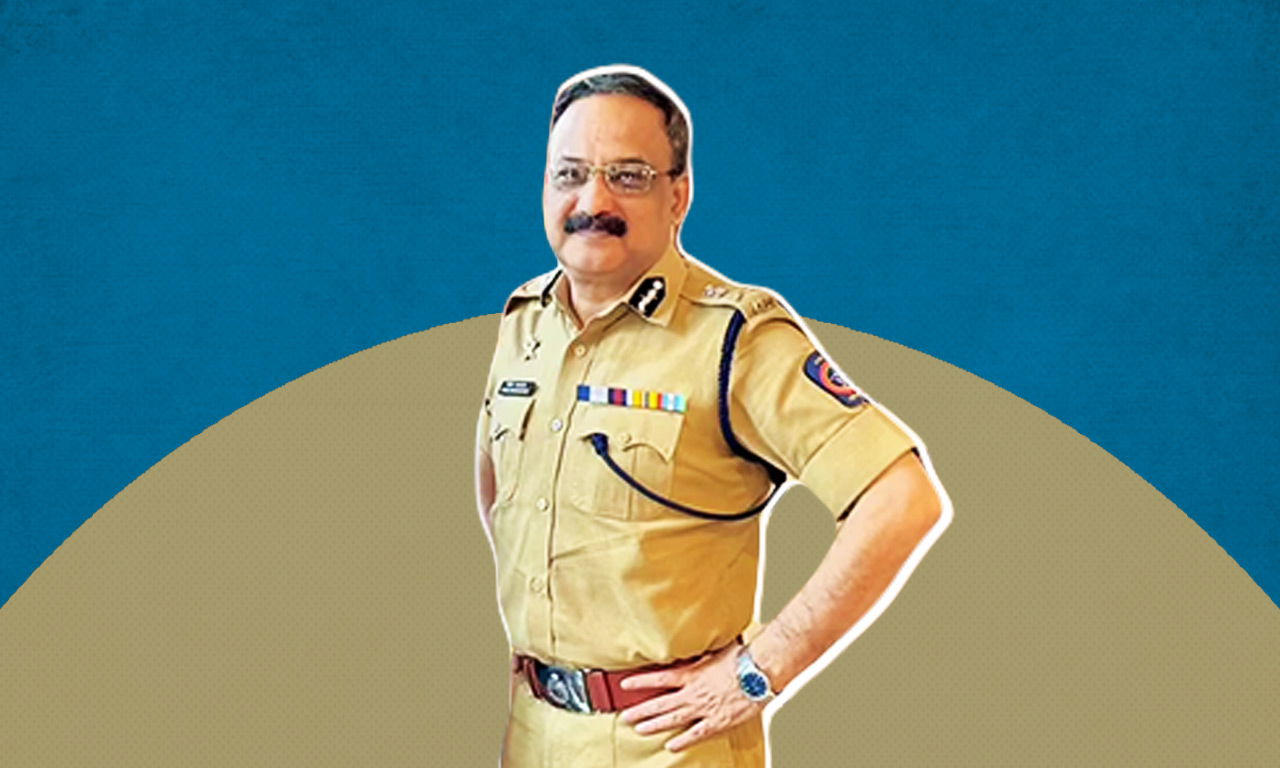
Mumbai, as one of the most dynamic and densely populated metropolitan cities in the world, has always required a police leadership that is not only firm in its commitment to law and order but also adaptable to the evolving challenges of urban policing. Senior IPS officer Vivek Phansalkar has exemplified this requirement through his distinguished service, bringing a unique blend of integrity, discipline, and strategic foresight to Maharashtra’s police force. His tenure as Mumbai’s Police Commissioner is marked by a proactive approach toward modern policing, community engagement, and technology-driven crime prevention strategies, all of which have reinforced the city’s security framework.

Phansalkar’s career trajectory is a testament to his unwavering dedication to public service. His extensive experience in counterterrorism, urban policing, and infrastructure development has enabled him to make a tangible impact on Mumbai’s law enforcement. His leadership during high-pressure situations, whether tackling organized crime, addressing cyber-security threats, or implementing reforms within the police force, has garnered immense respect from both his colleagues and the public. Unlike many officers who focus solely on rigid enforcement, Phansalkar has displayed a rare ability to balance authority with approachability, fostering an environment where both deterrence and public cooperation work in tandem to maintain order. His vision for Mumbai’s safety is comprehensive, addressing not just immediate law enforcement needs but also long-term security challenges that come with an ever-expanding urban landscape.

A 1989-batch IPS officer, Vivek Phansalkar was serving as the Director General and Managing Director of the Maharashtra State Police Housing and Welfare Corporation before his appointment as the Mumbai Police Commissioner. He stepped into the role on June 30, succeeding Sanjay Pandey, whose tenure saw notable changes in citizen engagement and community policing initiatives. Phansalkar’s approach, while distinct from his predecessor, retains an emphasis on public trust, ensuring that Mumbai’s residents feel a strong connection to law enforcement efforts.

Phansalkar’s leadership journey has been shaped by a diverse range of roles across Maharashtra. He commenced his career as an Assistant Superintendent of Police in Akola in 1991, following which he served as ADC to Governor Dr. P.C. Alexander in 1993. His tenure as Superintendent of Police in Wardha and Parbhani between 1995 and 1998 established his reputation for effective crime control and administrative efficiency. Subsequent postings as Deputy Commissioner of Police in Nashik (1998) and Superintendent of Police, CID Nagpur (2000-2003), further honed his expertise in investigative procedures and vigilance operations. His strategic acumen became evident when he took on the role of Director of Vigilance for the Cotton Corporation of India, a position that broadened his perspective on economic crimes and corporate security.

His tenure as Additional Commissioner of Police in Pune and Thane from 2007 to 2010 was marked by a strong emphasis on traffic management, crime control, and policy implementation. As Joint Commissioner of Police (Traffic), Mumbai, from 2010 onward, he played a pivotal role in streamlining traffic systems in one of the country’s most congested urban landscapes. His subsequent postings as Joint Commissioner of Police (Administration) in Mumbai (2014) and Additional Director General of Maharashtra’s Anti-Terrorism Squad (2015) further reinforced his credibility as a strategic leader capable of handling high-stakes responsibilities. His appointment as Additional Director General of Mumbai’s Anti-Corruption Bureau in 2016 positioned him at the forefront of Maharashtra’s fight against corruption, underscoring his commitment to institutional integrity.

Phansalkar’s tenure as Thane Police Commissioner from 2018 was particularly impactful. Thane, often regarded as an extension of Mumbai’s metropolitan sprawl, has faced persistent issues such as traffic congestion, organized crime, and real estate-related disputes. Under his leadership, the Thane Police force adopted a more aggressive stance against criminal elements while simultaneously strengthening community policing measures. His proactive crime control strategies and motivational leadership significantly improved law enforcement outcomes, altering public perception and fostering a sense of security among residents.

His appointment to the Police Housing and Welfare Corporation was a testament to his administrative capabilities, as he played a crucial role in enhancing the infrastructure for police personnel across Maharashtra. This tenure, though more policy-driven, showcased his dedication to the welfare of law enforcement officers, a crucial but often overlooked aspect of policing.

Phansalkar’s leadership as Mumbai’s Police Commissioner comes at a time when the city faces evolving threats, including cybercrime, organized crime networks, and public safety challenges linked to its growing population. His emphasis on leveraging technology for crime prevention, ensuring swift response mechanisms, and fostering a culture of public trust within the police force positions him as one of the most capable IPS officers in the country. His strategic outlook ensures that Mumbai’s police force remains adaptive, resilient, and proactive in maintaining law and order.

While his predecessor, Sanjay Pandey, introduced several innovative initiatives, including citizen forums, interactive policing methods, and social awareness campaigns such as ‘Sunday Streets’ and ‘Drug-Free Mumbai,’ Phansalkar’s approach builds upon these foundations with a greater focus on structural and systemic enhancements. His tenure is not just about maintaining law and order but about transforming Mumbai’s policing framework to meet the demands of a rapidly modernizing city.

With a career spanning over three decades and a deep understanding of urban policing, Vivek Phansalkar continues to be a formidable force in Maharashtra’s law enforcement landscape. His tenure stands as an example of how proactive leadership, strategic planning, and an unwavering commitment to justice can shape the safety and security of one of the world’s most vibrant cities. His journey is an inspiration for the next generation of officers, underscoring the importance of ethical leadership, public engagement, and innovation in modern policing.
Rahul Gandhi Slams President’s Address as ‘Laundry List’ of Recycled Claims

president, president's speech, rahul gandhi, leader of opposition, lop, parliament, laundry list
Rahul Gandhi Slams President's Address as 'Laundry List' of Recycled Claims 4

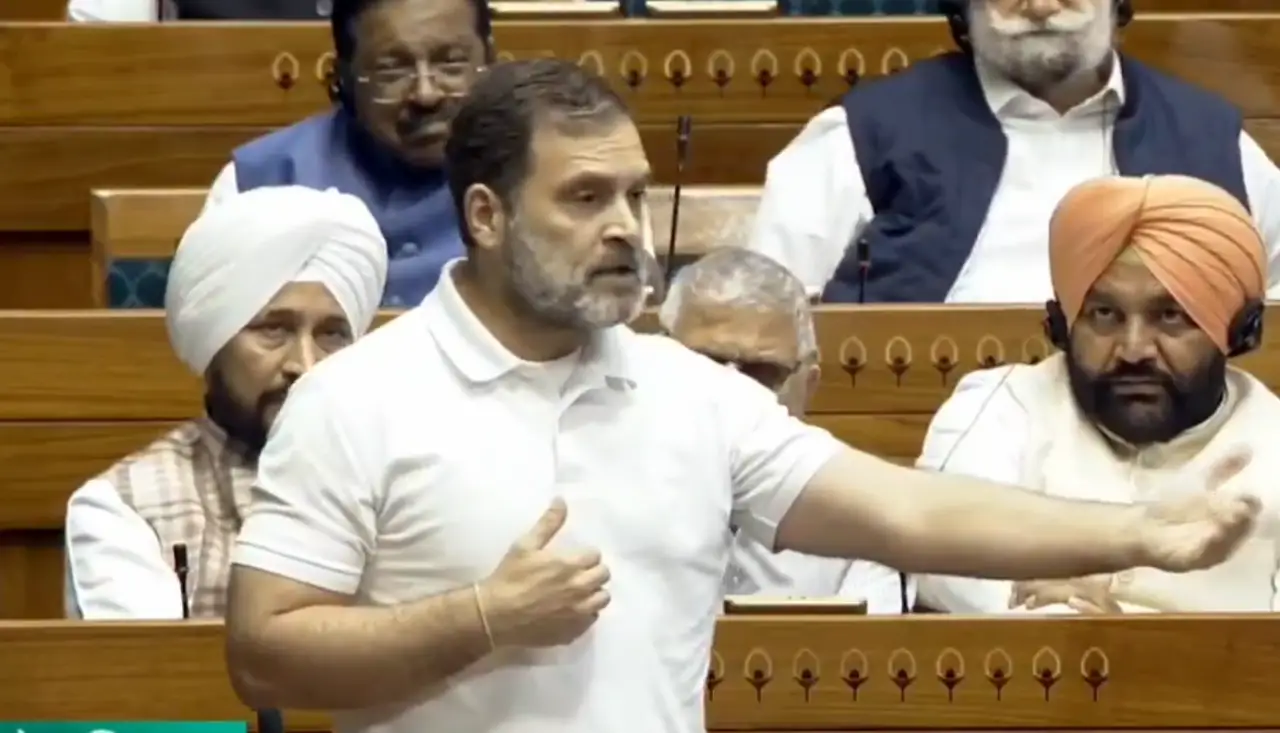
Leader of Opposition Rahul Gandhi launched a scathing attack on the government in the Lok Sabha on Monday, dismissing the President’s address to both Houses as a recycled list of the government’s past claims. Participating in the Motion of Thanks debate, Gandhi said the speech was nearly identical to last year’s and lacked any substantial vision for tackling unemployment.

Gandhi, addressing Prime Minister Narendra Modi, who was present in the House, criticized the ‘Make in India’ initiative, calling it a failed project. He claimed that due to this failure, China has gained a foothold inside India, and warned that India risks surrendering its industrial revolution to the Chinese.

Taking a swipe at India’s foreign policy, Gandhi accused the government of lobbying for Modi’s US invitation, stating that the Congress would never send its foreign minister to beg for a Prime Minister’s invitation to a U.S. President’s ‘coronation’.

His remarks drew sharp criticism from Parliamentary Affairs Minister Kiren Rijiju, who challenged him to substantiate his allegations about India’s foreign policy. Rijiju dismissed the claims as unfounded and baseless.

Gandhi further argued that India’s economic model was flawed, stating that India has failed to organize domestic production and has handed over its manufacturing dominance to China. He also expressed concerns about the rise of social tensions in the country and urged the government to prioritize production and employment.

Highlighting four emerging technologies—electric motors, batteries, optics, and artificial intelligence (AI)—Gandhi emphasized the need for India to embrace innovation and industry to remain competitive on the global stage.

BJP Alleges AAP Shielding Illegal Rohingyas, Bangladeshis to Manipulate Delhi Elections

sambit patra, patra, sonia gandhi, ed, enforcement directorate, congress, congress party, satyagraha, satyagraha morcha, gandhi
Image: PTI

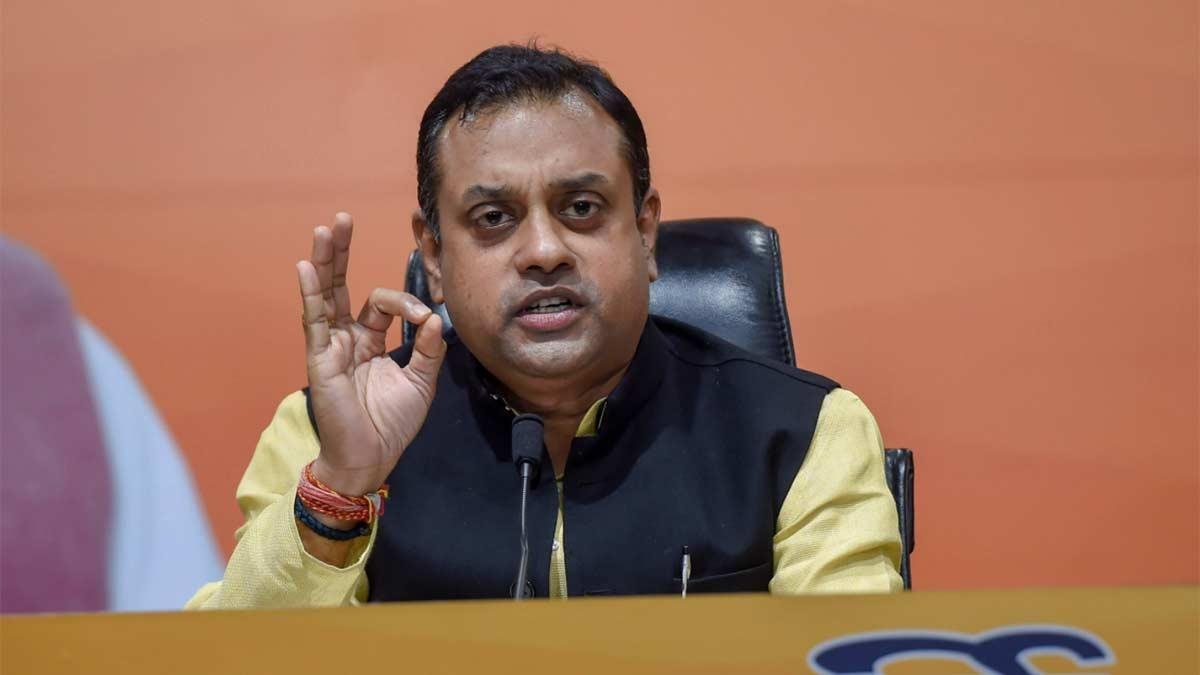
With just two days left for the Delhi Assembly elections, the BJP has launched a sharp attack on the Aam Aadmi Party (AAP), accusing it of patronizing illegal Rohingya and Bangladeshi migrants in the capital. The party alleged that this is leading to demographic manipulation, impacting the electoral process and displacing local migrant workers.

At a press conference, BJP spokesperson Sambit Patra cited a Jawaharlal Nehru University (JNU) study, claiming that Purvanchal and other Indian migrant workers in Delhi were losing low-paying jobs to illegal Rohingya and Bangladeshi “infiltrators.” He further alleged that AAP is playing a crucial role in protecting them, helping them obtain fake voter IDs to influence elections.

According to Patra, the study—prepared by Professor Manuradha Chaudhary and others—suggests that an informal network of brokers and religious preachers is involved in facilitating the illegal influx of migrants and procuring fake documents for them. He further claimed that these “infiltrators” are contributing to rising crime rates and that the electoral process is being manipulated in their favor.

As of now, AAP has not responded to these allegations.

Loan Shark Harassment Pushes Thane Man to Suicide; One Arrested

crime, murder, body, dead body, murder body
Representational Image

A 38-year-old man in Thane district, Maharashtra, ended his life due to relentless harassment over a ₹1.8 lakh loan, despite repaying ₹3.3 lakh including interest. The police have arrested one person and registered a case against three individuals linked to the incident, which occurred last month.

The deceased, Amin Shaikh, took the loan from the accused but continued to face threats and harassment even after making excess repayments. Overcome with distress, he hanged himself at his residence in the Ganeshpuri area on January 14. Initially recorded as an accidental death, the case took a turn after investigators discovered an audio message on Shaikh’s phone, where he explicitly named those responsible for his tragic step.

Based on this evidence, police registered an FIR under Section 108 (abetment of suicide) of the Bharatiya Nyaya Sanhita (BNS). One accused was arrested on Saturday, while a manhunt is underway for the other two. This case highlights the ruthless tactics of loan sharks, raising serious concerns over illegal lending practices and recovery harassment in the state.

JMM Rejects CAA, NRC, and UCC; Slams Centre for ‘Cheating’ Jharkhand

jmm, hemant soren, nrc, caa, jharkhand, soren
JMM Rejects CAA, NRC, and UCC; Slams Centre for 'Cheating' Jharkhand 8

The Jharkhand Mukti Morcha (JMM), the ruling party in Jharkhand, passed a 50-point resolution during its 46th foundation day celebrations at Gandhi Maidan in Dumka, rejecting the Citizenship Amendment Act (CAA), Uniform Civil Code (UCC), and National Register of Citizens (NRC) in the state. The resolution also demanded the strict implementation of the Chotanagpur Tenancy (CNT) Act and Santal Pargana Tenancy (SPT) Act, along with the immediate payment of ₹1.36 lakh crore dues from the Centre to the state government.

Addressing a massive crowd, Chief Minister Hemant Soren launched a sharp attack on the Union government, alleging that Jharkhand has been “cheated” in the Union Budget. He accused the Centre of favoring the rich while neglecting poor and backward states like Jharkhand, despite the state’s significant contribution to the national economy through its mineral resources.

Soren criticized the BJP for promoting “jumlas” instead of real development, referring to the GYAN (Garib, Yuva, Annadata, Nari) scheme, which he claimed only offers loans instead of financial aid. He also slammed the BJP’s stance on welfare schemes, pointing out that Jharkhand was the first state to provide ₹2,500 per month to women, while the BJP, after dismissing such initiatives as “revri” (freebies), announced a similar scheme in Delhi.

As political tensions rise, JMM’s strong stand against CAA, NRC, and UCC signals a growing resistance in opposition-led states, setting the stage for a deeper Centre-state conflict ahead of the upcoming elections.

Maharashtra to Establish India’s First AI University, Task Force Formed

ai, artificial intelligence, maharashtra, maharashtra university, ai university
Maharashtra to Establish India’s First AI University, Task Force Formed 10

Maharashtra is set to pioneer India’s first Artificial Intelligence (AI) university, with a dedicated task force formed to oversee its planning and implementation, state Information Technology Minister Ashish Shelar announced.

The university will serve as a hub for AI research, development, and innovation, fostering collaboration between industry, academia, and government. It aligns with the BJP’s election manifesto, which emphasized technological advancement as a key driver of development.

The task force comprises experts from academia, industry, and government, including representatives from IIT Mumbai, IIM Mumbai, Google India, Mahindra Group, L&T, and officials from the Ministry of Electronics and Information Technology. Additionally, members from the Rajiv Gandhi Science and Technology Commission and the Data Security Council of India are involved in shaping the university’s framework.

Shelar highlighted that the AI university will focus on skill development, technological innovation, and policy formulation, aiming to position Maharashtra as a global leader in AI education and research. The state IT department’s principal secretary will chair the task force, which has already conducted two meetings to finalize the roadmap for the university’s establishment.

With this initiative, the Maharashtra government is reinforcing its commitment to making the state a leading hub for AI and technology-driven innovation, strengthening India’s global presence in artificial intelligence.

The Unholy Nexus: Dhananjay Munde and Namdev Shastri Maharaj—When Spirituality Becomes a Shield for Political Machinations

dhanajay munde namdev shastri
The Unholy Nexus: Dhananjay Munde and Namdev Shastri Maharaj—When Spirituality Becomes a Shield for Political Machinations 12

In an era where power and influence dictate narratives, where truth is often blurred by political machinations and strategic alliances, the case of Dhananjay Munde stands as a glaring testament to the dangerous entanglement of spirituality and politics. The brutal murder of Santosh Deshmukh, the sarpanch of Massajog village, should have been a matter of untainted justice. Instead, it has devolved into a spectacle of manipulation, with embattled Food and Civil Supply Minister and NCP leader Dhananjay Munde conveniently seeking absolution through the endorsement of Dr. Namdev Shastri Maharaj.

After 53 days of relentless scrutiny, Munde has found himself under an unexpected yet powerful protective umbrella. The endorsement came from Dr. Namdev Shastri Maharaj, a highly regarded spiritual figure within the Vanjari community, presiding over the Bhagwangad shrine in Beed. This public support, however, has ignited a firestorm of controversy, with many questioning the intersection of religious authority and political expediency.

Munde, who had earlier attended a DPDC meeting alongside Deputy Chief Minister Ajit Pawar, took refuge at Bhagwangad overnight before securing a meeting with Shastri the following morning. This move, calculated or otherwise, set the stage for what many see as an orchestrated effort to cleanse Munde’s public image through spiritual validation. In a subsequent press conference, Shastri asserted that Munde was being unfairly vilified and portrayed as a criminal, dismissing the allegations against him as a mere extension of a localized village dispute that had been blown out of proportion. He further condemned what he described as a prejudicial media trial, asserting that it was fomenting communal disharmony while diverting attention from real issues.

However, such sweeping justifications raise fundamental questions about the integrity of both the spiritual and political spheres. If Shastri’s claim holds weight, why has he not presented any substantive counterarguments to the allegations against Munde? How can a revered spiritual figure categorically dismiss charges that are still under investigation? The assertion that these allegations harm the Vanjari community as a whole appears to be an attempt to frame Munde’s predicament as a community-wide persecution rather than an individual’s accountability for potential wrongdoing. This tactic, far from being an act of moral fortitude, reeks of opportunistic deflection.

Notably, Shastri’s intervention has sparked political speculation, with some interpreting it as a veiled message to both the BJP and Ajit Pawar’s faction. The irony is striking, considering that the same Shastri had previously denied BJP leader Pankaja Munde, Dhananjay’s cousin, permission to hold a Dussehra rally at Bhagwangad on the grounds that religious sites should remain apolitical. His sudden deviation from this principle raises serious doubts about the sincerity of his spiritual leadership. Has Bhagwangad, a revered seat of faith, now become a transactional ground for political absolution?

Munde, visibly bolstered by this endorsement, wasted no time in leveraging it to his advantage. He expressed immense gratitude for the Bhagwangad shrine’s support, framing it as a source of newfound strength amidst his struggles. He then turned the tables on his critics, questioning whether media and political figures were more interested in targeting him than ensuring justice for Deshmukh’s murder. This rhetorical maneuver, while politically shrewd, conveniently sidesteps the core issue: is Munde truly innocent, or is he merely seeking refuge under the umbrella of spiritual authority to deflect accountability?

Social activist Anjali Damania has been among the most vocal opponents of this spectacle, unequivocally condemning the use of Bhagwangad as a political sanctuary. She has vowed to meet Namdev Shastri with documented evidence supporting the allegations against Munde, further challenging the validity of Shastri’s defense. Her assertion that the ‘real Munde’ is different from the persona he projects in such religious engagements underscores a broader problem—public figures using spiritual platforms to construct deceptive narratives that manipulate public sentiment.

To understand the weight of Shastri’s endorsement, one must examine his own trajectory. A preacher and kirtankar from the Varkari sect, he underwent rigorous training at the Warkari Shikshan Sanstha in Alandi before immersing himself in the most challenging realms of Sanskrit literature and jurisprudence under the tutelage of Shri 1008 Swami Kashikanandgiriji Maharaj. His scholarly credentials are formidable, boasting a ‘Judicial’ degree from Varanasi Vidyapeeth, an MA in Marathi from Pune University, and a PhD from Marathwada University on the ‘Creation of Warkari Saints.’ Following the demise of Bhim Singh Maharaj, he assumed the mantle of Bhagwangad’s leadership, dedicating himself to the study and dissemination of the Dnyaneshwari and Sanskrit scriptures.

Yet, despite this impressive academic and spiritual pedigree, troubling contradictions have begun to surface. While he continues to expand Bhagwangad’s influence through temple constructions and educational initiatives like Dnyaneshwari University, his personal choices betray an unsettling divergence from the ascetic ideals he preaches. His recent appearances in opulent attire and expensive footwear at the Mahakumbh have raised eyebrows, prompting uncomfortable questions about his detachment from material indulgences. If a spiritual leader seeks luxury while claiming to embody renunciation, is he not eroding the very principles he stands for?

Now, with his overt political involvement in Munde’s case, the deeper concern emerges: is Shastri leveraging his religious statue for political relevance? When spiritual figures begin aligning themselves with questionable political leaders, they cease to be beacons of moral clarity and instead become enablers of corruption and deceit. His endorsement of Munde is not just a declaration of support; it is an implicit attempt to influence public perception and whitewash a politician’s embattled image. But in doing so, he risks not just his own credibility but the sanctity of Bhagwangad itself.

If spirituality is to remain a guiding force for truth and justice, its custodians must remain steadfastly impartial. By stepping into the political arena, Shastri has compromised his spiritual authority, turning Bhagwangad into yet another chess piece in Maharashtra’s murky political landscape. When religious leaders begin to sanctify the morally ambiguous for personal or political motives, society is left grappling with a crisis of trust. The real question now is: will the people see through this charade, or will they allow faith to be hijacked by power?

Ghaziabad in Flames: 60 LPG Cylinders Explode in Truck, Shops Reduced to Ashes

ghaziabad, truck cylinder blast, cylinder blast, ghaziabad incident
Ghaziabad in Flames: 60 LPG Cylinders Explode in Truck, Shops Reduced to Ashes 14

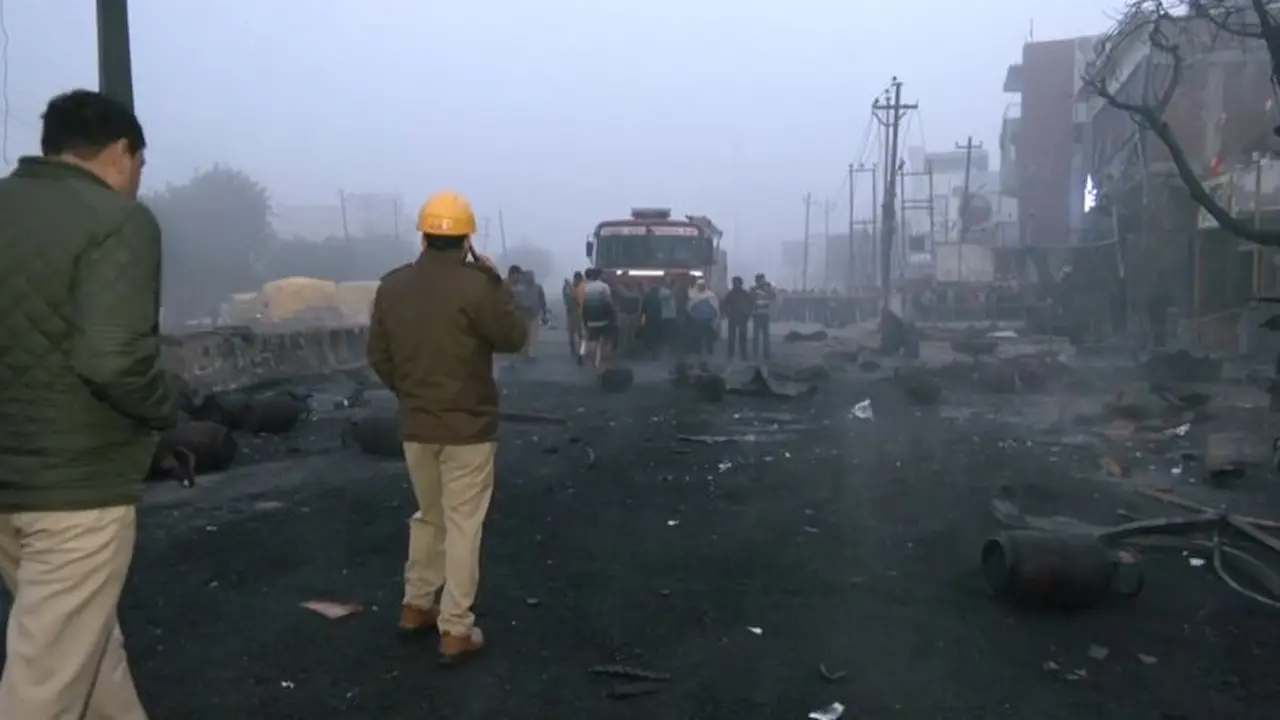
A terrifying explosion rocked Ghaziabad early Saturday morning as over 60 LPG cylinders loaded in a truck detonated in a fiery chain reaction, engulfing the area in flames. The fire, which started around 4 AM, is suspected to have been caused by cylinder friction, officials said.

The intensity of the blasts turned at least four furniture shops to ashes, while several parked vehicles were also destroyed. As the fire raged, panic spread among residents, with many scrambling for safety. The truck driver, upon noticing the fire, parked near a petrol pump, further escalating fears of a catastrophic disaster. Fortunately, the staff at the pump managed to evacuate just in time, and a few cylinders that landed inside the premises miraculously did not explode.

Chief Fire Officer Rahul Pal stated that over eight fire tenders battled the inferno for more than 90 minutes before bringing it under control. While no casualties were reported, the massive explosions left widespread destruction and panic in their wake, serving as a grim reminder of the dangers of unsafe transportation of hazardous materials.

Kinnar Akhara Power Struggle: Mamta Kulkarni and Laxminarayan Tripathi Expelled Over ‘Treason’

laxmi tripathi, kinnar akhara, mamta kulkarni, maha kumbh, kumbh mela
Kinnar Akhara Power Struggle: Mamta Kulkarni and Laxminarayan Tripathi Expelled Over 'Treason' 16

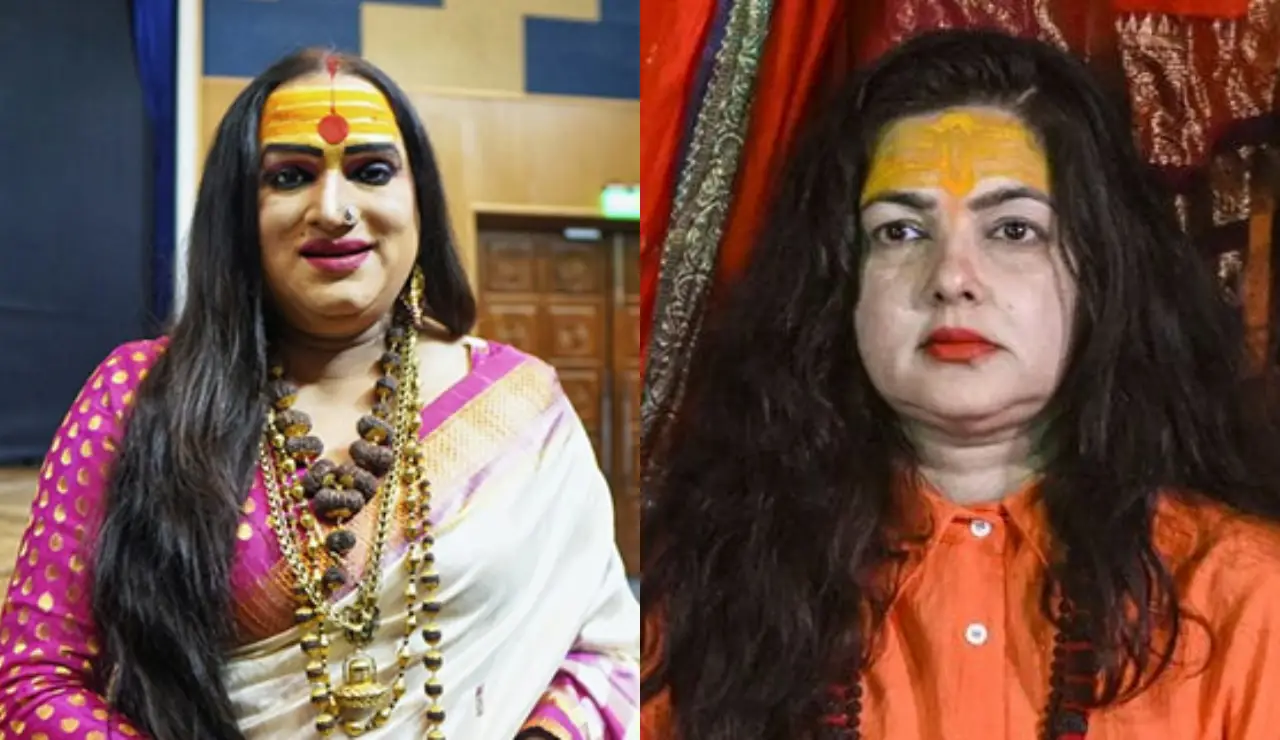
In a dramatic escalation of the ongoing power tussle within the Kinnar Akhara, its self-proclaimed founder Rishi Ajay Das has expelled former Bollywood actress Mamta Kulkarni and Mahamandaleshwar Laxminarayan Tripathi, accusing them of betrayal and treason. The move follows a heated controversy over Kulkarni’s appointment and allegations that Tripathi compromised the Akhara’s religious sanctity.

Ajay Das, in a strongly worded statement, declared that Tripathi had deviated from the Akhara’s core mission of spiritual propagation and upliftment of the transgender community. He further claimed that Tripathi’s secret dealings with Juna Akhara during the 2019 Kumbh Mela led to unauthorized inductions without adherence to traditional renunciation rites, weakening the institution’s spiritual fabric.

Mamta Kulkarni’s induction as Mahamandaleshwar added further fuel to the fire, with Das slamming the decision as a blatant disregard for Akhara traditions. Kulkarni, once a Bollywood star, has a controversial past marred by drug trafficking allegations, making her sudden spiritual transformation suspicious. Prominent voices within the Akhara, including transgender activist Himangi Sakhi Maa, questioned the real motives behind her anointment, branding it as a publicity stunt.

Tripathi, however, dismissed the expulsion, arguing that Ajay Das lacks any authority over the Akhara, and vowed to challenge his claims legally. The battle for legitimacy within the Kinnar Akhara has now snowballed into a full-blown crisis, raising concerns over its leadership, integrity, and future direction.

Faith Betrayed: The Failure of Saints and the State at Maha Kumbh 2025

mahakumbh, maha kumbh, stampede, reuters, 2025, mahakumbh 2025, faith
Image: Reuters/Sharafat Ali

The words of my Guru Maharaj echo a profound truth—“If the Bhajans of saints cannot bring welfare to the people, then what is the use of those Bhajans?” This statement compels us to reflect on the recent tragic events at the Maha Kumbh Mela, where lakhs of saints, Mahatmas, Mahamandaleshwars, and revered spiritual leaders congregated, embodying divinity in the eyes of the masses. Devotees bowed before them, placing their unwavering faith in their spiritual presence, believing that their mere existence was a shield of divine protection. Yet, despite their collective prayers, Sadhana, and spiritual authority, they could not prevent the merciless crushing of innocent lives in a devastating stampede.

If their spiritual energy, their Bhajans, and their immense power could not avert such a catastrophe, then what role did they truly serve during this horrifying incident? Was their presence merely symbolic, an ornamental display of spiritual leadership that failed when the people needed them the most? If they are indeed just ordinary human beings, then why are they exalted and glorified to such an extent? And if they are truly divine figures, then where was their divine intervention when chaos engulfed the sacred grounds?

It is convenient to dismiss this tragedy as “the result of karma” or “the law of destiny,” absolving all responsibility in the name of fate. But is that the true essence of sainthood? Is the role of saints confined to rituals within the boundaries of their ashrams and akhadas, while the suffering of the common man remains an external matter? Shouldn’t those who are regarded as supreme spiritual figures step forward, console the grieving, and offer tangible support to the affected families instead of leaving them at the mercy of an inefficient administration? The very presence of these saints should have been a beacon of solace and guidance in the wake of such an ordeal, yet their inaction raises unsettling questions about the true meaning of their spiritual leadership. Instead, it was the nameless monks, those without grand titles or exalted positions, who tore their own robes and shared their meager food with the afflicted. These monks demonstrated a spirit of selflessness that put the so-called supreme saints to shame.

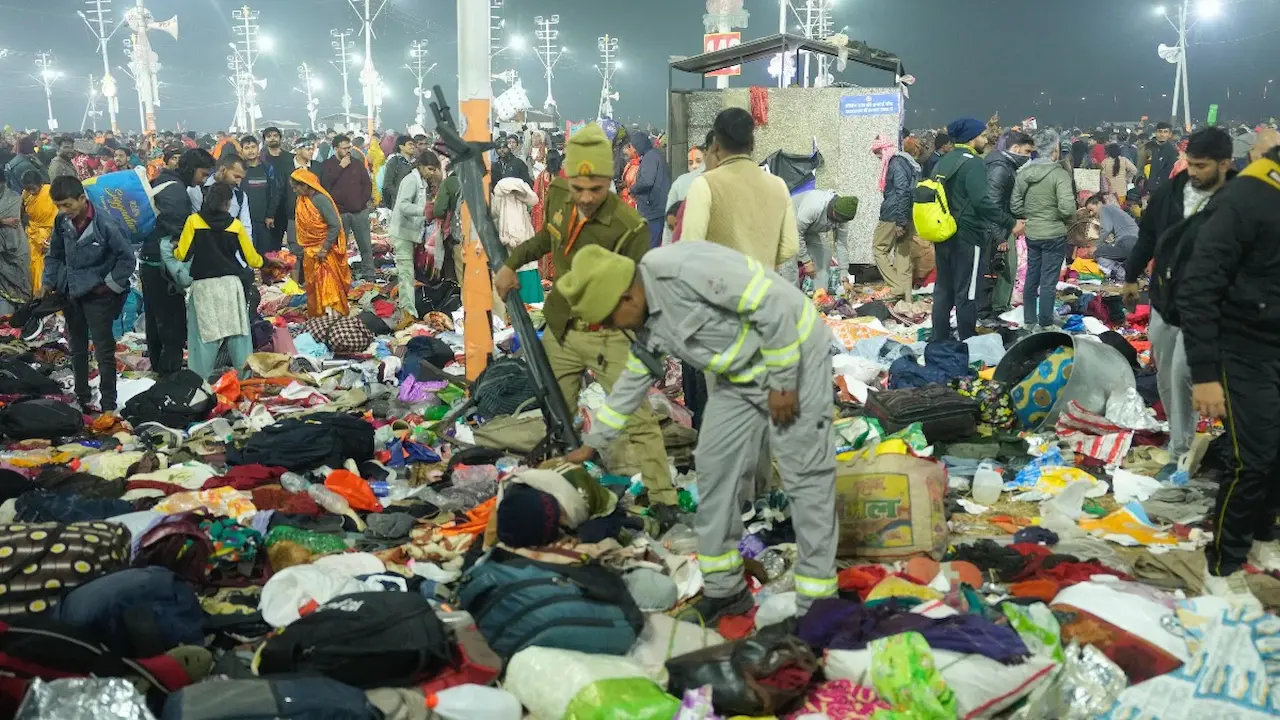
However, the burden of responsibility does not rest solely on the shoulders of the saints. The government, which had months to prepare for this colossal gathering, failed miserably in executing an efficient crowd management plan. Indian authorities have now ordered a probe into the stampede at the Maha Kumbh Mela, which claimed dozens of lives on Mauni Amavasya as millions of devotees converged for a “holy dip” in the sacred waters. The disaster unfolded in the pre-dawn hours, with an overwhelming surge of pilgrims eager to bathe at the auspicious hour. The magnitude of the gathering was evident from the fact that by 2 AM, the Sangam nose was teeming with people to the point where there was no space for those who had already completed their rituals to exit.

Despite a well-documented history of stampedes at major religious gatherings, the authorities once again proved their inefficiency. The tragic stampede occurred precisely when the religious fervor was at its peak, between 2 AM and 2:30 AM, as an unprecedented number of devotees pushed forward in an attempt to reach the water. The administration, unprepared for such an overwhelming crowd, failed to implement a controlled, phased entry and exit system. Ambulances were hurriedly dispatched, ferrying the injured and deceased to the Central Hospital at Mahakumbh Nagar. According to eyewitnesses, one of the primary causes of the disaster was the failure of barricades, which were meant to regulate the crowd but collapsed under pressure. The tragic irony is that while arrangements were in place to facilitate VIP movement, no robust measures were prioritised to protect the common devotees.

The response from the Yogi-led Uttar Pradesh government has been lackluster at best. After facing massive backlash, the administration belatedly announced restrictions on VIP movement during major bathing days. Moving forward, VIPs and VVIPs visiting Prayagraj for significant occasions such as Vasant Panchami, Magh Purnima, and Mahashivratri would no longer receive special privileges. While this reactionary measure might seem like a corrective step, it does nothing to address the fundamental issue of administrative negligence that led to the deaths of innocent pilgrims.

As if one tragedy was not enough, another disaster followed. In a separate incident, at least 15 tents were reduced to ashes in a fire that broke out near Chamanganj Chowki outside Sector 22 in the Maha Kumbh Mela area. Officials have claimed that there were no casualties, but this marks the third fire-related incident in the span of a few weeks. The first occurred on January 19 near a railway bridge in Sector 19, and the second on January 20 at a tent in Sector 5. The sheer frequency of such accidents at an event of this magnitude is alarming and raises questions about fire safety measures, emergency preparedness, and the overall governance of the festival.

In an attempt to pacify public outrage, the Uttar Pradesh government announced a financial compensation of ₹25 lakh for the families of the deceased. Chief Minister Yogi Adityanath also ordered a judicial inquiry, promising that a committee would submit a report within a stipulated time frame. However, the reality is that such inquiries are often nothing more than bureaucratic exercises aimed at damage control. The government, instead of taking full accountability for the lapses in crowd management, fire safety, and medical preparedness, has sought to wash its hands of the incident by offering financial compensation and forming committees that rarely result in real reform.

The Maha Kumbh Mela is not merely a festival; it is a confluence of faith, a sacred occasion where millions seek divine blessings. But when faith turns into tragedy due to mismanagement, negligence, and misplaced priorities, both spiritual and governmental authorities must be held accountable. Saints cannot hide behind the veil of divinity without stepping up when their devotees are in distress. Likewise, the government cannot continue to prioritize optics over safety while innocent lives are lost in the chaos. If we do not demand accountability now, then how many more tragedies will it take before real action is taken?