Tender Row in Panvel: Irregularities Alleged in Kalamboli Gate Pump Project, HC Case Cited 2
Serious irregularities have been alleged in the tender process floated by the Panvel Municipal Corporation for installing a gate pump system at Kalamboli Pond, raising concerns over cartelisation, abuse of authority and violations of procurement and vigilance norms.
The controversy has intensified as the matter is currently sub judice before the Bombay High Court, yet the civic body is accused of proceeding hastily towards awarding the contract. Stakeholders have flagged this move as undermining judicial oversight, particularly after objections were raised by established firms such as Welspun Michigan Adroit.
At the centre of the dispute is a mandatory Manufacturer’s Memorandum of Understanding (MoU) clause, which critics allege has been selectively enforced. According to the objections, several technically qualified bidders were denied MoUs without transparent or objective reasoning, while the condition allegedly favoured a specific contractor, Friends Electricals, effectively restricting competition and violating the principle of a level playing field.
The allegations are further compounded by claims of undue haste in finalising the tender, reportedly timed ahead of possible administrative reshuffles, fuelling suspicions of pre-determination and conflict of interest.
On the technical front, the tender specifications are alleged to promote smaller, foreign-made gate pump systems while sidelining larger, proven systems already in operation across India. Critics argue that factors such as lifecycle costs, maintainability, redundancy and Indian operating conditions have been overlooked, potentially exposing public infrastructure to operational risks.
The process is also accused of violating multiple directives of the Central Vigilance Commission, including guidelines on brand neutrality, functional specifications and avoidance of restrictive eligibility criteria. No clear justification or competent approval for these deviations has been made public, it is alleged.
Taken together, the alleged MoU manipulation, vendor-specific conditions, suppression of objections and rushed decision-making have sparked fears of misuse of public funds and erosion of trust in municipal governance. Critics warn that if the allegations are not independently examined, the case could set a troubling precedent for urban procurement practices across the country.
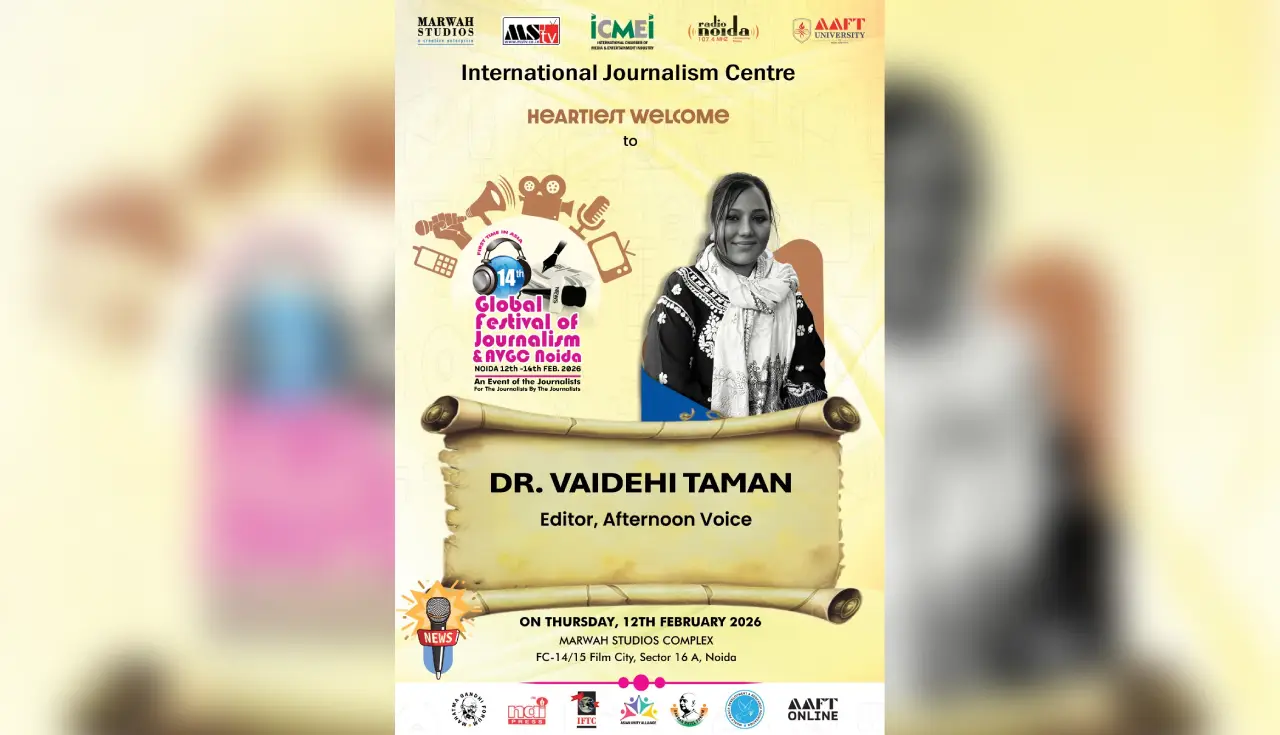
Vaidehi Taman to Speak at 14th Global Festival of Journalism & AVGC 2026 in Noida 4
Noida is set to host the 14th Global Festival of Journalism & AVGC 2026 on February 12 and 13, bringing together journalists, filmmakers, academicians, media professionals, and students from India and across the globe for a two-day exchange of ideas, insights, and storytelling.
The festival will feature international documentary screenings, seminars on emerging challenges in media, and panel discussions on critical themes such as the role of artificial intelligence in newsrooms, journalism in conflict zones, social justice reporting, and climate journalism.
Day One of the festival will witness the grand inaugural ceremony, the opening of a still photography exhibition, and in-depth deliberations on the impact of artificial intelligence on journalism. Day Two will focus on media’s role in amplifying marginalised voices and strengthening environmental journalism, underscoring the press’s growing responsibility in shaping social and ecological consciousness.
Eminent journalist Dr Vaidehi Taman will be among the key speakers on Day Two. The Editor-in-Chief of Afternoon Voice, Dr Taman is widely respected for her incisive journalism, strong editorial leadership, and powerful oratory. Her address is expected to add depth and direction to discussions on ethical, inclusive, and impact-driven journalism.
The festival will also host the 9th Mahatma Gandhi National Award for Journalism and the Global Excellence Award, recognising outstanding contributions to the media profession. The programme will further include networking lunches and cultural exhibitions, offering participants a platform for professional engagement and cultural exchange.
Cyprus Marks EU Council Presidency Launch in New Delhi; MoS Kirti Vardhan Singh Attends Reception 6
The High Commission of the Republic of Cyprus hosted a formal reception in New Delhi to mark the commencement of Cyprus’s Presidency of the Council of the European Union. The event, held at the Royal Ballroom of The Imperial Hotel, brought together senior government officials, diplomats, policymakers, and distinguished guests from India and abroad.
Union Minister of State for External Affairs Kirti Vardhan Singh attended the occasion as the Chief Guest. Welcoming the gathering, Cyprus High Commissioner to India Evagoras Vryonides expressed pride in Cyprus assuming the EU Council Presidency and outlined its core priorities, including economic growth, employment generation, innovation, defense cooperation, and strengthened transatlantic and global partnerships.
Highlighting historical ties, the High Commissioner recalled the longstanding relationship between India and Cyprus rooted in the Non-Aligned Movement, noting renewed momentum following recent interactions between Prime Minister Narendra Modi and the Cypriot leadership. He also announced a series of upcoming high-level visits, including Cyprus’s participation in the AI Summit, the Raisina Dialogue, and the President of Cyprus’s official visit to India in May 2026.
In his address, Shri Kirti Vardhan Singh congratulated Cyprus and emphasized the growing convergence between India’s Aatmanirbhar Bharat vision and the EU’s focus on strategic autonomy. He underlined expanding India–EU cooperation in digital transformation, clean energy, supply chains, and innovation, describing the partnership as a key pillar of global stability.
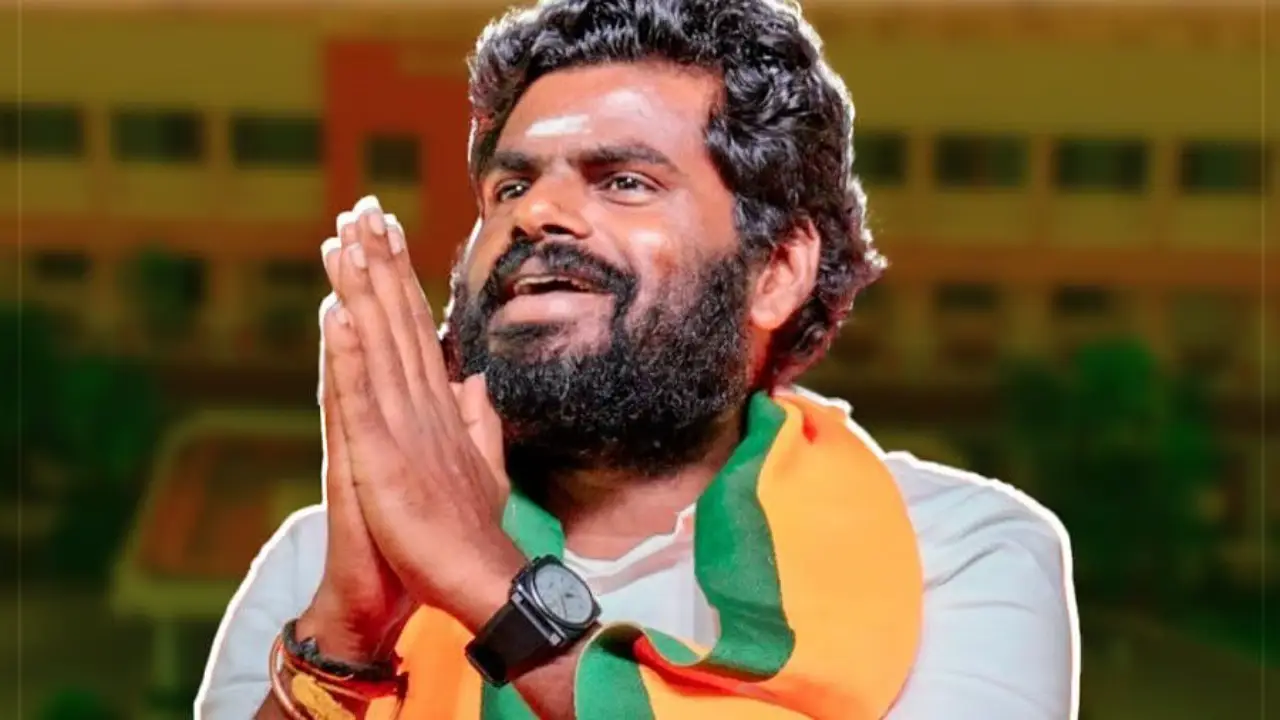
Annamalai Steps Down as BJP Election In-Charge, Cites Father's Health 8
Former Tamil Nadu BJP president K Annamalai has decided to step down from his role as election in-charge for six Assembly constituencies in poll-bound Tamil Nadu, citing his father’s health condition.
Speaking to the media on February 3, Annamalai said he had informed the party’s state leadership of his decision and requested to be relieved of the responsibility.
“I have conveyed my inability to continue as I need to be with my father, who is undergoing dialysis. Taking care of him is my foremost duty,” he said, adding that he had requested the BJP leadership, including Tamil Nadu BJP president Nainar Nagendran, to reassign the constituencies entrusted to him.
Annamalai said his decision was driven purely by personal reasons and expressed hope that the party would understand his situation and make alternative arrangements.
He had been appointed as election in-charge for the Singanallur, Virugambakkam (Chennai), Karaikudi, Srivaikuntam, Madurai (South) and Padmanabhapuram (Kanniyakumari) Assembly constituencies as part of the Bharatiya Janata Party’s preparations for the upcoming elections in Tamil Nadu.
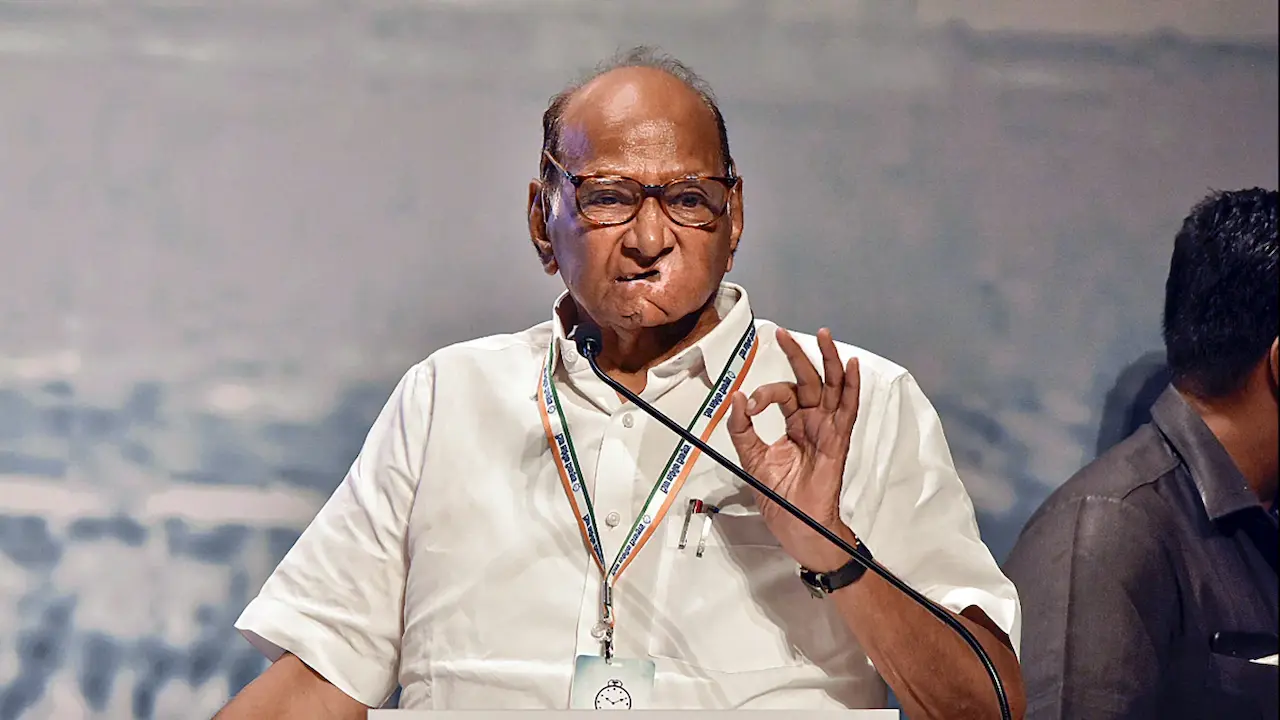
'Fadnavis Had No Role, No Right to Comment': Sharad Pawar on NCP Merger Talks 10
Nationalist Congress Party (SP) chief Sharad Pawar on Wednesday said Maharashtra Chief Minister Devendra Fadnavis was never part of the discussions on the merger of the two NCP factions and therefore had no right to comment on the issue.
Speaking to reporters in Baramati, Pawar said the merger talks were being led by NCP (SP) leader Jayant Patil and his nephew, NCP chief Ajit Pawar, who died in a plane crash in Pune district on January 28.
Following Ajit Pawar’s death, leaders of the Sharad Pawar-led party had claimed that reunification talks between the rival factions were at an advanced stage and that Ajit Pawar had finalised February 12 as the date to announce the merger. However, Chief Minister Fadnavis later said that if such talks were indeed underway, Ajit Pawar would have shared the details with him.
Reacting sharply to these remarks, Sharad Pawar said, “I do not understand what right he has to mention my name. As he was nowhere in the merger talks, he has no right to comment on it.” He reiterated that the discussions were handled exclusively by Jayant Patil and Ajit Pawar.
Asked whether the merger would still go ahead, Pawar said the immediate priority was to support each other in the aftermath of the tragedy, adding that no political discussions were currently being held. “As far as political talks are concerned, we are not speaking to anyone at the moment,” he said.
On the appointment of Ajit Pawar’s wife Sunetra Pawar as deputy chief minister after his demise, Sharad Pawar said it was a matter of happiness and satisfaction that she had received the opportunity to serve in the post.
He also said he was unaware of any plan to build a memorial for Ajit Pawar at the Vidya Pratishthan campus in Baramati. “I read about it in newspapers. There has been no discussion yet. We will sit together and decide,” he said, even as Ajit Pawar’s close aide Kiran Gujar recently claimed that a memorial was being planned at the site where his last rites were performed.
'PM Surrendered to Appease Trump': Congress Demands Parliament Debate on US, EU Trade Deals 12
The Congress on Tuesday stepped up its attack on the Modi government over the India–US trade deal, alleging that Prime Minister Narendra Modi has “completely surrendered” to appease US President Donald Trump at the cost of India’s farmers. The party demanded that the Centre place the full details of both the US and EU trade agreements before Parliament of India for discussion.
Congress general secretary (communications) Jairam Ramesh said India’s position had been weakened by the manner in which the trade deal was announced. He claimed that statements made by President Trump made it “abundantly clear” that the prime minister had given in under pressure, adding that “India stands diminished by this unfortunate sequence of events”.
Ramesh recalled that Prime Minister Modi had visited the White House nearly a year ago after Trump’s re-election, when negotiations for a trade deal began amid what he described as “huglomacy”. He alleged that matters worsened after Trump announced a halt to Operation Sindoor on May 10, 2025, and later publicly embraced Pakistan and its army chief, Field Marshal Asim Munir, which he said exposed the hollowness of India’s diplomatic outreach.
Pointing out that Parliament is currently in session, Ramesh said the texts of both the EU and US trade deals must be tabled and debated, especially in light of claims by US Agriculture Secretary Brooke Rollins that India has liberalised agricultural imports from the US.
The controversy spilled into Parliament, with members of several Opposition parties staging a walkout from the Rajya Sabha and later protesting in the Parliament complex. Opposition MPs, including Digvijaya Singh, Randeep Surjewala, AAP’s Sanjay Singh and RJD’s Manoj Jha, alleged that the government had compromised farmers’ interests.
Congress MP Shashi Tharoor said there was an urgent need for clarity as no official details had been shared beyond Trump’s social media posts and press statements. He questioned claims that India would purchase USD 500 billion worth of US goods and open its agricultural market, saying such assertions carry serious political implications for Indian farmers.
Former commerce minister Anand Sharma said while India and the US share a strategic partnership, any trade deal must be between sovereign equals and safeguard national interests in sensitive sectors such as agriculture, dairy and pharmaceuticals.
In response, Prime Minister Modi said he was pleased that tariffs on “Made in India” products would be reduced to 18 per cent. Trump earlier announced that India and the US had agreed to a trade deal. The debate comes days after India and the European Union sealed a landmark free trade agreement in January, billed as the “mother of all deals”.
Minor at Wheel: Speeding Mercedes Crashes Inside Mumbai Coastal Road Tunnel, Three Injured 14
Three members of a family were injured after a speeding Mercedes, allegedly driven by a 17-year-old boy, crashed into vehicles inside the Coastal Road tunnel in South Mumbai, police said on Monday.
The accident occurred in the early hours of Sunday when the luxury car, heading towards South Mumbai, rammed into a vehicle from behind inside the tunnel. The impact pushed the first car into another vehicle ahead, triggering a chain collision, an official said.
Police said the injured include a senior citizen woman from the affected family. All three were rushed for medical treatment and are reported to be stable.
Following an investigation, the D B Marg police registered a case against the owner of the Mercedes, a businessman from Agripada, his 18-year-old granddaughter, and her 17-year-old male friend who was allegedly driving the car at the time of the crash.
During preliminary inquiries, it emerged that the minor driver lost control of the vehicle inside the tunnel, leading to the accident. Further investigation is underway to determine liability and possible violations, police added.
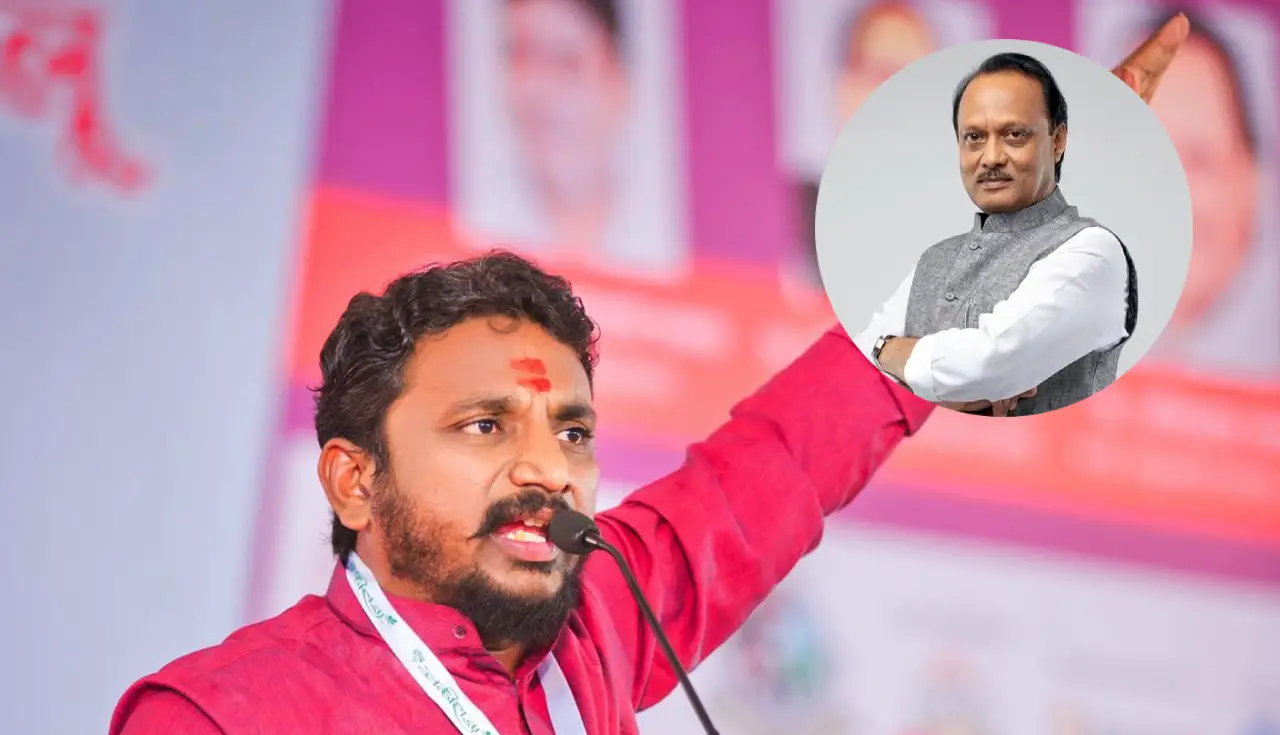
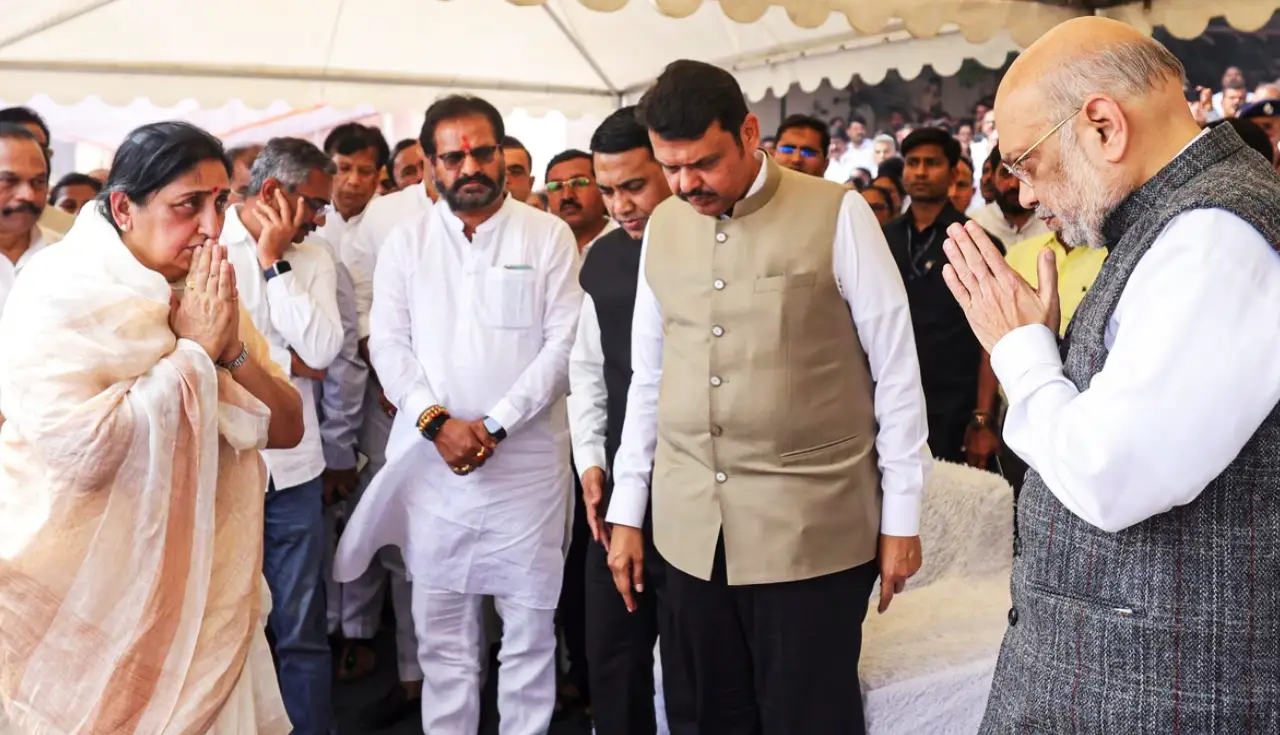
Nationalist Congress Party (NCP) legislator Amol Mitkari on Tuesday urged the Maharashtra government to rename its flagship Mukhyamantri Ladki Bahin Yojana after late Deputy Chief Minister Ajit Pawar, calling it a fitting tribute to a leader deeply loved by women across the state.
Speaking to reporters, Mitkari said Ajit Pawar, fondly known as Ajitdada, shared a special bond with women, recalling how his wrists would be “full of rakhis” during his tours across Maharashtra. Renaming the scheme as Ajitdadanchi Ladki Bahin Yojana would be a true honour to his legacy, he said.
Ajit Pawar and four others were killed in a plane crash in Baramati, Pune district, on January 28, triggering an outpouring of grief across the political spectrum.
The Ladki Bahin scheme, announced by Pawar during his tenure as finance minister and launched in July 2024, provides monthly financial assistance of Rs 1,500 to eligible women aged between 21 and 65 through direct bank transfers. The initiative is widely seen as a key factor behind the BJP-led Mahayuti’s victory in the 2024 Assembly elections.
On Monday, Deputy Chief Minister Eknath Shinde reiterated that the government would continue the scheme, saying it has significantly benefited women. He also said the monthly assistance would be increased from Rs 1,500 to Rs 2,100 at an appropriate time.
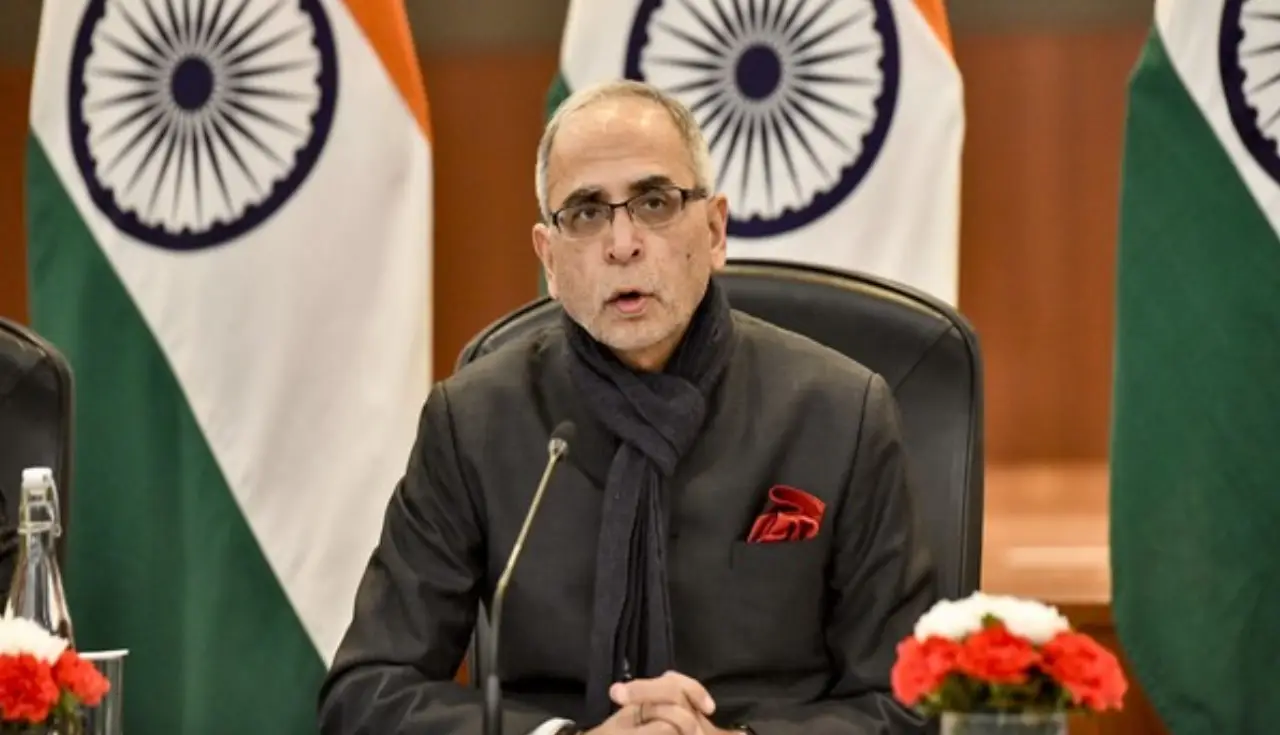
India–US Trade Deal a Major Win for Strategic Partnership: Envoy Vinay Mohan Kwatra 18
Indian Ambassador to the United States Vinay Mohan Kwatra on Monday described the India–US trade deal as a major victory for a consequential bilateral partnership under the leadership of Prime Minister Narendra Modi and US President Donald Trump.
In a post on social media, Kwatra said the agreement would unlock vast new opportunities for both economies and bring tangible benefits to the people of India and the United States. He noted that the deal marks a significant step forward in strengthening economic cooperation and mutual trust between the two nations.
Calling the development a milestone, the ambassador said the announcement heralds an exciting new phase in the India–US partnership, reinforcing the growing strategic and economic alignment between New Delhi and Washington.
Grief Is Personal, Power Is Political, Maharashtra Must Learn to Separate the Two 20
Maharashtra has not merely lost a politician; it has lost a voice that shaped the rhythm of its politics for decades. Ajit Pawar was many things—controversial to some, commanding to others—but he was never inconsequential. His speeches carried the authority of experience, his humour disarmed hostile rooms, and his media interactions reflected a man deeply aware of power and its mechanics.
As a journalist, I watched Ajit Pawar closely for years. His grasp of administration, his instinct for negotiation, and his understanding of Maharashtra’s political anatomy were not inherited gifts. They were earned, slowly and painfully, through electoral battles, internal party conflicts, criticism, and survival. His death has caused genuine pain. Maharashtra will miss him—and rightly so.
But grief cannot be allowed to paralyse judgment.
Respect for the dead does not mean suspension of scrutiny for the living. And this is precisely where Maharashtra faces an uncomfortable moment—one that demands honesty over emotion.
Within days of Ajit Pawar’s passing, succession plans began circulating with unsettling speed. Reports suggested that his wife, Sunetra Pawar, would step into the vacant Deputy Chief Minister’s position. Simultaneously, news emerged that his son was being positioned for a Rajya Sabha seat. What should have remained a period of personal mourning was rapidly transformed into a phase of political redistribution.
This shift deserves pause—not outrage, not drama—but scrutiny.
The wife is yet to fully emerge from sorrow. The children are still mourning their father. The loss is raw and recent. And yet, power has already been reorganised. This haste is not continuity. It is convenience.
There is something morally troubling about converting death into political acceleration. Even in politics, which is rarely gentle, there exist unwritten codes of restraint. When authority is claimed before mourning finds its breath, the act ceases to resemble public service. It begins to resemble entitlement.
Ajit Pawar’s political stature is not transferable property. His experience cannot be inherited. His instincts were not genetic traits. Governance is not an heirloom passed within a family.
This brings us to the fundamental issue—not legality, but legitimacy.
What political experience qualifies Sunetra Pawar to occupy one of the most powerful offices in the state? What administrative crises has she independently handled? What electoral verdict has she faced? Which governance challenges has she navigated in her own right?
The Deputy Chief Minister’s position is not symbolic. It is not ceremonial. It demands authority, competence, and the ability to manage crisis. These attributes are built through exposure and accountability—not proximity to power.
The son’s elevation raises equally serious concerns. He contested the 2019 Lok Sabha election and lost. Loss is part of politics. But defeat traditionally calls for rebuilding trust, reconnecting with voters, and earning credibility. It does not automatically justify a parliamentary berth through backroom arrangements.
To label this as political responsibility is dishonest.
What message does this send to thousands of party workers who dedicate decades to grassroots politics? What does it say to voters who believe elections matter? And what lesson does it teach young citizens—that surnames matter more than struggle?
The defence offered against such criticism is predictable: that questioning succession is insensitive during a period of mourning.
That argument is flawed.
The politics is not being done by journalists. It is being done by those who rushed to occupy power. Silence is demanded in the name of sensitivity, while authority is claimed in the name of sympathy.
This is how dynastic politics survives—by emotionally disarming accountability.
India has seen this pattern repeatedly. Political families across parties treat leadership as hereditary. Internal democracy is quietly replaced by bloodline consensus. Merit is celebrated in speeches and discarded in practice.
Ironically, Ajit Pawar himself did not rise through entitlement alone. He survived internal rebellions, public scrutiny, and electoral judgment. To equate his journey with immediate family succession is to weaken his legacy, not honour it.
Legacy is not about occupying the same chair. Legacy is about matching competence.
If this transition is about stability, Maharashtra deserves an explanation for why experienced leaders were bypassed. If it is about public demand, that demand must be demonstrated, not assumed. And if it is about sympathy, then sympathy has replaced scrutiny.
And that is dangerous.
Democracies do not collapse suddenly. They erode quietly—through convenience, compromise, and silence.
I can feel sorrow for Ajit Pawar’s death and still feel disturbed by the political opportunism that followed it. These emotions are not contradictory. They are honest.
Grief deserves dignity. Politics demands accountability. Maharashtra deserves better than inherited power disguised as service.